Techniques
Every method here exists because the fish demanded it. Some evolved on chalk streams, others on spate rivers or windswept loughs — each one a solution to a particular problem the water sets.
118 techniques across 17 families
Dry Fly
The fly floats. The trout rises. Everything else is detail — but the detail is what keeps you coming back.

Upstream Dry Fly
FeaturedClassic drag-free upstream dry-fly presentation.

Downstream Dry Fly
Dry fly presented downstream or down-and-across.

Across and Down Dry Fly
Dry fly fished across current, sometimes waked.

Static Dry Fly
Minimal movement, often on smooth water.

Skated or Waked Dry Fly
Fly deliberately moved or waked on surface.

Terrestrial Dry Fly
Ant, beetle, hopper and similar patterns.

Blind Dry Fly
Fishing likely lies without visible rises.
Emerger & Film
That awkward inch between water and air where most insects die and most trout feed. The emerger zone.

Emerger Fishing
FeaturedPatterns sit in or just under the surface film.
Klink and Dink
Buoyant dry supports a subsurface nymph.

Caenis Fishing ("The Curse")
FeaturedFishing tiny flies with total accuracy during dense summer caenis hatches.
Wet Fly
The oldest way to fish a fly. Teams of wets, fished on the drift or swung across the current.

Traditional Wet Fly
Classic subsurface wet-fly fishing.
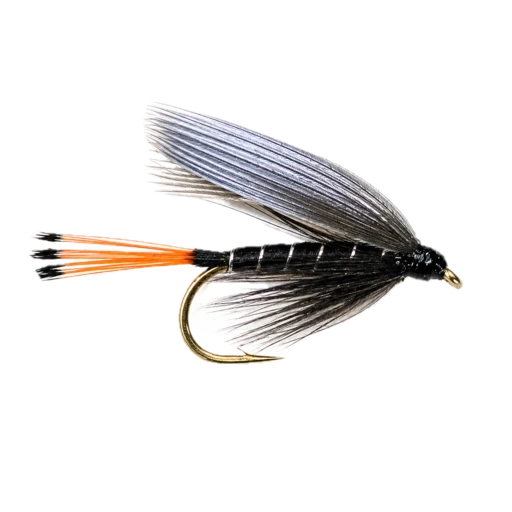
Down and Across Wet Fly
Traditional down-and-across wet-fly swing.

Team of Wets
Multiple unweighted or lightly dressed wet flies.
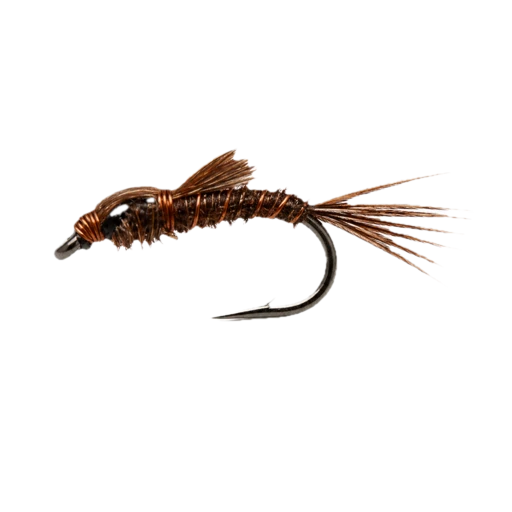
Induced Take
FeaturedLifted at the end of drift to trigger takes.

Soft Hackle & Spider
FeaturedNorth-country spider and soft-hackle methods.

Loch Style Wet Fly
FeaturedTraditional boat or drift stillwater method.

North Country Spiders
FeaturedFour hundred years of Yorkshire common sense: sparse soft-hackle wets fished short-line across and down.
Nymph
Most of the time, trout feed below the surface. Nymphing is the fishing that works when nothing is rising.
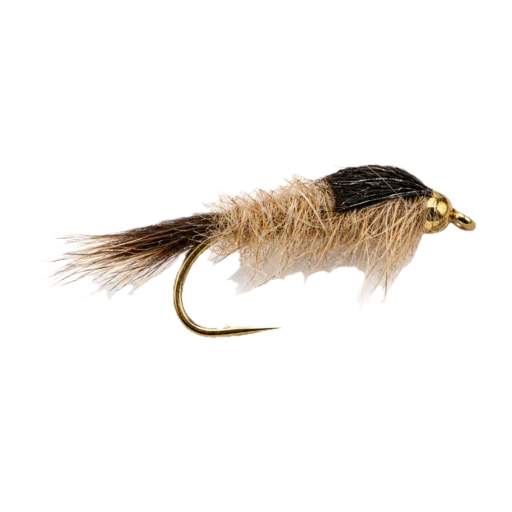
Indicator Nymphing
FeaturedSuspended nymphs beneath yarn or buoyant indicator.

Tight-Line Nymphing
FeaturedDirect-contact nymphing without a floating indicator.

Dry Dropper
Dry fly used as both attractor and indicator.
Euro Nymphing
Tight-line, leader-to-hand, heavy nymphs fished in contact with the bottom. Competition-born, universally effective.

Czech Nymphing
FeaturedShort-range, heavy, high-contact nymphing.

French Nymphing
FeaturedLong leader, fine tippet, light contact at range.

Spanish Nymphing
Very long leader, technical long-range contact style.

Modern Euro Nymphing
Catch-all for modern contact nymph methods.
Classic Nymphing
The traditions of Skues and Sawyer. Upstream, subtle, and still devastatingly effective on the right water.
Streamer
Big flies for big fish. The fishing for days when subtlety feels like a waste of time.

Streamer Stripping
FeaturedStreamer actively retrieved in strips.
River Streamer Fishing
FeaturedFoundation guide to fishing streamers in rivers — pools, undercut banks, structure, current seams.

Reservoir Streamer Fishing
FeaturedSearching large stillwaters for trout with streamers — wind lanes, points, drop-offs.
Streamer Swinging
FeaturedStreamer swung across current.

Dead-Drift Streamer
FeaturedStreamer drifted naturally like prey or fry.

Pike on the Fly
FeaturedLarge streamers for pike — 8–10 weight tackle, wire traces, weed lines, safe handling.

Autumn Fry-Feeding Imitation
FeaturedImitating fleeing fry with small streamers to target big trout hunting shoals in early autumn.
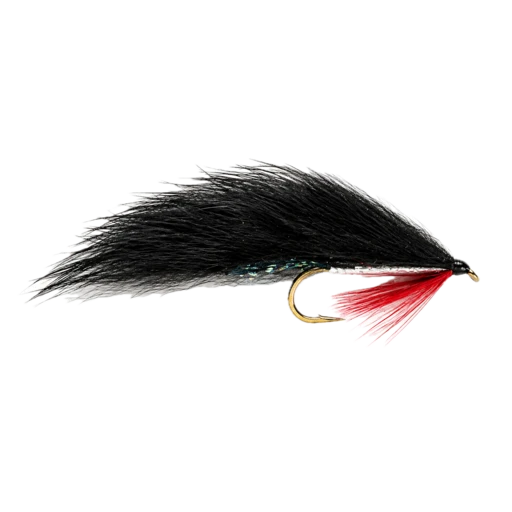
Night Streamer Fishing for Trophy Trout
FeaturedWorking big dark streamers after dark for large, piscivorous river brown trout.
Salmon & Sea Trout
The swing, the step, the take. Methods built for Atlantic salmon and sea trout on moving water.

Classic Wet Fly Swing
FeaturedCore across-and-down salmonid swing method.

Greased Line Fishing
Classic floating-line presentation for fish near surface.

Night Sea Trout
FeaturedClassic low-light or night wet-fly sea-trout approach.

Waking Surface Fly
Surface disturbance used to provoke takes.

Tube Fly Swing
Swinging tube flies on singles or trebles.

Floating-Line Salmon
FeaturedSmall singles, doubles, or light tubes fished on or just beneath the surface.

Sunk-Line Salmon
FeaturedSink-tips or sinking shooting heads to reach fish in cold, deep, or heavy water.
Riffling Hitch
FeaturedSmall fly hitched with a leader half-hitch to wake across the surface — classic summer grilse method.

Stripping the Sunray
FeaturedSunray Shadow or similar mobile fly stripped fast across or through a pool in low, warm water.

Surface-Lure Sea Trout
FeaturedMuddlers, wake flies, or buoyant tubes creating a night-time surface wake.

Deep Night Sea Trout
Larger tubes, snakes, or lures on an intermediate or sinking line when fish won't rise to the surface.

Reading a Salmon Pool
FeaturedFinding a salmon's taking lie by pool structure and water height, not by where food collects.
Stillwater
Reservoirs, lochs, and lakes demand their own approach. Different water, different rules, different fish.

Buzzer Fishing
FeaturedSuspended buzzer or midge pupae rig.

Booby Fishing
FeaturedBuoyant Booby fished on a sinking line, near-static or short-pulled near the bottom.
Pulling Lures
FeaturedTraditional or modern lure pulling.

Stillwater Dry Fly
FeaturedDry-fly fishing on stillwaters.

Indicator Fishing
FeaturedBuzzers, bloodworm, damsel, or egg patterns suspended beneath an indicator — a beginner-friendly stillwater method.

Anchored Boat Buzzer Fishing
FeaturedFishing a static team of buzzers at a fixed depth from an anchored boat.
Grayling Specialist
The lady of the stream has her own preferences. Methods refined for the fish that comes alive when everything else shuts down.

French Nymphing for Grayling
FeaturedLong-leader grayling method on clear glides and runs.

Winter Grayling Nymphing
FeaturedCold-water nymphing approach for winter grayling.

Dry-Fly Fishing for Grayling
FeaturedSmall dries for rising grayling — subtle rise forms and downstream presentation for difficult fish.
Czech Nymphing for Grayling
FeaturedShort-line, weighted approach for fast runs and deeper seams.
The Duo for Grayling
FeaturedBuoyant dry supporting a single nymph beneath it — prospects mixed water while keeping a surface-take chance alive.

North-Country Spiders for Grayling
FeaturedSoft-hackled flies fished upstream, across, or on a controlled swing — sparse hatches and fish feeding just under the surface.

Upstream Nymphing for Grayling
FeaturedA more accessible alternative to French or Czech nymphing.
Pocket-Water Grayling
Short, accurate presentations into fast pockets, seams, and cushions behind rocks.
Traditional Lake & Loch
Boat fishing with teams of wets, dapped flies, and the wind doing half the work. The old ways still work.

Irish Lough Style
Traditional Irish team-of-wets boat method.

Dapping
FeaturedFly dapped on the surface with little line on the water.

Duckfly Dapping
FeaturedDapping a duckfly imitation on a blow-line ahead of the mayfly on Irish limestone loughs.
Specialist & Fixed Line
Tenkara, keiryu, and other methods that strip fly fishing back to its essentials.

Tenkara
FeaturedJapanese fixed-line fly-fishing system.
Small-Stream Tenkara
FeaturedShort, accurate fixed-line fishing beneath trees and between boulders.
Fishing the Kebari
FeaturedDead-drift, hold, pulse, swing, and lift presentations for Japanese-style flies.
Fixed-Line Nymphing
FeaturedDirect-contact nymph fishing with a long reel-less rod.
Keiryu Fishing
FeaturedLong fixed-line rods, fine lines, and weighted precision — a Japanese stream tradition, not traditionally fly-only.
Pesca alla Valsesiana
FeaturedTraditional Italian fixed-line fly fishing of the Sesia valley — an independent tradition, not a tenkara variant.
Fixed-Line Grayling
FeaturedPrecise short drifts for grayling in seams, glides, and winter runs — a modern application of fixed-line tackle.
Tenkara on Larger Rivers
Extending fixed-line control without pretending reach is unlimited.
One Fly, Six Presentations
Change the presentation before changing the pattern — a training exercise, not a universal rule.
Watercraft & Presentation
Reading water, approaching fish, and controlling the fly from cast to take.

Sight Fishing
FeaturedSpotting fish and casting to sighted targets.

Using a Drogue
Boat-control skill — slows and steadies a drift so loch-style and nymph presentations stay in contact.
Reading a Trout River
FeaturedPools, riffles, glides, seams, pocket water, and undercut banks — identifying lies from depth, current, and structure.
Reading a Stillwater
FeaturedWindward shores, drop-offs, weed beds, points, bays, inflows, and wind lanes.
Approaching the Water
FeaturedStealth, observation, and positioning before the first cast — silhouette, vibration, shadow, and bank angle.
Mending the Line
FeaturedUpstream, downstream, stack, and aerial mends and what each does to fly speed.
Achieving a Drag-Free Drift
FeaturedCombining casting angle, leader layout, rod-tip movement, and mending to keep a dry fly or nymph travelling naturally.

Presentation Casts
Reach, curve, pile, parachute, and tuck casts as solutions to specific current and depth problems.
Managing Slack and Contact
When slack creates a natural drift and when contact is required to detect a take — dry flies, indicators, tight-line nymphs, and swung flies.
Controlling Fishing Depth
FeaturedFly weight, leader length, line density, casting angle, countdown, and retrieve speed to place the fly in the correct layer.
Controlling Fly Speed
How current, mends, rod position, retrieve, and casting angle affect a dry fly, nymph, wet fly, or streamer.
Detecting Takes
FeaturedReading the fly, leader, indicator, line, and fish — obvious pulls, subtle pauses, and sighted-fish behaviour.
Setting the Hook
FeaturedLifting into a dry-fly take, tightening into a swung fly, strip-setting streamers, and delaying for dapping or surface lures.
Line Management
Preventing coils and tangles, organising loose line while wading or boat fishing, and preparing line before casting at a moving fish.
Fishing Across Conflicting Currents
Reach casts, slack, high rod positions, and repositioning when several currents act on the line and leader.
Choosing Your Casting Position
Upstream, across, or downstream — sun, wind, current, background cover, and the likely direction of a hooked fish.
Fishing in the Wind
FeaturedCasting plane, loop shape, leader, and casting direction — including safe handling of weighted flies.
The Hang
Pausing flies beneath the rod at the end of a retrieve or drift — stillwater nymphs, lures, and boat fishing.
Boat Drift and Positioning
Setting up a productive drift, angle to the wind, working a shoreline or contour, and coordinating two anglers.
Wading for Better Presentation
Wading only when it improves angle or reach — disturbance, safe routes, and not walking through unfished water.
Playing and Landing Fish
FeaturedSide strain, changing angles, using current intelligently, and landing fish efficiently without exhausting them.
Spey Casting — Single & Double
FeaturedChanging direction and delivering a fly with no backcast room, the foundation double-handed cast.
Safe Wading in Fast Water
FeaturedWading technique and equipment for staying safe in current, as distinct from wading for presentation.
Fishing a River in Spate
FeaturedThe four stages of a spate: rising, peak, falling and coloured, falling and clearing, and what each means for where fish lie and what to fish.
The Rules of the Water
FeaturedRod licences, permits, close seasons, beat rules, salmon release rules and night fishing: what to check before you fish in the UK and Ireland.
Fishing Low, Clear Water
FeaturedFishing a low, bright, warm river: the temperature limits, the cool hours, where fish hold, a stealthy approach and fine, small flies.
Catching and Releasing Fish Well
FeaturedLanding, unhooking, photographing and reviving a fish so it survives, and how water temperature changes the odds.
Fishing the Sedge Hatch
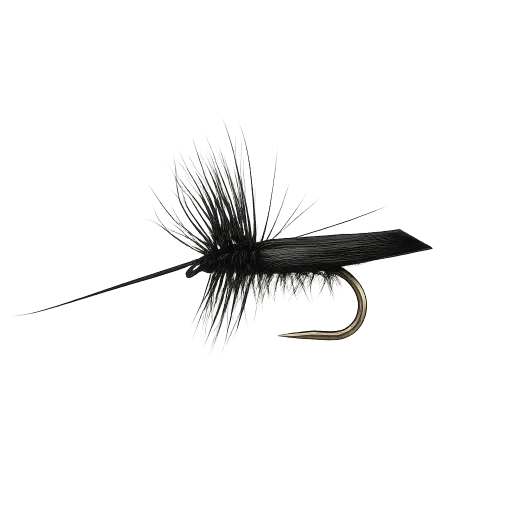
FeaturedFishing sedge and caddis on rivers: the grannom, the evening sedge, the ascending pupa, the skated adult, sizes, leaders and the temperature limits.

Sea Trout by Day and in the Estuary
FeaturedFishing for sea trout in daylight: the estuary on the tide, a coloured river in spring and autumn, finnock, the Irish loughs and the Cantabrian reo, with tackle, flies, tide safety and the rules.
Winter Pike on the Fly
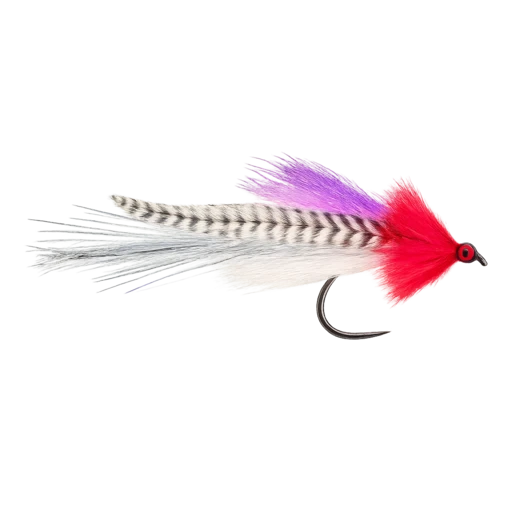
FeaturedWinter pike on the fly in big reservoirs: where fish lie, the line for each depth, a slow retrieve, the wire trace, boat and handling rules, and safety.
Choosing Your First Rod and Line
FeaturedChoosing a first fly rod and line: start with a floating line, match rod weight to the water you fish most, and why a suitable cheap rod beats an unsuitable expensive one.
Basic Fly Casting: The Overhead Cast
FeaturedLearning the overhead fly cast: the lift, back stop, pause, forward stroke and stop, how to practise on grass, the faults to fix first, and Fly Cast and casting instructors.
Multi-Fly Rigs
Dry-dropper, team of wets, bung and buzzers — the rigs that let you cover more water and more depths.

Washing Line
FeaturedBuoyant point fly with nymphs on droppers.

Team of Nymphs
FeaturedTwo or three nymphs on droppers, figure-of-eight retrieve or drift, fished with the hang.
Working a Team of Flies
Controlling point and dropper flies, spacing, and how one fly affects the depth and movement of the others.
Line Systems
Floating, intermediate, sinking — the line is the engine. Choosing the right one changes everything.
Leader & Rig
The final connection: how flies turn over, reach their depth and fish as intended.

Building a Balanced Fly-Fishing Leader
FeaturedHow butt, taper and tippet work together to transfer casting energy through to the fly.

Choosing Tippet: Diameter, Strength and Material
FeaturedNylon vs fluorocarbon, diameter vs breaking strain, and matching tippet to the fly and the fish.

The Dry-Dropper Rig
FeaturedRigging a nymph beneath a buoyant dry fly — dropper length, attachment point and strike detection.

Droppers and Teams of Flies
FeaturedConstructing a safe two- or three-fly leader — spacing, knots, fly order and avoiding a collapsed cast.
Stillwater Leader Setups
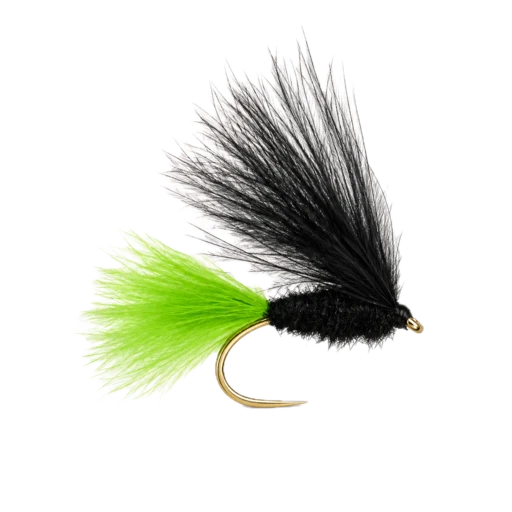
FeaturedReady-to-use leader lengths and spacing for buzzers, washing line, pulling lures, dries and the indicator.

Streamer and Predator Leaders
FeaturedShort, powerful leaders built to turn over bulky flies, including wire and bite tippet for pike.
Essential Fly Fishing Knots
FeaturedThe knots a fly angler needs: line to leader, leader to tippet, fly to tippet, a loop for streamers, a dropper and a wire trace.
Leader Formulas
FeaturedX size to millimetres and pounds, hook size to tippet, the 60/20/20 split, and starting points for dry fly, nymph, Euro nymphing and streamers.
Cyprinid Specialist
Carp, barbel and the stream cyprinids. Fish that were never the point of fly fishing, and turn out to be very good at it.
Sight-Fishing to Carp
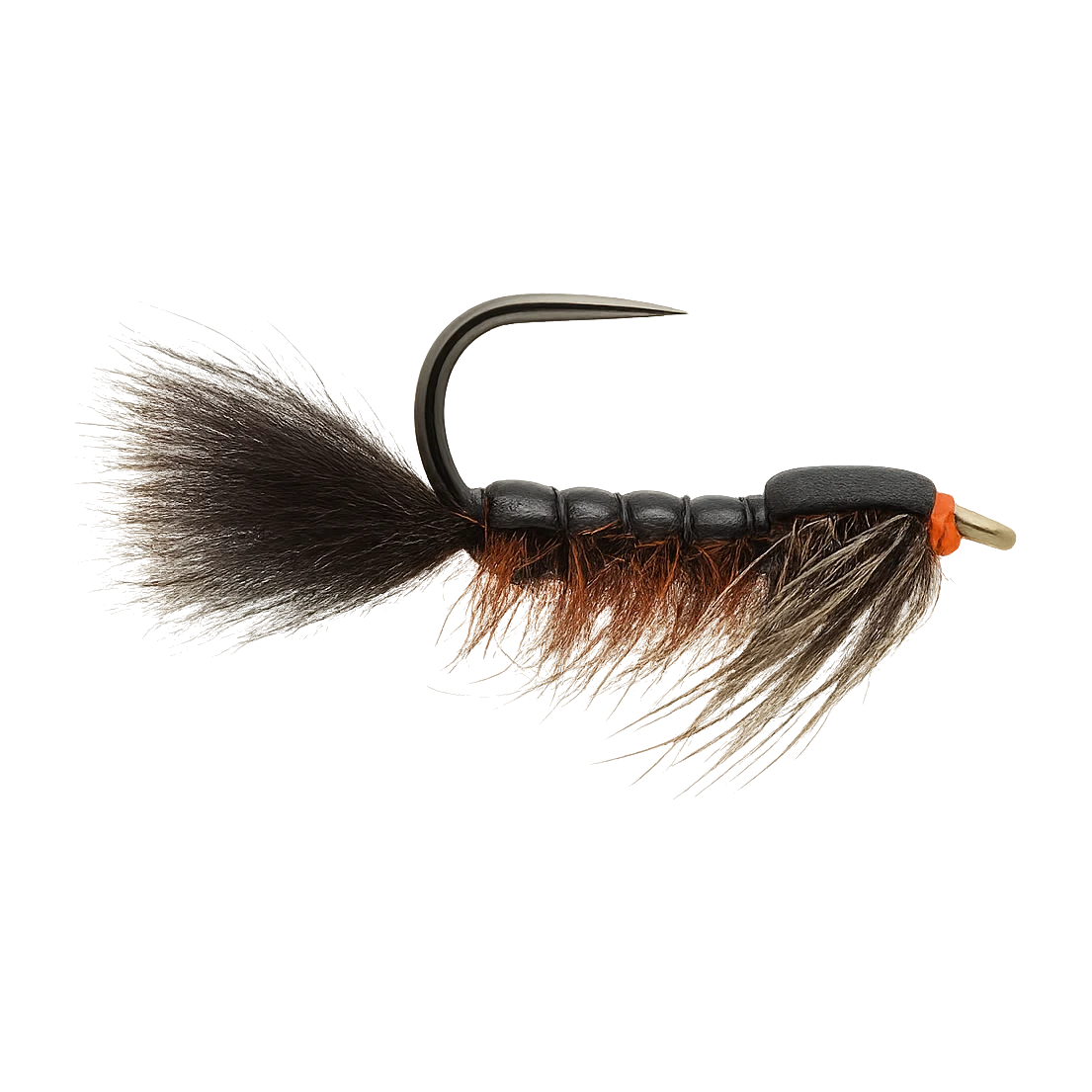
FeaturedStalking visible carp in the margins and dropping a single fly on the feeding line.

Bottom-Contact Nymphing for Barbel
FeaturedHeavy single nymph held on the gravel through seams and runs.

Small-Stream Cyprinids
Walk-and-wade dry and small-nymph fishing for makou, chub, dace and the stream barbs.
Where and what to fish
Methods work differently on different water and for different fish. Pick up a venue, a species, or a guide near you.
The waters themselves: what makes a chalkstream, a spate river or a lough fish the way it does.
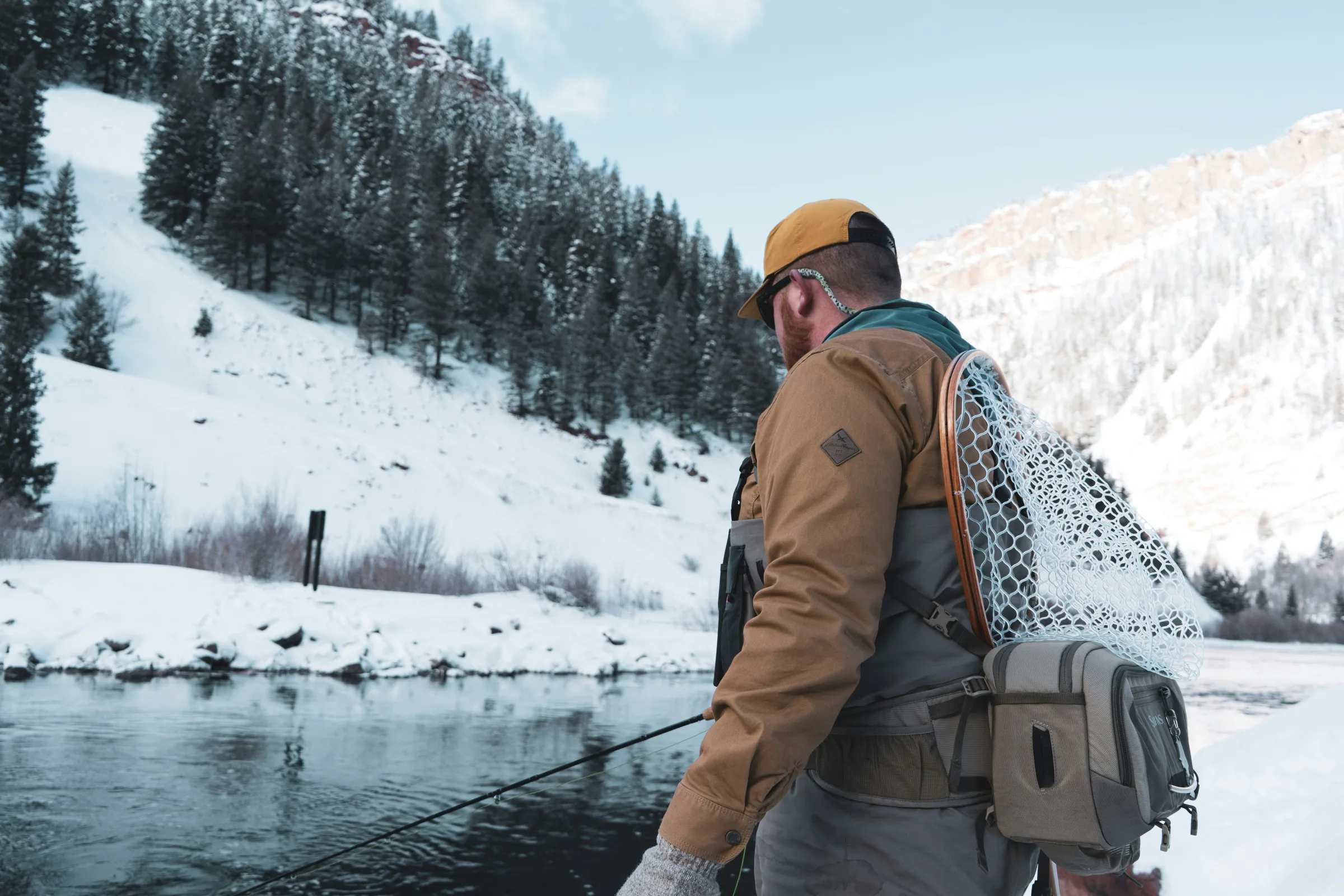
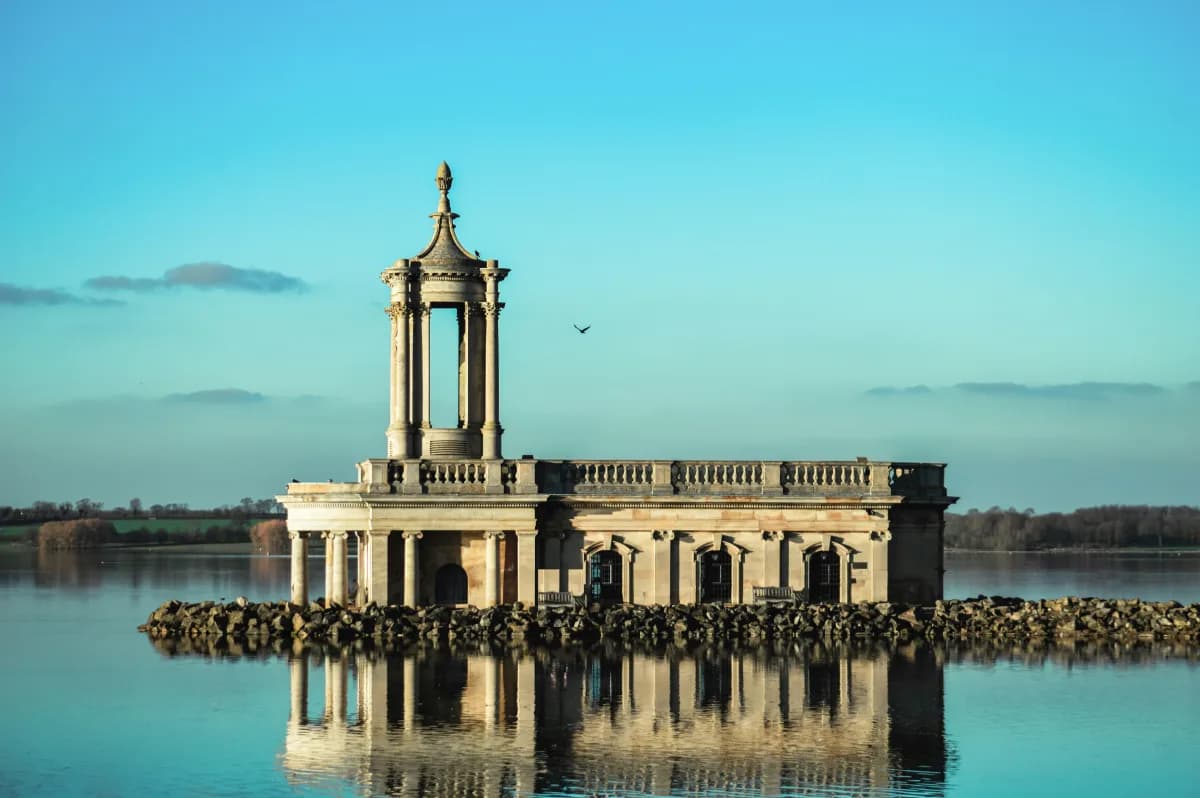
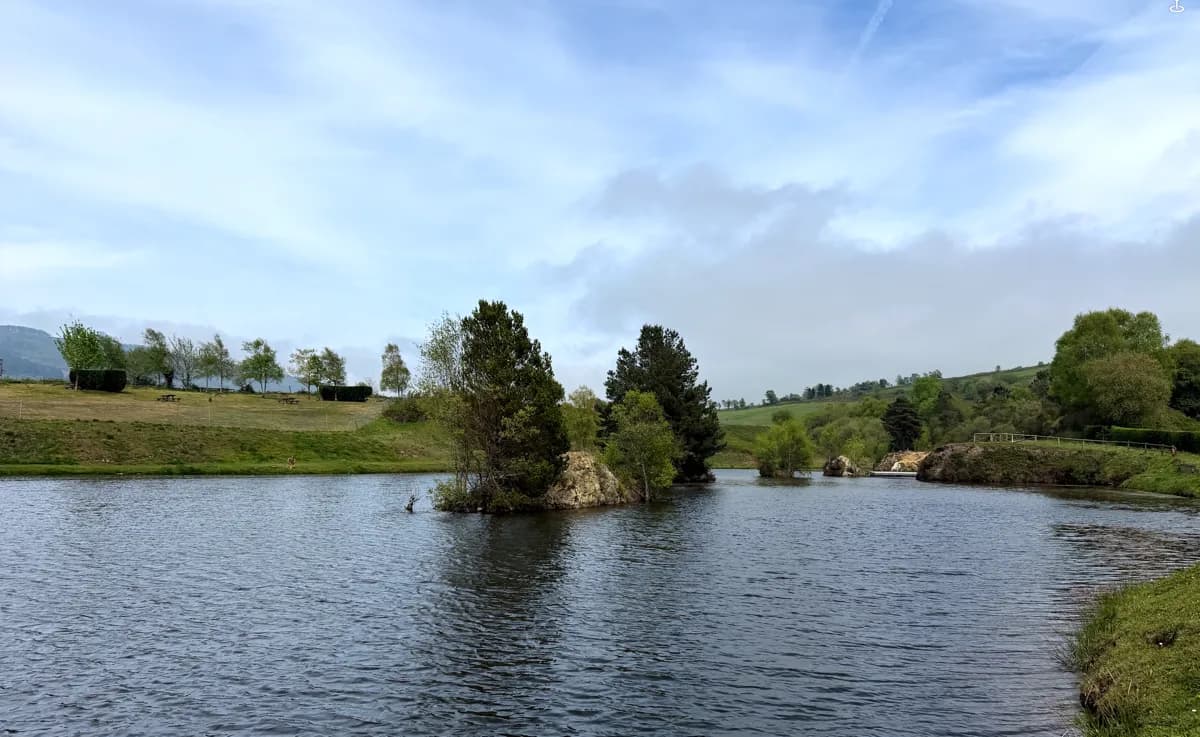
Know the fish first. How each quarry lives, feeds and takes, and what that means at the water.
The things you look up: hatches, flies, insects and the shape of the season.
Where to fish from the nearest big town, and what is worth the drive.
The river is the hero, not the app. · © 2026 Rise Daisy