Classic Wet Fly Swing
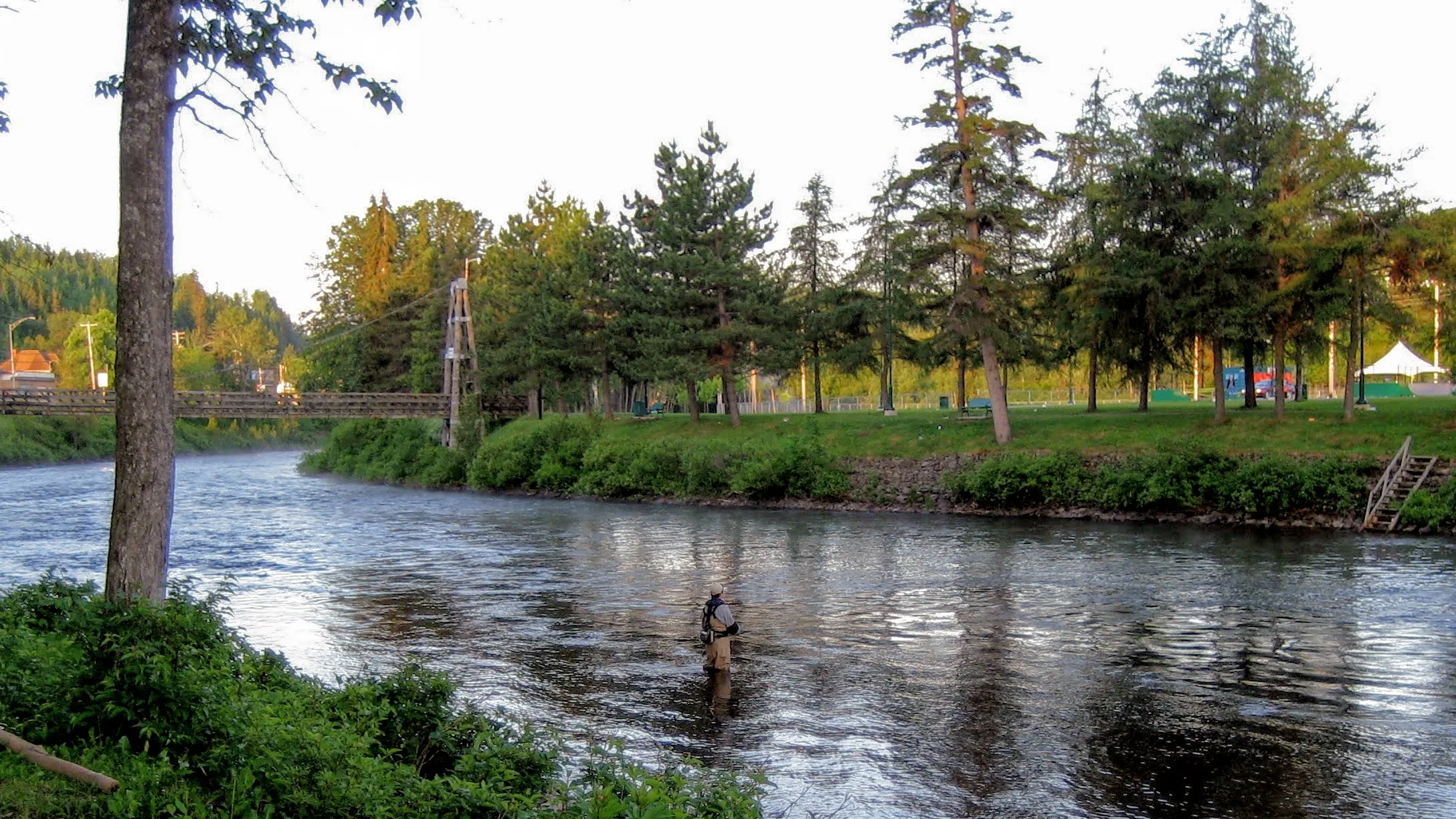
The across-and-down swing is the foundation of Atlantic salmon and sea trout fishing on moving water. Cast across the current, let the fly swing under tension, take a step downstream, and repeat. The method is simple. Executing it properly — reading the water, controlling the depth and speed of the fly, covering every fish in the pool — requires discipline and watercraft built over seasons.
When & Where
Use this method on any salmon or sea trout river with defined pools and a reasonable current. It is the standard approach from the opening of the salmon season through to its close. In spring, when fish lie deep in cold water, fish the swing with a sinking tip to get the fly down. In summer, as the water warms and fish move higher, switch to a floating line and a smaller fly fished near the surface.
Essential Gear
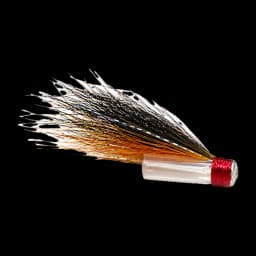
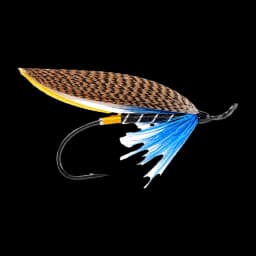
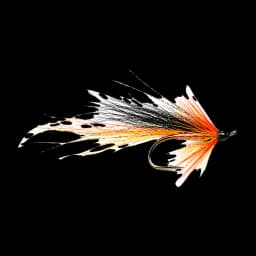
A 12 to 15-foot double-handed rod covers most salmon rivers. For sea trout and smaller rivers, a 10 to 11-foot single-handed rod or a light switch rod. Floating line for summer and low water; intermediate or sink-tip for spring and high water. Leader: 8 to 12 feet of 8 to 15lb nylon, depending on conditions and fly size. Flies: sizes 6 to 10 in summer (Stoat's Tail, Cascade, Willie Gunn), sizes 2 to 6 in spring (Collie Dog, Temple Dog), or tube flies of about one to three inches.
How It Works
Begin at the head of the pool. Cast across the current at roughly forty-five degrees. Mend upstream if necessary to control the speed of the swing — the fly should cross the current at a steady, unhurried pace. As the fly swings below you, let it hang in the current for several seconds before recasting. This is the dangle, and fish often take here. After each swing, take one step downstream — roughly three feet — and cast again. Cover every yard of the pool. When a fish takes, do not strike. Let the fish turn on the fly. The pull will set the hook.
Common Mistakes
Adjusting the Method
By season
Spring: heavy water, cold fish, sinking lines, large flies fished deep and slow. Summer: low warm water, floating lines, small flies, greased-line presentation. Autumn: a return to larger flies as fresh fish enter the system and water levels rise. The transition between these approaches is not sudden. Read the water temperature and height daily, and adjust.
By species
Atlantic salmon are the primary quarry. Sea trout in rivers take the swing on exactly the same method, often with smaller flies. On rivers where both species are present, the same pool coverage serves for both.
By water
This is the method of the Spey, the Tay, the Tweed, the Dee, and every Scottish salmon river. The Irish rivers — Moy, Blackwater, Erriff, Drowes — fish the same way. Welsh salmon rivers (Wye, Usk, Tywi) suit single-handed rods. On the Cantabrian rivers of northern Spain, the method applies with lighter tackle and in warmer conditions. Two-handed water throughout calls for Spey Casting — see the single and double Spey guide for the stroke itself. Rules to check: on most English and Welsh rivers every salmon caught before 16 June must be returned alive, and many Scottish and Irish rivers have their own catch-and-release or tagging rules. Many beats also ban treble hooks or require barbless hooks, so a single barbless hook is the safe default. See Fishing a River in Spate for how to fish each stage of a rising and falling river. See The Rules of the Water for the licence, close-season and beat-rule checks to make before you fish. See Catching and Releasing Fish Well for how to land, unhook and revive a fish, and when to stop fishing. See Sea Trout by Day and in the Estuary for how to fish for sea trout in daylight and on the tide.
More in Salmon & Sea Trout
The river is the hero, not the app. · © 2026 Rise Daisy