Indicator Nymphing
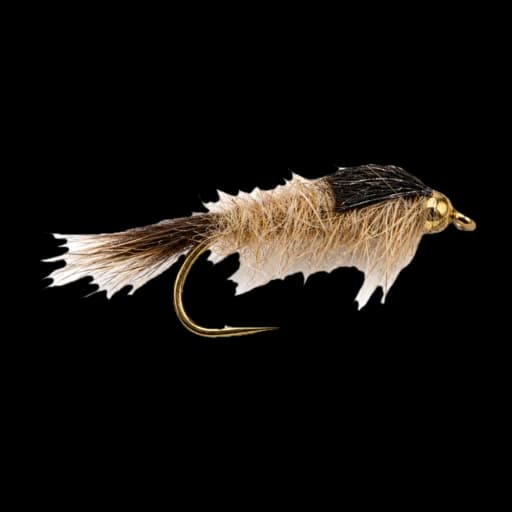
The indicator is a float by any other name, and there is no shame in that. It suspends your nymph at the right depth, it shows you takes you would otherwise miss, and it lets you cover water systematically while keeping your fly in the feeding zone. Purists may grumble, but the fish do not seem to mind.
When & Where
Indicator nymphing works wherever trout or grayling feed below the surface in water with enough flow to create a drift. Runs, riffles, pool heads and tails, and the deeper glides of freestone rivers are ideal. It is the method of choice when fish are not rising and you need to search water at depth. Less effective in very shallow or very fast, turbulent water, where tight-line methods have the advantage.
Essential Gear
A 9 to 10-foot rod in 4 or 5 weight. Floating line. Indicator: yarn, foam, small float, or a buoyant dry fly (New Zealand rig). Set the indicator at one and a half times the water depth. The nymph should bounce along the bottom, not sail above it. Below the indicator: a length of tippet to a weighted nymph, with a lighter dropper above. Tungsten-bead nymphs are standard.
How It Works
Set indicator depth to match the water. Cast upstream or up-and-across. Let the rig drift naturally. Mend upstream as needed — the indicator should travel at the current's speed, not faster. Watch the indicator. Any pause, dip, twitch, or sideways movement is a take. Lift the rod. Most nymph takes are subtle. You will miss more than you connect with. After each drift, reposition and cover new water.
Common Mistakes
Adjusting the Method
By season
Indicator nymphing is effective year-round. In cold water, slow everything down — use heavier nymphs to stay deep and expect softer takes. Spring and autumn are the prime months for subsurface feeding. In summer, when fish may be on emergers or dries, switch to lighter nymphs and a smaller indicator, or move to the dry fly when rises appear.
By species
Both trout and grayling respond well. Grayling tend to hold deeper and take more delicately — watch the indicator even more carefully. In stillwaters, indicator nymphing works for suspended buzzers beneath a bung — a variation of the same principle applied to stationary water.
By water
Universal across British and European rivers. The method is standard on northern English rivers, Welsh waters, and the freestone streams of Scotland. Many chalk-stream beats allow only a single dry fly, or permit nymphs only after a set date. A dry-and-dropper rig is a nymph rig and is banned wherever nymphs are, so read the beat rules before you rig up. See The Rules of the Water for the licence, close-season and beat-rule checks to make before you fish. See Leader Formulas for how to build a leader for the fly and the water.
More in Nymph
The river is the hero, not the app. · © 2026 Rise Daisy