Night Sea Trout
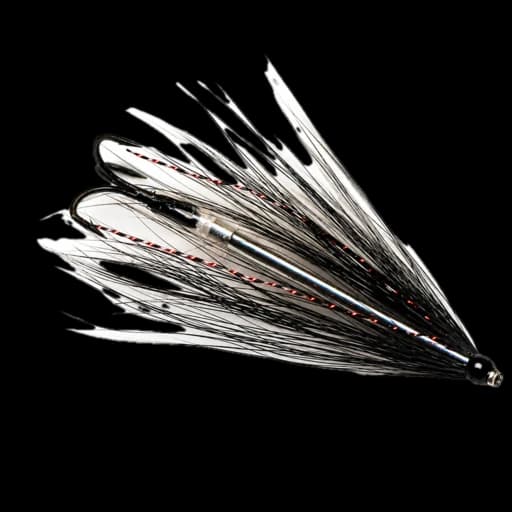
Fishing for sea trout at night is not a variation of daytime fishing. It is a different pursuit entirely. The fish that lay invisible and immovable through the day become active, aggressive, and vulnerable between dusk and dawn. Your task is to know the pool, to fish it methodically, and to resist the considerable temptation to rush. Patience and watercraft matter more than casting distance. The fish are there. They will find the fly.
When & Where
Night sea trout fishing is effective on British and Irish rivers from June through September, with the best sport typically in July and August. Water temperature above about 10°C is needed for consistent activity, and fishing improves as it warms. Choose pools you know well — you will fish them in darkness, and you must be able to wade, cast, and cover the water from memory. A warm, overcast night with a gentle downstream breeze is ideal. Bright moonlight makes fish cautious; heavy rain puts them down.
Essential Gear
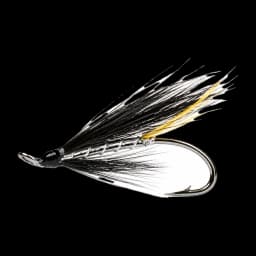
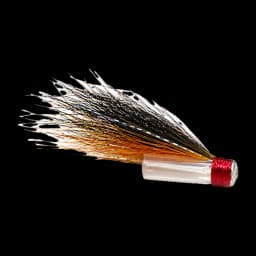
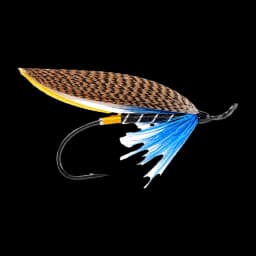
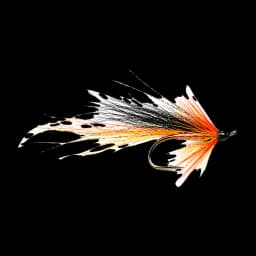
A 10 to 11-foot single-handed rod in 7 or 8 weight. The heavier line helps punch out casts in darkness. Floating line for the first session of the night and for pool tails; an intermediate for deeper pools and later in the darkness. Leader: 6 to 10 feet of 8 to 10lb nylon — strong enough to handle a fish at night without risk. Flies: a Medicine (size 8 or 10), a Silver Stoat, a Surface Lure, or a black-and-silver tube. Start small and work up as the night deepens.
How It Works
Arrive at the river before dusk. Walk the pools in daylight. Mark the wading line and the casting obstructions. As darkness falls, begin at the pool tail with a small fly on a floating line — a size 10 Medicine or similar. Cast a short line — ten to fifteen yards — across and slightly downstream. Let the fly swing under tension. Do not retrieve. At the end of the swing, let the fly hang for ten seconds. If nothing takes, extend line by a yard and repeat. Work through the pool systematically, covering every yard. When a fish takes, it will take during the swing. Do not strike. Drop the rod tip and let the fish turn. Tighten when you feel weight.
Common Mistakes
Adjusting the Method
By season
June brings the first consistently fishable nights as water temperatures pass about 10°C and keep rising. July and August are the peak months — the warmest nights, the most active fish, the greatest concentration of sea trout in the pools. September can produce excellent fishing, especially on rivers receiving late runs. By October, cooling water and shortening nights reduce nocturnal activity.
By species
Sea trout are the target. Brown trout occasionally take at night, particularly large fish that feed nocturnally. Salmon may also be encountered in pools where both species hold. Handle night-caught fish with extra care — barbless hooks and a torch kept dim reduce stress on the fish and preserve your night vision.
By water
The classic night sea trout rivers are in Wales (Tywi, Teifi, Dyfi, Dovey, Conwy), Cumbria (Esk, Irt, Duddon), and parts of the West Country (Torridge, Taw). Scottish sea trout rivers fish the same way. Irish rivers hold sea trout but night fishing is less established. On Cantabrian rivers in Spain, sea trout are daytime fish — the night-fishing approach does not apply there. Night fishing is not permitted on every river or beat, so check your permit and the byelaws. Never wade alone or without a lifejacket, tell someone where you are, and use a head torch on a low or red setting. Night salmon fishing is restricted on many rivers: if you hook a salmon where it is not allowed, release it carefully straight away. See The Rules of the Water for the licence, close-season and beat-rule checks to make before you fish. See Fishing the Sedge Hatch for how to fish the sedge, from the grannom to the evening hatch. See Sea Trout by Day and in the Estuary for how to fish for sea trout in daylight and on the tide.
More in Salmon & Sea Trout
The river is the hero, not the app. · © 2026 Rise Daisy