Dapping
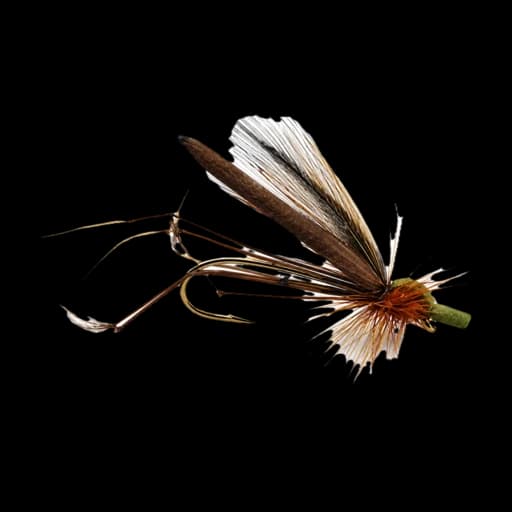
Dapping is the oldest form of fly fishing and the most theatrical. A large fly — or a natural insect, where permitted — is held on the surface by the wind, barely touching the water, dancing and twitching like something alive and about to escape. The fish comes up from below, often with a swirl that stops your heart, and takes the fly down. The whole enterprise relies on wind, patience, and a willingness to hold your rod arm up for longer than is comfortable.
When & Where
Dapping is a boat method for large stillwaters with enough wind to carry the blow line. Irish loughs — Corrib, Mask, Sheelin, Conn — are the spiritual home. Scottish lochs and some English reservoirs also fish well. The mayfly season (May–June) is the classic time, using live mayflies or large artificial patterns. Daddy-longlegs in August and September offer a second dapping season. The wind must be steady enough to hold the blow line aloft — force 3 to 5 is ideal.
Essential Gear
A long rod — 14 to 17 feet — specifically designed for dapping, or a salmon rod pressed into service. A floss blow line that catches the wind and carries the fly to the surface. A short leader — 3 to 6 feet — of strong nylon, and a large, bushy fly: a Green Drake, a Daddy, or a palmer-style pattern. If fishing with natural insects, the blow line and hook arrangement are simpler still. Safety afloat: wear a lifejacket at all times, tell someone your plan and when you expect to be back, and come ashore before the wind rises. Cold-water shock is a real risk even in summer.
How It Works
Set the boat to drift broadside with the wind. Pay out enough blow line that the wind holds it in a curve above the water. The fly should touch the surface, lift, touch again — imitating an insect struggling to take flight. Let the wind do the work. Do not drag the fly or hold it too firmly on the surface. When a fish rises to the fly, wait. The most important rule in dapping: do not strike until the fly has disappeared and you feel the weight of the fish. Striking at the rise is the universal error.
Common Mistakes
Adjusting the Method
By season
The mayfly dap in May and June is the great event of the Irish lough fishing calendar. Fish of all sizes — including specimen wild browns — come to the surface for the large naturals. The daddy-longlegs season in August and September offers a second window, often with less competition. Outside these peak periods, dapping with large palmer-style flies can still move fish.
By species
Wild brown trout are the primary quarry on Irish loughs and Scottish lochs. Salmon on Irish loughs will take a dapped mayfly with extraordinary aggression. Sea trout in loughs also respond, particularly to smaller dapped patterns in the evening.
By water
Dapping belongs to the Irish loughs — Corrib, Mask, Conn, Melvin, Sheelin — where it has been practised for centuries. Scottish lochs fish the same way, particularly in the Western Highlands and Islands. The method is less common in England and Wales but works on any large stillwater with sufficient wind. Check the fishery rules before dapping with natural insects, which fly-only waters do not allow. Salmon fishing in Ireland also needs a licence and a tag. See The Rules of the Water for the licence, close-season and beat-rule checks to make before you fish.
More in Traditional Lake & Loch
The river is the hero, not the app. · © 2026 Rise Daisy