French Nymphing
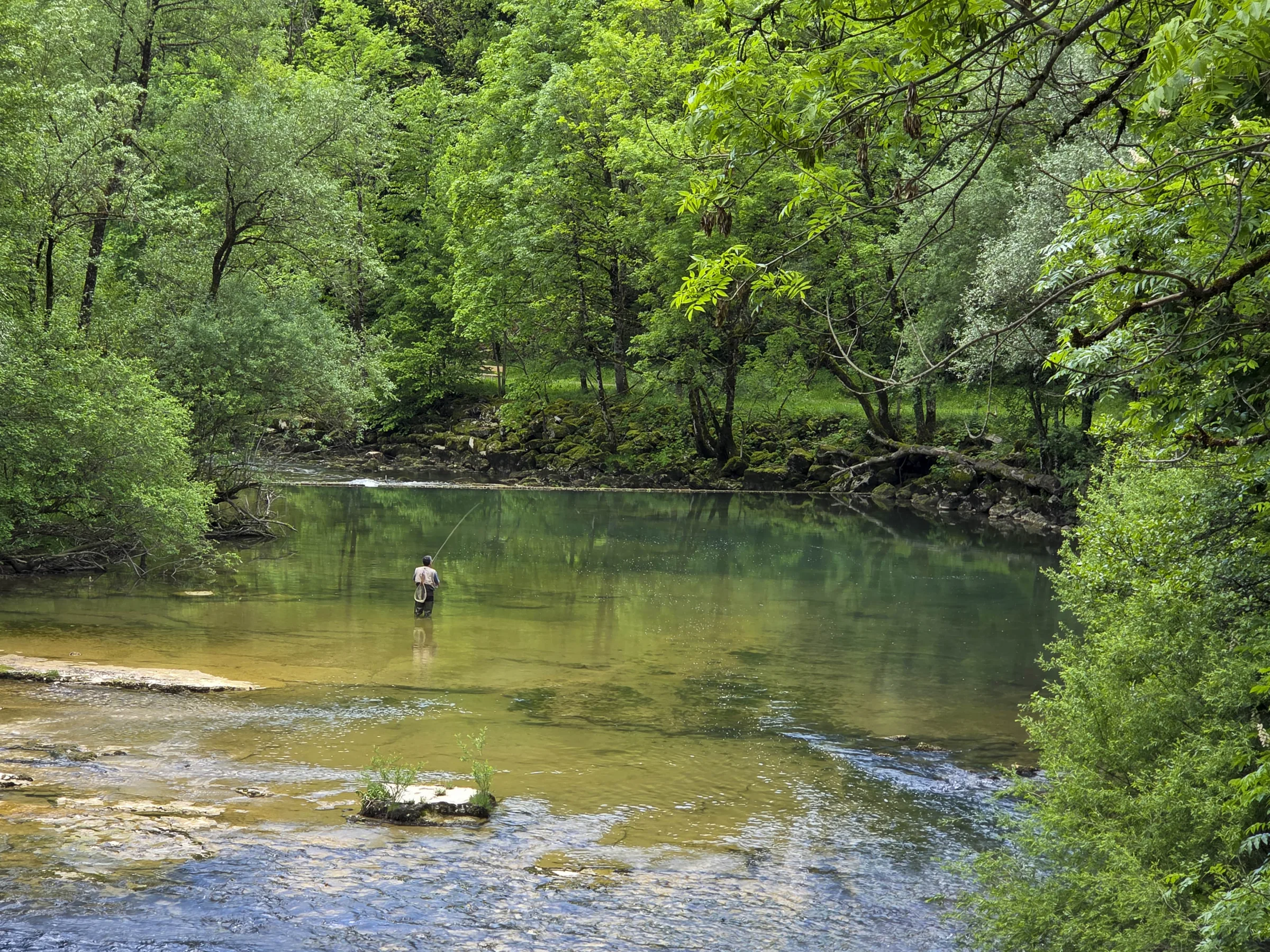
If Czech nymphing is a hammer, French nymphing is a scalpel. Long leader, fine tippet, lighter nymphs, and a reach that extends the method beyond rod-length into the kind of water where short-line techniques cannot go. The French developed this for their clear, technical rivers — the Loue, the Ain, the rivers of the Massif Central — and it has become the most versatile nymphing approach in European fly fishing.
When & Where
French nymphing shines in clear water with moderate flow: glides, runs, and the smoother stretches of freestone rivers. Where Czech nymphing demands heavy water and close range, French nymphing reaches further and fishes lighter. It is the method for clear-water trout and grayling that spook at close approach, and for rivers where the fish hold in mid-depth rather than hard on the bottom.
Essential Gear
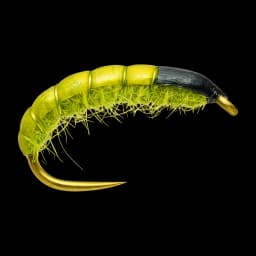
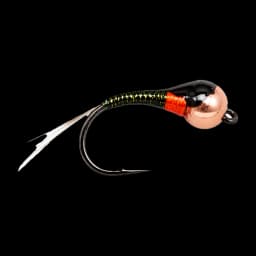
A 10 to 11-foot rod in 2 to 3 weight — lighter than the Czech rod, to handle the finer tippets and lighter nymphs. Leader length: 18 to 25 feet, built in sections of decreasing diameter with a coloured sighter. The leader is the casting tool — very little fly line leaves the tip ring. Tippet: 6x to 7x fluorocarbon. Nymphs: size 14 to 18, lightly weighted or with small tungsten beads. Perdigons, Pheasant Tails, and slim nymphs in natural colours.
How It Works
Cast upstream or up-and-across with a smooth, open loop — the long leader unrolls under its own weight. As the nymphs sink, track them with the rod held high, keeping the sighter visible above the water with no fly line on the surface. Maintain the lightest possible contact — just enough tension to transmit a take, not enough to pull the fly off its natural path. The sighter should drift naturally. Any hesitation, dip, or sideways movement in the sighter is a take. Lift smoothly and set the hook.
Common Mistakes
Adjusting the Method
By season
French nymphing excels from spring through autumn, when fish are feeding actively in mid-water. In cold water, it can still work but requires heavier nymphs and slower drift. The method comes alive during hatch periods, when ascending nymphs give fish a reason to look up and the lift at the end of the drift triggers takes.
By species
Grayling are the ideal quarry for French nymphing — their habit of shoaling in clear, moderate glides and taking small nymphs delicately suits the method perfectly. Brown trout on technical rivers respond equally well. On competition circuits across Europe, French nymphing is the method of choice for clear-water grayling fishing.
By water
Born on French rivers and now universal in European competition fishing. British rivers with clear, steady flows — the Eden, the Test, many Welsh rivers — suit it well. The method translates naturally to the limestone rivers of Slovenia, the Pyrenean streams, and any water where clarity and finesse matter more than depth. Check before you fish: many beats allow only a single fly, dry fly only, or no weighted flies, and some chalk streams restrict nymphs until a set date. A nymph on a dropper or a weighted fly breaks those rules, so read the beat rules first. See The Rules of the Water for the licence, close-season and beat-rule checks to make before you fish.
More in Euro Nymphing
The river is the hero, not the app. · © 2026 Rise Daisy