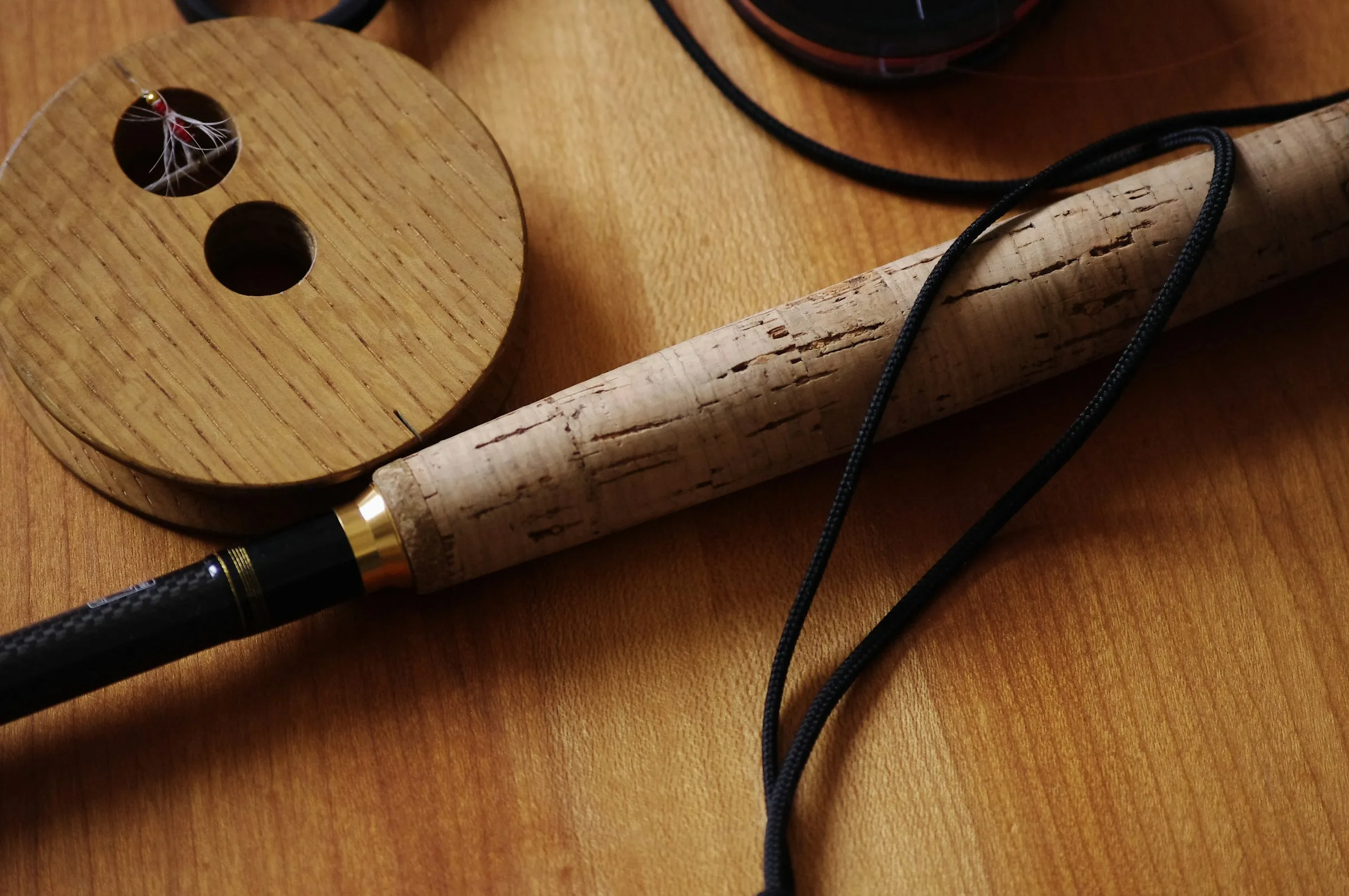
Tenkara
No reel. No fly line. Just a long rod, a length of tapered line tied to the tip, and a single fly. Tenkara strips fly fishing back to its essentials and, in doing so, reveals something about what was always important. On a small stream, with the rod held high and the fly drifting through a pocket of water no wider than a kitchen table, tenkara is as close as modern fly fishing gets to the pure act of presenting a fly to a fish.
When & Where
Tenkara excels on small to medium streams and rivers, where close-range accuracy and a drag-free drift matter more than casting distance. Overgrown banks, tight canopy, and the kind of water where a conventional back-cast would end in the trees — this is where tenkara thrives. It works equally well on open water but loses its advantage over conventional tackle on larger rivers where reach matters.
Essential Gear
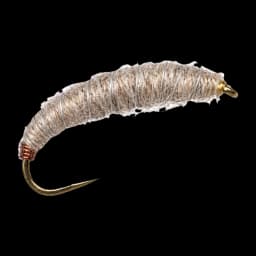
A tenkara rod: 11 to 13 feet, telescopic, extremely light. A tapered tenkara line or furled leader, tied directly to the rod tip — roughly the length of the rod plus a few feet. A tippet section of 4x to 6x, two to four feet long. One fly. Traditional tenkara uses a single reverse-hackle kebari, but any small wet fly, spider, or dry works. The simplicity is the point.
How It Works
Extend the rod and fix the line. The total reach from rod tip to fly is roughly 15 to 20 feet — this defines your fishing range. Approach from downstream, keeping low. Raise the rod and place the fly upstream of the target — a pocket, a seam, a small pool. The line stays off the water; only the tippet and fly touch the surface. Drift the fly naturally, or add a subtle pulse by lifting and lowering the rod tip. The direct connection means you feel every take instantly. Fish systematically upstream, covering each likely hold before moving on.
Common Mistakes
Adjusting the Method
By season
Tenkara fishes well from spring through autumn on small streams. Early season, when streams are full and fish are less wary, is a good time to learn. Summer offers the best conditions — low, clear water, fish holding in defined lies, and hatches that bring them to the surface. Autumn is beautiful on small streams and grayling respond readily.
By species
Wild brown trout in small streams are the natural quarry. Grayling in clear, smaller rivers take well on tenkara, especially with small spiders and nymphs. The method suits any trout or grayling water where the fish are within tenkara range.
By water
British small streams and becks are ideal tenkara water — the becks of the Lake District, the tributaries of Welsh and northern English rivers, the burns of Scotland. European mountain streams in the Pyrenees, Alps, and Apennines suit it perfectly. The method originated in Japan and carries that tradition of simplicity and respect for small water.
More in Specialist & Fixed Line
The river is the hero, not the app. · © 2026 Rise Daisy