Library
Read
Playbooks, reference, and reading for the pub.
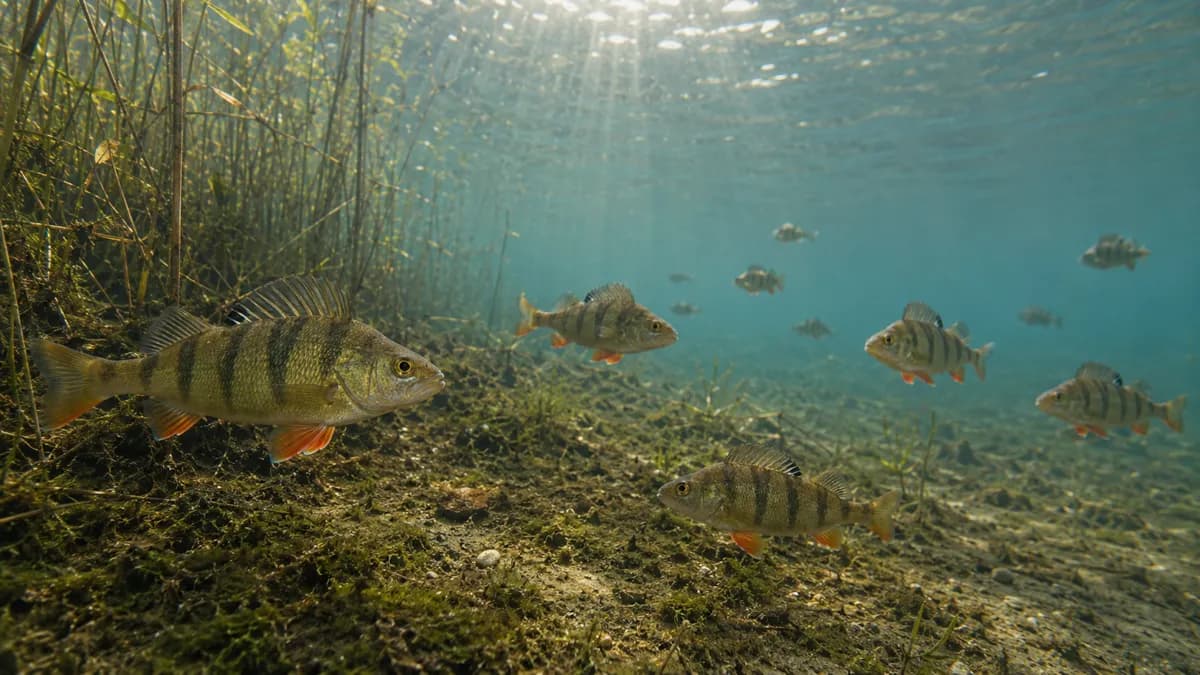
Perch on the Fly
The predator hiding under your local pontoon — micro Clousers, balanced leeches and mini muddlers. Three lanes, ten patterns, year-round fish.
What the river is asking for this week
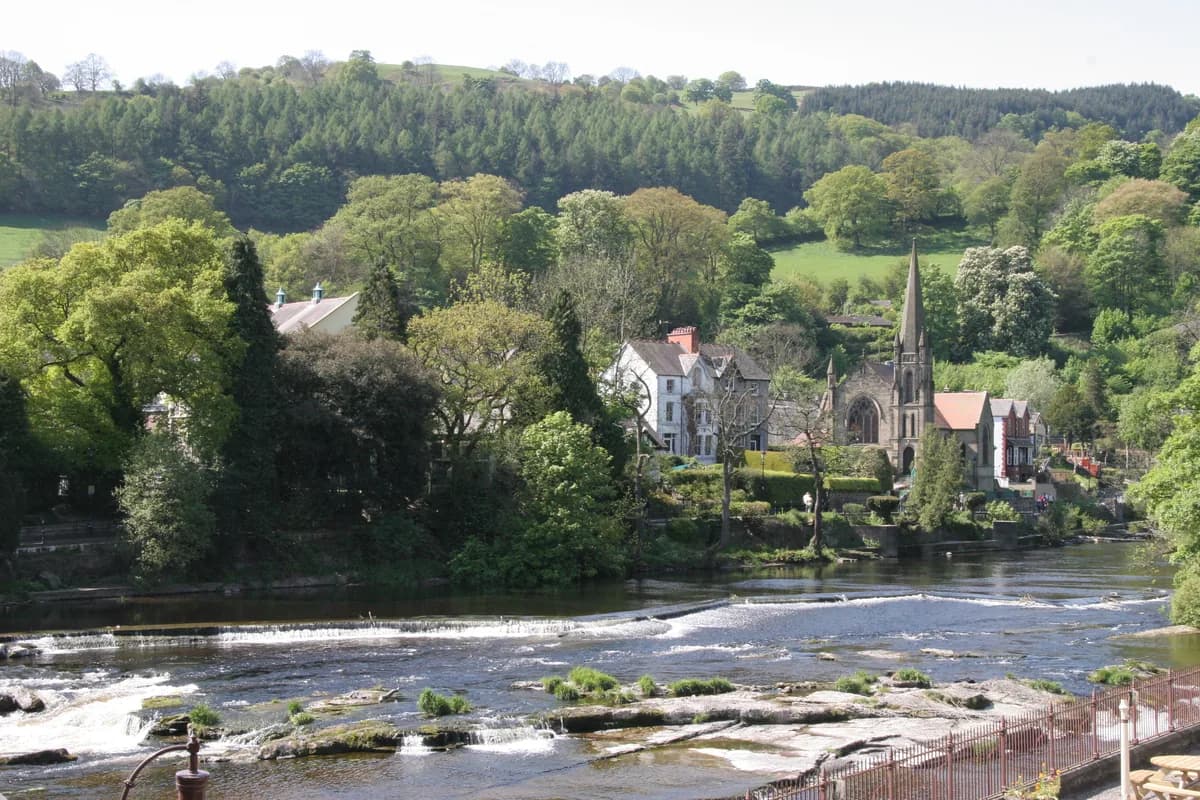
Fly Fishing Near Liverpool
The Welsh Dee at Llangollen for migratory fish and grayling, and the River Ribble at Ribchester and Clitheroe for day-ticket salmon and sea trout — the two best rivers within about an hour of Liverpool.
The Dee at Llangollen for migratory fish and famously good grayling. The Ribble at Ribchester or Clitheroe for one of England's best salmon and sea trout rivers.
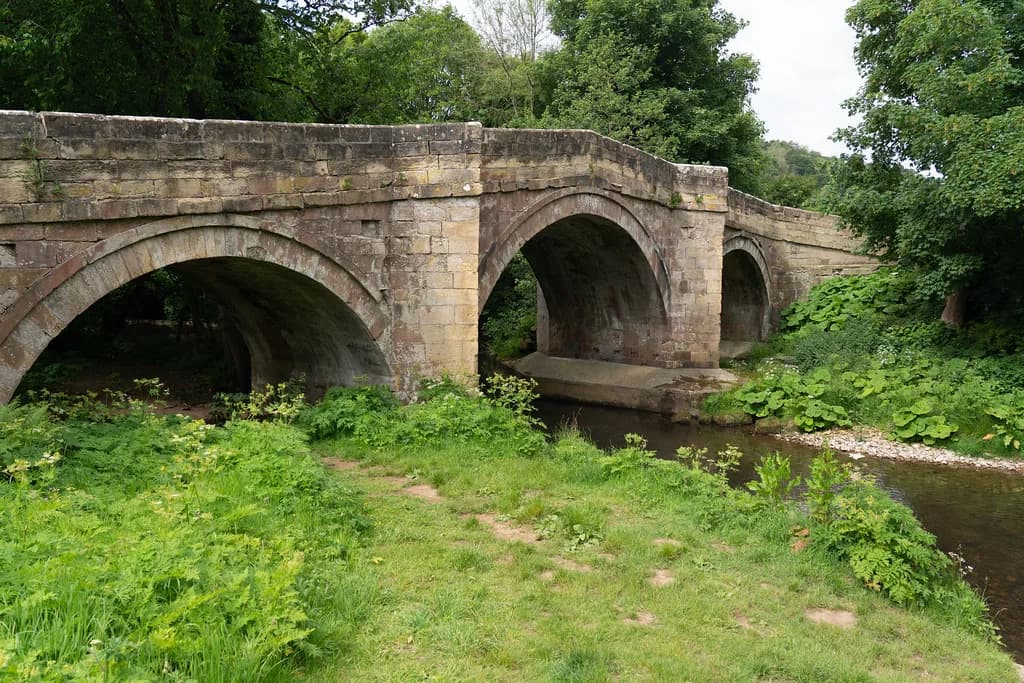
Fly Fishing Near York
The River Rye and North York Moors becks, through Ness Fly Fishers and Ryedale Anglers — York's own brown trout and grayling water, distinct from the Wharfe and Nidd covered in the Leeds guide.
The Rye for York's own quieter, moorland-edge water. The Wharfe and Nidd, in the Leeds guide, when the Dales side of the county is what's wanted.
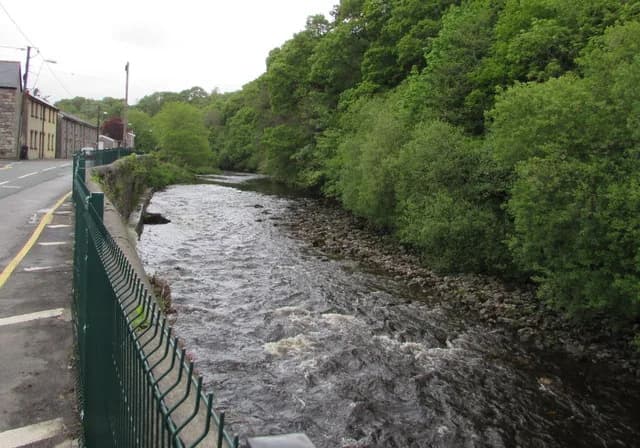
Fly Fishing Near Swansea
Free River Tawe town water, club water for salmon, sewin and brown trout through Pontardawe and Swansea Angling Society and Tawe & Tributaries Angling Association, plus the wider Loughor, Afan, Neath and Amman cluster — all within half an hour of Swansea.
The free Tawe stretch for the no-permit start. Club water above it for the real river. The wider valleys cluster when you want to see what else is holding fish.
Fly Fishing Near Inverness
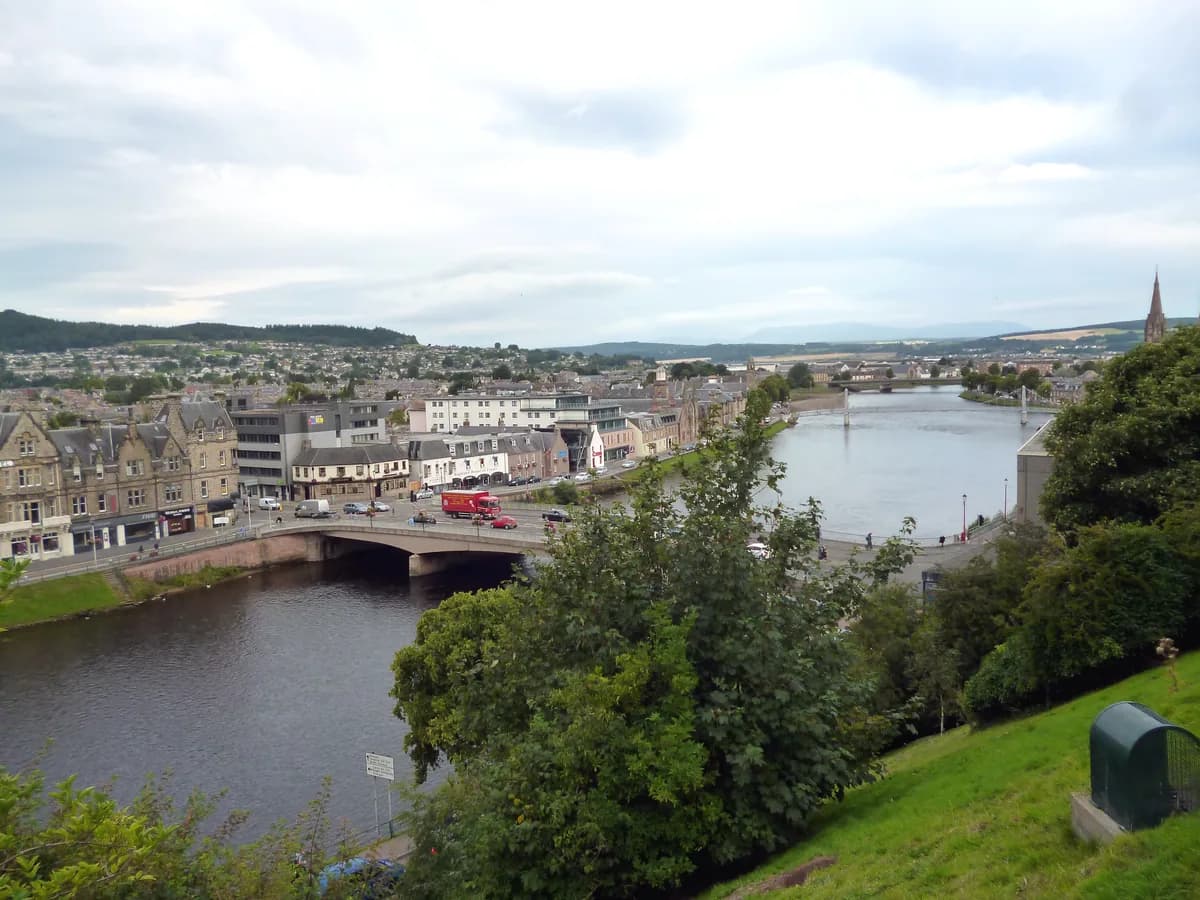
River Ness salmon fishing through Inverness Angling Club, the Beauly and Conon a short drive further, and the Findhorn and Spey within reach — one of the great concentrations of Highland salmon rivers anywhere.
The Ness for the in-city start. The Beauly and Conon for accessible club water a short drive further. The Findhorn and Spey for one of Scotland's truly great rivers.
Fly Fishing Near Southampton
Free River Itchen town water in Winchester, Test day tickets at Bossington and Broadlands, and Avington Trout Fishery for the easier day — access to two of the world's most famous chalk streams within half an hour of Southampton.
Winchester's free Itchen water for the no-cost start. Bossington for the real Test experience. And the mayfly, if you can get on the water for it, is worth planning a year around.
Fly Fishing Near Nottingham
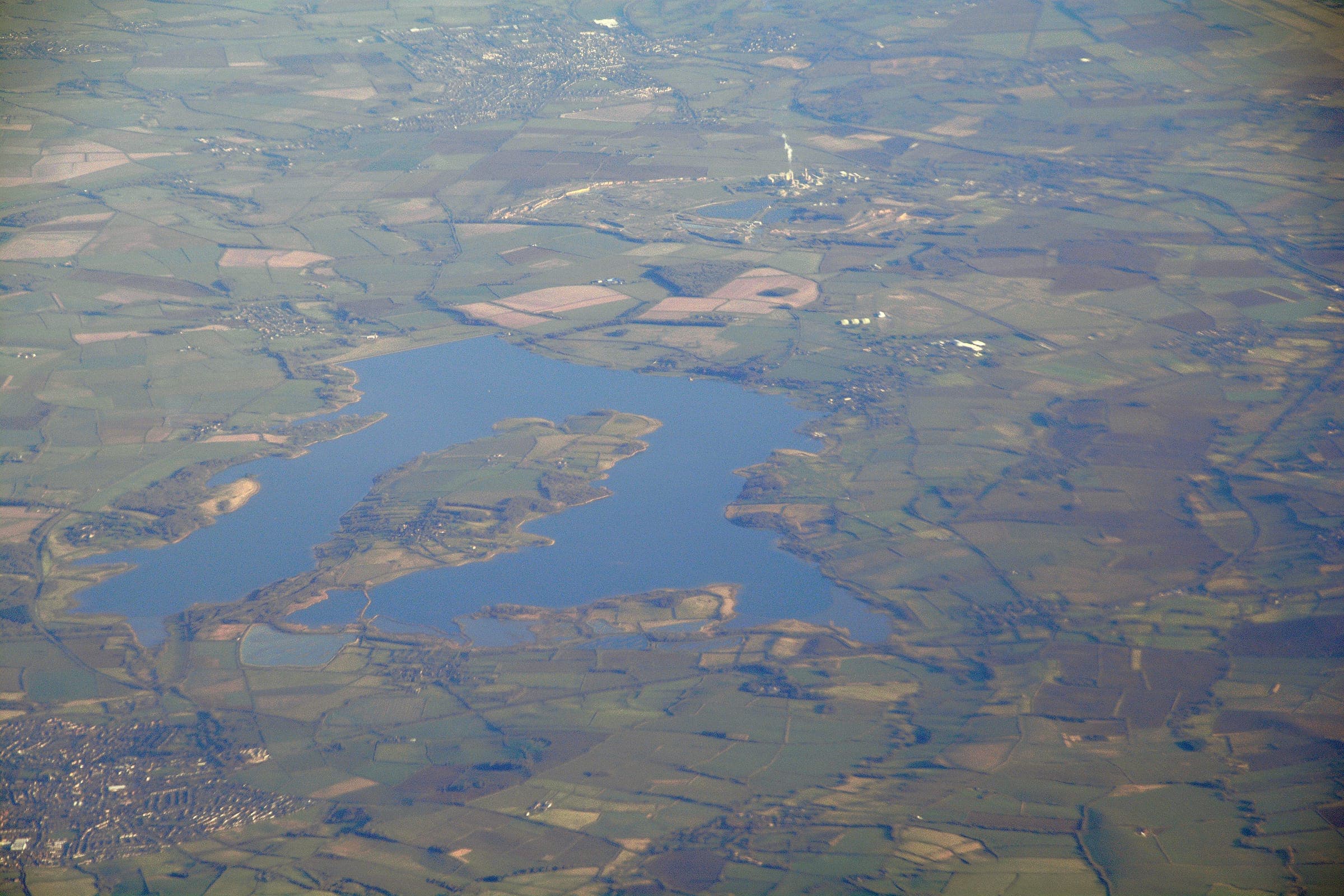
Rutland Water's genuinely open reservoir trout fishing, and the historic Derbyshire Wye and Dove — fished and written about by Izaak Walton — within an hour of Nottingham.
Rutland Water for the genuinely open, excellent day. The Wye or Dove, via a hotel stay, for fishing on water with real history behind it.
A few you might not have seen
Coarse Fish on the Fly
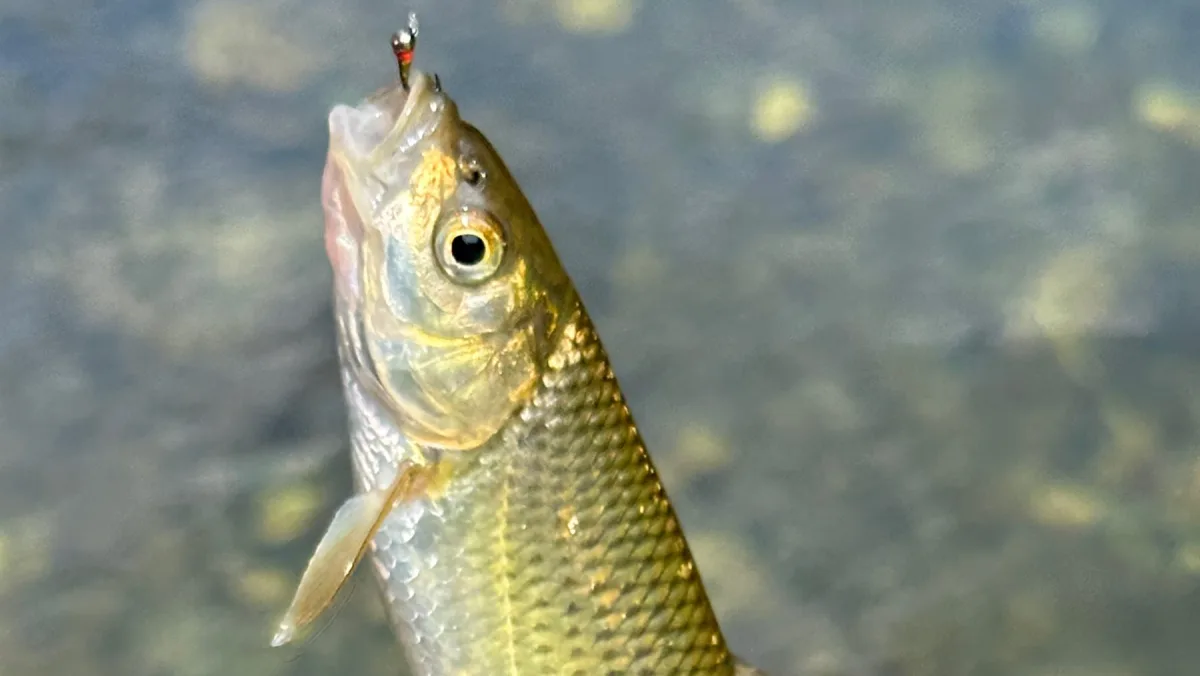
Chub, perch, carp, pike — the same entomology, closer water, and fights that make you reconsider your tackle.
Fly Fishing Near Cardiff
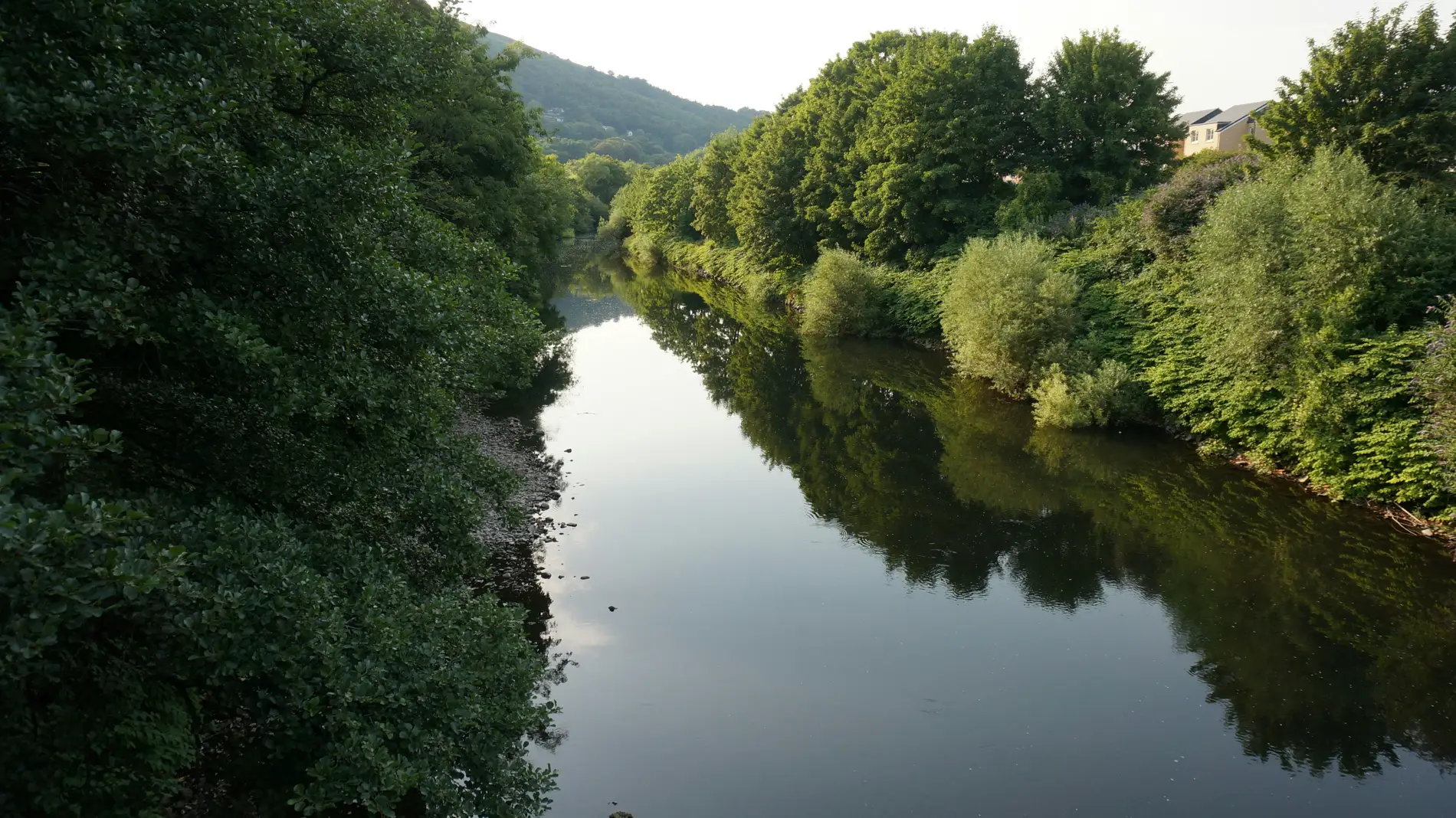
Winter grayling on the Taff inside the city, wild trout up the valleys, Llandegfedd for the stocked stillwater day, and the River Usk — the best wild-trout trip within reach of any Welsh city.
Taff for grayling all winter. Upper Taff for wild trout. Llandegfedd for the easy day. Usk when it matters most.
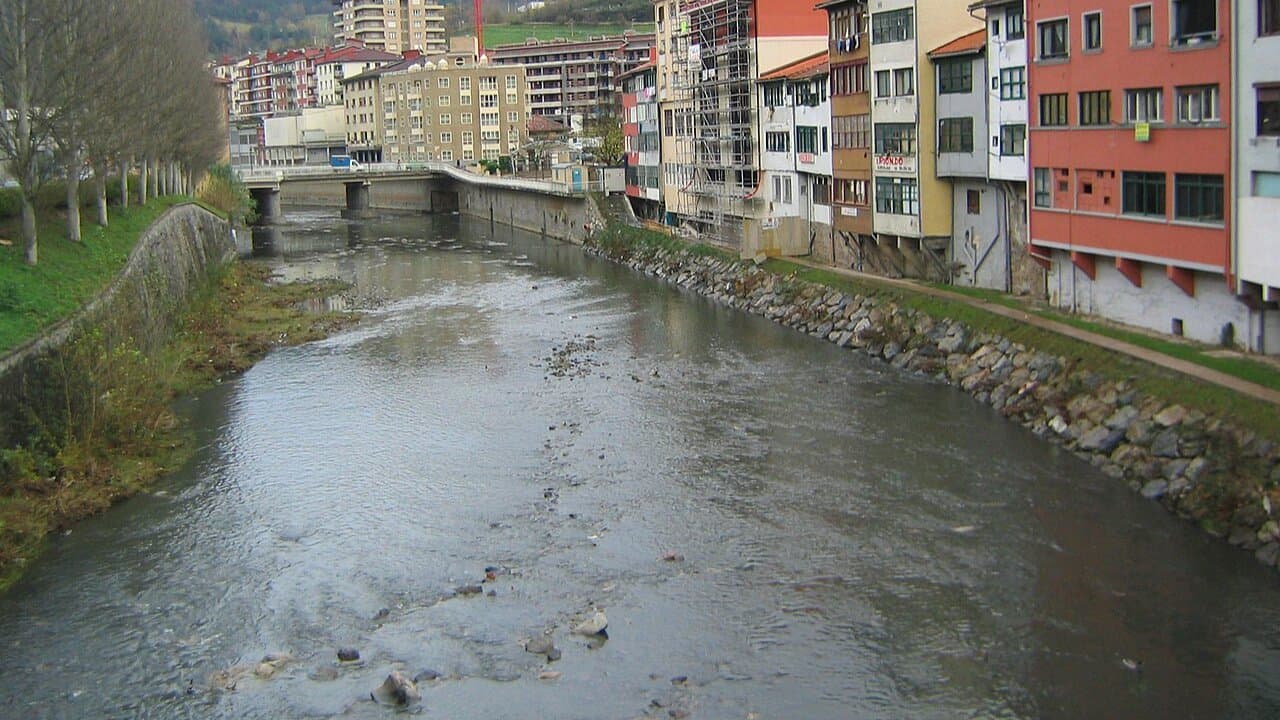
Fly Fishing Near Bilbao
Salmon and sea trout on the Artibai and Deba, Basque coastal rivers under a single fluvial fishing licence covering Álava, Gipuzkoa and Bizkaia — within about 40 minutes of Bilbao.
The Artibai and Deba for a quieter, less internationally known slice of Basque coast salmon and sea trout fishing.
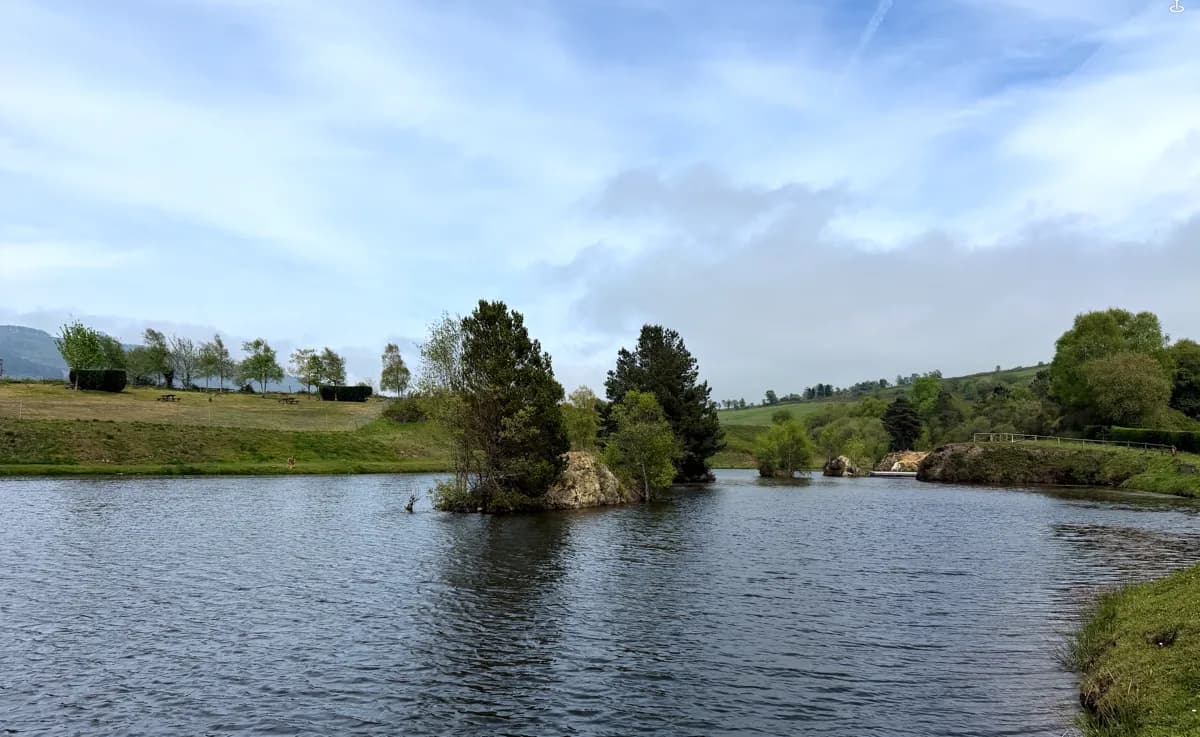
Small Stillwaters
Five to fifteen acres of honest water — find the feeding depth, then stay in it.
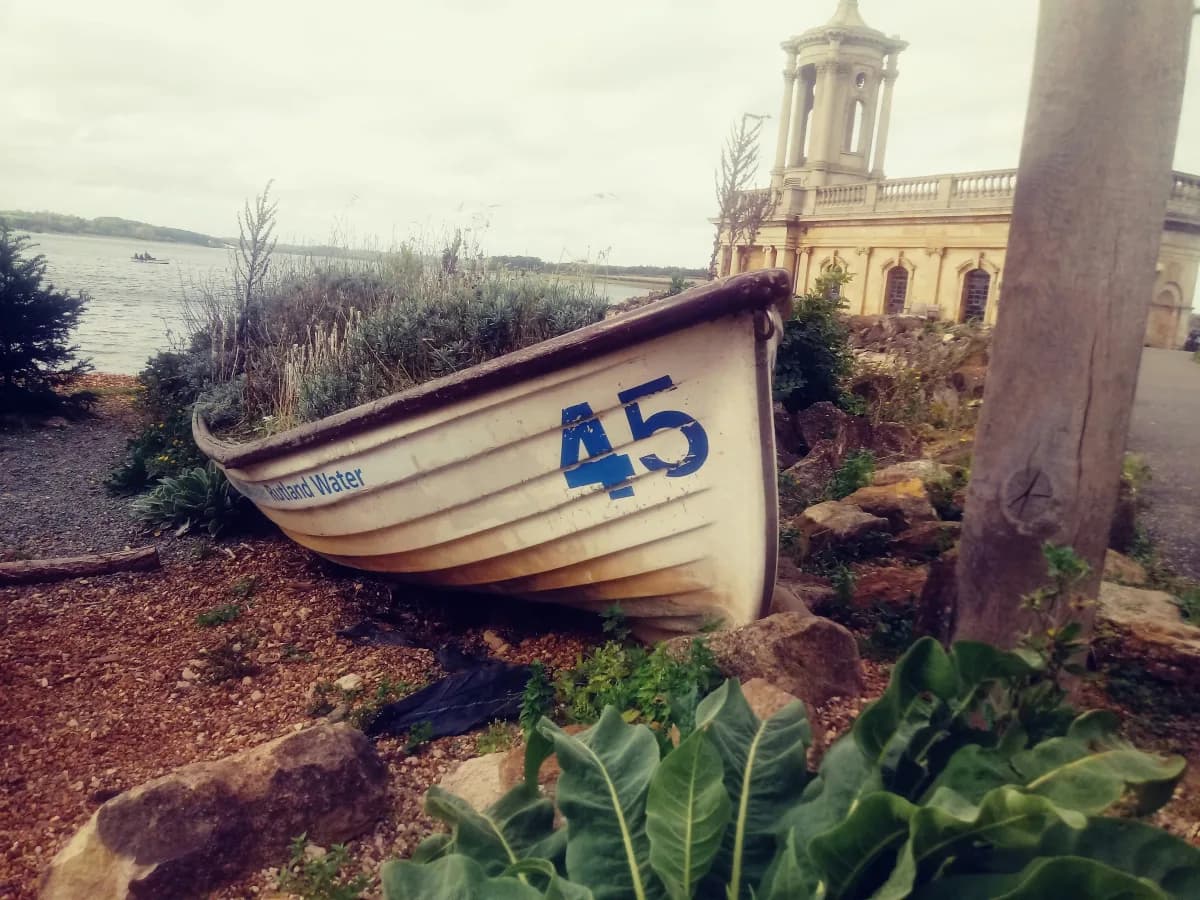
The Big Water
Grafham, Rutland, Blagdon — where the wind decides everything and the boat angler who reads it properly catches fish.
Wind is king — fish where wind meets structure
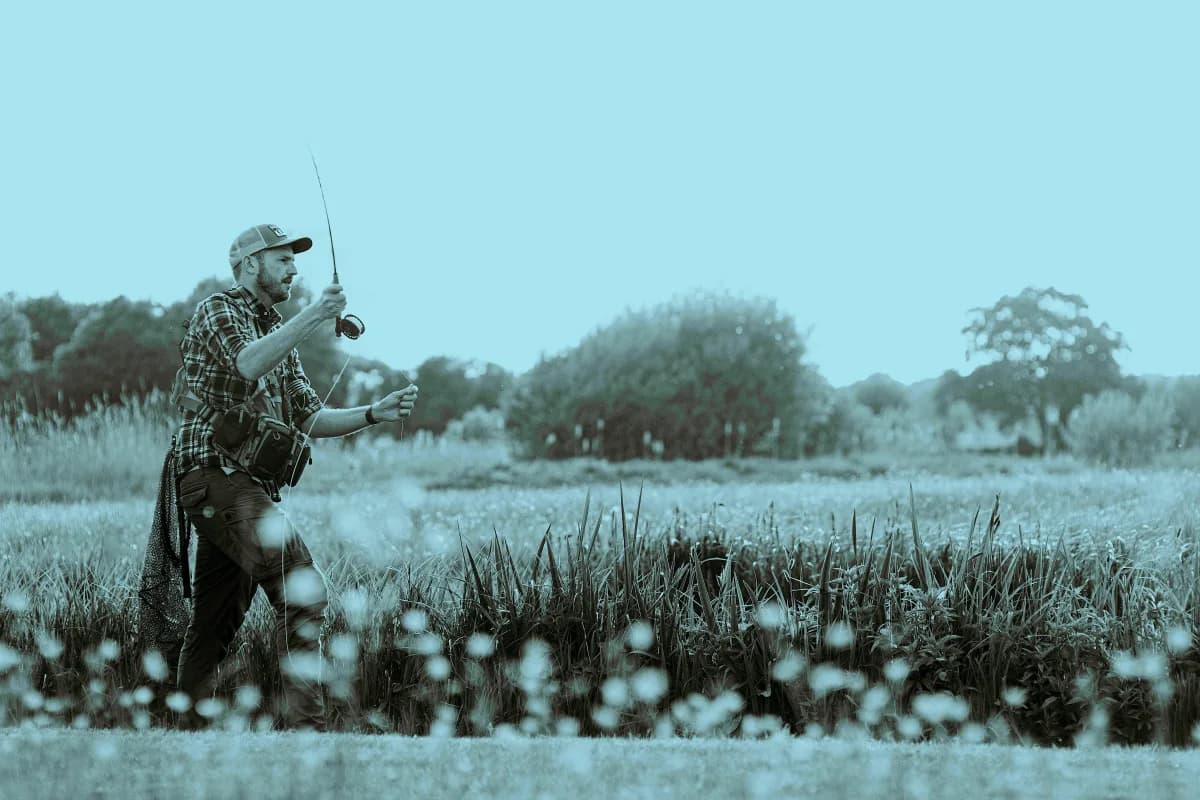
Chalkstreams
Crystal water, educated trout, and the hundred-year argument between Halford and Skues that nobody has won yet.
Upstream, zero drag, twenty-foot leaders
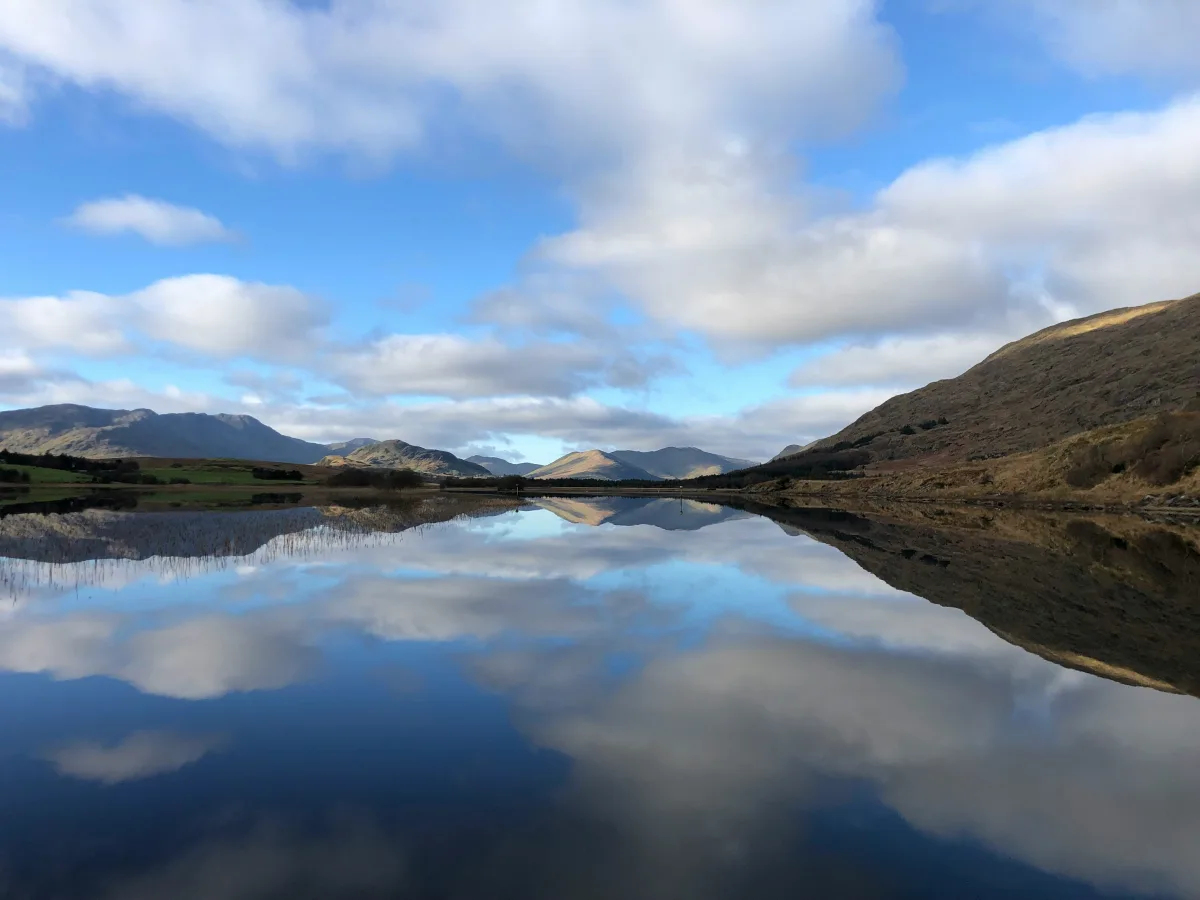
Irish Loughs
Corrib, Mask, Derg — the wet-fly drift, the dap, and the particular joy of a wild trout in the wave.
Wet-fly team on the drift. Lift, don't strip.
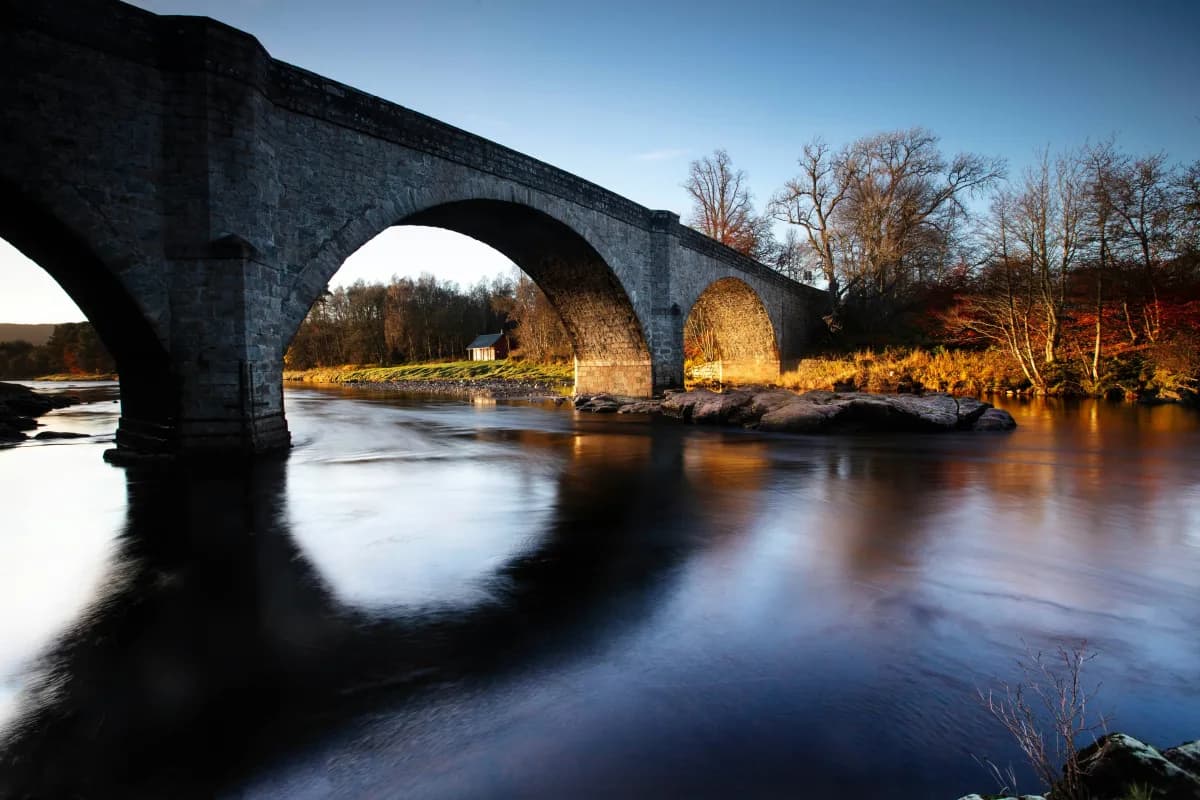
Scottish Lochs & Rivers
Big lochs that fish like seas, hill lochs the size of a field, and freestone rivers full of wild browns that don't read magazines.
Big lochs: wet-fly team. Hill lochs: stealth. Rivers: dry fly.
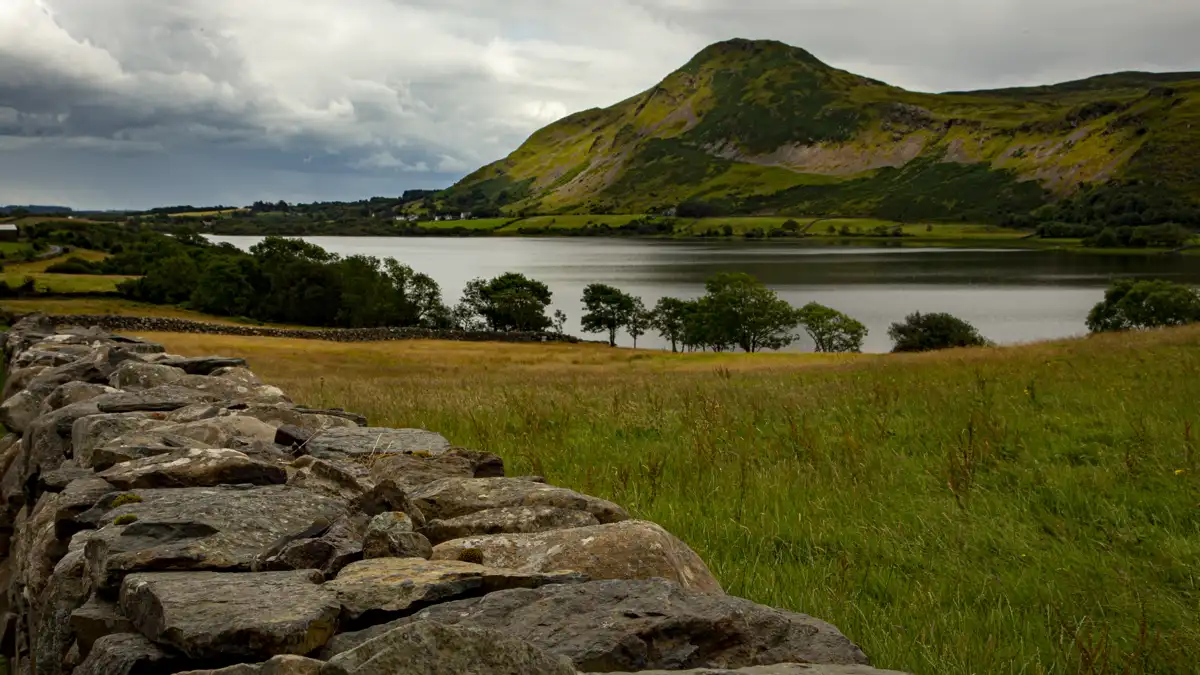
Connemara
Atlantic Ireland at its wildest — brown trout on the loughs and silver sea trout that, unlike their British cousins, oblige in daylight.
Sea trout on loughs: DAYTIME. On rivers: night.
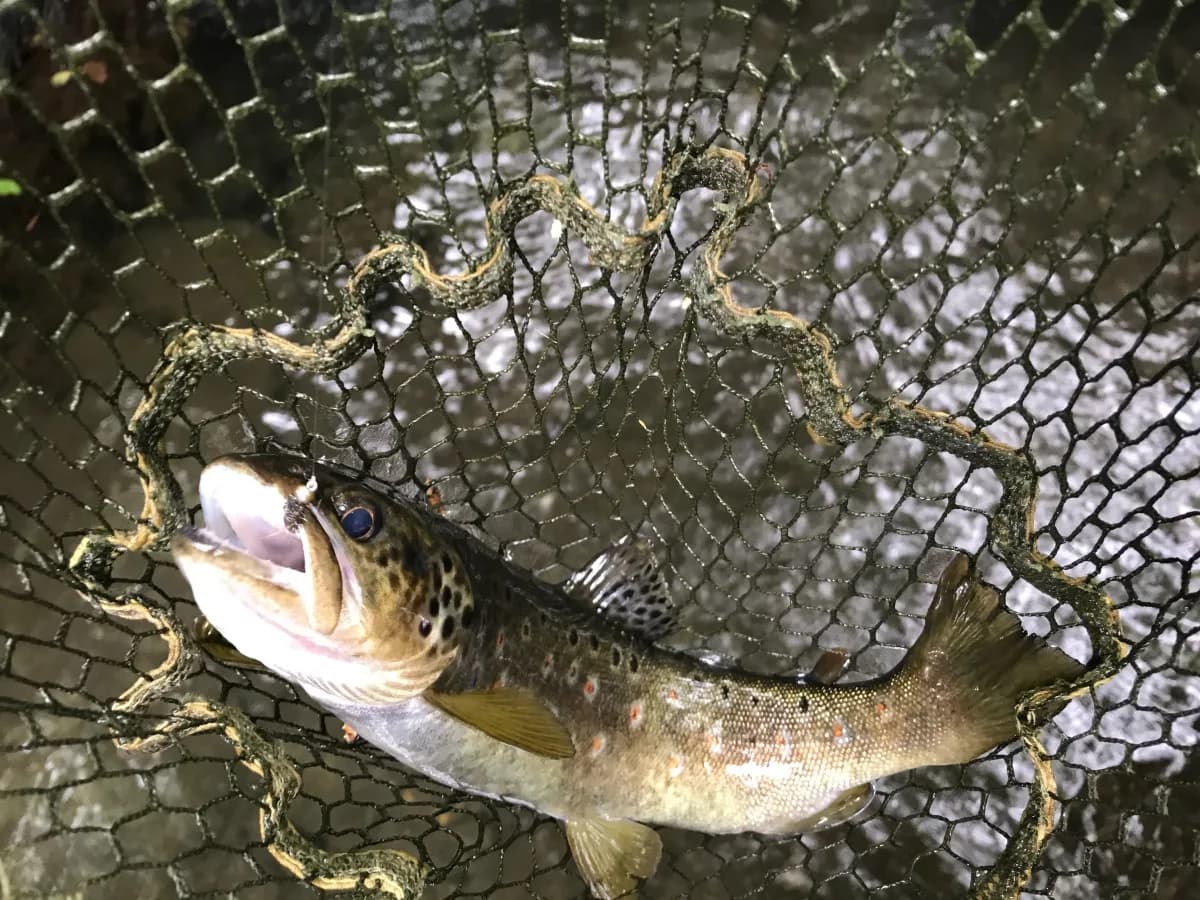
The Pyrenees
Wild brown trout from snowmelt torrents to gin-clear foothill rivers — French parcours in summer, Spanish trophy water in autumn.
French parcours no-kill. Spanish trophy autumn.
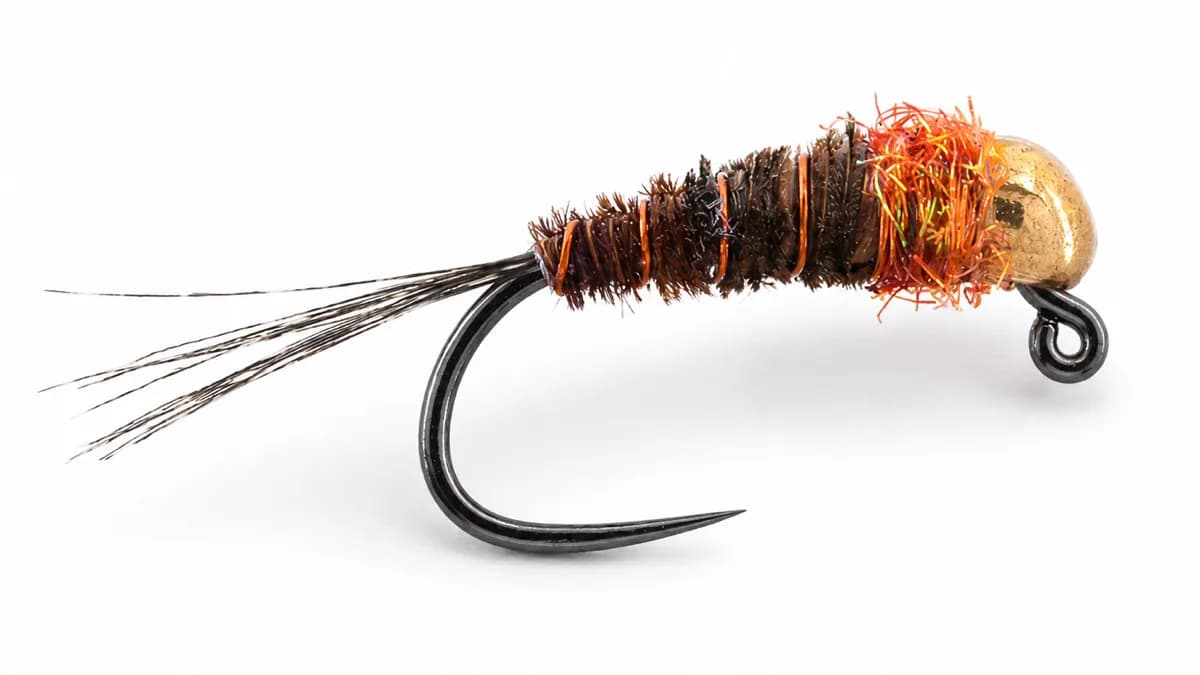
Alpine Streams
Cold, fast, and stonefly-rich — the mountain streams where the trout diet is seventy per cent aquatic insects and the Euro nymph was born.
EPT dominance: 70% of diet. Euro nymph, heavy point.
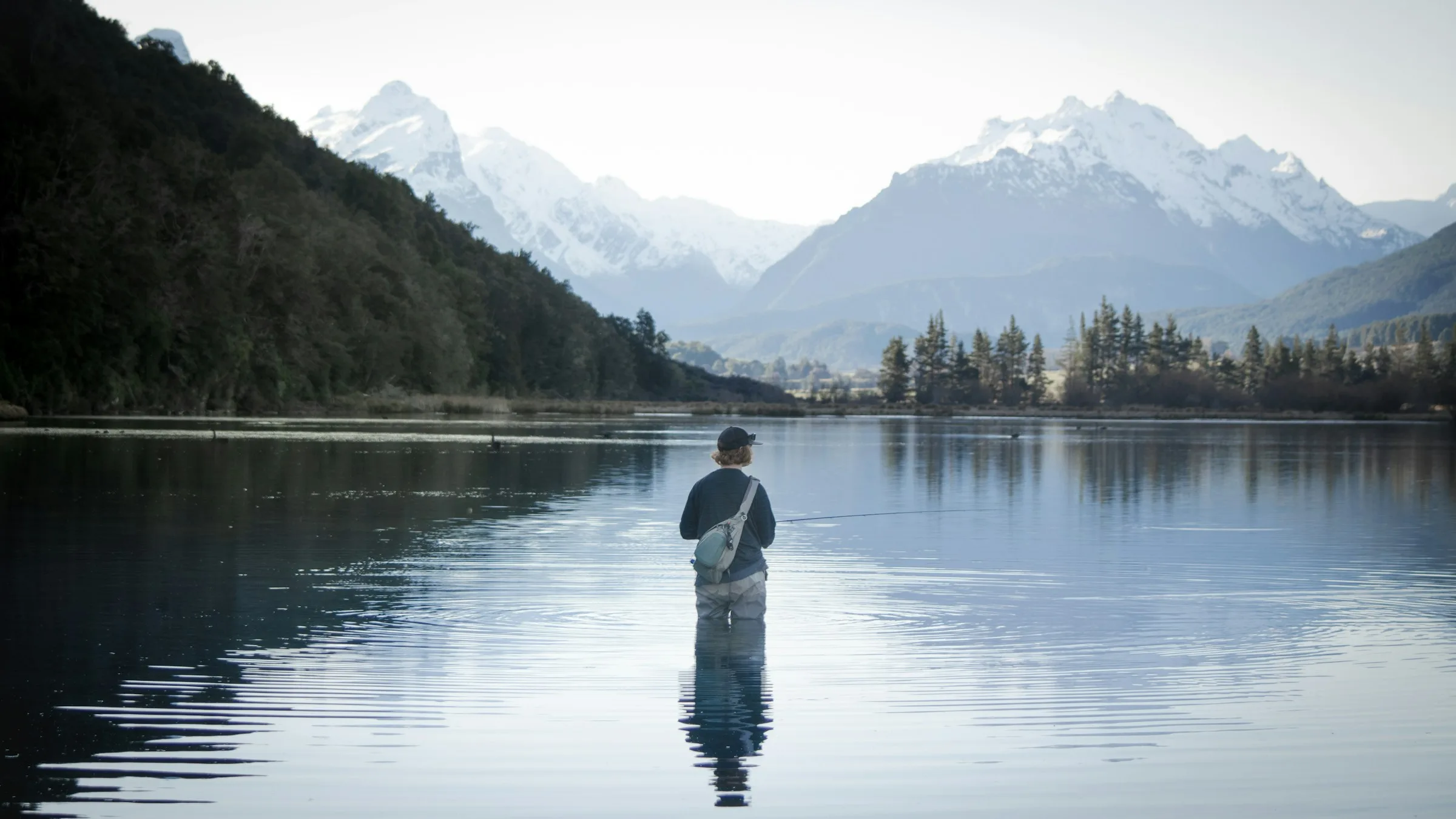
Fly Fishing in New Zealand
Not a checklist of famous rivers, but a country read as a set of fishing problems — Taupō rainbows, South Island sight fishing, West Coast spate rivers, Canterbury braids.
Two authorities (DOC for Taupō). Fish the conditions. Check, Clean, Dry.
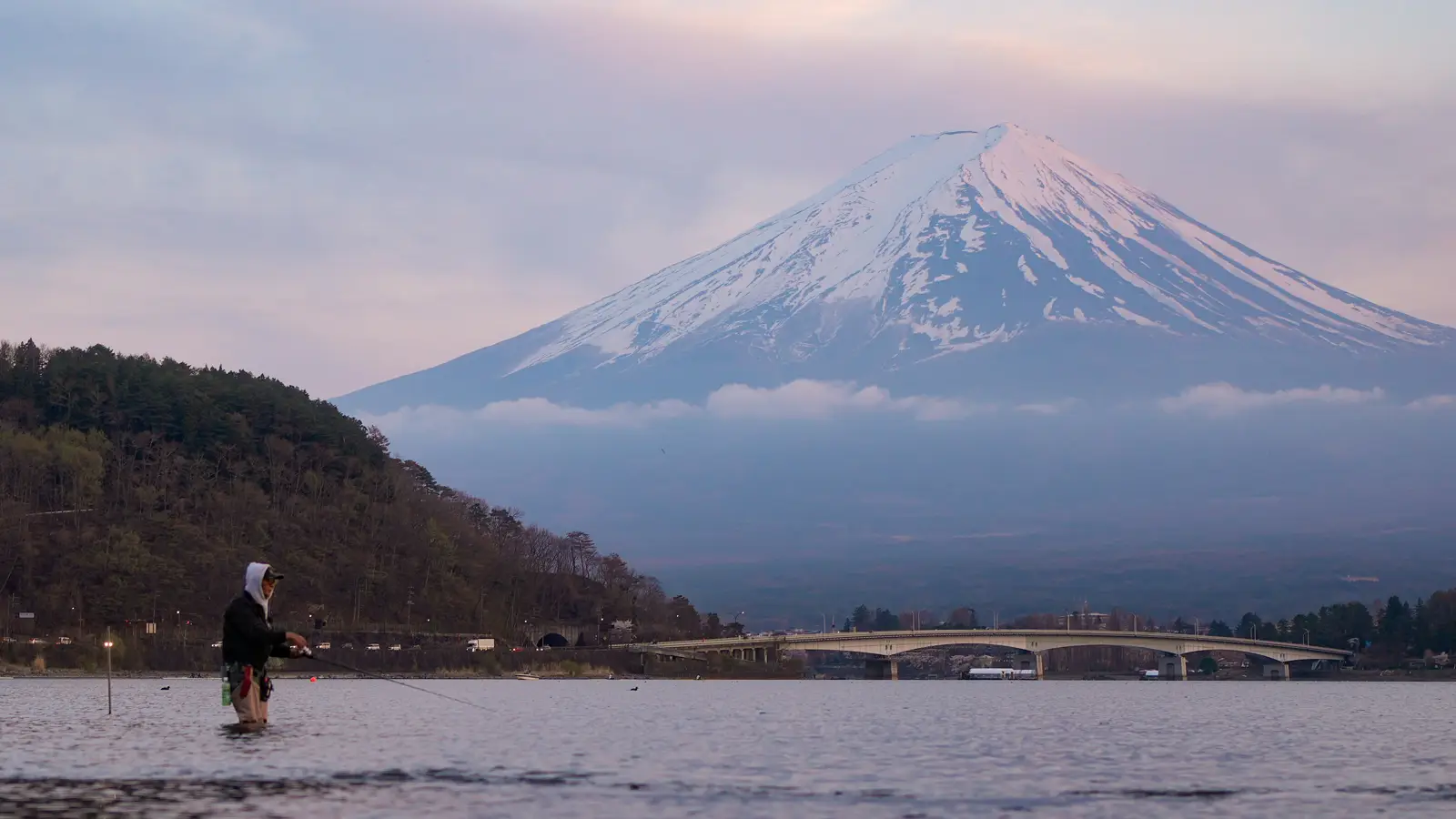
Fly Fishing in Japan
Native yamame, amago and iwana in mountain streams, white-spotted char in volcanic Hokkaidō lakes, tenkara on the fixed line, and the great Sakhalin taimen handled with the restraint a rare fish deserves.
Honshū: co-op yūgyoken, closes ~30 Sep. Hokkaidō: largely open, spring & autumn. Tenkara up high; Itou is conservation-first C&R.
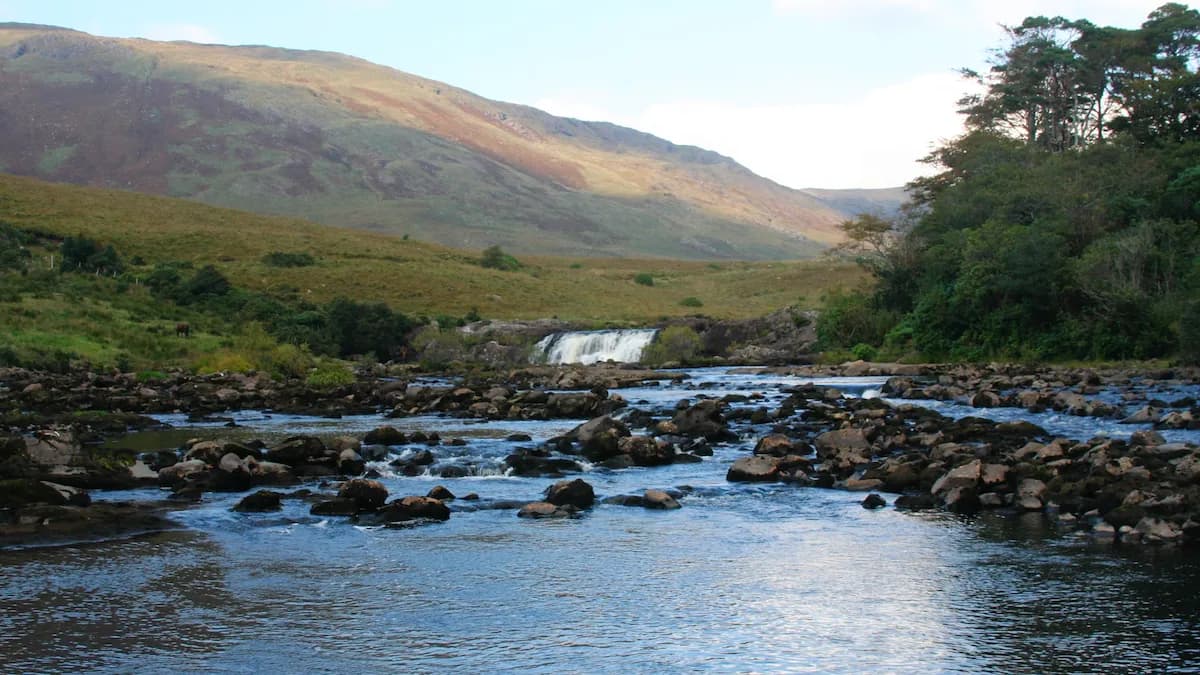
Irish Salmon Rivers
The Moy for value, the Blackwater for low water, and Galway Weir for the kind of drama that ruins you for ordinary fishing.
Moy for value. Blackwater for low water. Galway for drama.
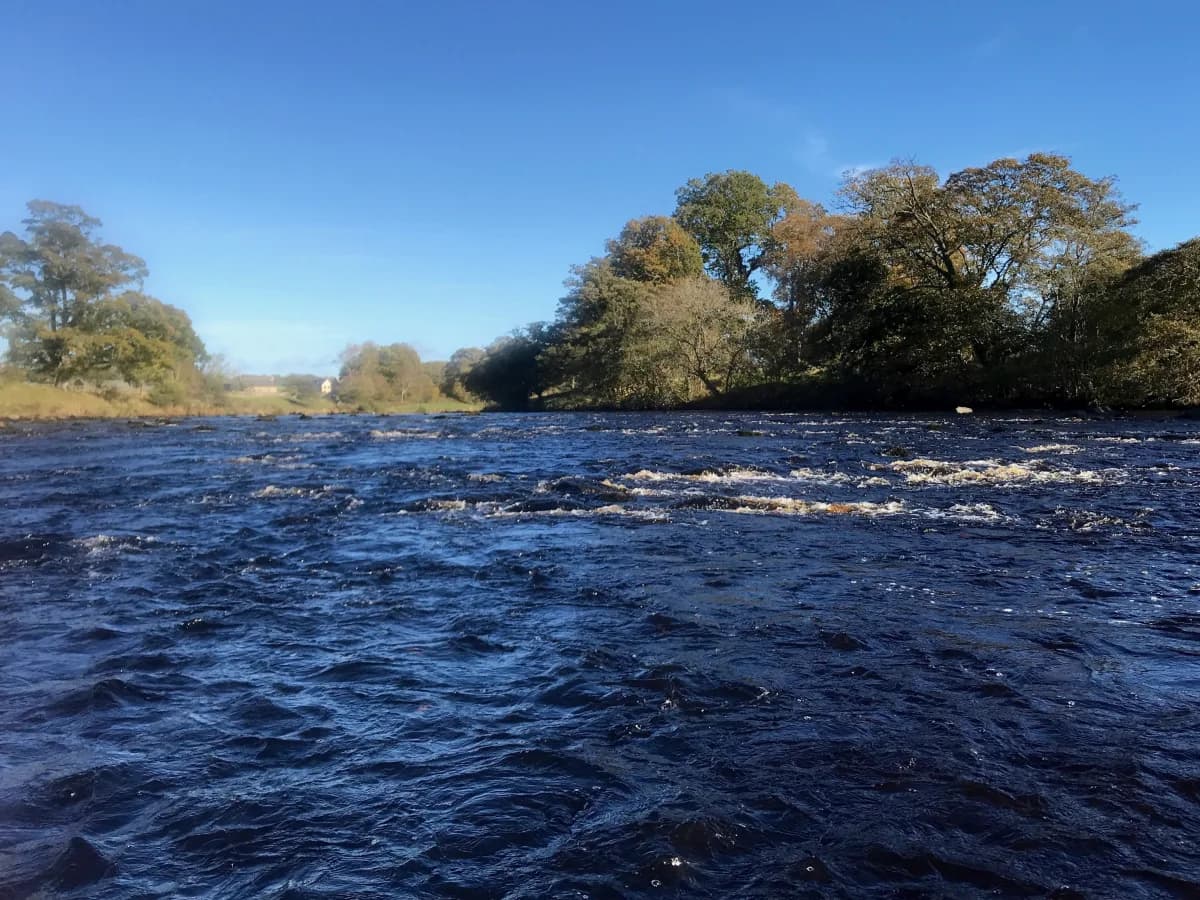
Atlantic Salmon
A fish that does not feed, yet takes a fly. The swing, the take, and the discipline to do neither too much nor too little.
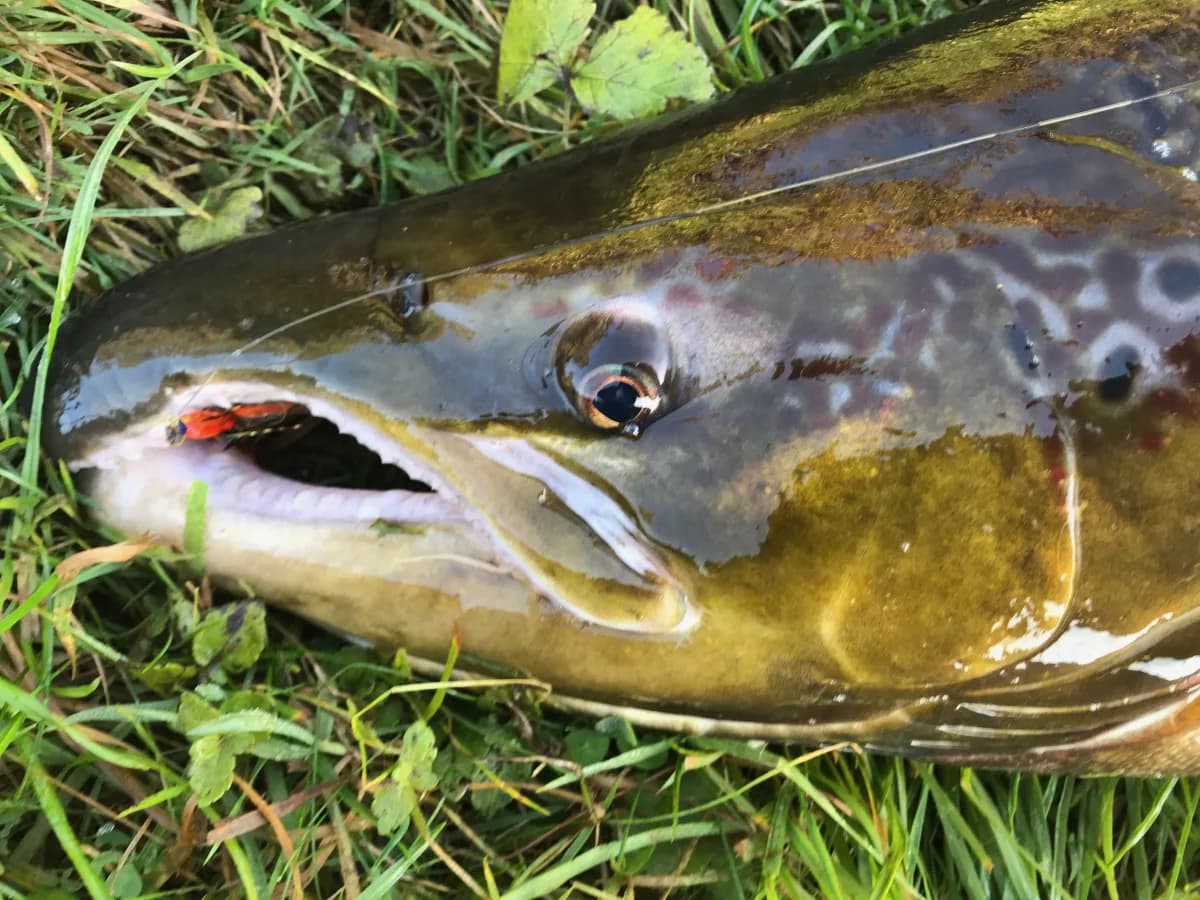
Salmon: The Long Decline
From Victorian excess to Megan Boyd's minimalism to the conservation crisis that now defines the pursuit.
Victorian excess → Boyd minimalism → modern tubes
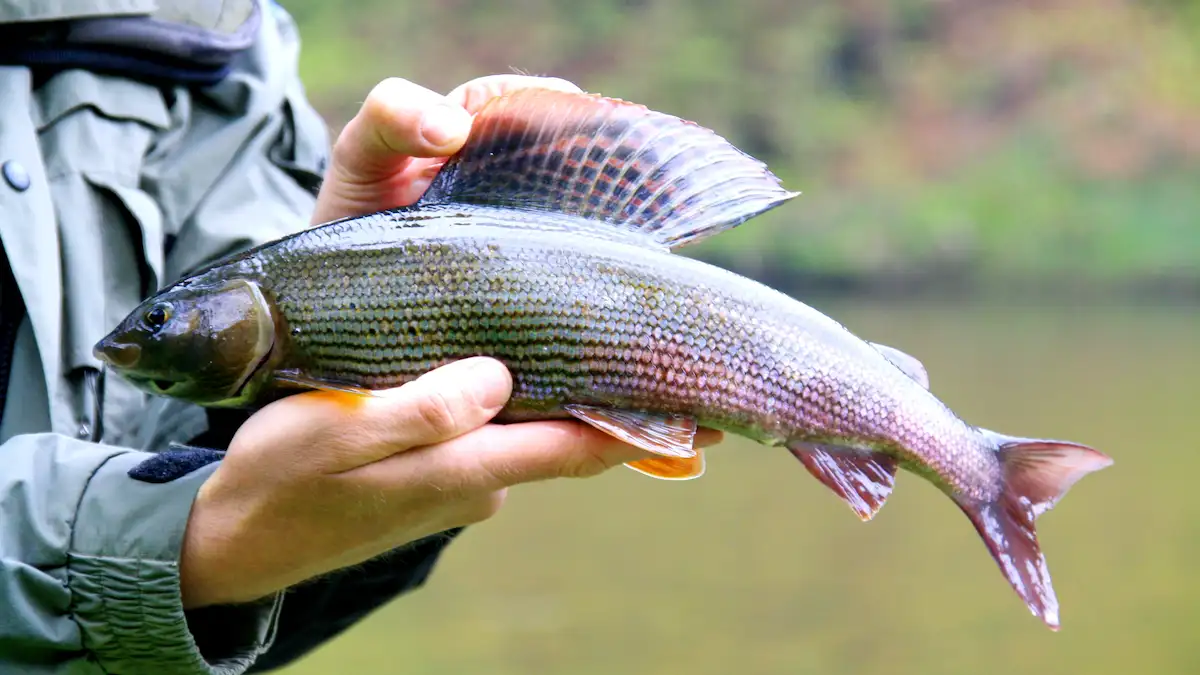
Grayling
The fish that saves winter — rising to tiny dries in December while everything else sleeps.
Delayed strike. Count "one", then lift.
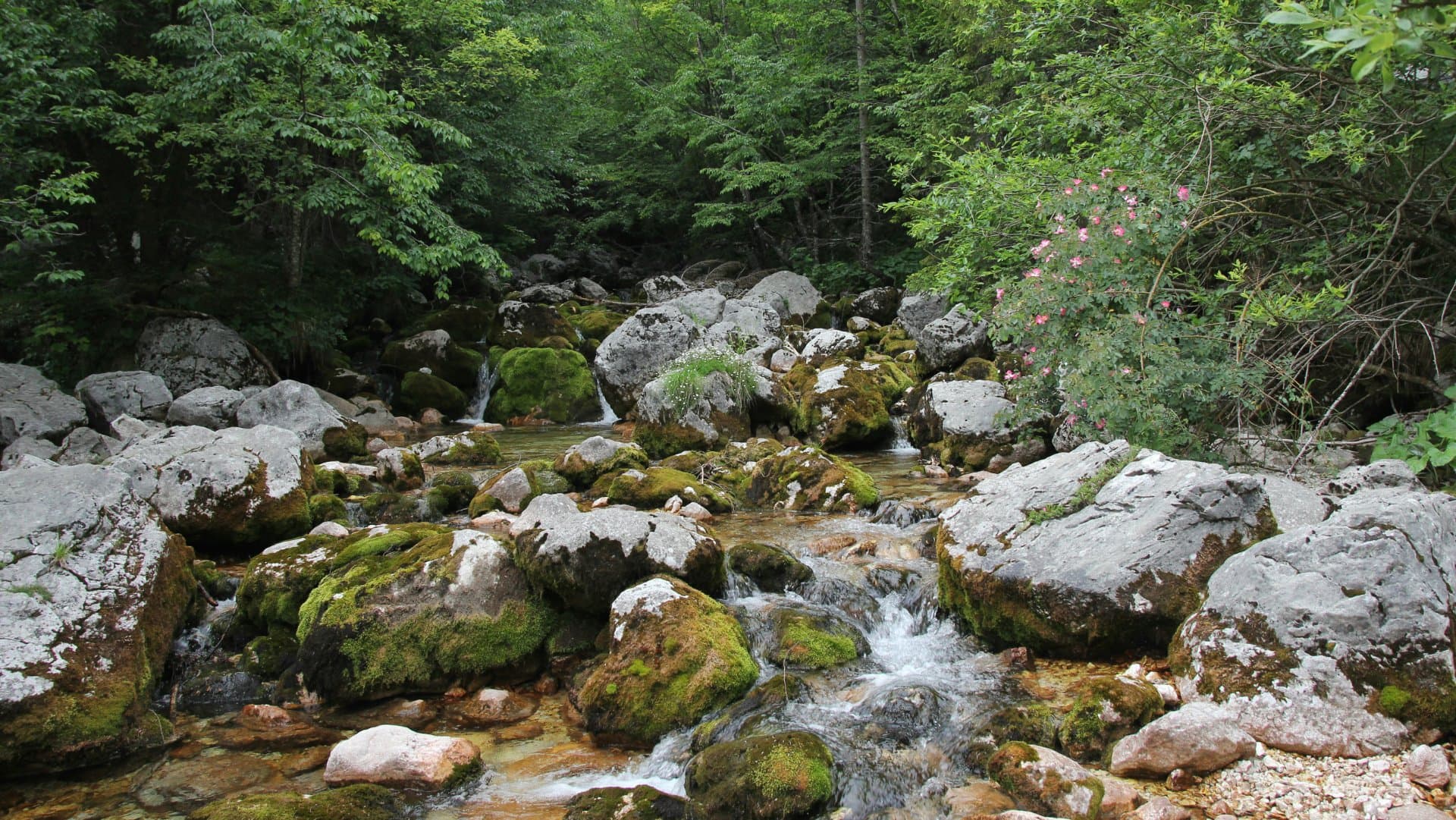
Marble Trout
The Soča's ancient predator — a trout that looks like it was painted by someone who'd never seen one and had to guess.
Streamers for big fish. Euro nymph for numbers.
Coarse Fish on the Fly
Chub, perch, carp, pike — the same entomology, closer water, and fights that make you reconsider your tackle.
Same entomology, closer water, harder fighters.
Perch on the Fly
The predator hiding under your local pontoon — micro Clousers, balanced leeches and mini muddlers. Three lanes, ten patterns, year-round fish.
Micro Clouser, strip-pause, tight to structure. 5wt, barbless.
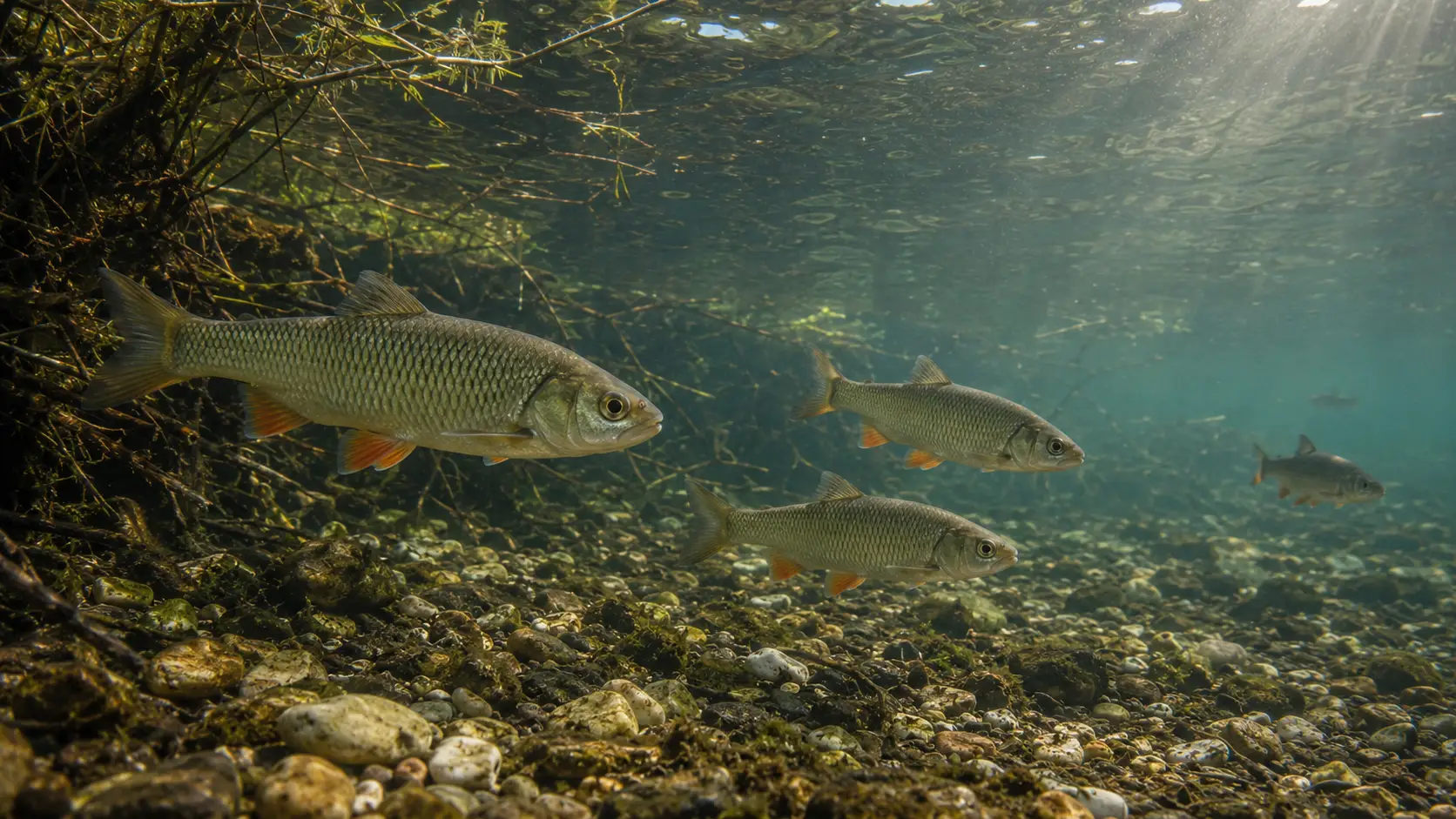
Chub on the Fly
Foam beetles under alders, big dries down the streamy glides, small streamers when the river drops — coarse on the fly with the most willing target there is.
Foam beetle under cover. Big dry on the glide. 5–6wt.
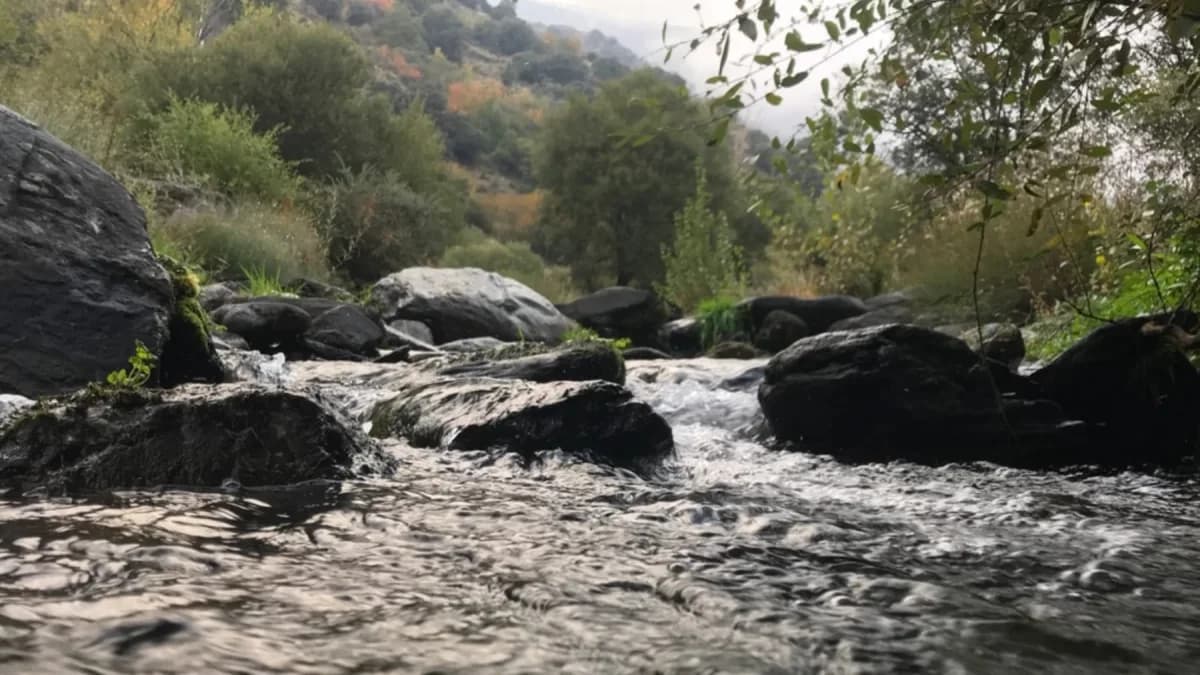
Barbel on the Fly
Sight-fishing on crystal Spanish rivers — a foam beetle upstream of a tailing fish, and then the kind of run that tests your backing knot.
Foam beetle ahead of tailing fish. 5wt for haasi.
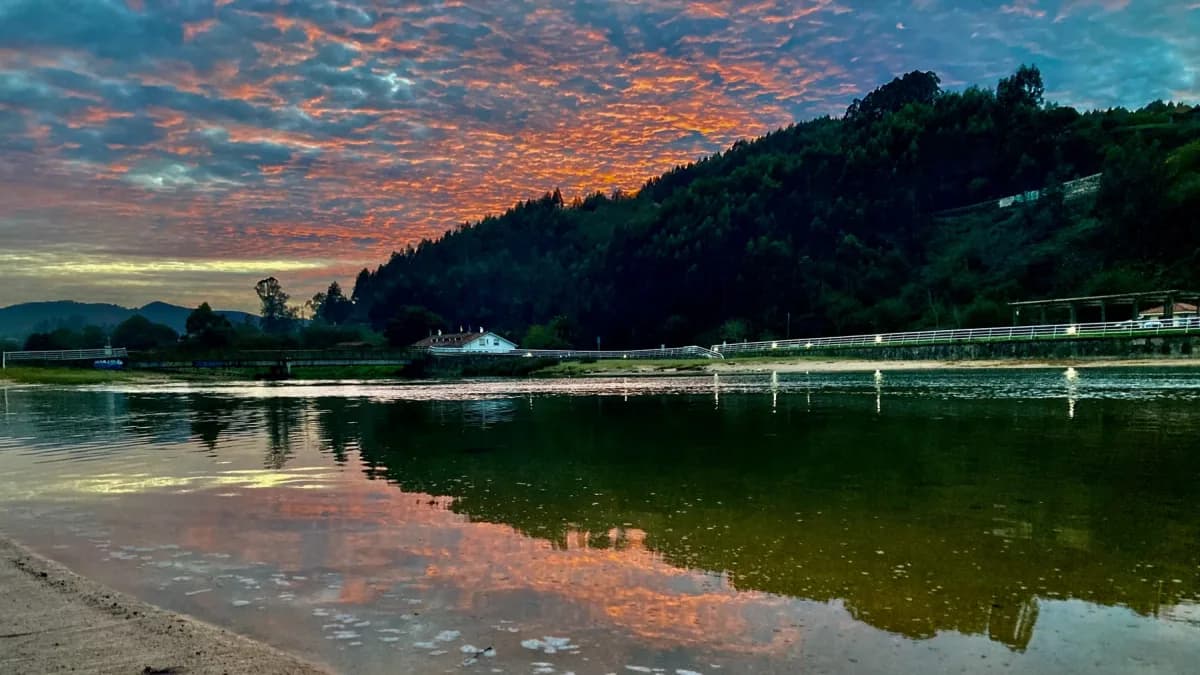
Mullet on the Fly
Harbours, estuaries, and tidal flats — three species that will humble your five-weight and your self-regard in equal measure.
Dead-drift bloodworm. Strip-strike, never lift.
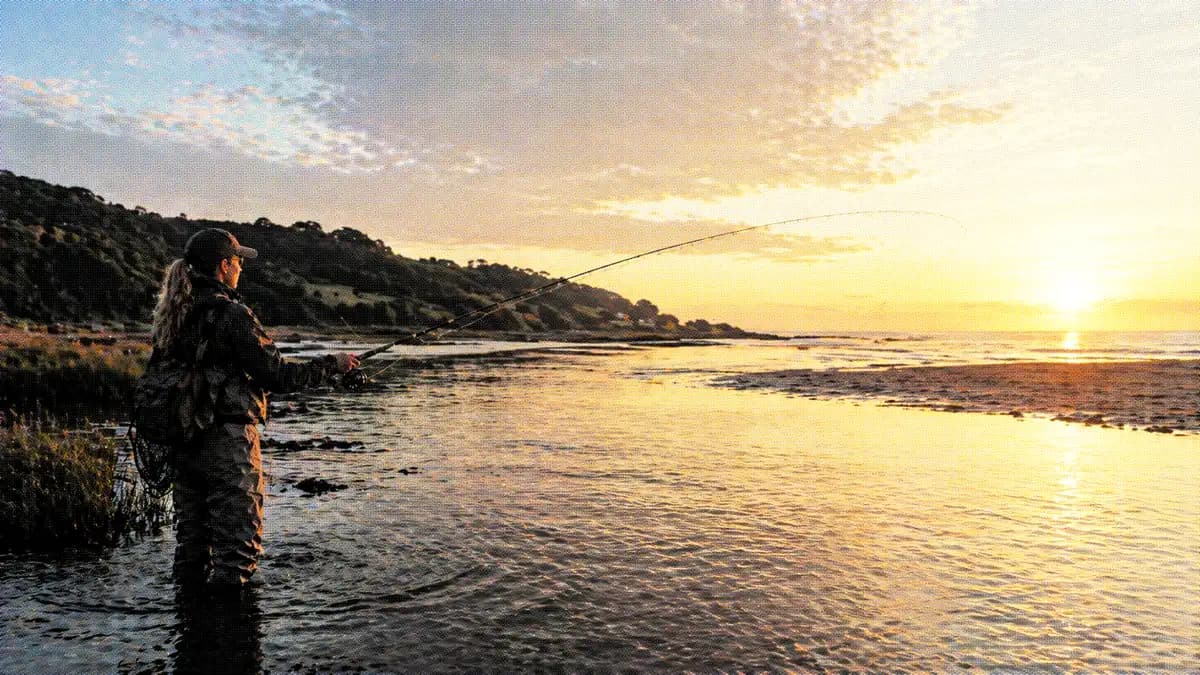
Sea Bass on the Fly
Estuary mouths, surf gutters, rocky points and harbour lights — bass for trout anglers stepping sideways into saltwater.
8wt, intermediate line, weighted Clouser. Tide does the work.
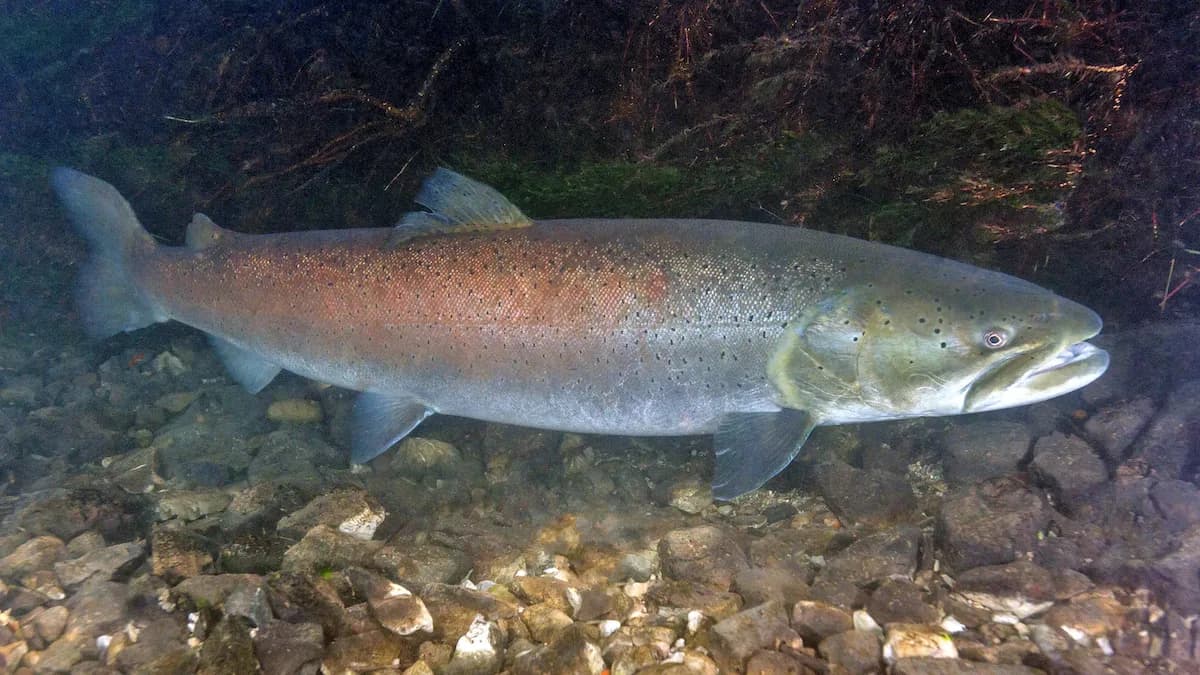
Hucho (Danube Salmon)
Europe's largest freshwater salmonid — biology, distribution, streamer tactics, and conservation across the western Balkans and upper Danube.
Streamer, 8–14°C, falling water, autumn–winter.
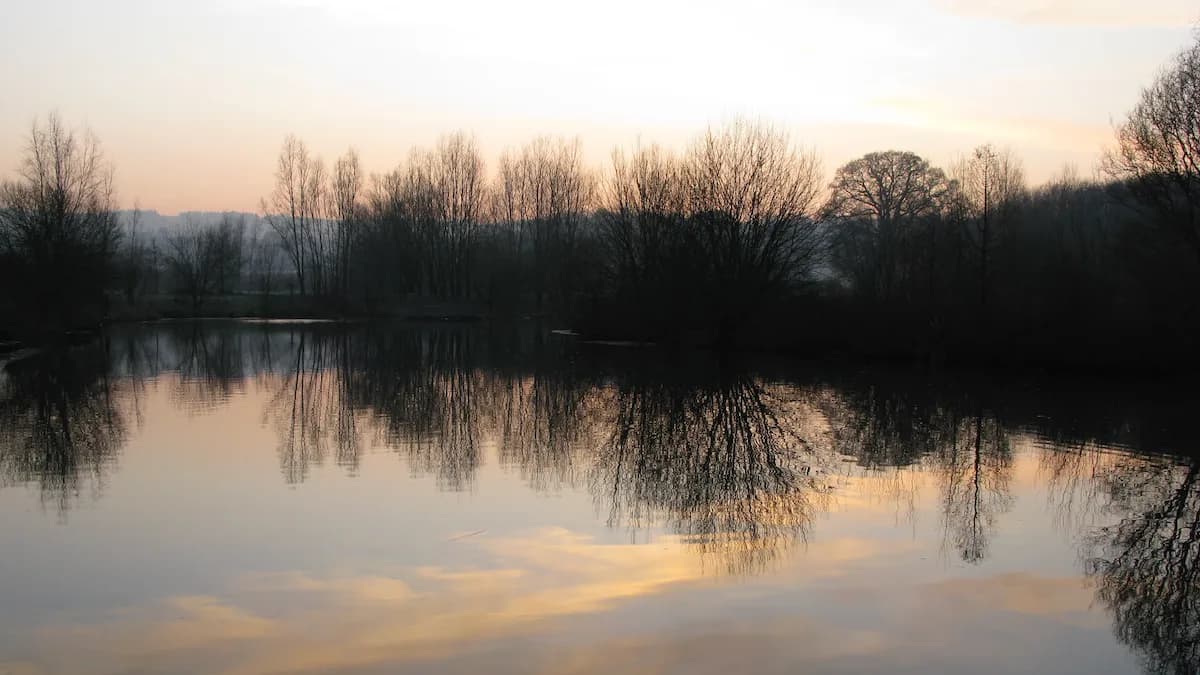
Stocked Trout Variants
Blue, golden, tiger, spartic, brook, and triploid browns — identification, tactics, and venue guide for stocked trout on UK and European stillwaters.
Blue/golden: rainbow tactics. Tiger/brook/spartic/triploid: structure, pulled flies.
Every Method, and Why
Dry fly to Spey casting — every technique exists because the fish demanded it. Here's when each one earns its keep.
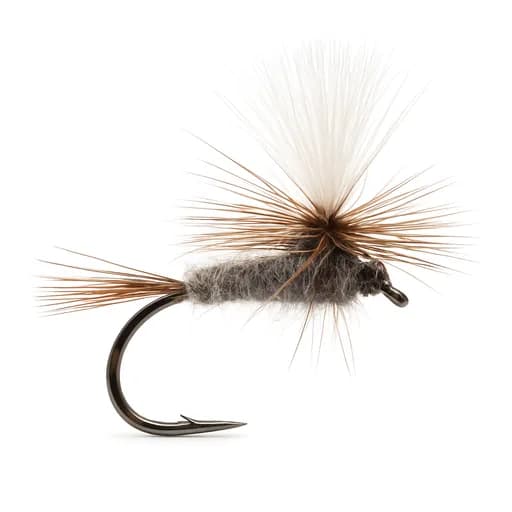
Upstream Dry Fly
The simplest idea in fly fishing, and the most satisfying — a floating fly, cast upstream to a rising trout, drifting back as though it belongs there.
Drag-free drift. Cast upstream, wait, lift.
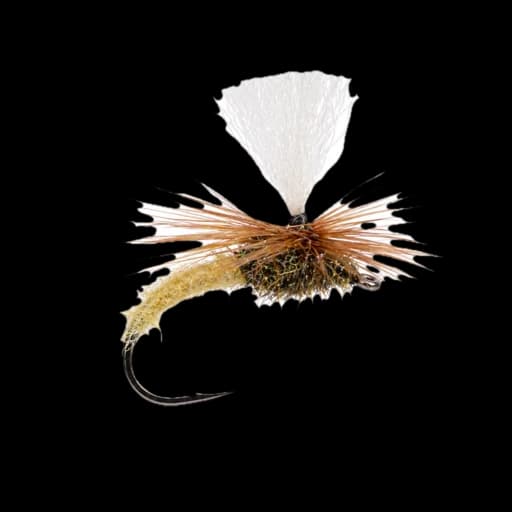
Emerger Fishing
That awkward inch between water and air where most insects die and most trout feed. When fish refuse your dry, the answer is almost always lower in the film.
In the film, not on it. CDC, Klinkhamer, shuttlecock.
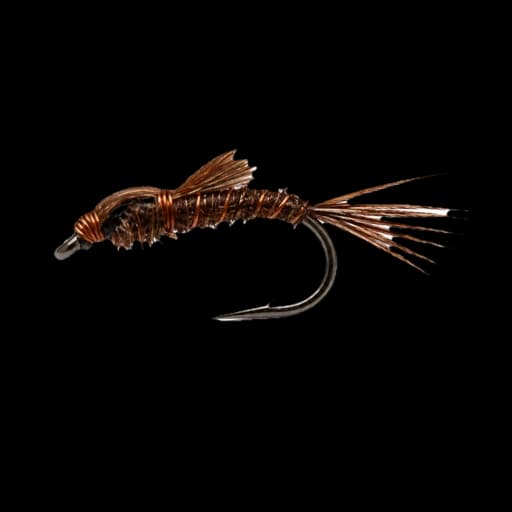
The Induced Take
Sawyer's lift — a nymph that rises at the end of its drift imitates an insect swimming to hatch, and a trout that was ignoring it suddenly cannot help itself.
Lift the nymph. The fish does the rest.
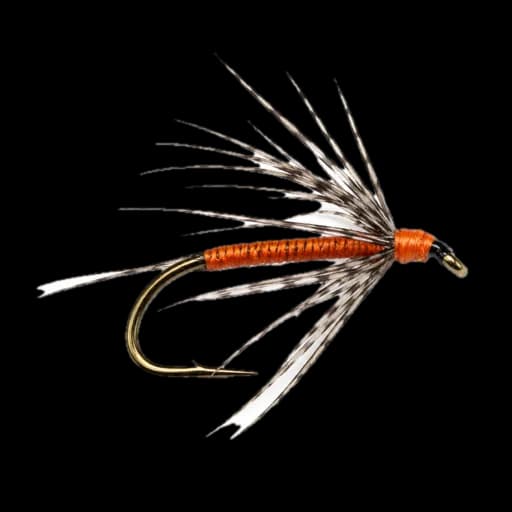
Soft Hackle & Spider
A turn of partridge on a hook, swung across the current. The oldest effective fly pattern in British fishing, and the fish have not yet worked it out.
Cast across, let it swing. Partridge & Orange, Waterhen Bloa.
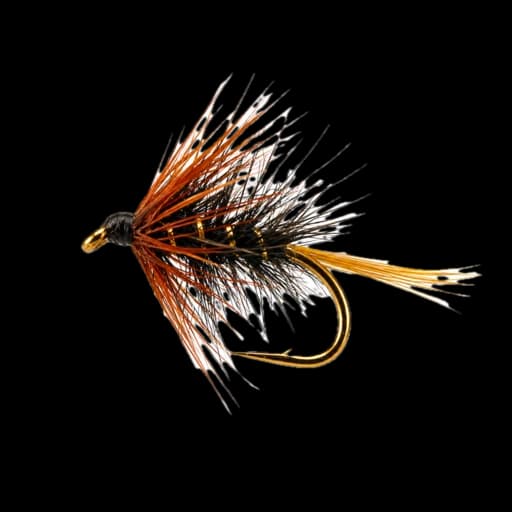
Loch Style Wet Fly
The wind does half the work and the wave does the rest — a team of wet flies drifted from a boat, the bob fly dibbling in the surface.
Bob fly in the wave. Fish the hang.
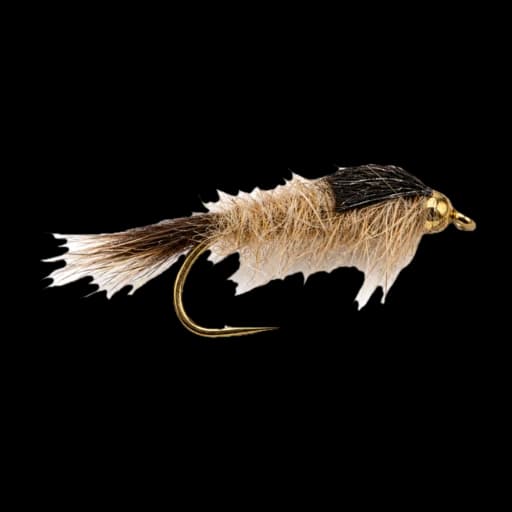
Indicator Nymphing
The indicator is a float by any other name, and there is no shame in that. It suspends your nymph at the right depth and shows you takes you would otherwise miss.
Suspend the nymph. Watch the indicator. Set depth.
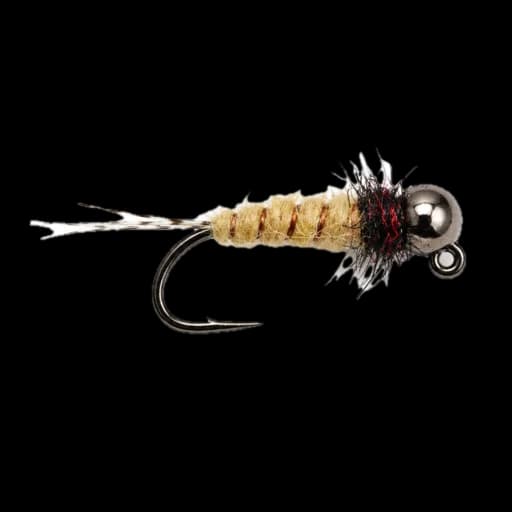
Tight-Line Nymphing
Take away the indicator and you are left with your rod, your leader, and the current. The most sensitive way to fish a nymph.
No float. Direct contact. Feel or see the take.
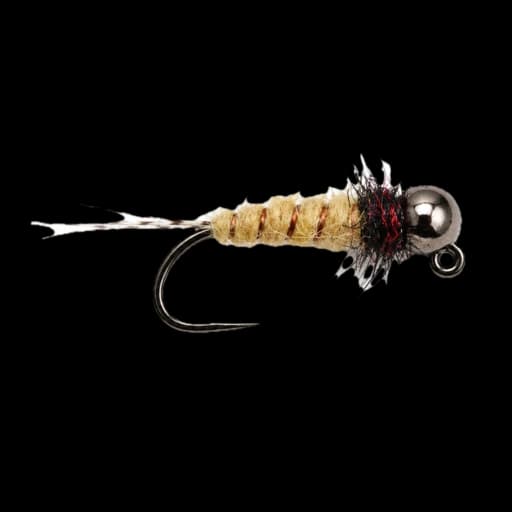
Czech Nymphing
Short-line, heavy nymphs, direct contact with the riverbed. It looks nothing like the pictures in the books, and it catches fish in fast water when nothing else will.
Short range. Heavy point fly. Feel the bottom.
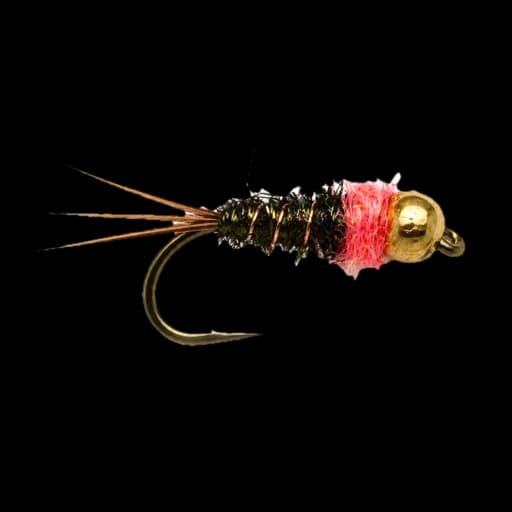
French Nymphing
If Czech nymphing is a hammer, French nymphing is a scalpel — long leader, fine tippet, lighter nymphs, and a reach beyond rod-length into technical water.
Long leader. Fine tippet. Light contact at range.
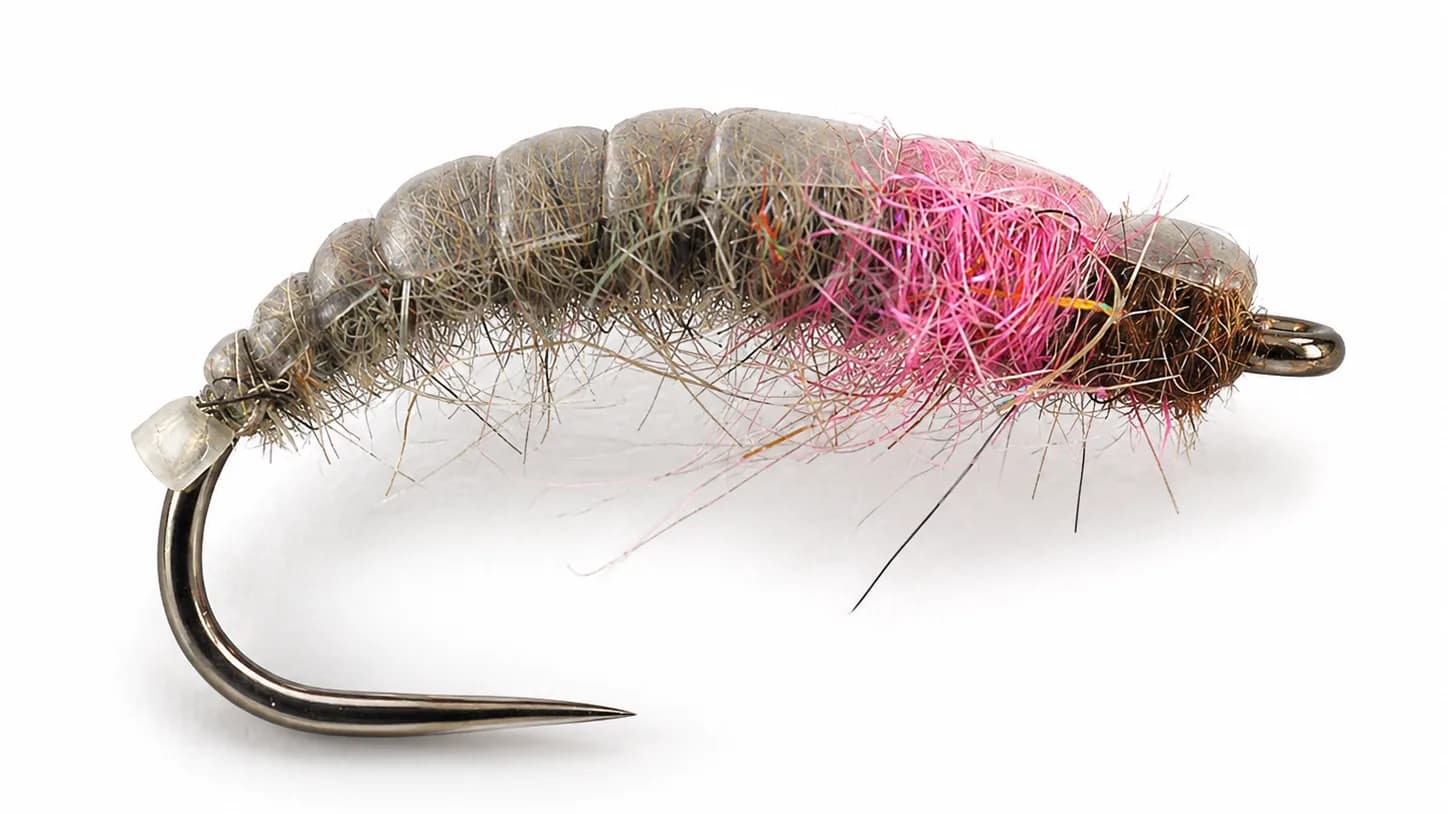
Euro Nymphing
The method that quietly won everything — Czech short-range, French long-range, and the sighter rig that bridges them.
Czech: short range. French: long range. Sighter: everything.
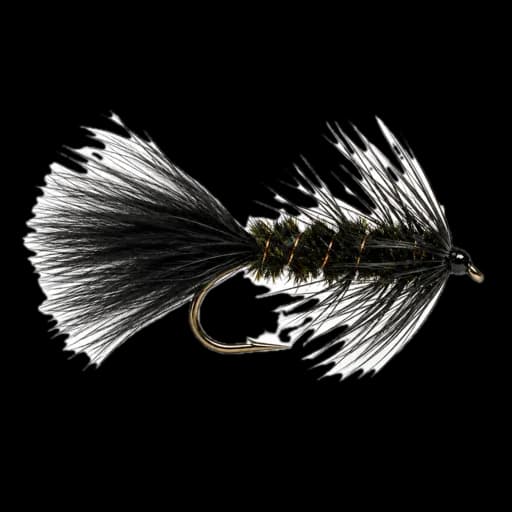
Streamer Stripping
Big, mobile flies that imitate baitfish and whatever predatory impulse a trout cannot resist. The blunt end of fly fishing, and the takes arrive as a violent pull.
Strip, pause, strip. Sinking line for depth.
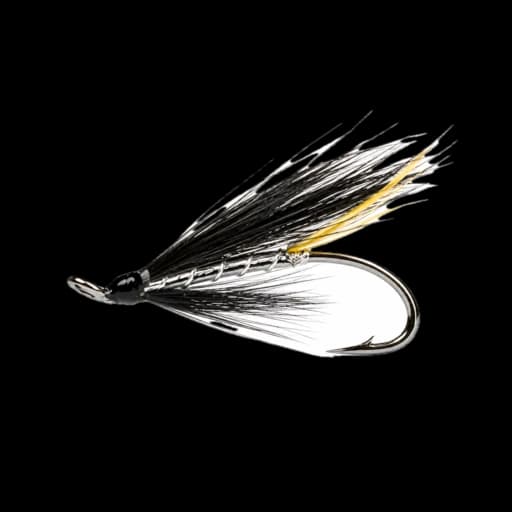
Classic Wet Fly Swing
The foundation of Atlantic salmon and sea trout fishing — cast across, let the fly swing under tension, step downstream, repeat. Simple method, lifetime's discipline.
Cast 45° across. Step and cast. Cover the pool.
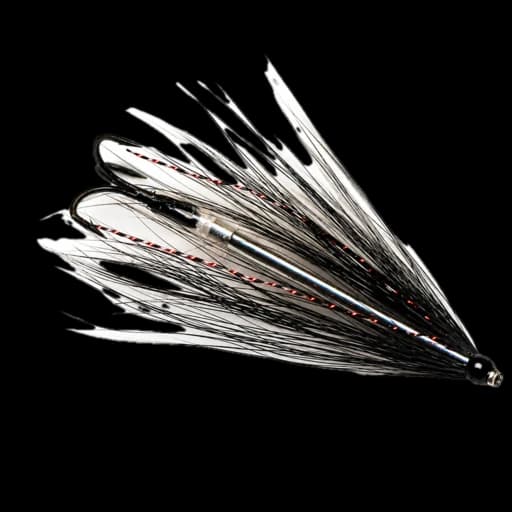
Night Sea Trout
Not a variation of daytime fishing — a different pursuit entirely. The fish that lay invisible through the day become active and aggressive between dusk and dawn.
Know the pool. Fish slow. Resist the temptation to rush.
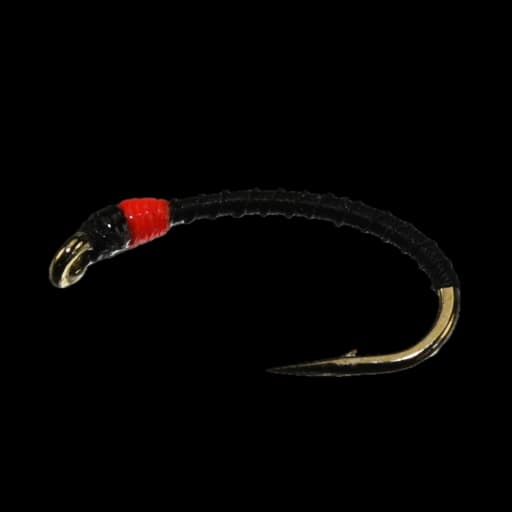
Buzzer Fishing
The chironomid midge pupa is the most important food item in any British stillwater. Learning to fish buzzers is the single most useful thing a stillwater angler can do.
Bung and buzzers. Set the depth. Wait.
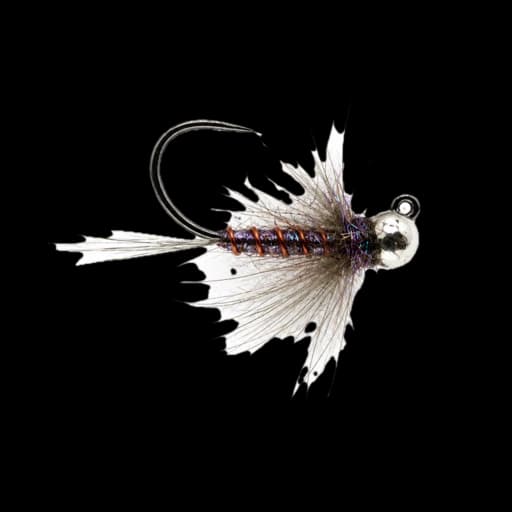
French Nymphing for Grayling
Grayling and French nymphing were made for each other — the fish holds in clear, steady glides at precisely the depth a well-presented nymph reaches.
Long leader. Clear glides. Delicate takes.
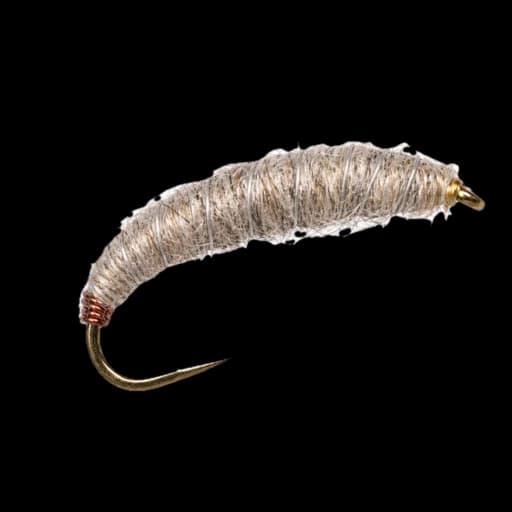
Winter Grayling Nymphing
Heavy nymphs, slow drifts, deep runs, and the reward of fishing when nobody else will. The method that makes winter worth getting out of bed for.
Heavy nymphs. Deep and slow. Cold hands, warm heart.
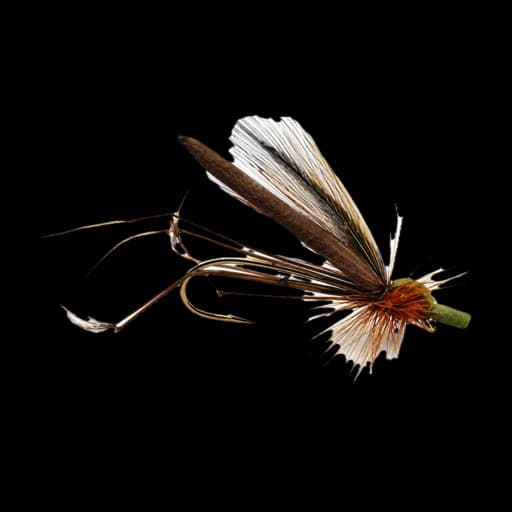
Dapping
The oldest form of fly fishing and the most theatrical — a large fly held on the surface by the wind, barely touching the water, dancing like something alive and about to escape.
Wind, patience, and a willingness to hold your arm up.
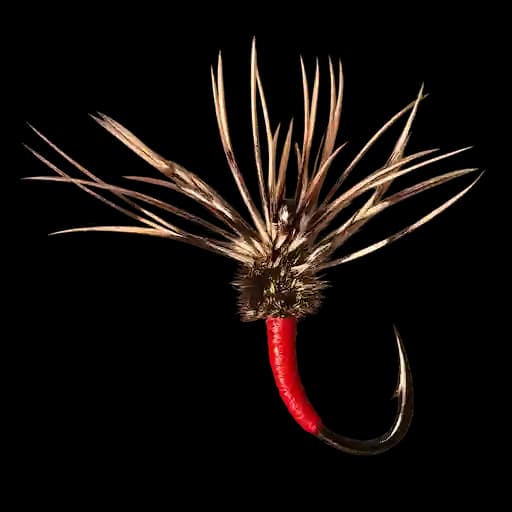
Tenkara
No reel. No fly line. Just a long rod, a length of tapered line, and a single fly. Tenkara strips fly fishing back to its essentials.
Fixed line. One fly. Small streams.
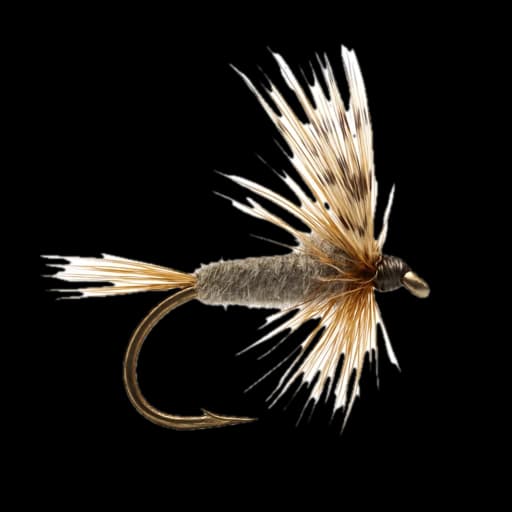
Sight Fishing
Spotting fish and casting to sighted targets — polarised glasses, stealth, and the art of seeing fish before they see you.
Polaroids on. Slow down. See the fish first.
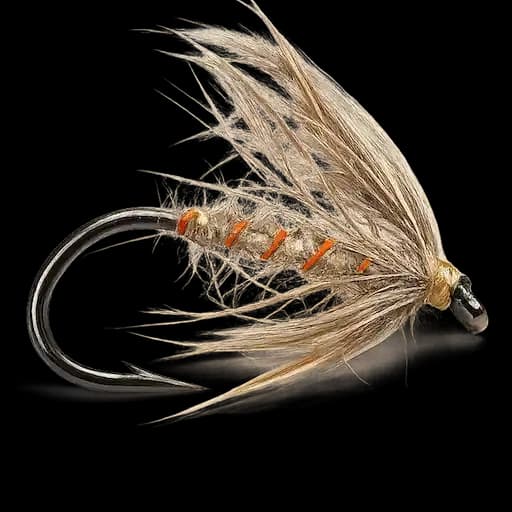
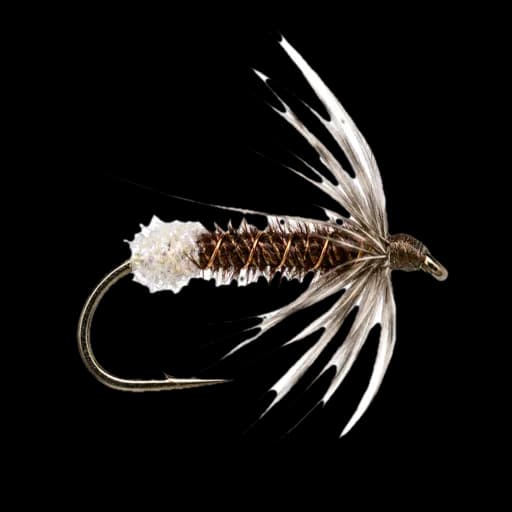
North Country Spiders
Three soft-hackle flies, a short line, and four hundred years of Yorkshire common sense.
March Brown, Waterhen Bloa, Partridge & Orange
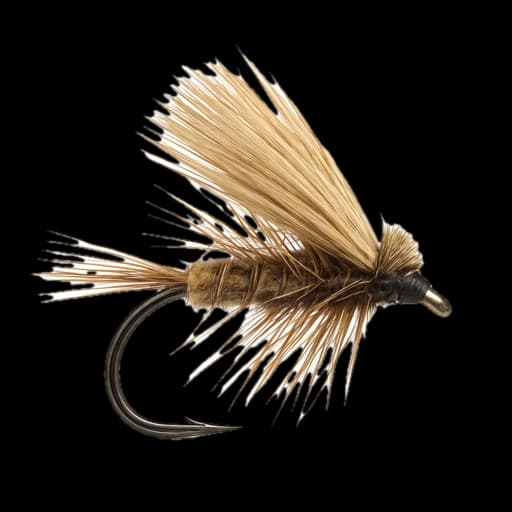
Downstream Dry Fly
There's a school of thought that says a proper angler always fishes upstream, and there's the actual river, which frequently disagrees.
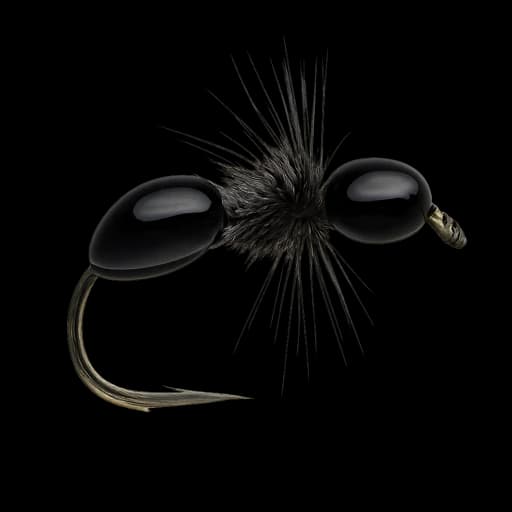
Terrestrial Dry Fly
Some of the best fishing days happen when nothing is hatching at all. No olives, no caddis, not a fly in the air — and yet there's a decent trout sipping something just under the alders.
Klink and Dink
Named, with a certain lack of ceremony, for a Klinkhamer sitting on top and a nymph 'dinking' along beneath it, this is prospecting made efficient.
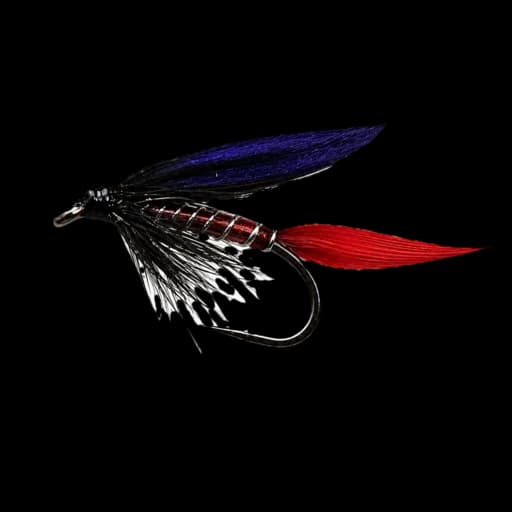
Traditional Wet Fly
Before there were spiders and soft hackles, there was simply the wet fly — a winged pattern fished across and down, searching water the way anglers have for two centuries.
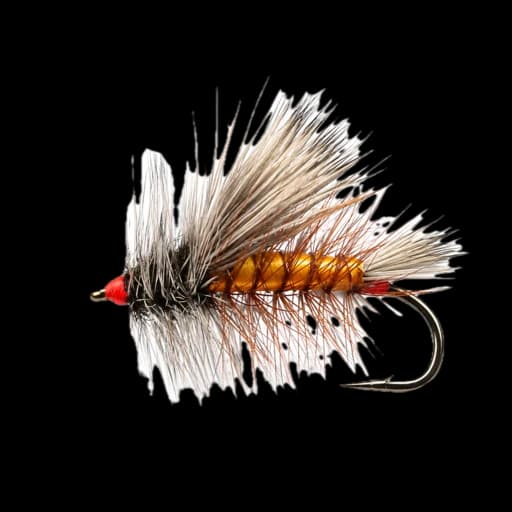
Dry Dropper
A buoyant fly on top big enough to float a nymph, and something smaller and heavier hanging beneath it — covering two depths at once beats guessing which one to commit to.
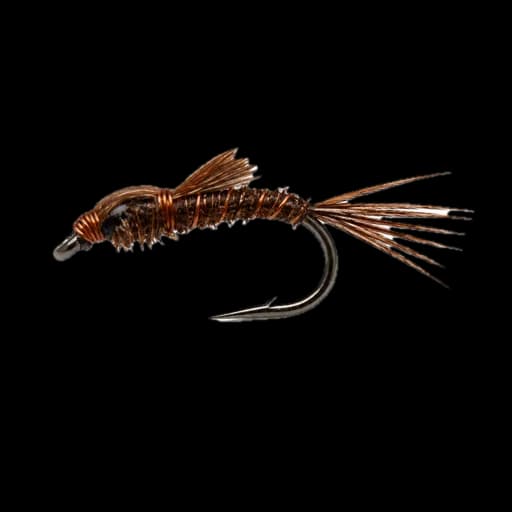
Skues Nymphing
G. E. M. Skues spent a good part of his life being quietly disapproved of on the Itchen for presenting a nymph to a trout that wouldn't take a floating fly.
River Streamer Fishing
Woolly Buggers, sculpins, baitfish patterns — river streamer fishing is the art of covering water with purpose and putting a fly in front of the biggest fish in the pool.
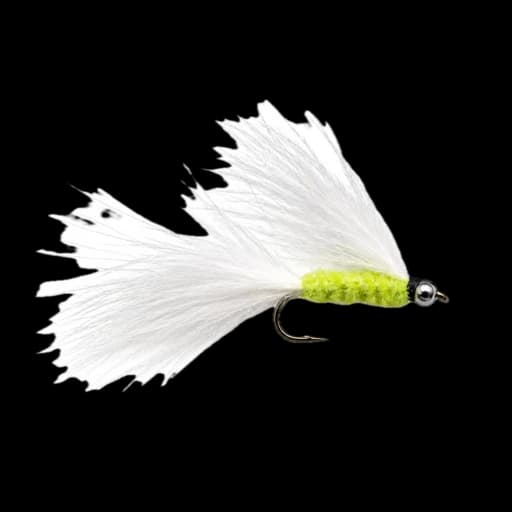
Reservoir Streamer Fishing
A reservoir is a very large piece of water with no current to tell you where the fish are, which means the streamer angler's real skill is reading structure rather than working a retrieve.
Streamer Swinging
Not every streamer needs stripping. Cast one across a deep run, mend to control the swing, and let the current bring the fly alive on its own.
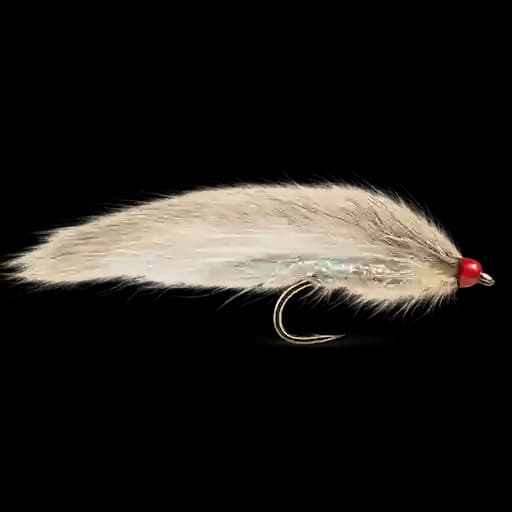
Dead-Drift Streamer
A big trout did not get big by chasing every meal. Dead-drifting a streamer presents a large fly the way you'd present a nymph, drifting naturally with the current.
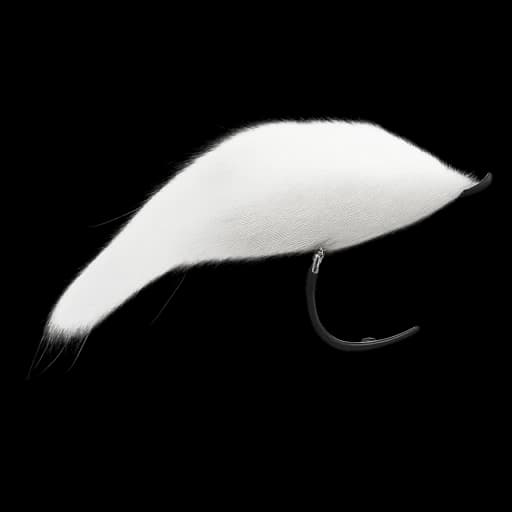
Pike on the Fly
Pike do not sip. A big streamer fished past a weed edge or a sunken tree draws a take that arrives like a slammed door — no warning, no following boil, just a sudden, jarring weight on the line.
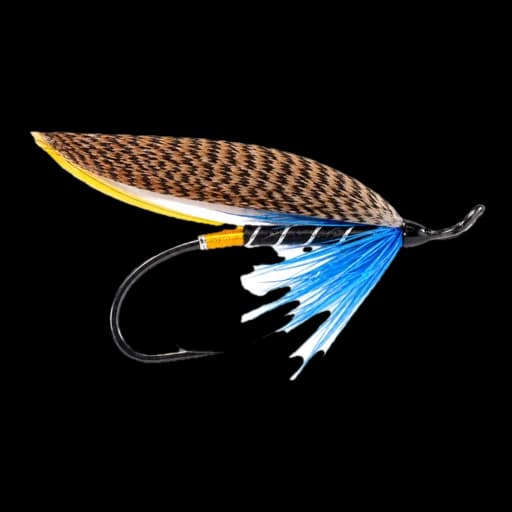
Floating-Line Salmon
The floating line is the summer salmon angler's tool, and in low, warm water it is very often the only tool required.
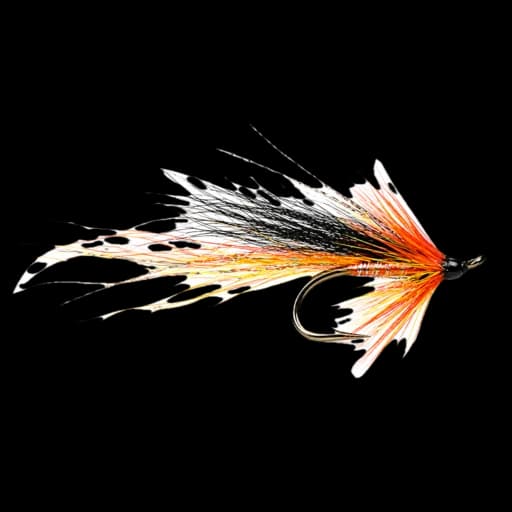
Sunk-Line Salmon
Cold water changes everything a salmon angler thinks he knows about presentation — below about 8°C, the fly has to be brought down to where the fish is lying.
Riffling Hitch
A single half-hitch of leader tied behind the head of a small fly, and it stops swimming and starts waking — cutting a visible V a salmon or grilse cannot leave alone.
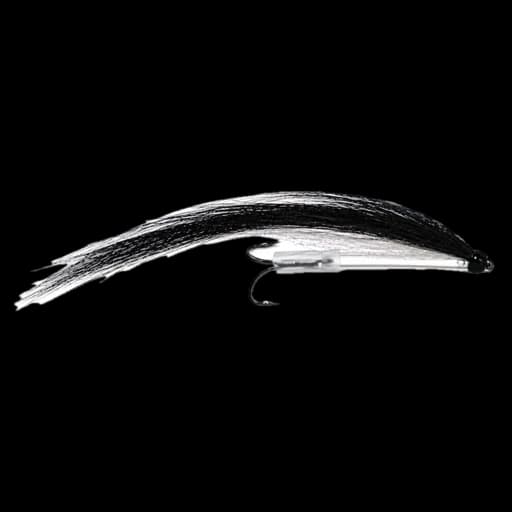
Stripping the Sunray
Alistair Gowans tied the Sunray Shadow for his own water on the Aberdeenshire Dee, for the particular problem of low, warm summer water in which salmon had stopped responding to anything fished slowly.
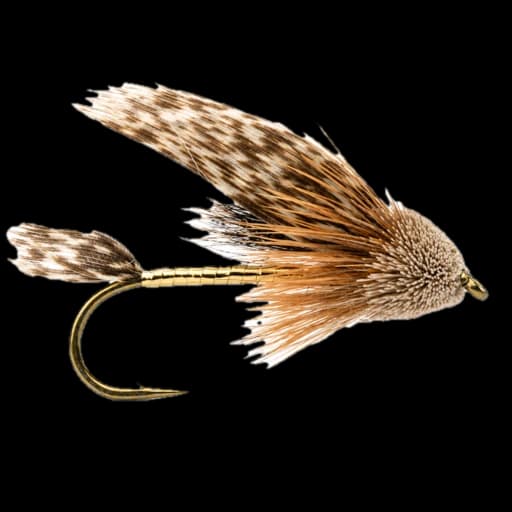
Surface-Lure Sea Trout
A Muddler fished dead across the current does nothing more than swim. Skate it, and it becomes a wake fly that a sea trout will come a long way to investigate.
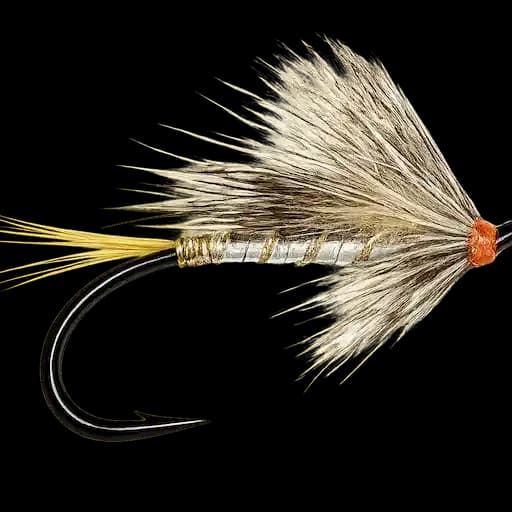
Deep Night Sea Trout
Not every sea trout night rewards a fly worked on or near the surface.
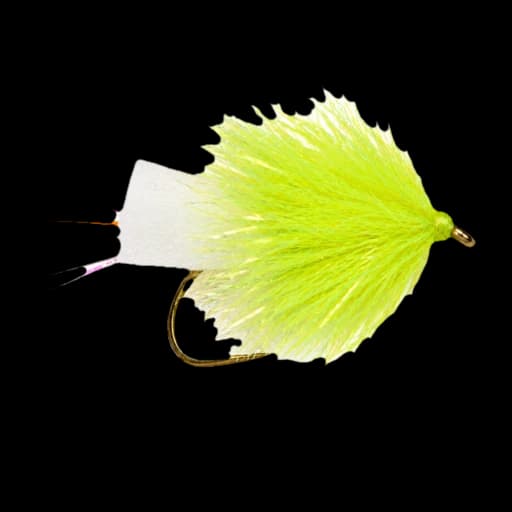
Washing Line
Named for the obvious reason — a line of flies hanging the way washing hangs on a line — this is one of the cleverer stillwater rigs, and one of the simplest once you've seen it done.
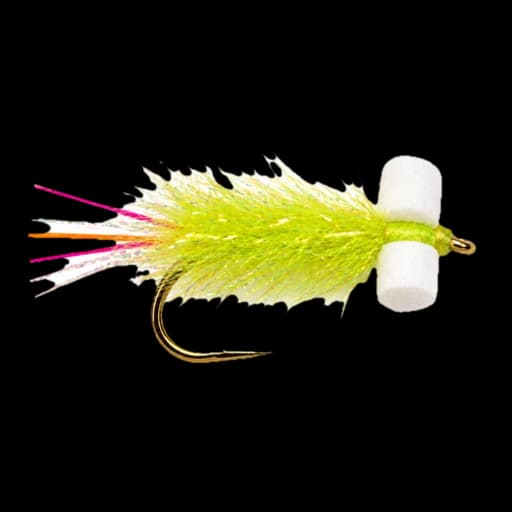
Booby Fishing
The Booby looks like a joke fly — two foam eyes on a bare hook, designed to float indignantly upright while everything around it sinks.
Pulling Lures
Sometimes the fish want something that looks like it's trying to get away. Pulling a lure — a Cat's Whisker, a Blob, a Cormorant — is fly fishing's answer to spin fishing.
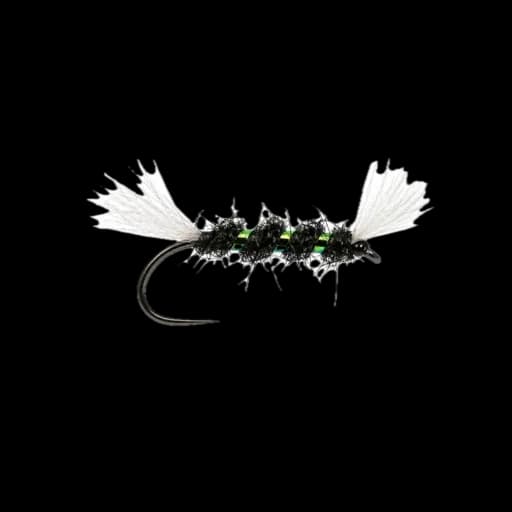
Stillwater Dry Fly
There's a particular pleasure in watching a trout's head break the surface on still water, rather than guessing at what's happening beneath it.
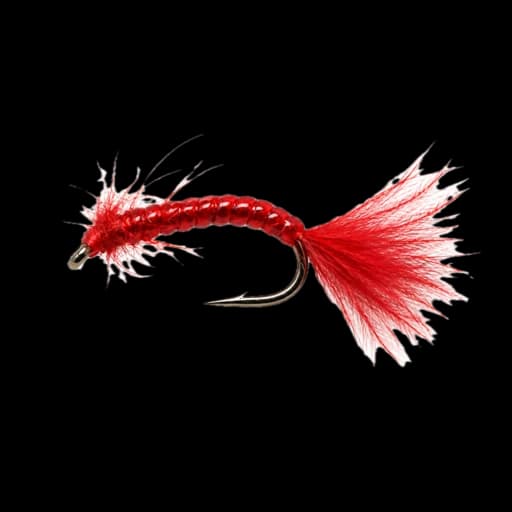
Indicator Fishing
An indicator is a bung by another name, and there's no shame in either — the simplest way to present a fly at an exact depth and see a take you'd otherwise never feel.
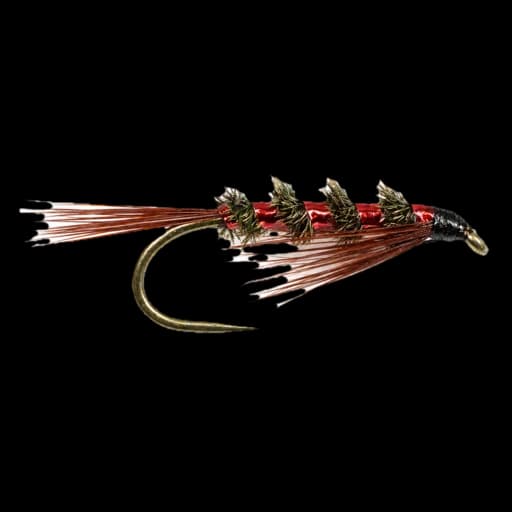
Team of Nymphs
Three flies, spaced out on droppers, worked back slowly across open water — stillwater fishing at its most fundamental, and a consistent way to find feeding trout.
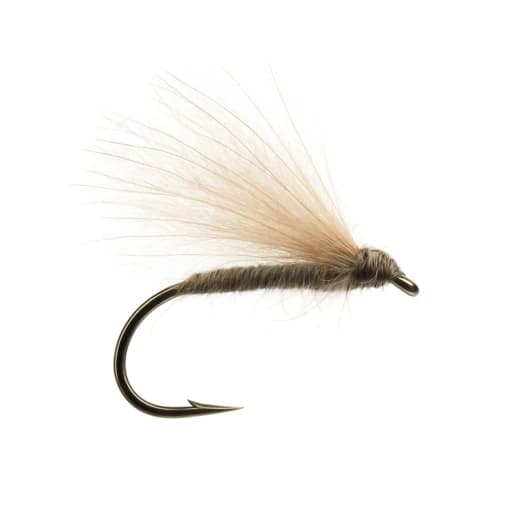
Dry-Fly Fishing for Grayling
A rising grayling rarely announces itself the way a trout does — smaller, quicker, often just a dimple where a fish has come up from three feet down and gone straight back.
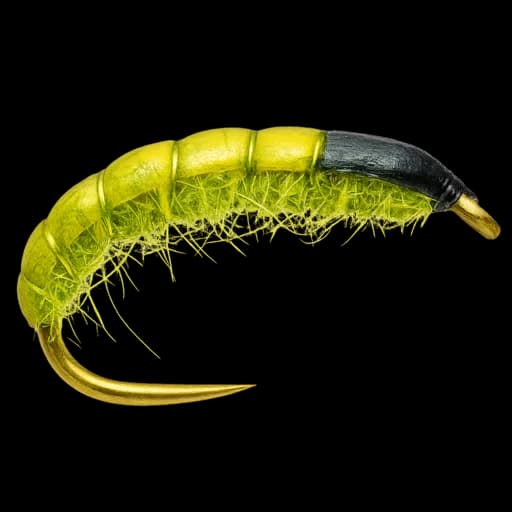
Czech Nymphing for Grayling
Grayling live where trout often can't be bothered — the fast, broken water at the head of a run, the deep seam beside a boulder, the kind of unglamorous water a dry-fly angler walks straight past.
The Duo for Grayling
The Duo asks little of the angler and a lot of a single buoyant dry fly: float, indicate a nymph's location, and — every so often — catch a grayling on its own account.
North-Country Spiders for Grayling
Three hundred years of Yorkshire and Derbyshire anglers have caught grayling on a wisp of partridge or snipe hackle wound sparsely round a hook, and the fish have not yet grown wise to it.
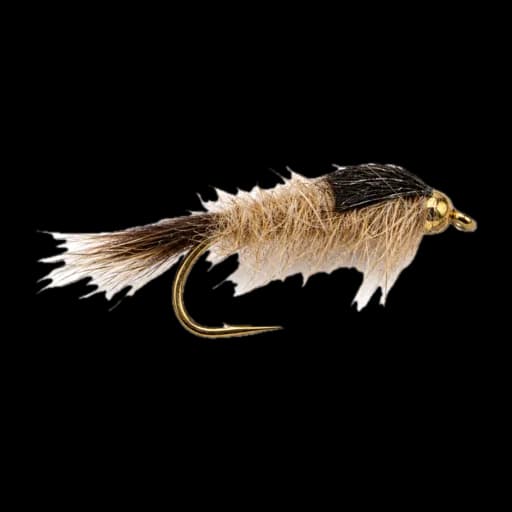
Upstream Nymphing for Grayling
Not every grayling angler wants to learn a continental leader system before catching a fish. Upstream nymphing is the accessible version — and it still catches plenty of grayling.
Pocket-Water Grayling
Pocket water looks like nothing — a boulder, a patch of white water, a seam no wider than a dinner plate — and grayling anglers who walk past it in search of a proper glide are leaving fish behind.
Small-Stream Tenkara
Enclosed streams — overhung by trees, squeezed between boulders, barely wide enough for a proper backcast — are exactly where tenkara's long rod and short line earn their keep.
Fishing the Kebari
Kebari simply means an artificial fly in Japanese — not one pattern, not one hackle style.
Fixed-Line Nymphing
Bolt a weighted nymph onto tenkara tackle and something genuinely useful happens: the long rod keeps line off the water exactly as European contact nymphing demands, and the direct connection transmits a take with no indicator lag at all.
Keiryu Fishing
Keiryu is a genuine Japanese fixed-line stream tradition, and traditionally it isn't fly fishing at all — long rods, fine lines, and terminal weight built around bait collected from the riverside.
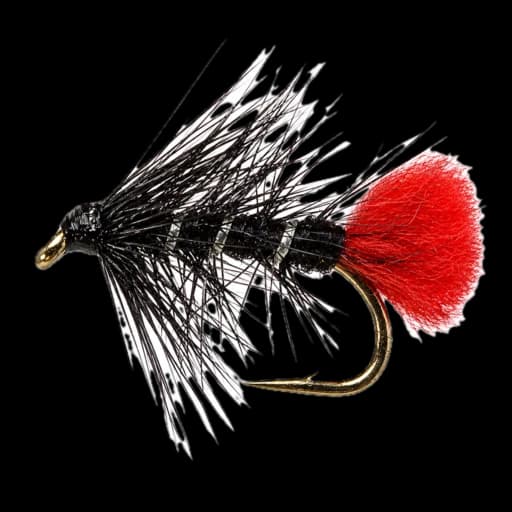
Pesca alla Valsesiana
Below Monte Rosa in northwestern Italy, anglers have fished the fast, broken water of the Sesia valley with a long fixed rod and a horsehair line for longer than anyone writing about it today can precisely date.
Fixed-Line Grayling
A tenkara or keiryu rod solves a specific grayling problem: getting a short, sensitive drift into a seam without the intervening currents that plague a longer fly line.
Tenkara on Larger Rivers
Tenkara's reputation is built on small streams, but a longer line extends its reach onto broader water without abandoning what makes the method work.
One Fly, Six Presentations
Tie on a single trusted kebari and refuse to change it for the rest of the session, and something useful happens: instead of reaching for a new fly at the first refusal, you're forced to solve the problem with position, depth, drift, and movement instead.
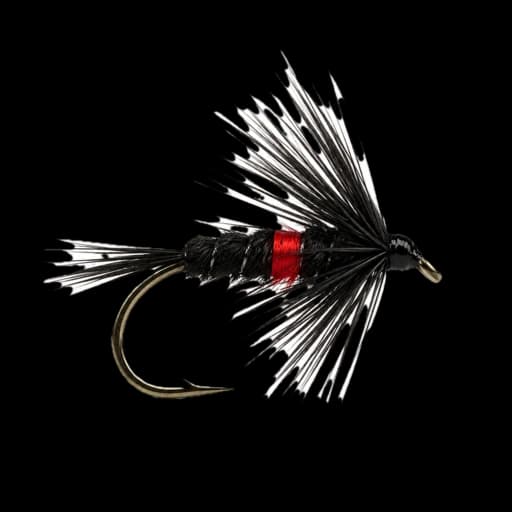
Using a Drogue
A drogue is a small parachute you throw over the side, and it solves a problem every boat angler eventually runs into: the wind blows the boat faster than any fly can be fished properly.
Reading a Trout River
Before any cast matters, the river has to be read. A pool, a riffle, a glide, a seam beside a boulder — each holds fish for different reasons.
Reading a Stillwater
A stillwater gives away far less than a river — no current to concentrate food, no obvious seam to fish.
Approaching the Water
Most fish that are never caught were never actually fished for — they were spooked before the first cast landed.
Mending the Line
A mend is a small correction with a large effect: a flick of slack thrown into the line to counteract the current's pull on it, keeping the fly travelling at the speed of the water around it rather than the speed the current on your line dictates.
Achieving a Drag-Free Drift
Drag is the fly moving unnaturally against the current — and it is the single most common reason a good fly is refused.
Presentation Casts
A reach, a curve, a pile, a tuck — these aren't tricks, they're specific answers to specific problems a standard cast can't solve.
Managing Slack and Contact
Too much slack and you never feel the take; too little and the fly drags before it reaches the fish. Every method asks for a different balance.
Controlling Fishing Depth
Depth is usually the biggest variable in whether a fly gets eaten, bigger than pattern, bigger than colour.
Controlling Fly Speed
The same fly fished fast and fished slow can produce entirely different results from the same fish on the same day.
Detecting Takes
Most takes are missed not because the fish didn't eat the fly but because the angler didn't notice.
Setting the Hook
Not every take wants the same response.
Line Management
A tangled coil at your feet or a loop caught round a rock costs distance, accuracy, and often the fish itself at the worst possible moment.
Fishing Across Conflicting Currents
Some water refuses to cooperate — three current speeds between you and the fish, each pulling the line differently, defeating a simple cast before it's even finished landing.
Choosing Your Casting Position
Where you stand decides more than most anglers credit — sun angle, wind, current, and background cover all follow from position.
Fishing in the Wind
Wind punishes a sloppy cast and rewards a deliberate one — a lower, tighter loop matters more than fly choice once the breeze picks up.
The Hang
A pause at the end of a retrieve or a drift, flies held beneath the rod tip for a few deliberate seconds — on the days it suits, it accounts for a disproportionate share of the takes.
Working a Team of Flies
Two or three flies on one leader multiply the questions you're asking the water at once — but they also multiply the ways things can go wrong.
Boat Drift and Positioning
A boat opens water no bank angler can reach, but a badly set drift wastes it just as thoroughly — the right angle to the wind changes everything.
Wading for Better Presentation
Wading should solve a problem — reach a lie, improve a casting angle, get below a fish's sightline — not become a habit exercised whenever the bank is merely inconvenient.
Playing and Landing Fish
The take is the moment everyone remembers, but the next sixty seconds decide whether the fish actually comes to hand.
Sinking & Intermediate Lines
Line density is the real depth control in stillwater fishing — more so than fly weight, more so than leader length.
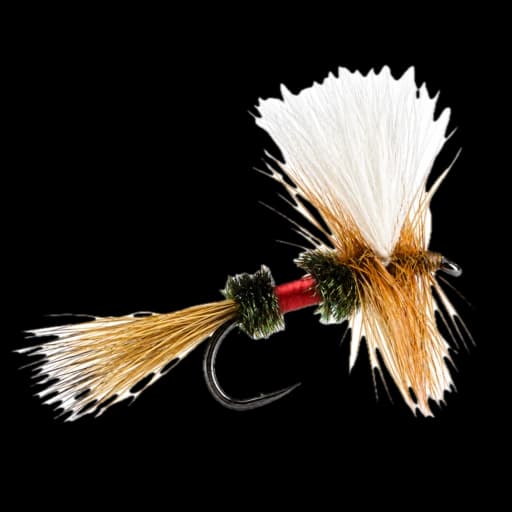
Across and Down Dry Fly
On broken freestone water a dry fly cast straight upstream often drags before a fish ever sees it. Casting across and slightly downstream buys several extra feet of drag-free float.
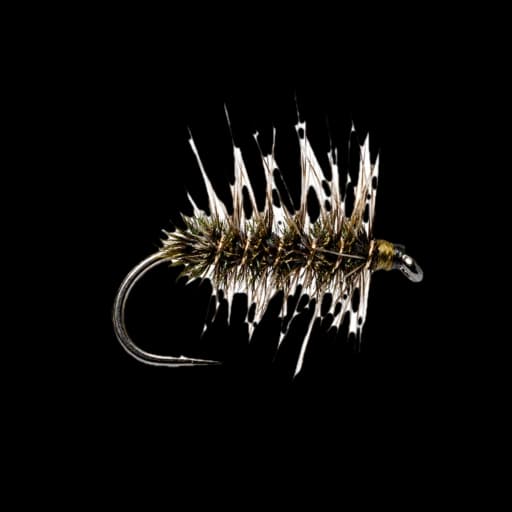
Static Dry Fly
Not every rising trout wants movement. On slow glides and stillwater margins, a fly held dead still is often the only presentation a wary, well-fed fish will accept.
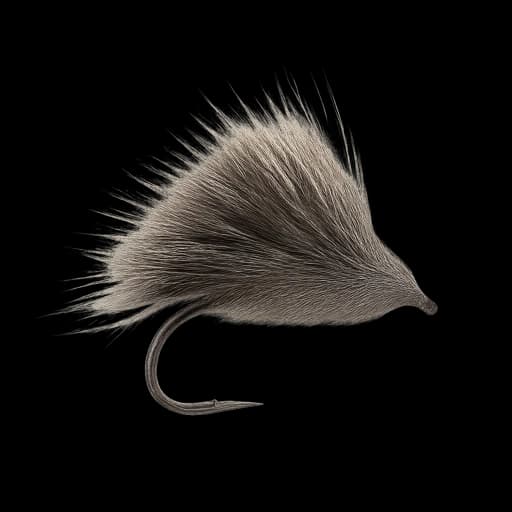
Skated or Waked Dry Fly
Drag is usually the enemy of a dry fly — until it isn't. Deliberately skating a fly can pull takes from fish that have ignored a dead-drifted pattern all evening.
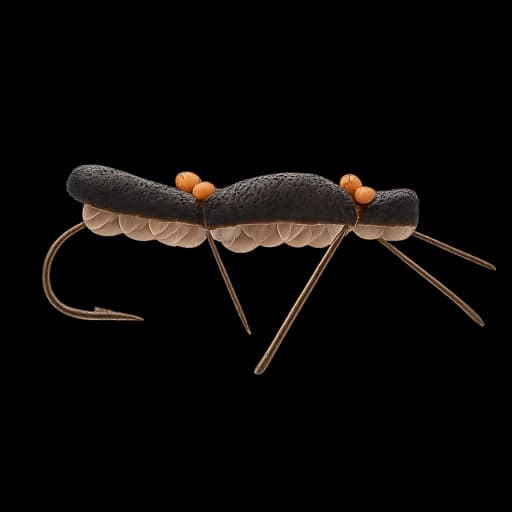
Blind Dry Fly Fishing
No rises, no visible fish, no clue where a trout might be holding — blind dry fly fishing is prospecting on the strength of reading current and structure alone.
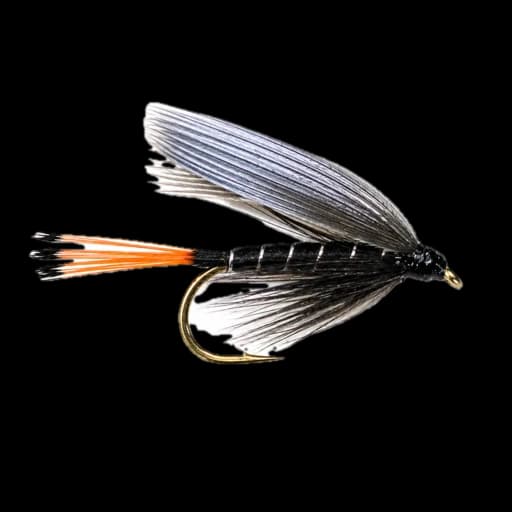
Down and Across Wet Fly
Before spiders and soft hackles refined the method, this was simply how a wet fly was fished — cast across and slightly downstream, swung under tension, covering water methodically.
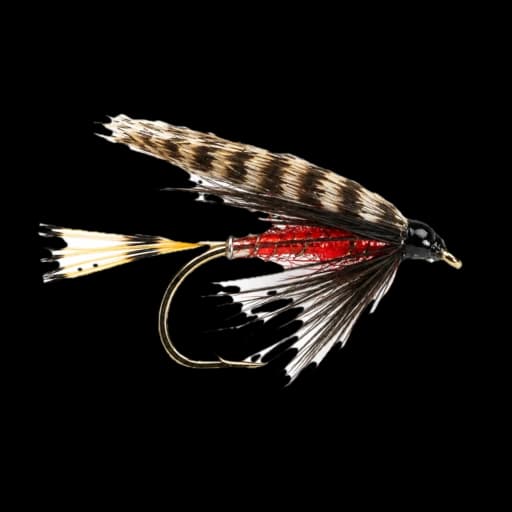
Fishing a Team of Wets
One fly asks one question of the water; three flies, spaced on droppers, ask three at once — different depths, different silhouettes, different triggers, in a single swing.
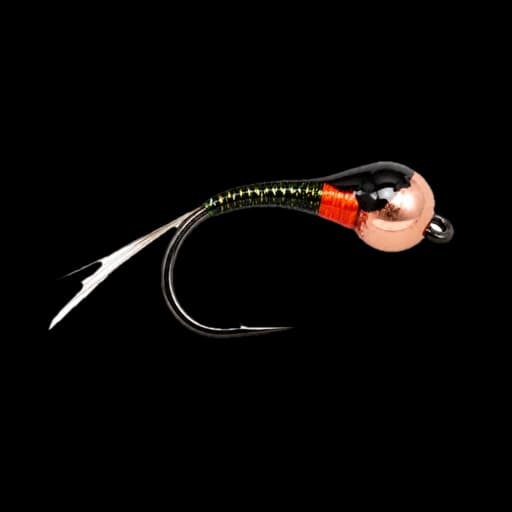
Spanish Nymphing
Spanish nymphing takes the long-leader principle of French nymphing further still — an even longer rod and slim tungsten Perdigón nymphs designed to cut through fast water.
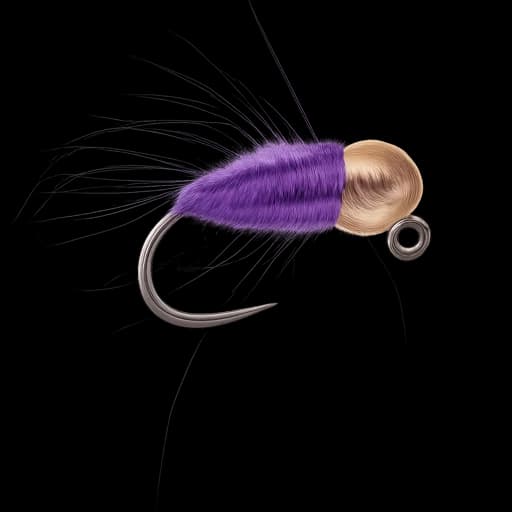
Modern Euro Nymphing
Modern Euro nymphing borrows freely from Czech, French, and Spanish schools rather than sticking to one — a jig nymph fished at whatever range and depth the water demands.
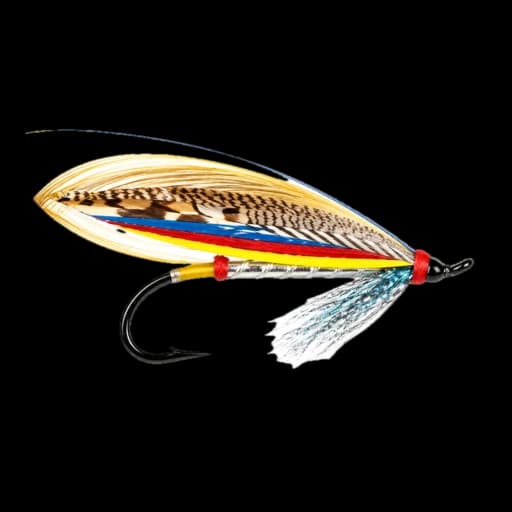
Greased-Line Salmon Fishing
A.H.E. Wood's method for low, warm summer water: a small fly fished just under the surface, broadside to the current, for salmon that ignore a deeply fished fly.
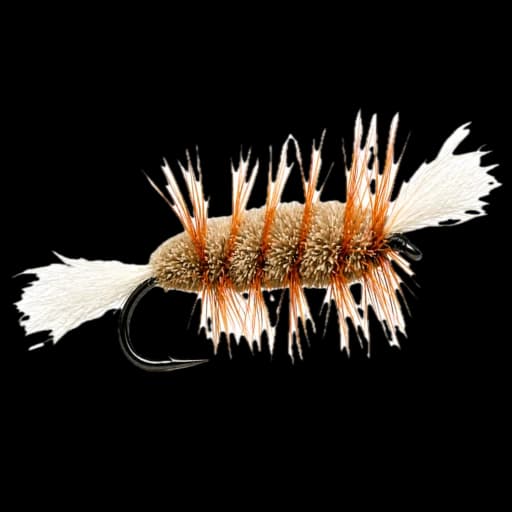
Waking a Surface Fly for Salmon
Skated so it wakes a visible V on the surface, a Bomber or hitched tube becomes one of the most exciting ways to move a salmon — the take arrives as a boil you see coming.
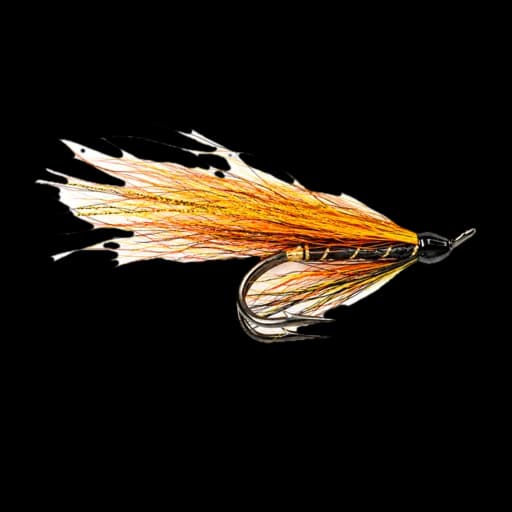
Tube Fly Swing
A tube fly separates the dressing from the hook entirely, letting the angler fish a large, mobile silhouette without the weight and leverage of a big fly on a fixed shank.
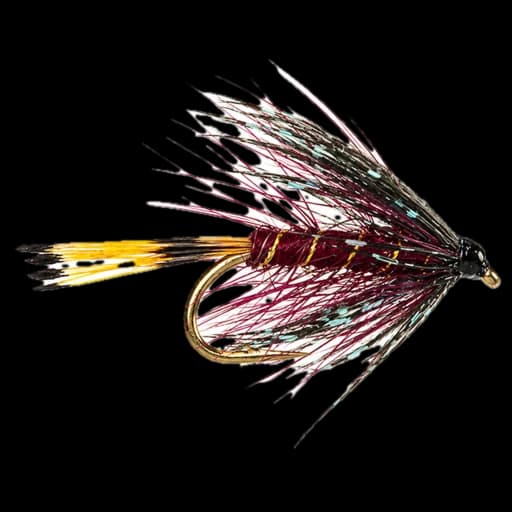
Irish Lough Style Wet Fly
On the great limestone loughs of the west, a team of wet flies drifted broadside from a boat is fished with a rhythm and fly selection all its own — richer water than most Scottish lochs.
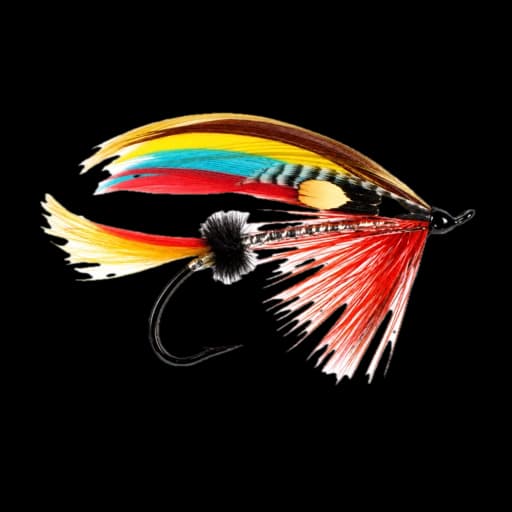
Reading a Salmon Pool
A salmon doesn't feed, so it doesn't sit where a trout would. Reading a pool means finding where a resting fish is prepared to move for a fly — and that changes with water height.
Spey Casting — Single & Double
A Spey cast changes direction and delivers a heavy fly without a backcast — essential on rivers where trees, banks, or other anglers leave no room behind you.
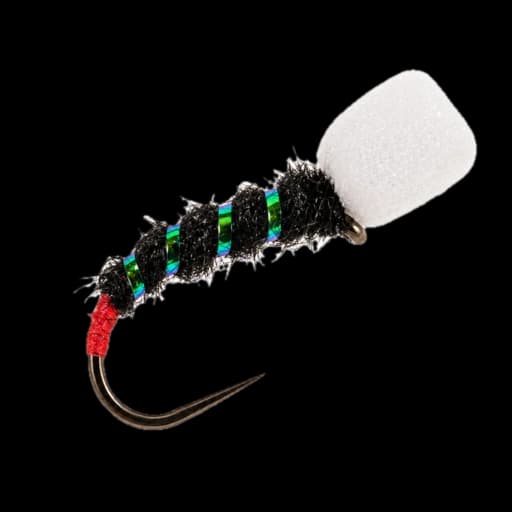
Anchored Boat Buzzer Fishing
Anchored over a known depth with buzzers hung static beneath a bung, a boat angler can present a team of flies at an exact depth no bank angler can match.
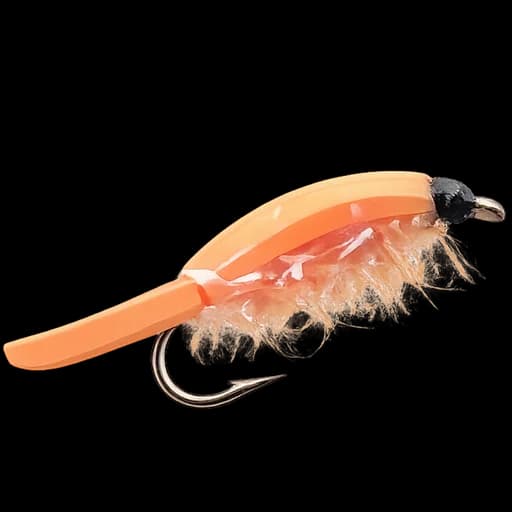
Autumn Fry-Feeding Imitation
By September, big trout that spent the summer sipping small flies switch targets entirely — hunting shoals of that year's fry, and a fly that imitates one can draw the biggest fish of the season.
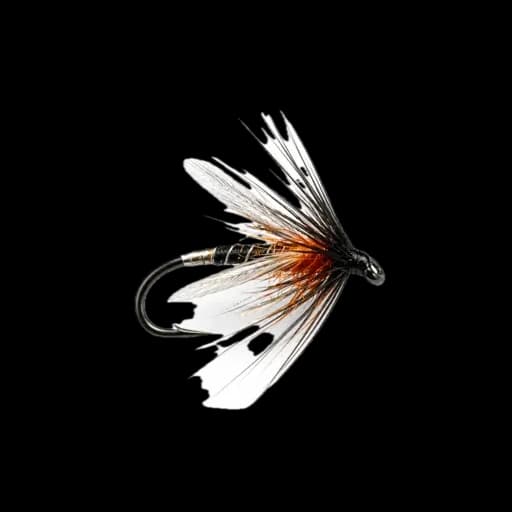
Duckfly Dapping
Before the duckfly hatch properly gets going on the big Irish limestone loughs, trout key in on the adults skittering on the surface — and a dapped imitation draws takes no cast fly matches.
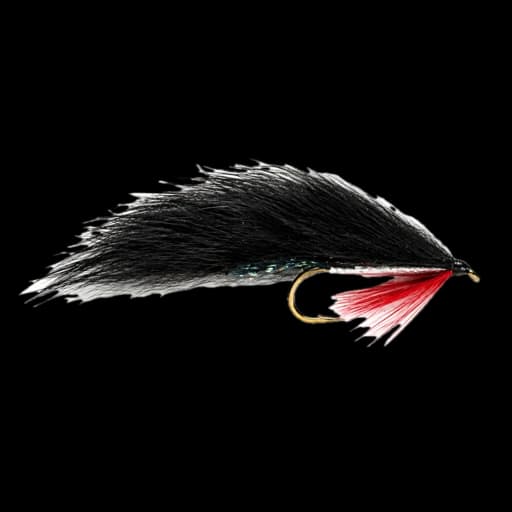
Night Streamer Fishing for Trophy Trout
A big brown trout did not get big by feeding in daylight. After dark, the largest fish in the river hunt — and a big, dark streamer worked slowly can draw takes no daytime method will produce.
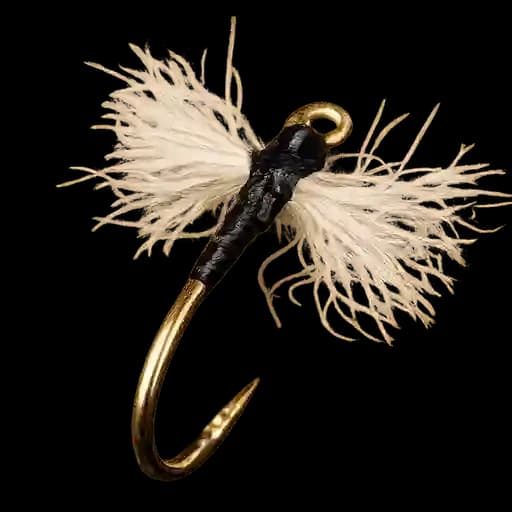
Caenis Fishing ("The Curse")
Anglers call it the Curse for a reason — caenis hatch in dense clouds on summer evenings, trout key onto the naturals with total selectivity, and a fly even slightly too large is refused.
Safe Wading in Fast Water
Wading is a means to an angle, not a badge of commitment — and fast water has drowned careless anglers who forgot that a wrong step costs far more than a missed cast.
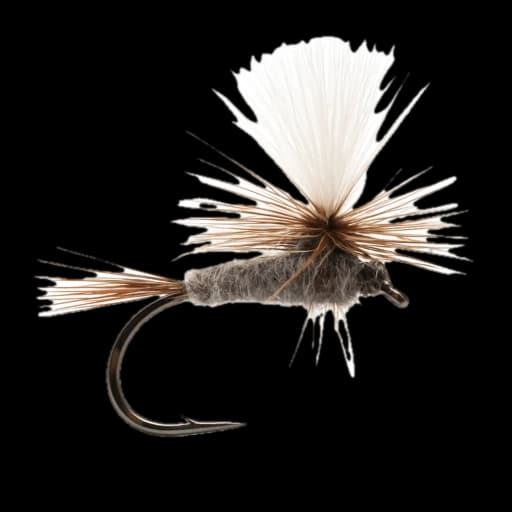
Building a Balanced Fly-Fishing Leader
A leader is not a single piece of nylon — it's an energy-transfer system. Understand what butt, taper and tippet each do and a packaged leader stops being a fixed product.
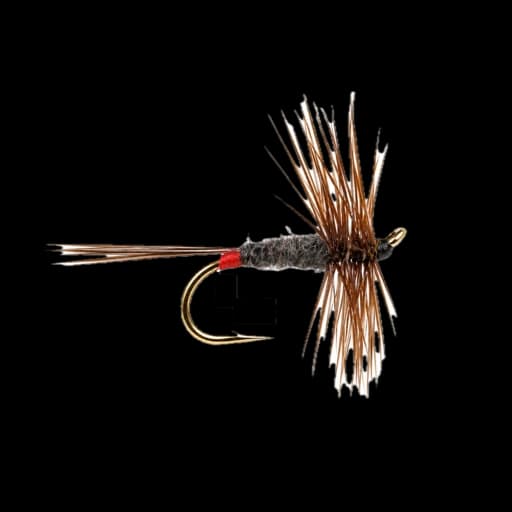
Choosing Tippet: Diameter, Strength and Material
Breaking strain on the packet tells you almost nothing useful on the water — diameter is what actually governs drag, sink rate, and how a fly behaves.
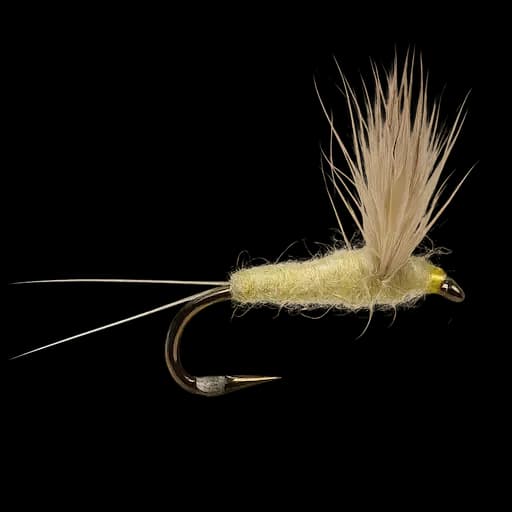
The Dry-Dropper Rig
A dry-dropper rig fishes two depths from one cast — a buoyant dry doubling as a strike indicator, and a nymph hanging beneath it to cover the water column the dry can't reach.
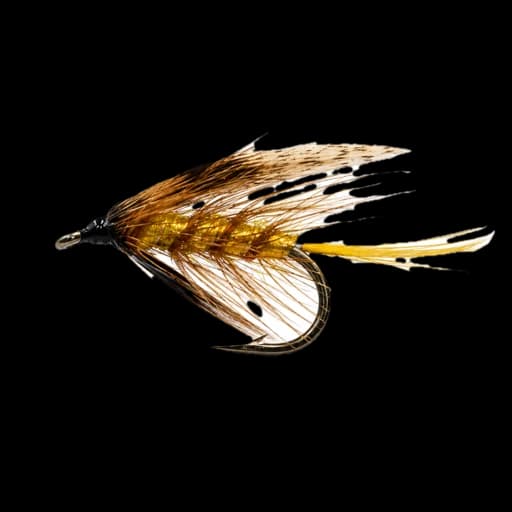
Droppers and Teams of Flies
A team of flies multiplies what a single cast can ask of the water, but a badly built dropper rig tangles, wind-knots, or collapses in the air.
Stillwater Leader Setups
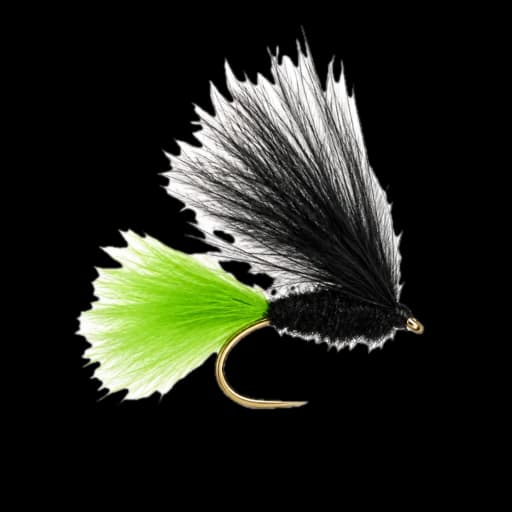
Every stillwater method needs its own leader. The lesson that carries across buzzers, washing line, pulled lures, dries and the indicator is adapting to depth, wind and casting ability.
Streamer and Predator Leaders
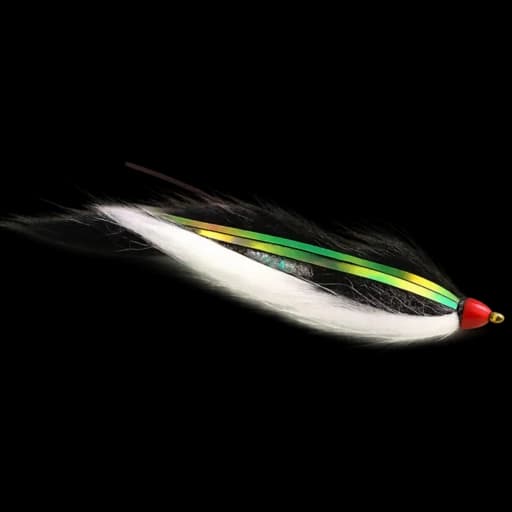
A delicate tapered leader is wasted on a bulky streamer or a wire-shy pike fly — what's needed instead is a short, powerful leader built to turn the fly over and survive the fight.
Buzzers, Midges & Diptera
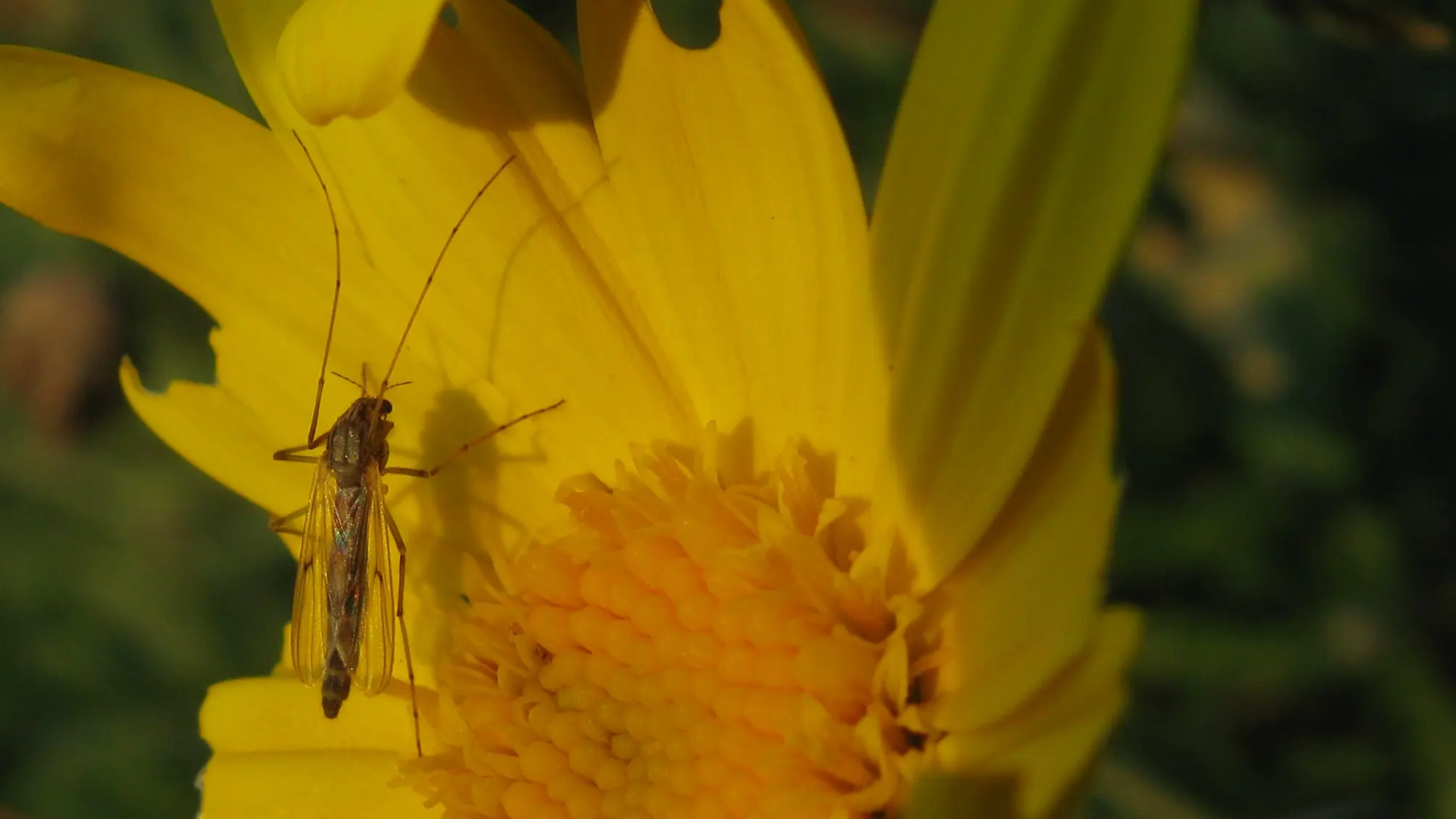
The insect nobody romanticises and every stillwater trout eats — 40–60% of a reservoir trout's diet, year-round, plus the crane flies and hawthorn flies that start a riot when the wind blows.
Caddis: The Architects of the River
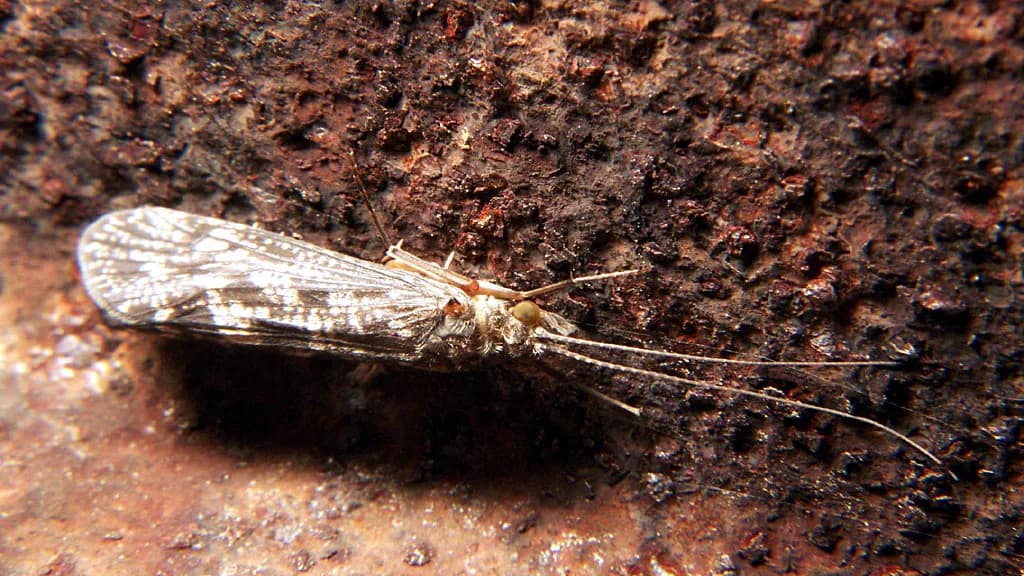
They build houses out of silk, stones, and sticks — then abandon them to rise through the water column in a bubble of gas. The insect that makes the evening rise worth waiting for.
Grannom Apr–May 8–12°C. Evening sedges Jun–Sep. Ascending pupa: the key moment.
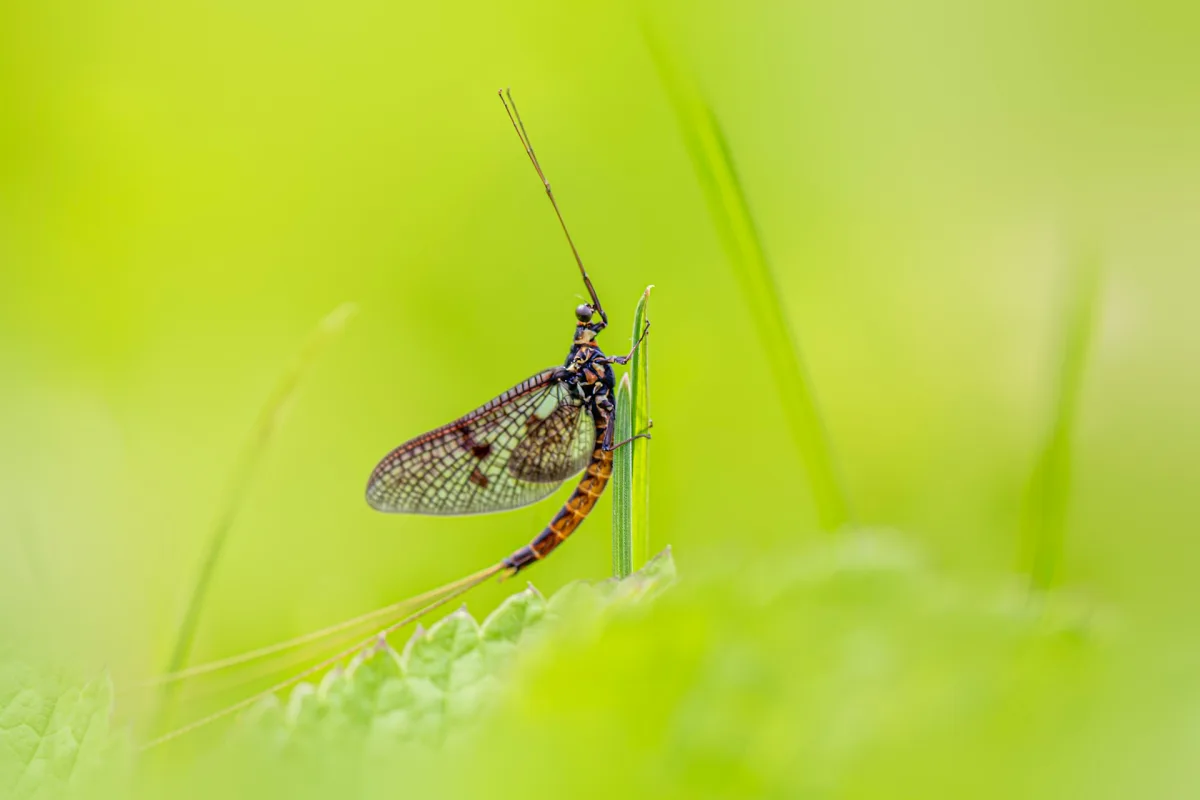
Mayflies: The Oldest Flies on Earth
350 million years old, cannot eat, moult after growing wings — the insect that invented dry fly fishing and still runs every river.
LDO from 5°C. March Brown from 8°C. BWO evening spinner. Green Drake: Duffer's Fortnight.
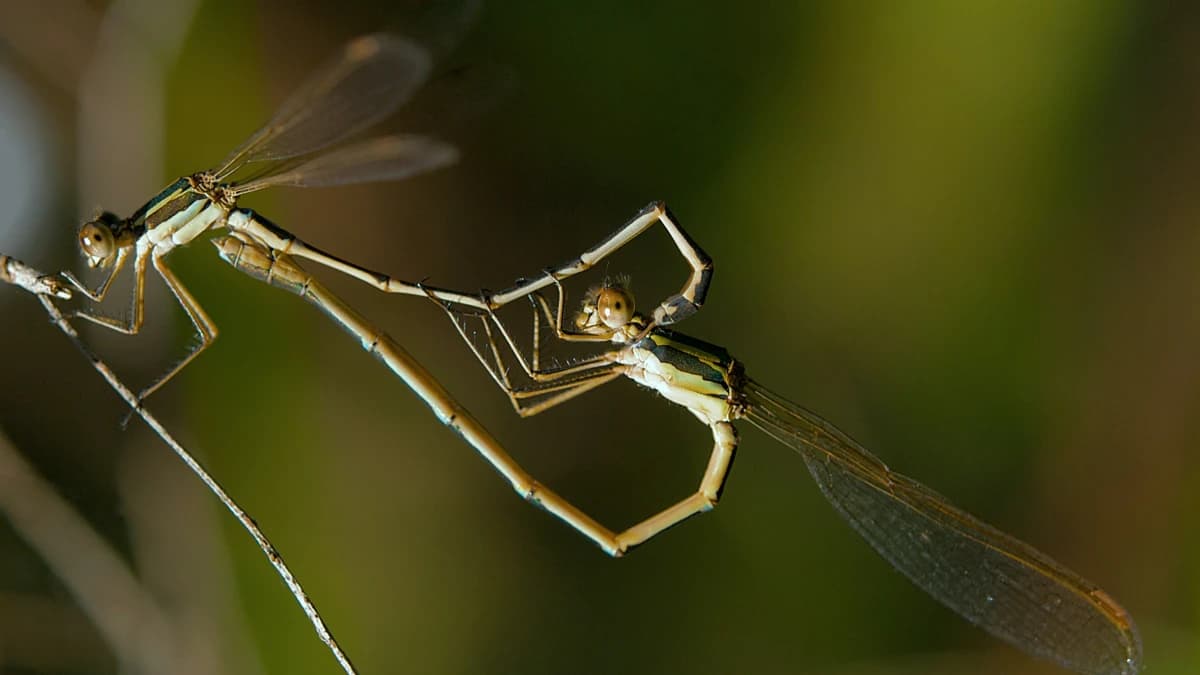
Dragons & Damsels
Jet propulsion, sperm wars, and the most useful nymph in the box — everything an angler should know about dragonflies and damselflies.
Damsel nymph: May–Sep, margins, slow strip. Dragonfly: crawls, doesn't swim.
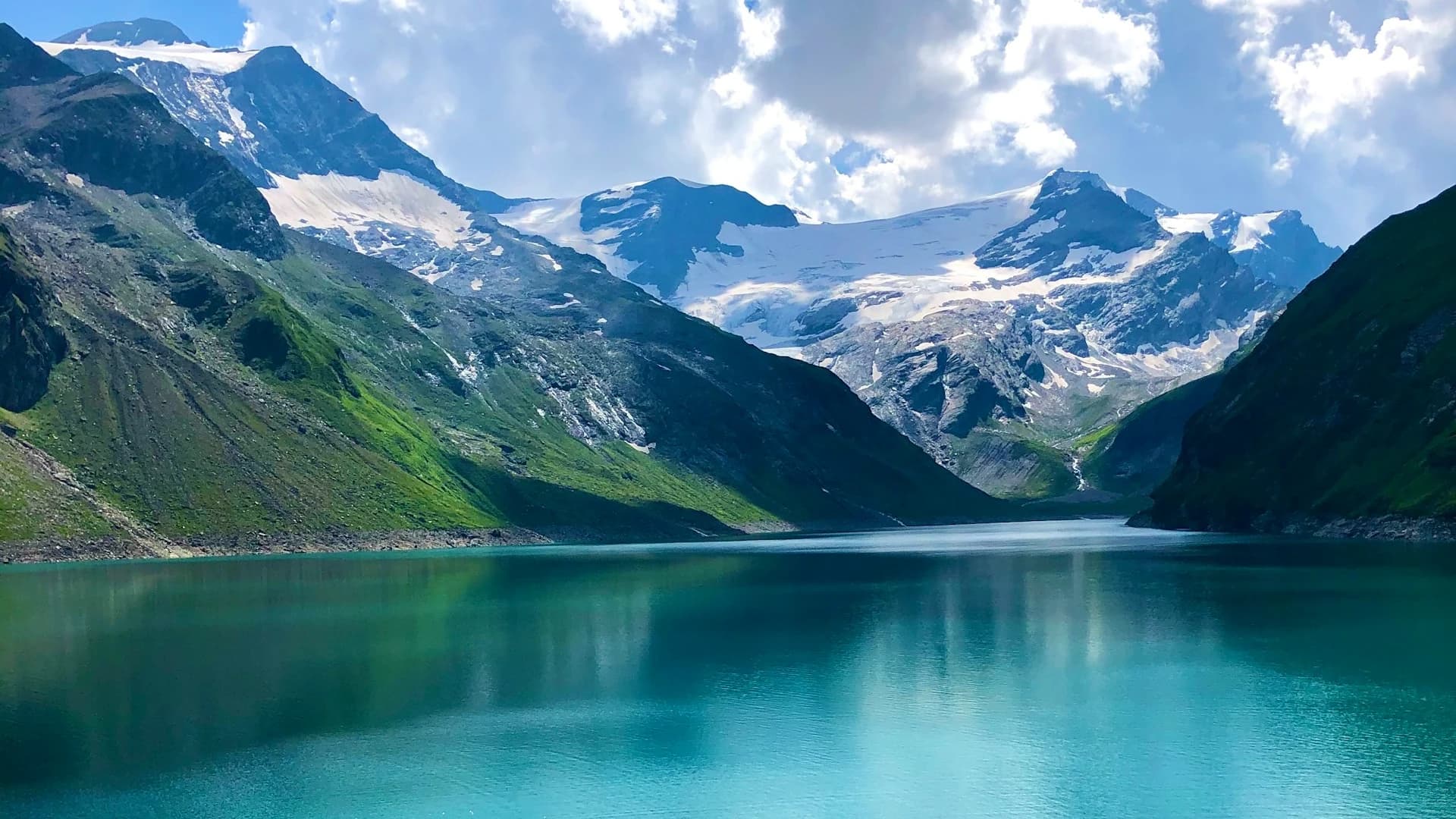
Where the Trout Go When It Warms Up
The invisible architecture of a summer lake — thermoclines, oxygen squeezes, and why the best fish are twenty feet down.
16–19°C surface: fish 10–25 ft. 19°C+: dawn/dusk only.
The Fly Box
Every pattern that earns its place — searchable by species, season, and water type.
Searchable fly box with retailer links
What's Hatching
The insects that run the show — what appears when, and why you should care.
March olive → May mayfly → July sedge → Sept spinner
The Fishing Year
When everything happens — the species in form, the windows that matter, the quiet months that aren't as quiet as you'd think.
Spring trout → summer sea trout → autumn salmon → winter grayling
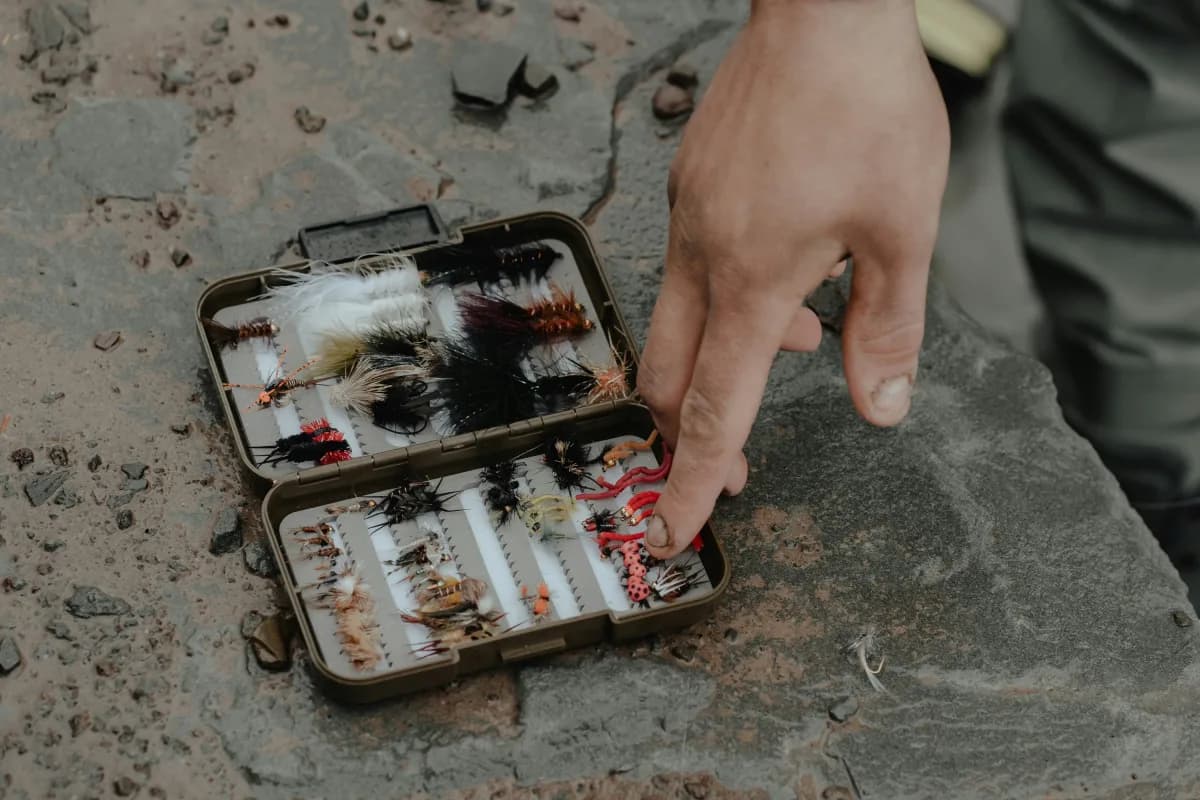
The Hatch on Big Water
Buzzers, daphnia clouds, damsel migrations — what the trout are actually eating on reservoirs, and why changing depth matters more than changing fly.
Buzzers: 60% of diet. Change depth before fly.
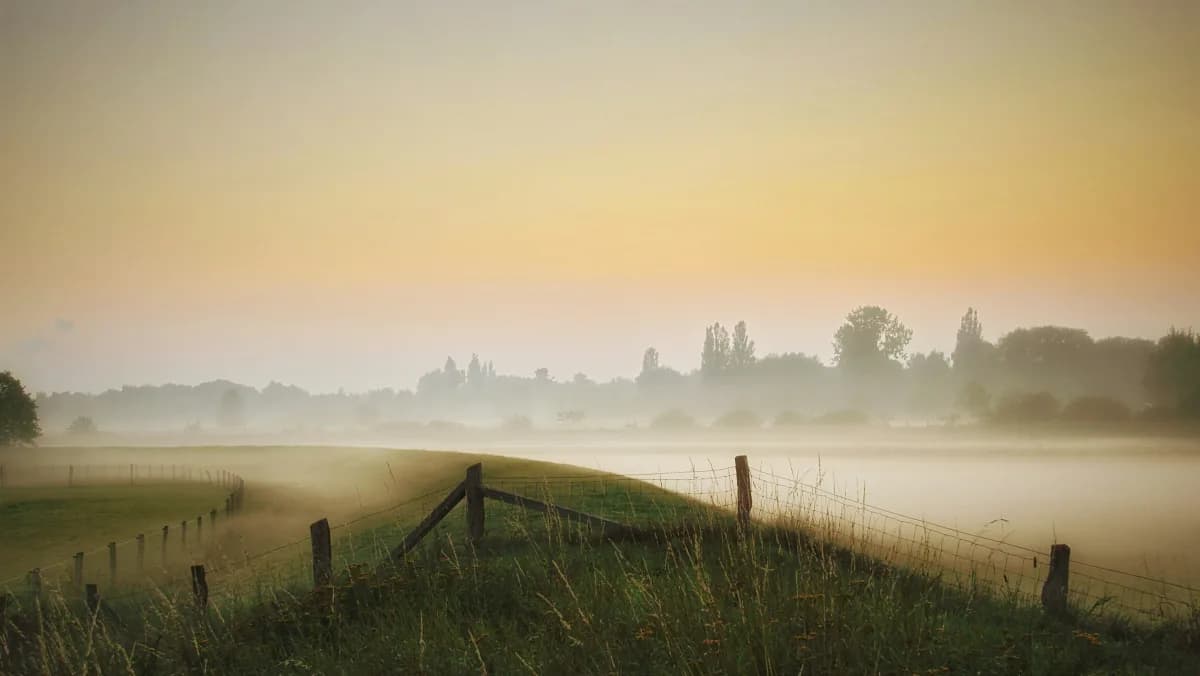
Trout Near London
Stillwaters within an hour, wild trout on the Wandle in your lunch break — closer than you think.
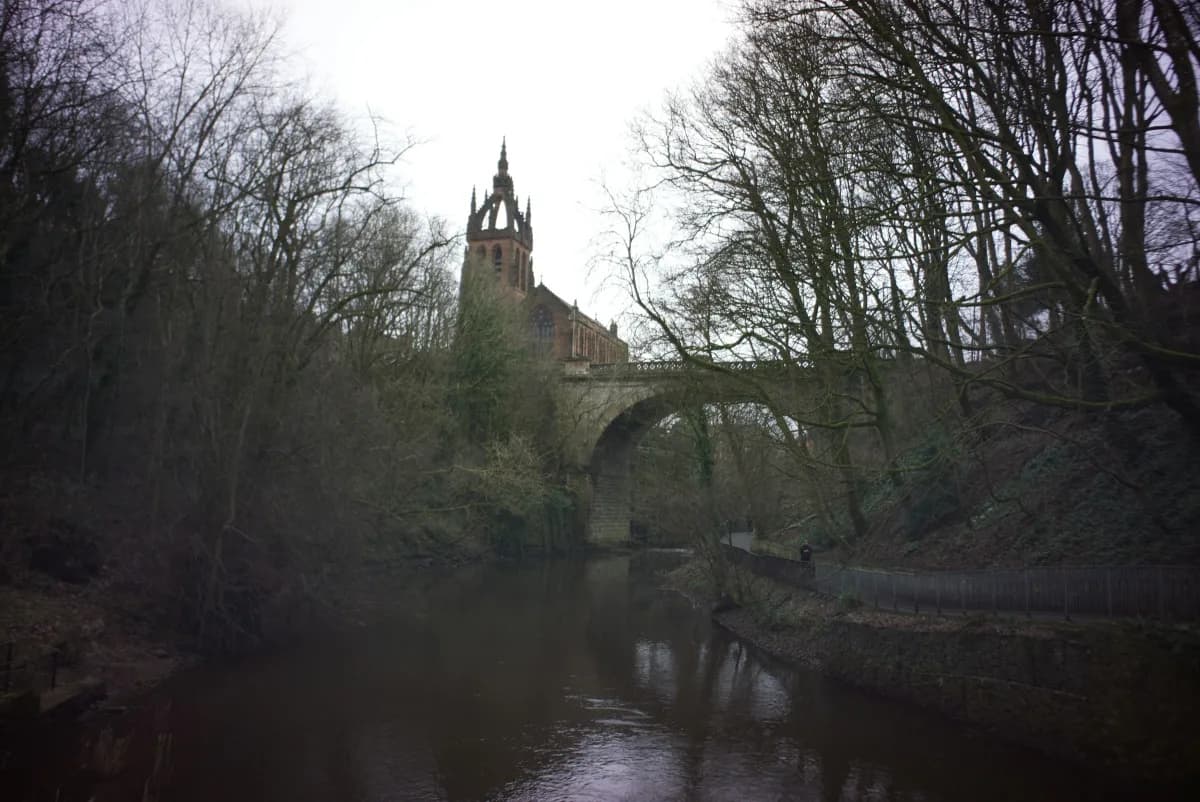
Fly Fishing Near Glasgow
Wild trout and grayling on the Clyde, salmon and sea trout on the Leven and Lomond, stocked rainbows half an hour from the city.
Clyde for wild trout. Lomond for salmon. Carbeth for the after-work session.
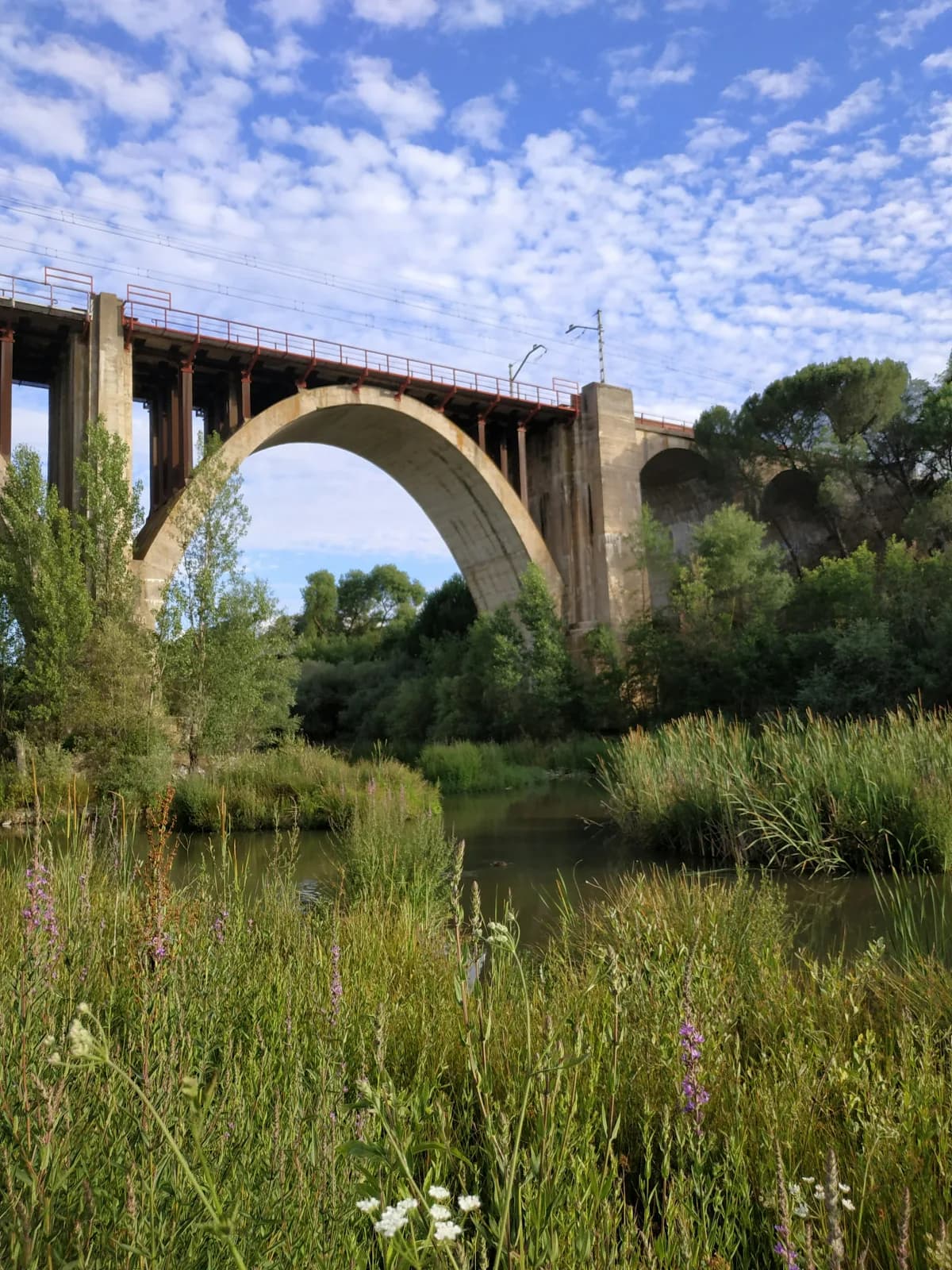
Fly Fishing Near Madrid
Iberian brown trout on the Lozoya cotos, warmwater bass and barbel on the big reservoirs, and Gredos for the proper trout escape.
Lozoya for trout (permit-only). Picadas / San Juan for bass. Gredos when you can spare the drive.
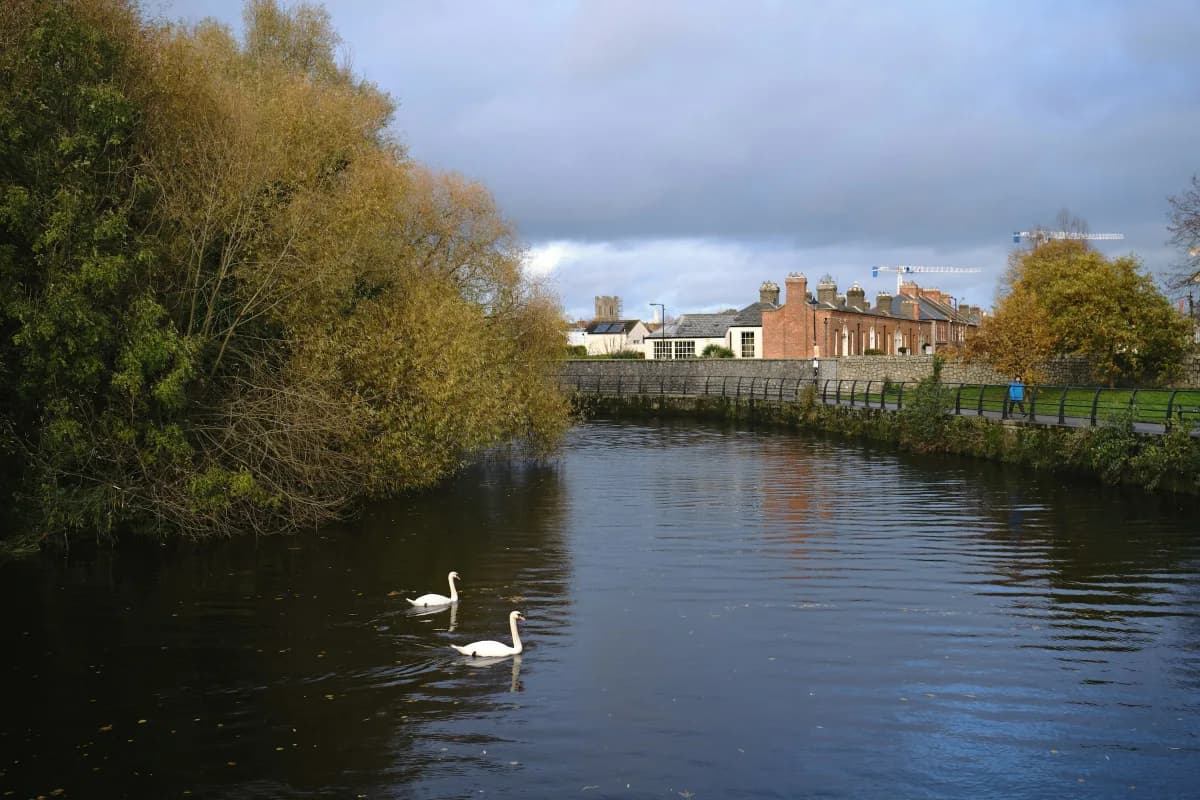
Fly Fishing Near Dublin
Urban wild trout on the Dodder, the Liffey and the Boyne for the proper day, Annamoe and Courtlough for the easy one, and the Dargle for sea trout into the dusk.
Dodder for after work. Boyne for the day. Annamoe when the rivers are off.
Fly Fishing Near Bristol
Chew and Blagdon for serious reservoir trout, the Usk for wild brown trout, the Upper Wye for grayling, and Manningford for the clear-water alternative.
Chew and Blagdon for the reservoir day. Usk for wild trout. Upper Wye for grayling.
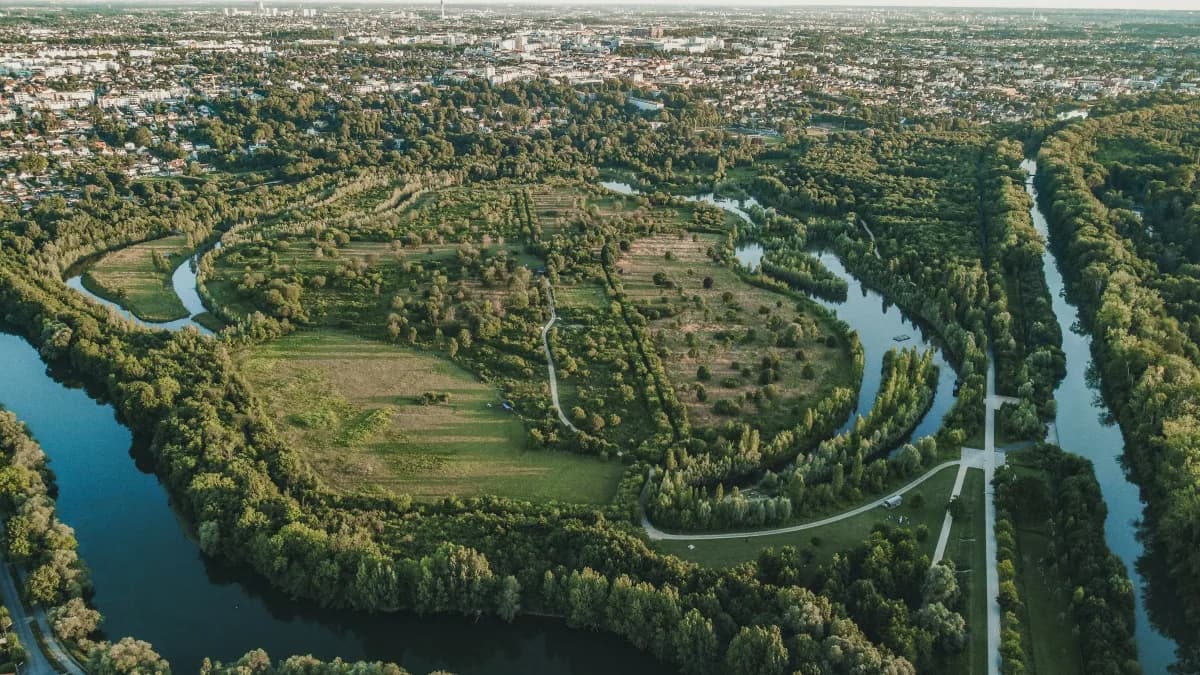
Fly Fishing Near Paris
Three honest lanes within ninety minutes of the Périphérique — fly-only stillwaters, small first-category streams in Seine-et-Marne, and an urban warm-water fishery on the Seine, Marne, Loing and the canals.
Gravelle for the half day. Coyolles for the full day. Marne / Seine / Loing for everything else.
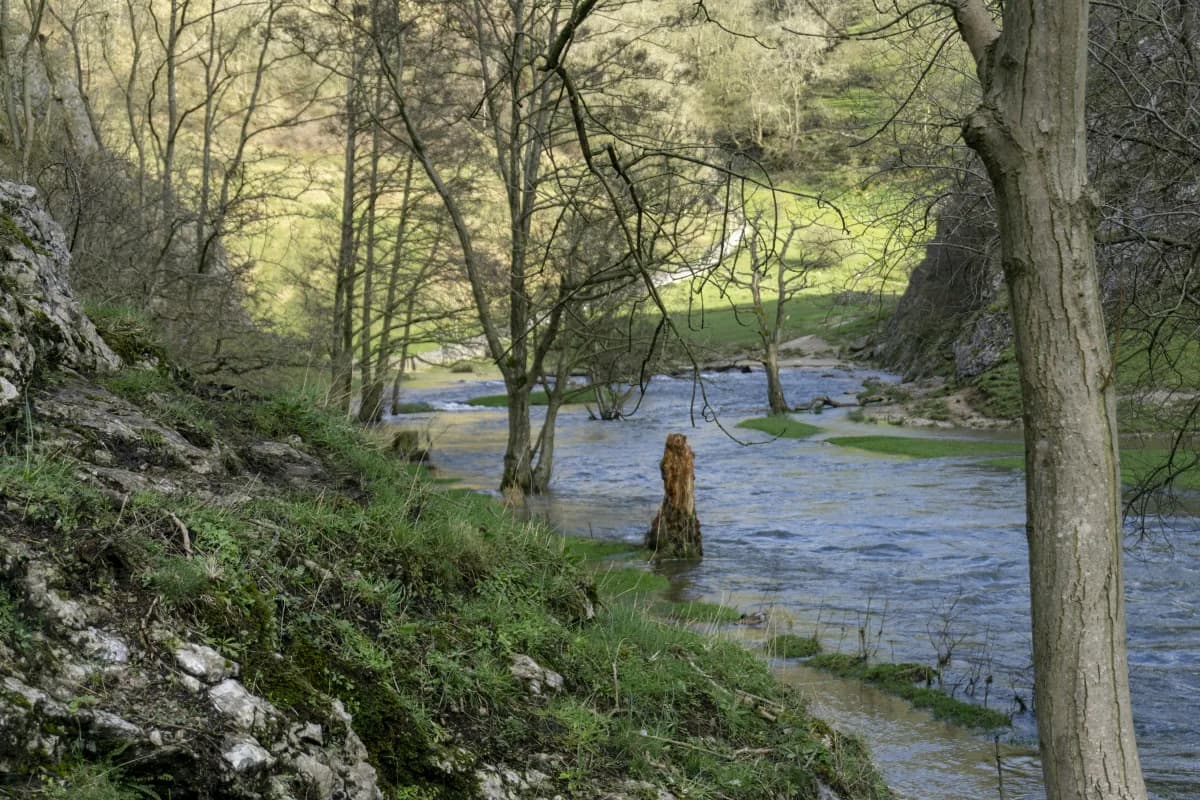
Fly Fishing Near Manchester
The Peak District for trout and grayling on the Derbyshire Wye, Derwent and Dove, the Dane for wild browns on the Cheshire edge, the Ribble and Hodder to the north, and a couple of stocked stillwaters for the days when the rivers will not behave.
Derbyshire Wye for the headline day. Dane for wild browns. Ribble for grayling. Pennine for the short notice.
Fly Fishing Near Barcelona
The Ter around Anglès and La Cellera for the best day, the Cardener for the closest credible water, Malagarriga and the intensive cotos when the wild rivers are off, the upper Ter and upper Llobregat for Pyrenean character, plus an honest pass at sea bass on the Catalan coast.
Ter for the best day. Cardener for convenience. Upper Ter for Pyrenean character. Gencat licence + ZPC permit.
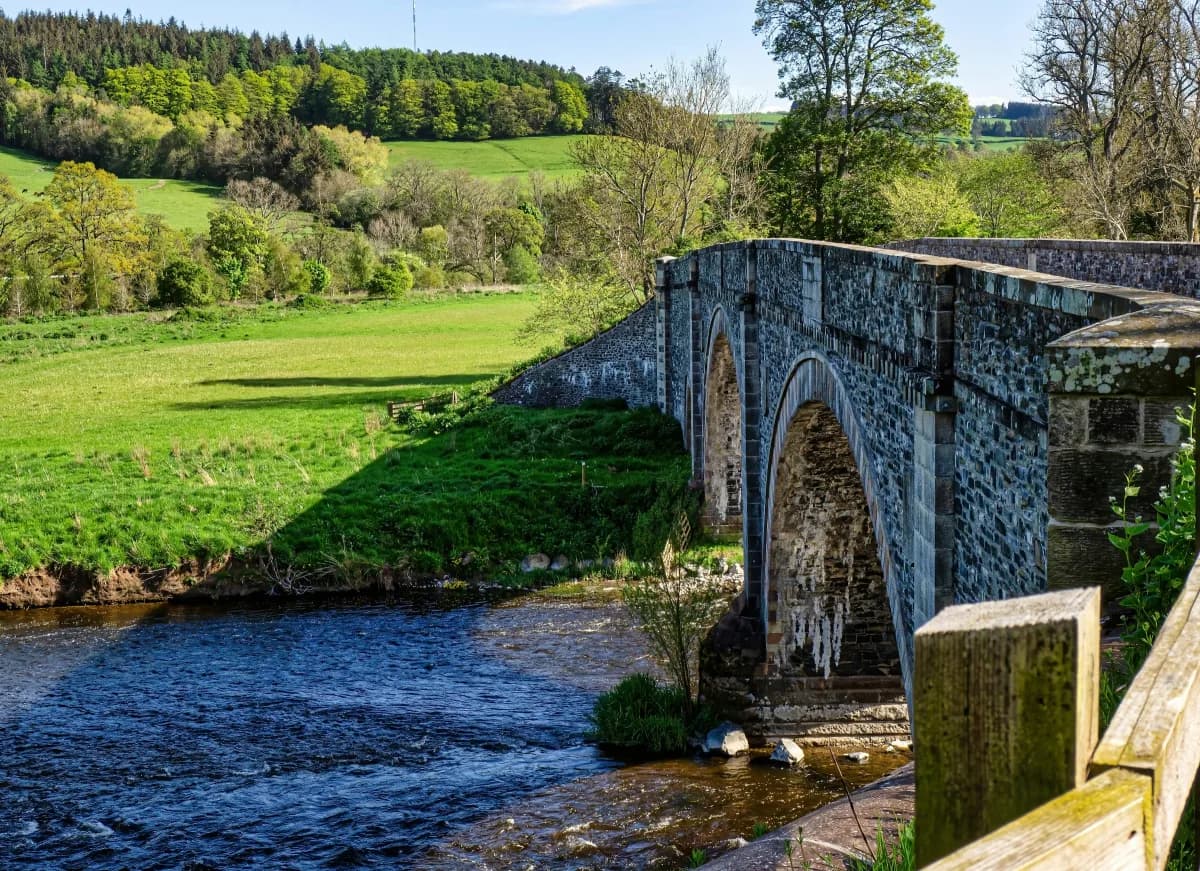
Fly Fishing Near Edinburgh
Pentland Hills trout reservoirs within half an hour, wild brown trout on the Tyne and the Esk, urban trout on the Water of Leith, and the River Tweed for brown trout, grayling, sea trout and salmon.
Harlaw and Threipmuir for the stocked day. Tyne for wild trout. Tweed for the flagship trip.
Fly Fishing Near Belfast
Wild brown trout on the Lagan inside the city, stocked rainbows at Hillsborough Lake and the DAERA reservoir belt, dollaghan and wild trout on the Six Mile Water, and the Lough Neagh tributary system for the dollaghan — a migratory brown trout endemic to Northern Ireland found nowhere else in the world.
Lagan for the local session. Hillsborough for the easy day. Six Mile Water for proper river fishing. Maine and Braid for dollaghan. Bush for salmon.
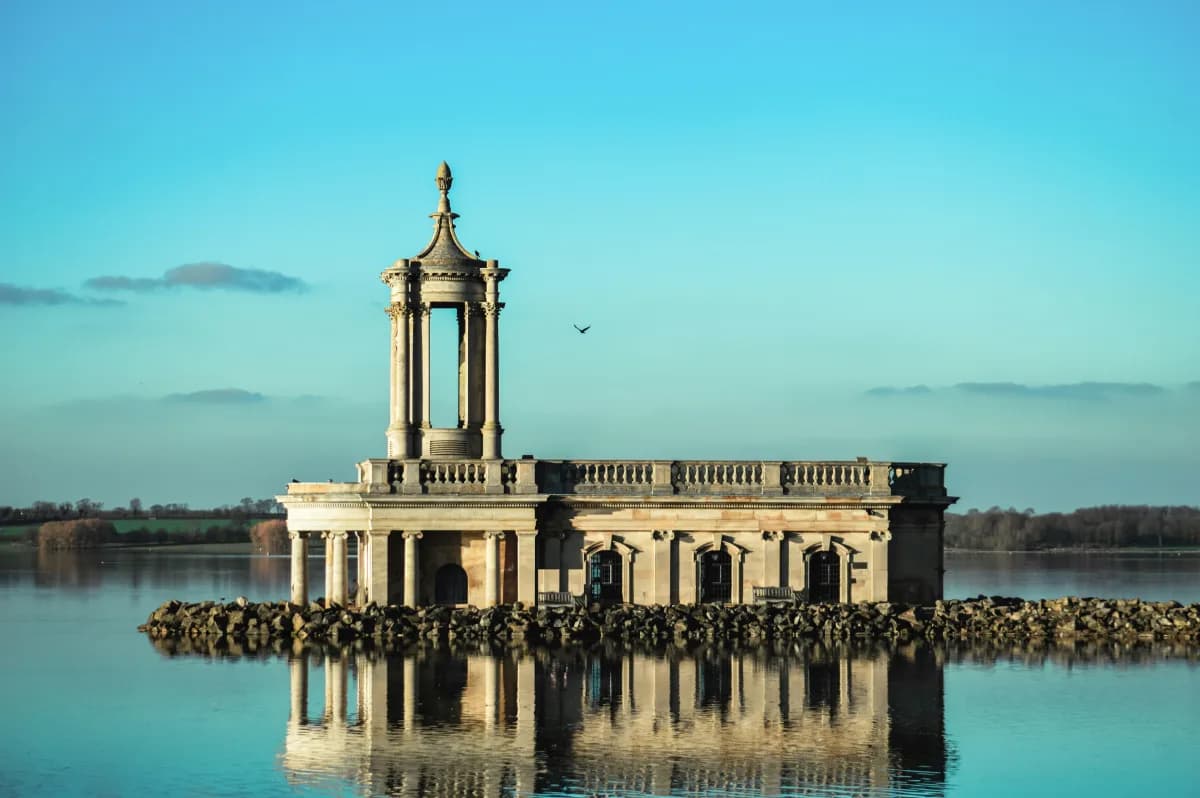
Fly Fishing Near Birmingham
Draycote and Blithfield for the immediate reservoir fix, Pitsford, Rutland and Grafham for the big-day upgrade, the River Teme to the west for grayling and mixed river fishing, and the Dove and Derbyshire Wye for anglers willing to commit to the Peak District drive.
Draycote for the day. Blithfield for the north. Teme for grayling. Derbyshire Wye for the limestone classic. Rutland for the occasion.
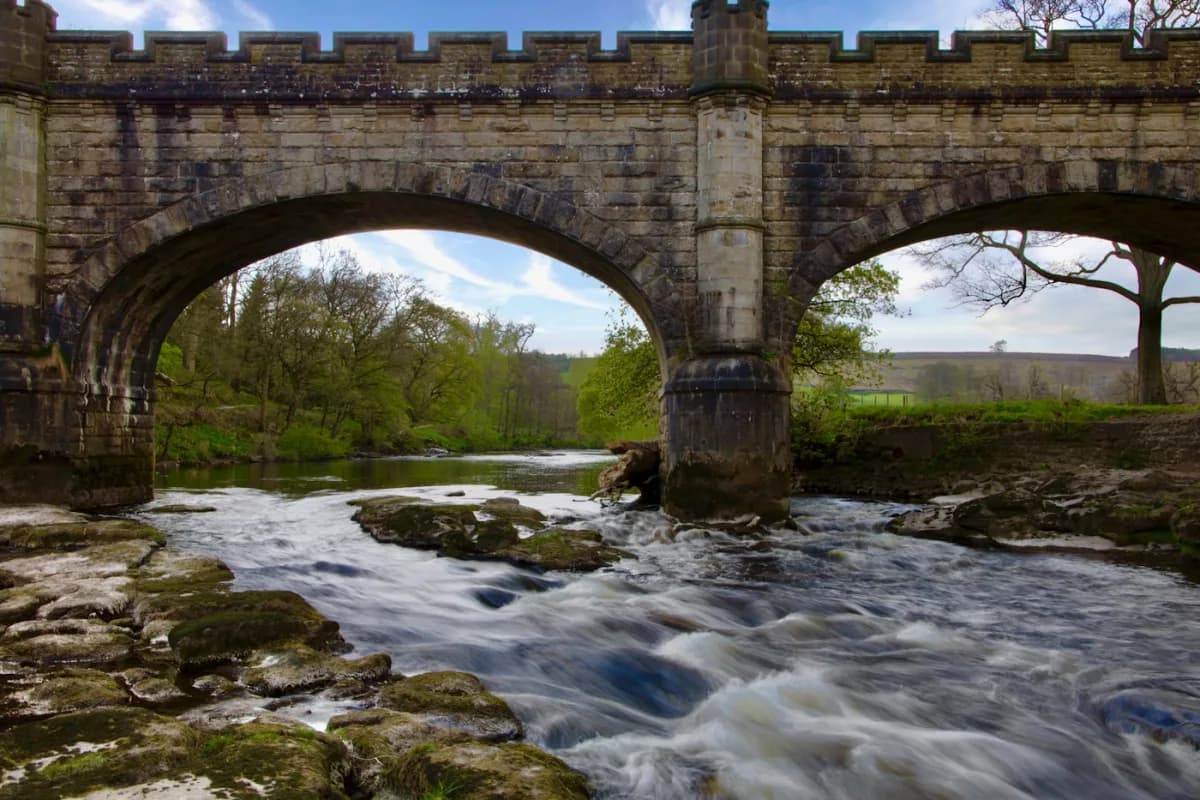
Fly Fishing Near Leeds
Wild trout and grayling on the River Wharfe at Ilkley and Bolton Abbey, reservoir trout at Fewston and Thruscross in the Washburn Valley, the River Nidd in Nidderdale for the quieter option, and limestone beck fishing in upper Wharfedale.
Wharfe at Ilkley for the easy day. Bolton Abbey for the prestige beat. Fewston when the river is off. Nidd for the quieter option. Kilnsey for the limestone day.
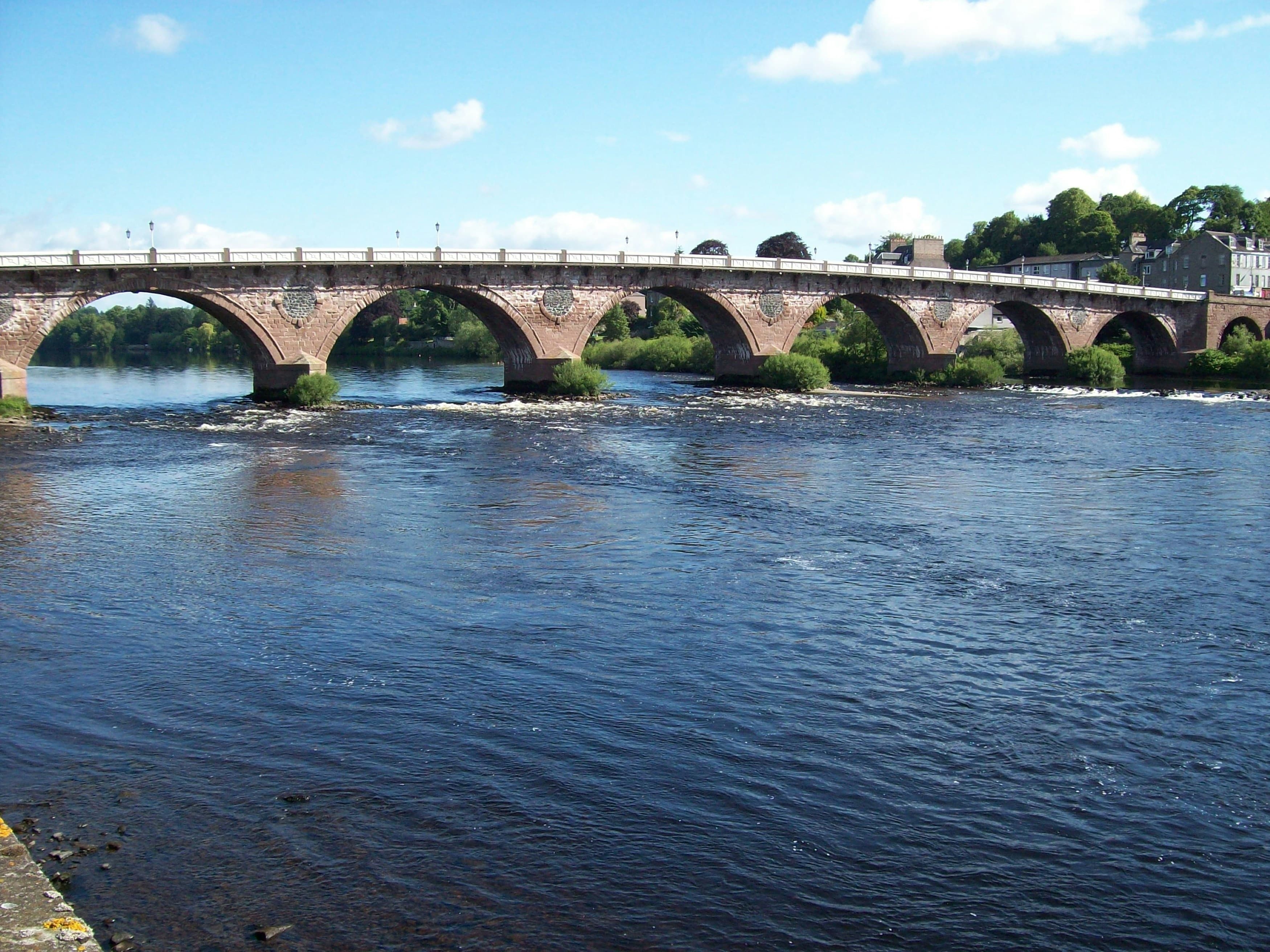
Fly Fishing Near Perth
River Tay and River Earn salmon and brown trout through Perth & District Anglers Association, plus boat-fished wild brown trout on Loch Leven — all within an hour of Perth.
The Tay for the big spring day. The Earn when the Tay is too much river. Loch Leven for boat-fished wild browns and a century of reputation behind them.
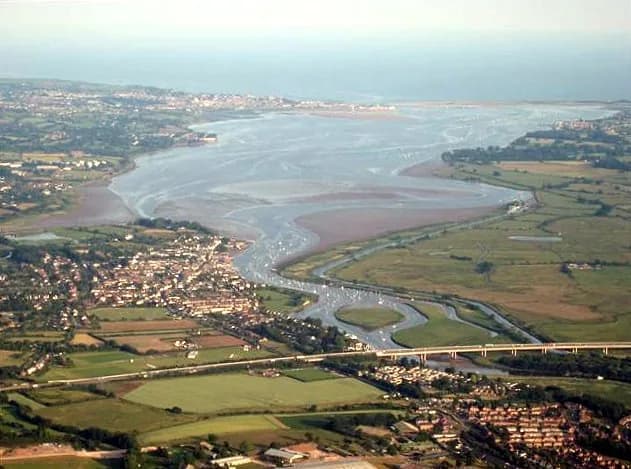
Fly Fishing Near Exeter
River Exe day tickets in the city, Dartmoor spate-river fishing on the Teign and Dart for salmon and sea trout, and Kennick and Fernworthy reservoirs for the stillwater fix — all within an hour of Exeter.
The Exe for the easy start. The Teign for the moorland spate-river day. The Dart for the expedition. Kennick and Fernworthy when the rivers are blown out.
Fly Fishing Near Swansea
Free River Tawe town water, club water for salmon, sewin and brown trout through Pontardawe and Swansea Angling Society and Tawe & Tributaries Angling Association, plus the wider Loughor, Afan, Neath and Amman cluster — all within half an hour of Swansea.
The free Tawe stretch for the no-permit start. Club water above it for the real river. The wider valleys cluster when you want to see what else is holding fish.
Fly Fishing Near Southampton
Free River Itchen town water in Winchester, Test day tickets at Bossington and Broadlands, and Avington Trout Fishery for the easier day — access to two of the world's most famous chalk streams within half an hour of Southampton.
Winchester's free Itchen water for the no-cost start. Bossington for the real Test experience. And the mayfly, if you can get on the water for it, is worth planning a year around.
Fly Fishing Near Oviedo
River Nalón in the city, wild Atlantic salmon on the Río Narcea, and the coto sorteo permit system that governs Asturian salmon and trout rivers — plus the easier coto intensivo reservoirs near Oviedo.
Enter the September sorteo for a real shot at the Nalón or Narcea. The intensivo reservoirs for the day that doesn't depend on a lottery.
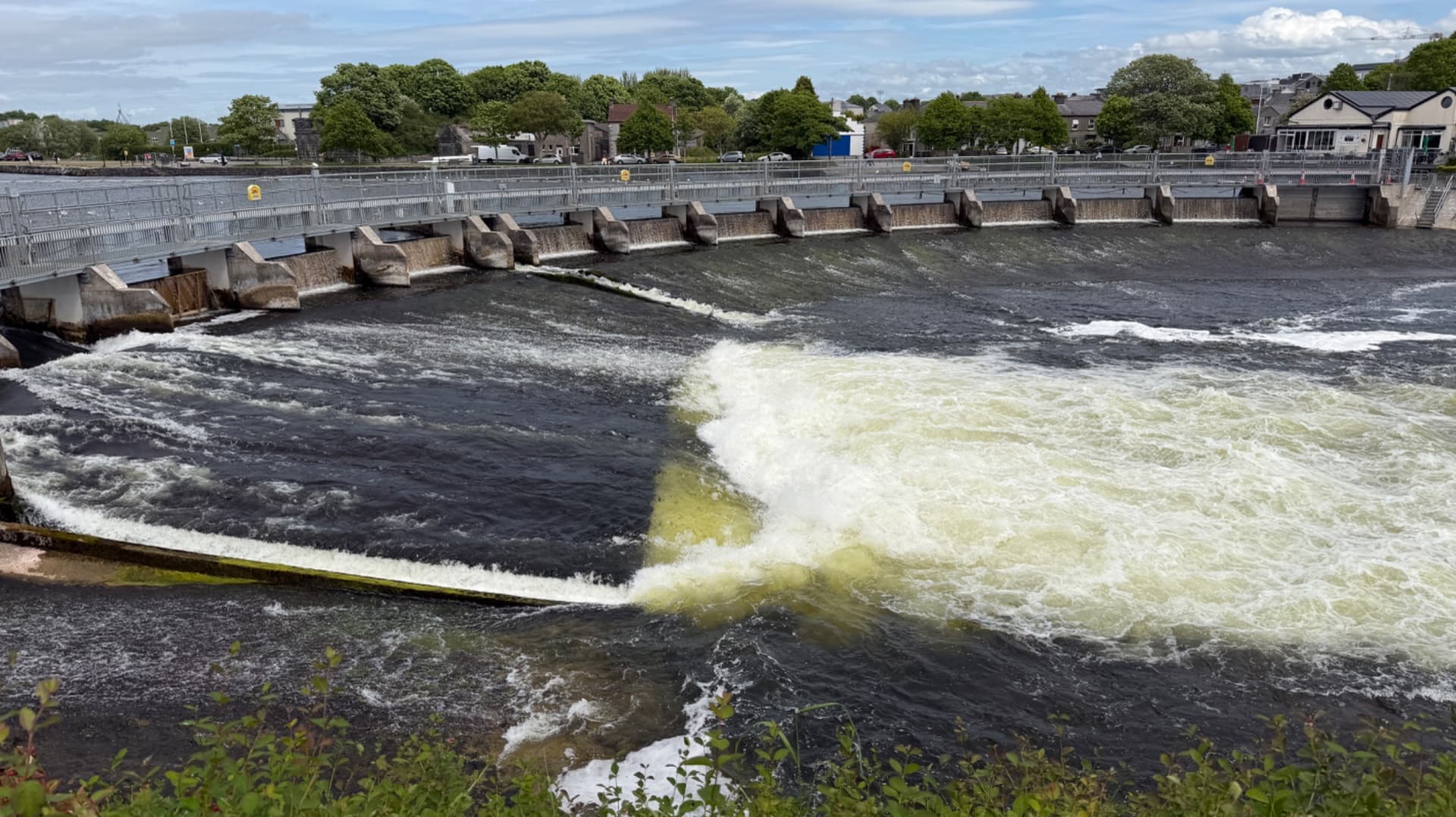
Fly Fishing Near Galway
Galway Fishery salmon on the Corrib in the city, Lough Corrib wild brown trout and mayfly, and Connemara's Ballynahinch, Costello/Fermoyle and Screebe/Gowla systems for salmon and sea trout — all within an hour of Galway.
The Galway Fishery for salmon in the city itself. Lough Corrib for the mayfly. Ballynahinch and the Connemara systems for the full western Irish experience.
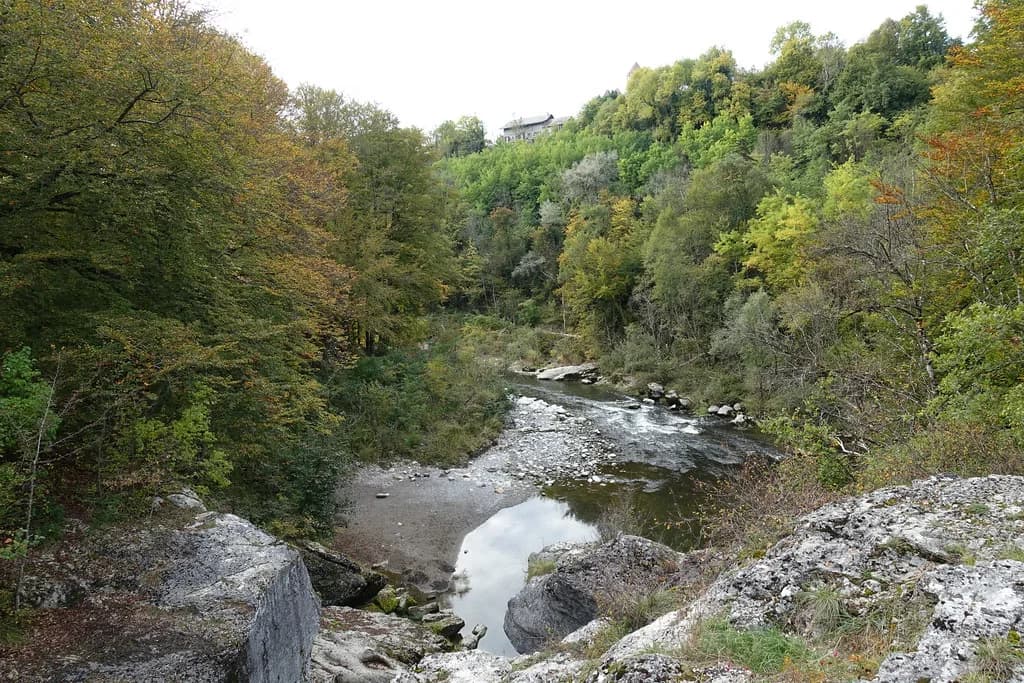
Fly Fishing Near Annecy
Wild fario trout on the Fier, Usses and Fillière through AAPPMA Annecy Rivières, and Lac d'Annecy for the stillwater option — Alpine fly fishing within easy reach of Annecy.
The Fier for the near-town wild trout session. The Usses and Fillière for the quieter tributary day. Lac d'Annecy when the rivers are running high.
Fly Fishing Near Liverpool
The Welsh Dee at Llangollen for migratory fish and grayling, and the River Ribble at Ribchester and Clitheroe for day-ticket salmon and sea trout — the two best rivers within about an hour of Liverpool.
The Dee at Llangollen for migratory fish and famously good grayling. The Ribble at Ribchester or Clitheroe for one of England's best salmon and sea trout rivers.
Fly Fishing Near Inverness
River Ness salmon fishing through Inverness Angling Club, the Beauly and Conon a short drive further, and the Findhorn and Spey within reach — one of the great concentrations of Highland salmon rivers anywhere.
The Ness for the in-city start. The Beauly and Conon for accessible club water a short drive further. The Findhorn and Spey for one of Scotland's truly great rivers.
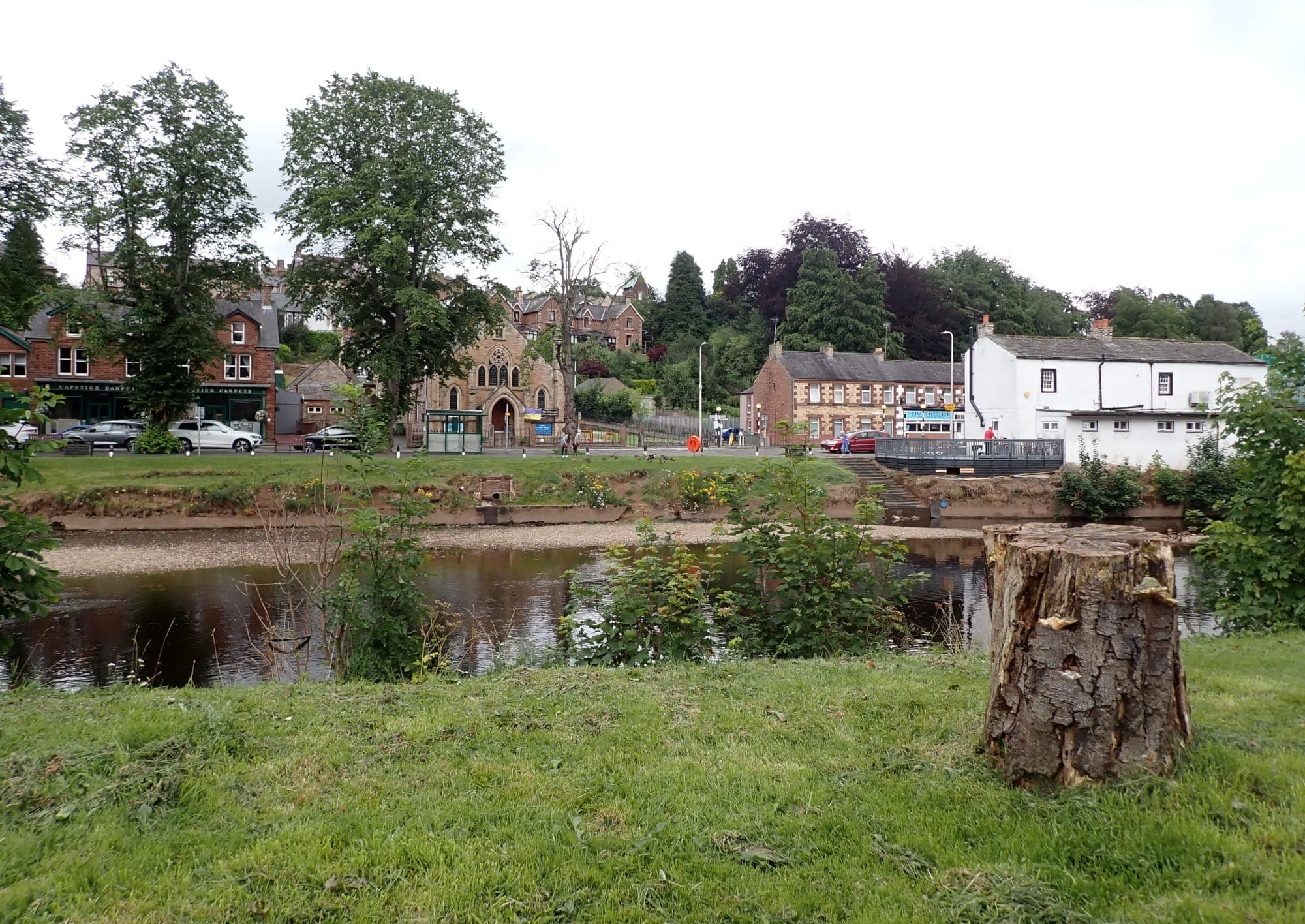
Fly Fishing Near Carlisle
Wild brown trout and grayling on the River Eden through Appleby Angling Association, a back-end salmon run on the upper river, and the Annan and Border Esk over the Scottish border — all within reach of Carlisle.
The Eden for wild brown trout and grayling that rank among the best in England, with back-end salmon as the bonus, not the point.
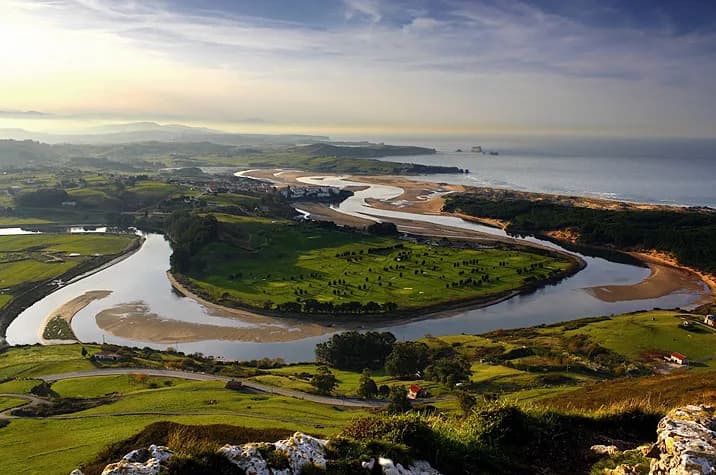
Fly Fishing Near Santander
Classic Cantabrian trout water on the Pas and Pisueña, and the Asón — one of the region's two best migratory-fish rivers — all within half an hour of Santander.
The Pas system for classic technical Cantabrian trout fishing. The Asón for one of the region's two best migratory-fish rivers.
Fly Fishing Near Nottingham
Rutland Water's genuinely open reservoir trout fishing, and the historic Derbyshire Wye and Dove — fished and written about by Izaak Walton — within an hour of Nottingham.
Rutland Water for the genuinely open, excellent day. The Wye or Dove, via a hotel stay, for fishing on water with real history behind it.
Fly Fishing Near York
The River Rye and North York Moors becks, through Ness Fly Fishers and Ryedale Anglers — York's own brown trout and grayling water, distinct from the Wharfe and Nidd covered in the Leeds guide.
The Rye for York's own quieter, moorland-edge water. The Wharfe and Nidd, in the Leeds guide, when the Dales side of the county is what's wanted.
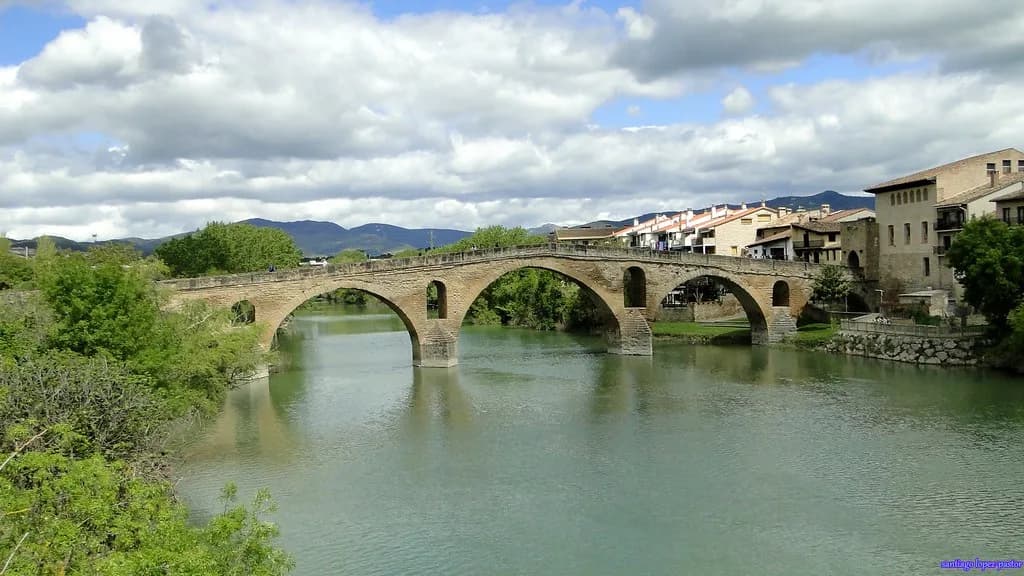
Fly Fishing Near Pamplona
Río Arga trout fishing in the city, and the Río Irati — the finest trout river in the Navarrese Pyrenees — under the Gobierno de Navarra's licencia and coto permit system.
The Arga for the easy city-river start. The Irati, planned well ahead, for some of the finest wild trout fishing the Navarrese Pyrenees have to offer.
Fly Fishing Near Bilbao
Salmon and sea trout on the Artibai and Deba, Basque coastal rivers under a single fluvial fishing licence covering Álava, Gipuzkoa and Bizkaia — within about 40 minutes of Bilbao.
The Artibai and Deba for a quieter, less internationally known slice of Basque coast salmon and sea trout fishing.
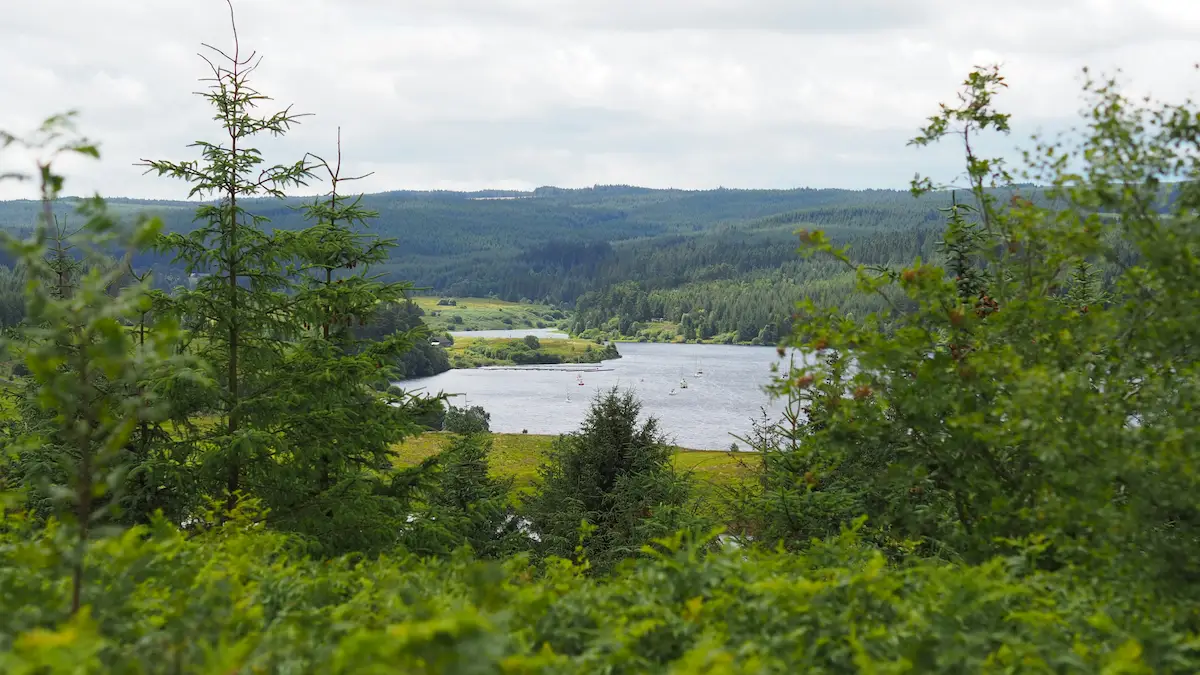
Fly Fishing Near Newcastle
Salmon and sea trout on the River Tyne, wild brown trout and sea trout on the River Coquet, sea trout and grayling on the River Wear, and reservoir trout at Derwent, Fontburn, Kielder Water and Grassholme — all within 90 minutes of Newcastle.
Derwent for reliability. The Coquet for Northumberland character. The Tyne for the migratory game — earn it first. Fontburn when Derwent is busy. Kielder for the full day.
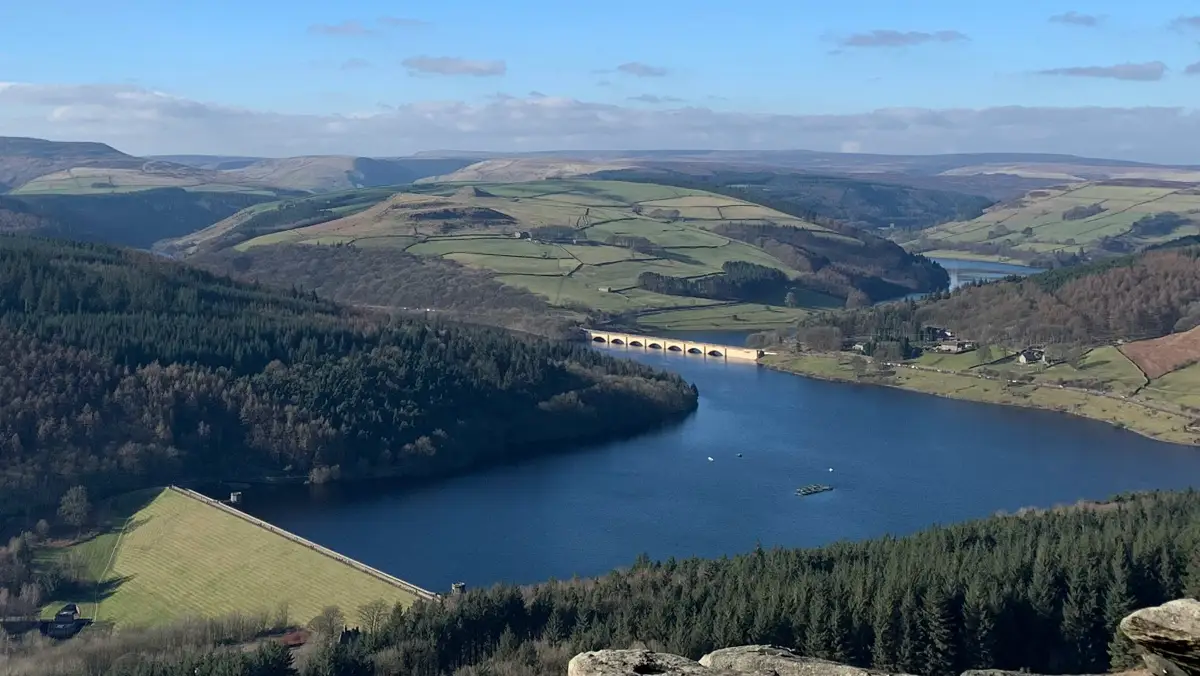
Fly Fishing Near Sheffield
Wild trout and grayling on the urban Don, Loxley, Rivelin and Sheaf; reliable stocked trout at Ladybower; wild river fishing on the Derwent below the dam; upland reservoir trout at Derwent and Howden; and the Derbyshire limestone rivers — Wye, Lathkill, Bradford — for the destination day.
Ladybower for the headline day. The urban Don for a quick session. The Derwent below the dam for wild fish. Scout Dike when you want something closer. The limestone dales when you want to ask harder questions.
Fly Fishing Near Cardiff
Winter grayling on the Taff inside the city, wild trout up the valleys, Llandegfedd for the stocked stillwater day, and the River Usk — the best wild-trout trip within reach of any Welsh city.
Taff for grayling all winter. Upper Taff for wild trout. Llandegfedd for the easy day. Usk when it matters most.