Fishing the Sedge Hatch
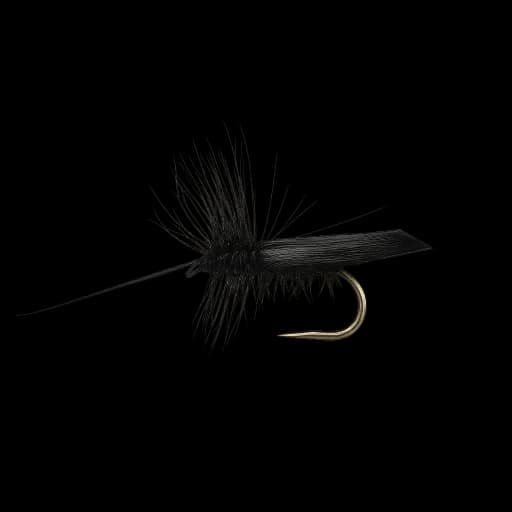
The sedge is the insect that makes a sensible trout behave badly. It does not drift politely like an olive. It bursts through the surface, scuttles, skates and flutters, and the fish go after it with a splash that you hear before you see. On a warm June evening it is the best hour on the river.
When and Where
April and May for the grannom on rivers that have it, then the evening sedges from June to September, when the light goes and the river settles. Fish them at the tail of a pool, in the glides below a riffle and along the bank where the adults are blown or crawl onto the water. On a summer evening the best fishing begins as the sun leaves the water. Many beats stop at sunset or an hour after, and byelaws restrict night fishing in some regions, so check your permit's hours before you plan on fishing into the dark. Check the water temperature on the venue page first: a warm evening that suits the sedge can also be a day when the fish are already stressed.
Flies and Tackle
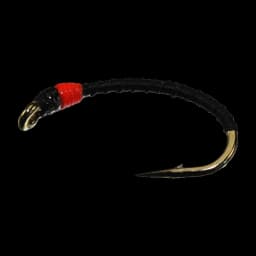
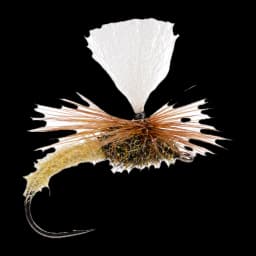
A 9 foot rod for a 4 to 6 weight and a floating line. A 9 to 12 foot leader tapered to 3x or 4x, down to 5x for the smallest flies: sedge fishing is done in poor light, the flies are bigger than an olive and the fish take hard, so there is no need to go as fine as for a spinner. Elk hair or CDC adults in size 10 to 16, in tan, brown, olive and cinnamon; a spider or a soft hackle in the same colours; and an ascending pupa in size 12 to 16, with an olive-green body for the grannom. Floatant for the adult and none for the pupa, which should sit in the film or just under it. A small torch for tying on in the dusk, and a head torch you can switch off. Wade only water you have waded in daylight, and wear glasses: a size 10 elk hair on a back cast in the dusk is hard to see coming.
The Stages of the Hatch
Look first. Sedges are moth-like, with the wings held roof-shaped over the body. Check the bankside leaves, the spiders' webs and the water, and look at the fish: a splash rise, or a fish that swirls and turns, is usually after a sedge and not a dun.
Decide which stage. During a hatch the fish take the pupa as it rises and breaks through the film, and the rise is a bulge or a swirl, often with no fly in sight. Fish an ascending pupa in the film, or on the swing: see Emerger Fishing and Soft Hackle & Spider. When the adults are on the water, fish an adult.
Fish the adult on a dead drift first: an Elk Hair Caddis or a CDC Sedge, cast up and across, with a good dose of floatant. If the fish want it moving, skate it across the current with a short twitch: see Skated or Waked Dry Fly, and the Riffling Hitch to make the fly wake.
Fish the egg-laying females at dusk. The female returns to the river to lay, flutters over the water or dives below it, and the fish take her with a determined splash. A skated or twitched adult, or a spider on the swing, works best.
Give the fish a beat, then lift. A sedge take is often a hard splash and the fish are usually well hooked. On a dark evening, lift on the sound of the rise and the pull on the line.
Stop in time. If the water is warm, the fish are slow to recover from a fight, so use a strong tippet, play the fish quickly and release it in the water. See Fishing Low, Clear Water for the temperature stops.
Common Mistakes
Season, Species and Water
Through the year
The grannom hatches in April and May on rivers with a good caddis population, usually in the middle of the day, and the females return to lay in the afternoon. Evening sedges run from June to September; the medium and cinnamon sedges come first, and the large sedges come later in the summer. In October the caperer is the last big sedge of the year. On cold days the hatch is thin and the fish are taking pupae, so fish a pupa or a spider rather than waiting for adults.
By species
Trout and grayling both take the sedge, and a trout that ignores everything else will often take a sedge pattern at dusk. Grayling take the pupa and the spider better than the adult. Sea trout take a sedge at night: see Night Sea Trout for the method. Salmon do not feed in fresh water, but a skated sedge fly or a riffling hitch will still move a fresh fish on a warm summer evening, where the beat allows it.
By water
Sedges are found on every river in the UK and Ireland, and the evening hatch is best on limestone and chalk rivers and on the lower reaches of the northern spate rivers. The grannom is the great April hatch of rivers such as the Test, the Kennet, the Usk and the Wye. On the Irish loughs the great red sedge, the murrough, brings the fish up from July into September, and is fished from a boat or the bank at dusk. Check the beat rules on the use of surface flies at night and on the permitted hours. See Upstream Dry Fly for the general dry-fly method.
More in Watercraft & Presentation
The river is the hero, not the app. · © 2026 Rise Daisy