Sea Trout by Day and in the Estuary
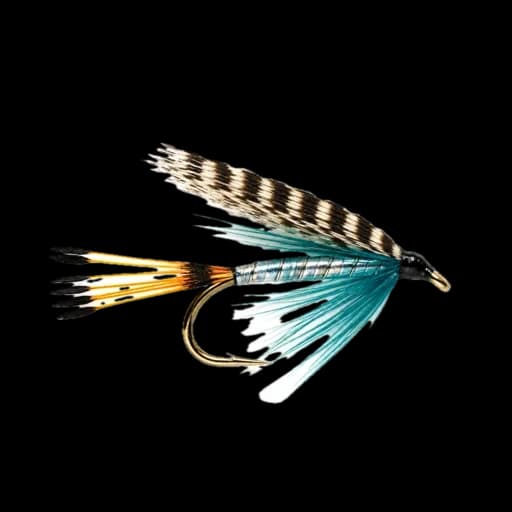
The sea trout is a night fish in a British river in high summer. It is not a night fish everywhere, and it is not one all the year. In the estuary it feeds on the tide, in daylight, on sandeels, sprats and shrimps, and in a coloured river in spring and autumn it will take a fly at noon.
Where and When
Four places, each with its own season. The estuary and river mouth from late spring to autumn, in the hours either side of high water. A coloured, falling river in April and May and again in September and October, on an overcast day. The Irish loughs, where sea trout are daytime fish fished from a drifting boat, though runs on loughs such as Currane are much reduced and most now require catch and release: check the current rules. And the Cantabrian rivers, where the reo takes by day on the falling water, as a salmon does. In a clear, low British river in July and August, wait for dark: see Night Sea Trout.
Tackle and Flies
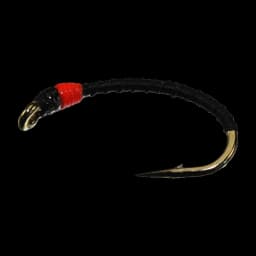
A 9 to 10 foot rod for a 6 to 8 weight, which handles the wind on an open shore. A floating line for the river and the shallows, and an intermediate or a sink-tip for the estuary channels: see Sinking & Intermediate Lines. A 9 foot leader with a tippet of about 8 lb in the estuary and 5 to 6 lb in a coloured river. Flies: small silver-bodied wets in size 8 to 12, such as a Teal Blue and Silver, a Peter Ross or a Silver Stoat's Tail; and sandeel, sprat or shrimp patterns on a long-shank hook in size 6 to 10. Chest waders with a belt, a wading staff, a tide table, a whistle and a phone in a waterproof bag. Rinse the line, reel and rod in fresh water after a day in salt. Wear an inflatable lifejacket over the waders, tell someone where you are, and read the time of high water for your estuary, not the nearest port.
On the Water
Check the rules before you go. A rod licence or permit, the close season, the beat and the estuary limits all apply, and on many rivers every sea trout must be returned. See The Rules of the Water.
Read the tide. Look up the time of high water, and plan to be on the shore two hours before it. The flood pushes fish up from the sea and onto the feeding ground; the first of the ebb draws them back out. Know when it turns, and how fast the flat fills behind you.
Find the water that moves. Fish the channel edges, the mouths of creeks, the sandbars and the line where river current meets the tide, where bait is carried and fish hold. Watch for a head-and-tail, a swirl or a jump.
Fish the fly across the tide and let it swing, then retrieve it in short, slow pulls. A small silver wet fly is fished slowly; a sandeel pattern is stripped faster. Cover the water in steps, as you would a pool, and move along the shore.
In a coloured river by day, fish a small wet fly on a floating line across and down, and a heavier fly in higher water. See Classic Wet Fly Swing. On a lough, fish a team of wets from a drifting boat: see Fishing a Team of Wets.
Watch the water temperature in the river, and play and release the fish quickly. A sea trout is a fish to return in warm water: see Catching and Releasing Fish Well and Fishing Low, Clear Water.
Common Mistakes
Season, Fish and Water
Through the season
April and May bring the first fish, and a spring spate makes a good daytime river. Summer is the estuary and the night, and the school of small fish known as finnock, whitling, herling or school peal, depending on where you are, run into the river in July and August and take a small fly by day. September and October fish are heavy with spawn and darker; the river is cooler and the fishing is better by day again. The season closes in autumn on most rivers; check the date.
By species
The sea trout is the migratory form of the brown trout, and it is a fragile fish. Fresh from the tide it is silver, hard-fighting and quick to run; in the estuary it is feeding. Finnock are first-time returners of a pound or less; they are easy to catch and should be returned carefully. A big fish seldom shows by day in a clear river. Do not mistake a salmon for a sea trout: they are protected differently, and on many rivers must be returned.
By water
In Wales and the north of England, sea trout are protected by byelaw on many rivers, and many rivers set bag limits, minimum sizes or full catch and release: check your river's byelaws. In Scotland, check the district board's rules and the beat's own. In Ireland a State licence is needed for all salmon and sea trout fishing, and the fishery may add its own permit, bag limits and release rules. The western loughs are fished by day from a drifting boat. On the Cantabrian rivers of Asturias and Cantabria, the reo is a day fish, fished like a salmon on the falling water, and the season runs from late May to mid-August in the salmon zones: check the current regulation. See Night Sea Trout for the British summer night method, and Surface-Lure Sea Trout for the surface fly.
More in Watercraft & Presentation
The river is the hero, not the app. · © 2026 Rise Daisy