Emerger Fishing
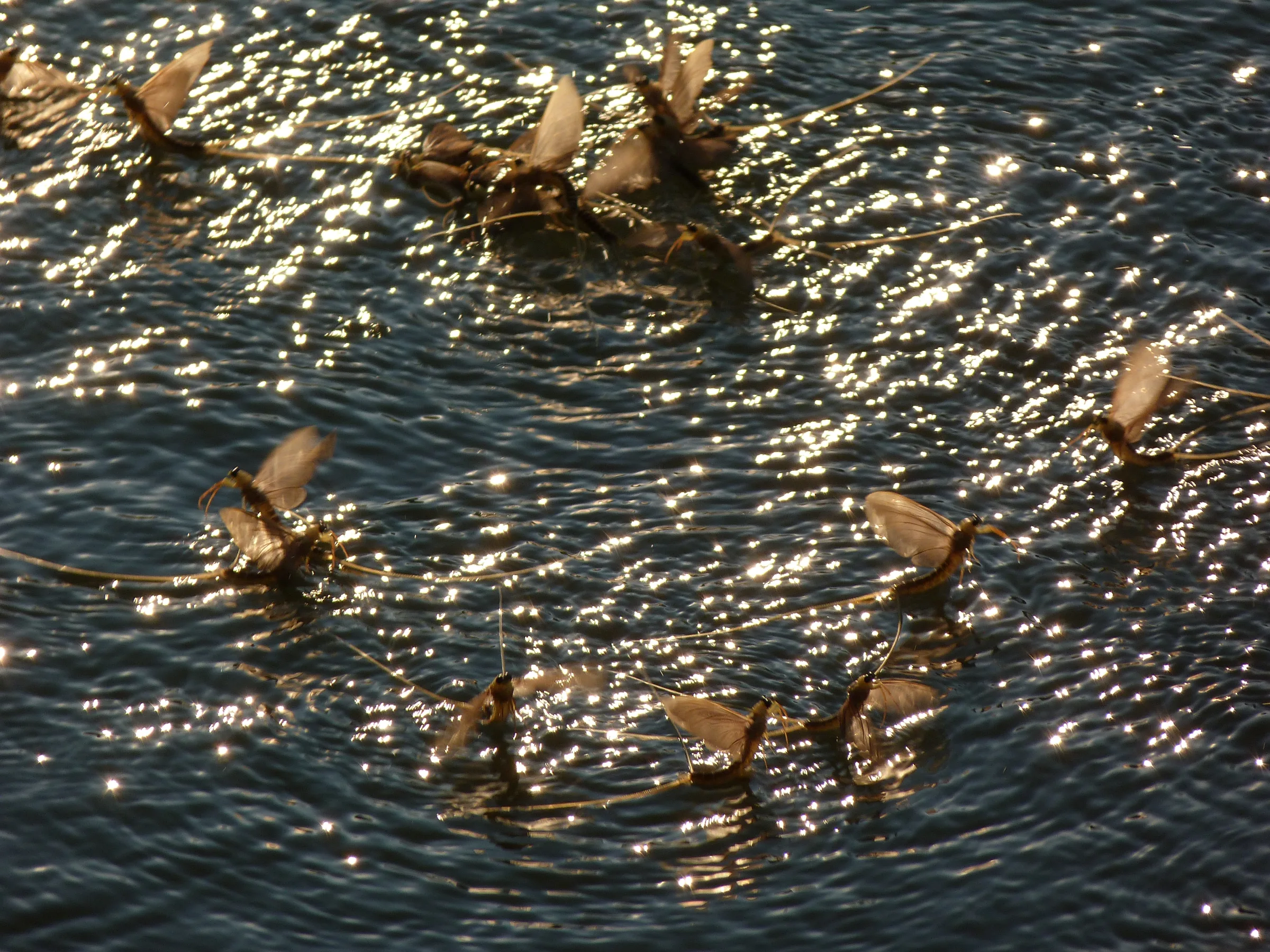
That awkward inch between water and air where most insects die and most trout feed. An emerging fly is trapped in the surface film, struggling to free itself — helpless, visible, and available for longer than the dun that escapes. Trout know this. During a heavy hatch, the fish you see rising steadily with barely a dimple are almost certainly taking emergers, not the fully hatched flies sailing past.
When & Where
Emerger fishing comes into its own during sustained hatches, especially when fish are rising but refusing your dry fly. Look for subtle rise forms — the head-and-tail rise, the gentle sip, the slight bulge without a splash. These fish are feeding in or just under the film. Chalk streams, spring creeks, and slow glides on freestone rivers are ideal. Stillwater margins during a buzzer hatch respond to the same approach.
Essential Gear
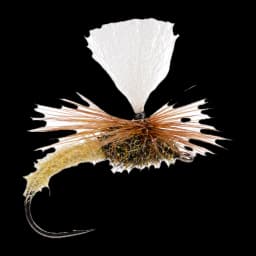
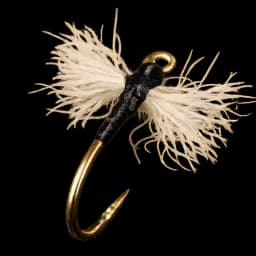
A 9-foot rod in 4 or 5 weight. Floating line. Leader: 14 to 16 feet, ending in 6x or 7x. The fly must sit in the film, not on it. Dress only the post or wing with floatant, never the body or the tippet, so the fly hangs in the film. Carry both flush-floating emergers (CDC, shuttlecock) and vertically hanging patterns (Klinkhamer, suspender).
How It Works
Read the rise form. Head-and-tail rises and gentle sips indicate fish on emergers. Select a pattern that sits in or just below the film — CDC emerger, Klinkhamer, shuttlecock, or suspender buzzer. Cast upstream and drift the fly back drag-free. Watch the leader for the take. It will be gentle — a draw, a slight dip, a pause. Dress only the post or wing, never the body. Let it sit naturally in the surface tension.
Common Mistakes
Adjusting the Method
By season
Emerger fishing is productive from March through October. Early-season olive hatches often see selective feeding on emergers before fish switch to taking duns confidently. The mayfly season in May and June brings some of the most dramatic emerger feeding. Late-season blue-winged olive and pale watery hatches on autumn afternoons are classic emerger opportunities.
By species
Brown trout become highly selective emerger feeders on pressured waters — chalk stream fish in particular. Grayling take emergers readily, often from deeper in the water column. On stillwaters, rainbow trout gorge on buzzer emergers with single-minded focus; a suspender buzzer fished static can be deadly.
By water
Emerger patterns are essential on the Test, Itchen, and other southern English chalk streams where fish see heavy pressure. Northern English rivers tend to produce less selective feeding but emerger patterns still outperform dries during heavy hatches. Irish and Scottish waters respond well to Klinkhamer-style emergers. See Fishing the Sedge Hatch for how to fish the sedge, from the grannom to the evening hatch.
More in Emerger & Film
The river is the hero, not the app. · © 2026 Rise Daisy