Reference
The things you look up: hatches, flies, insects and the shape of the season.
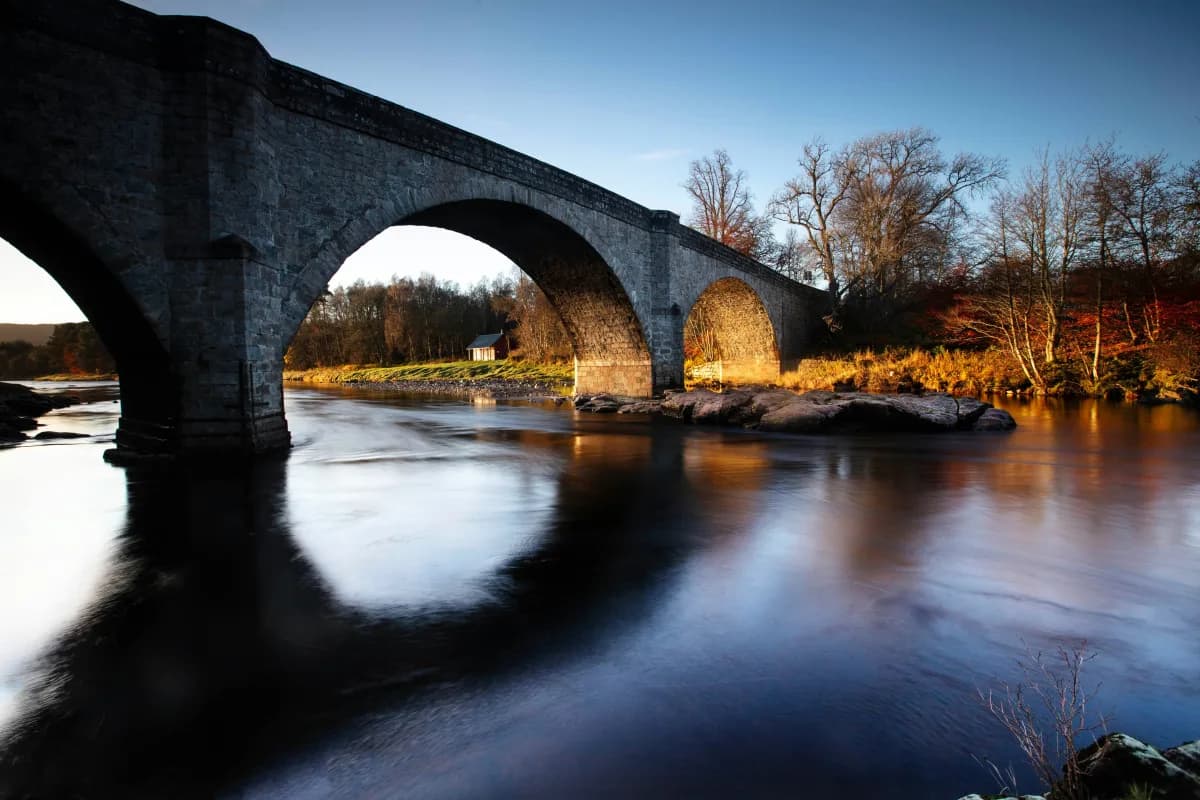
Leaf Fall, Frost and Falling Water Temperature
How autumn cooling, leaf fall, frost and spates change a river, by catchment type — and which hours to fish.
What is fishing well: reference
The Hatch on Big Water
Buzzers, daphnia clouds, damsel migrations — what the trout are actually eating on reservoirs, and why changing depth matters more than changing fly.
Buzzers: 60% of diet. Change depth before fly.
Fishing Licences and Close Seasons
Who needs a rod licence, why you need the owner's permission as well, and how close seasons work for trout, salmon and coarse fish across England, Wales, Scotland and Ireland.
Licence, permission and season are three separate things. Check all three for the water you fish.
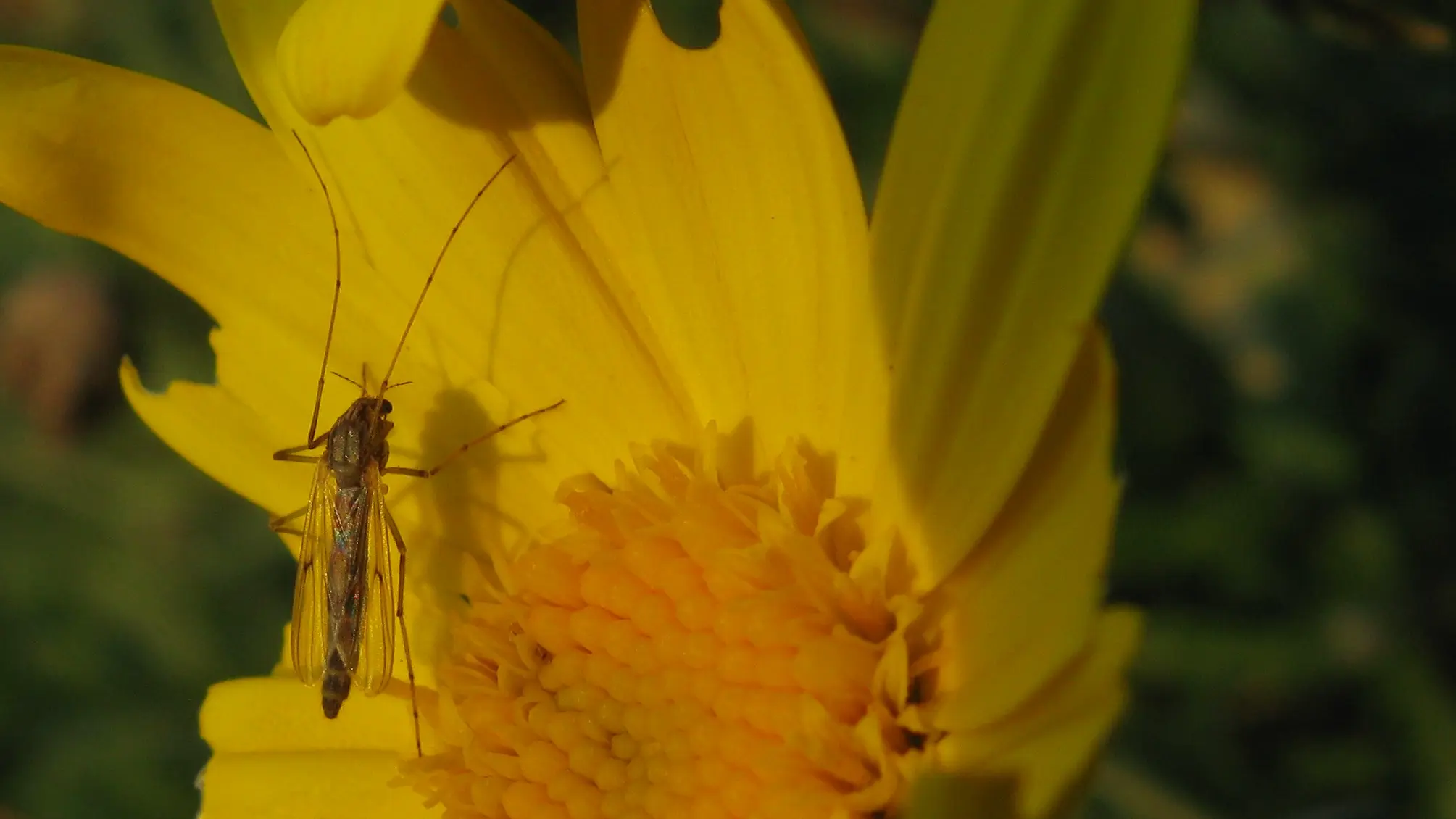
Buzzers, Midges & Diptera
The insect nobody romanticises and every stillwater trout eats — 40–60% of a reservoir trout's diet, year-round, plus the crane flies and hawthorn flies that start a riot when the wind blows.
Black sz 16 from 4°C. Olive sz 12 from 8°C. Daddy longlegs Aug–Oct. Change depth, not fly.
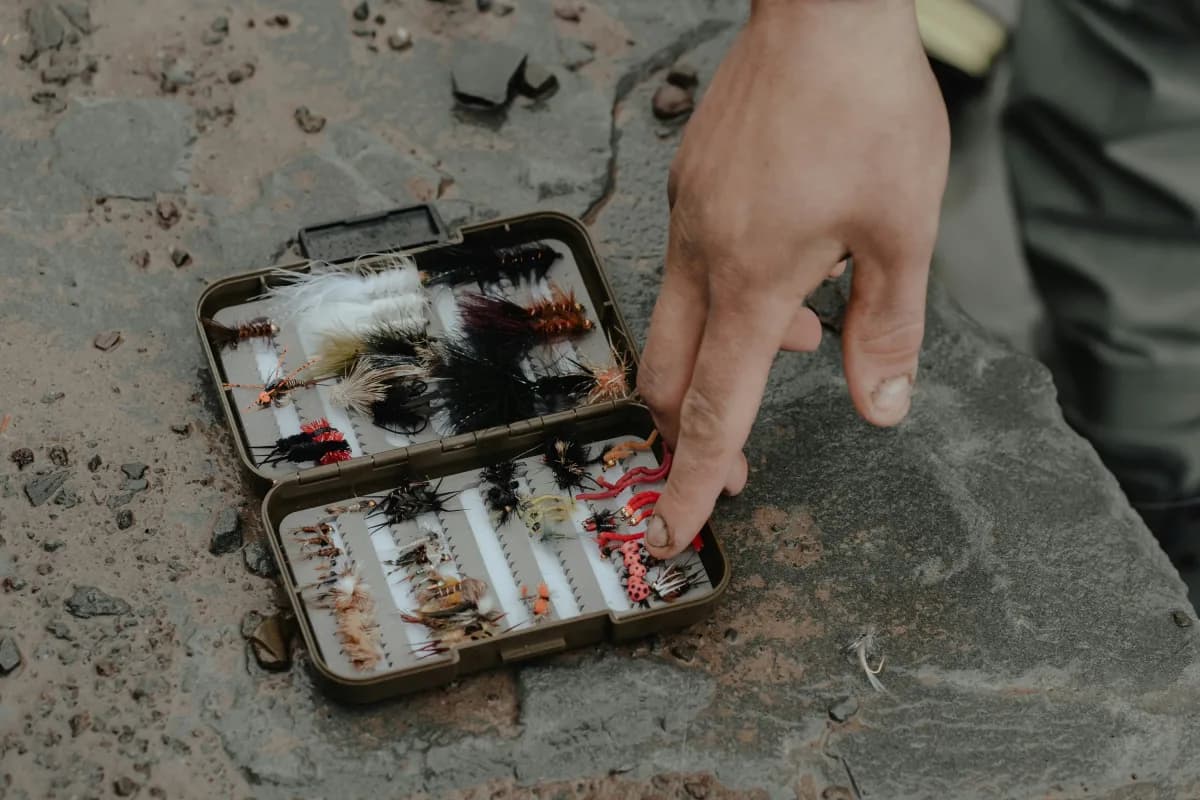
The Fly Box
Every pattern that earns its place — searchable by species, season, and water type.
Searchable fly box with retailer links
What's Hatching
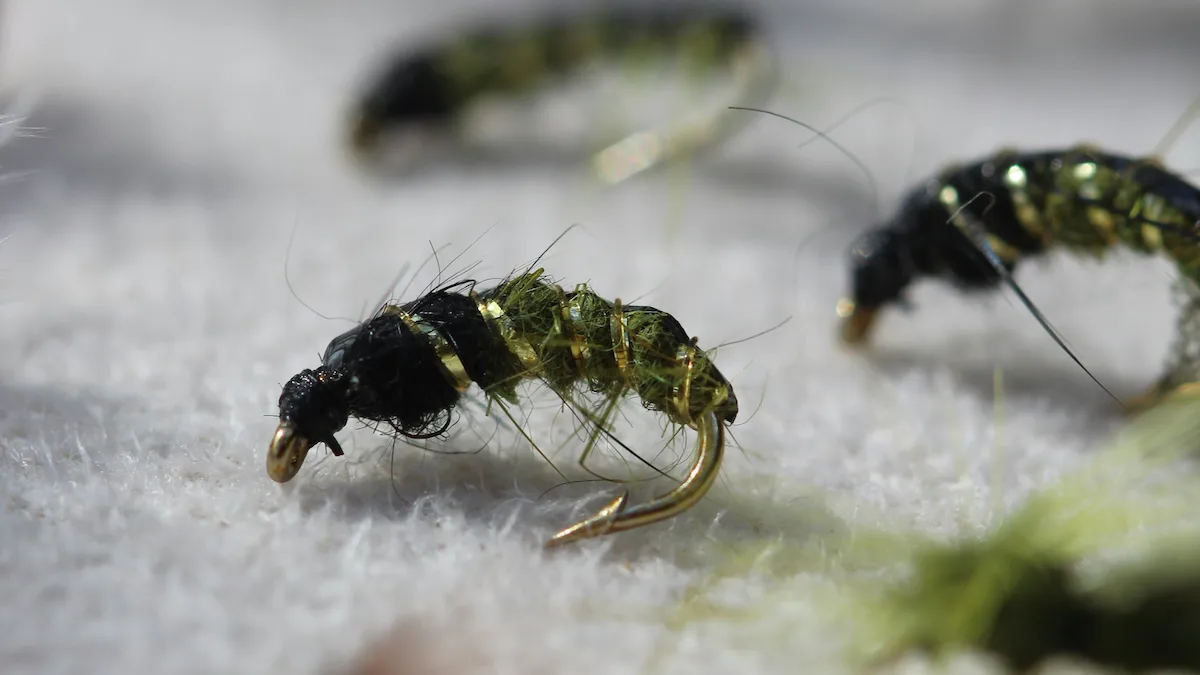
The insects that run the show — what appears when, and why you should care.
March olive → May mayfly → July sedge → Sept spinner
The Fishing Year
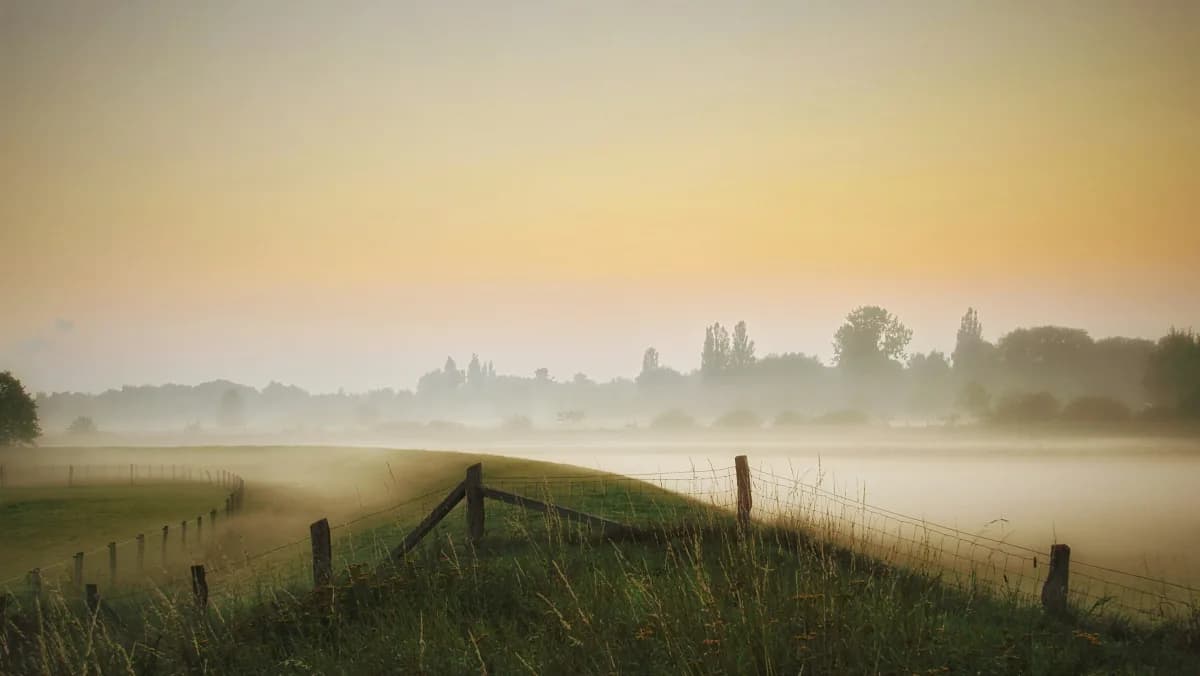
When everything happens — the species in form, the windows that matter, the quiet months that aren't as quiet as you'd think.
Spring trout → summer sea trout → autumn salmon → winter grayling
Kit, knots, licences and close seasons.
Fly Fishing for Beginners
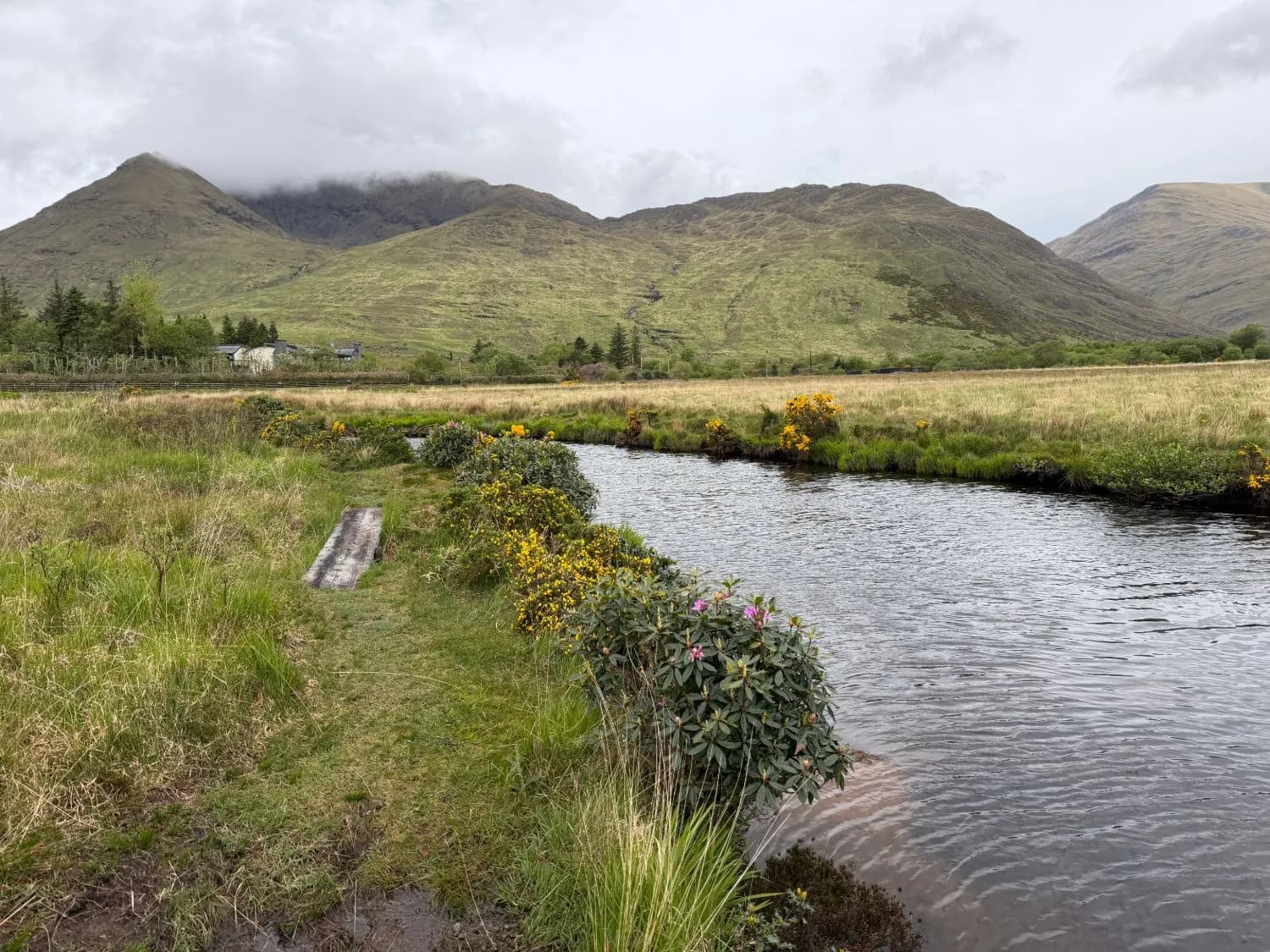
The rod, the line, four knots, a starter fly box and the first water to try — everything to know before day one, and the cast to practise at home first.
Fly Rods, Lines and Leaders Explained
What the numbers mean, how to match rod to line to leader, what tippet to use, and three sensible starter outfits for the water you will actually fish.
9 ft #5 all-rounder, #6 for stillwater. The rod and line number must match. Tippet: hook size ÷ 3.
Fly Fishing Knots for Beginners
The four knots that cover a first season — arbor, loop to loop, surgeon's and improved clinch — step by step, with a diagram for every stage.
Arbor to the reel. Loop to loop for line and leader. Surgeon's for tippet. Improved clinch for the fly.
Fishing Licences and Close Seasons
Who needs a rod licence, why you need the owner's permission as well, and how close seasons work for trout, salmon and coarse fish across England, Wales, Scotland and Ireland.
Licence, permission and season are three separate things. Check all three for the water you fish.
Mayflies, caddis, midges and the rest of the menu.
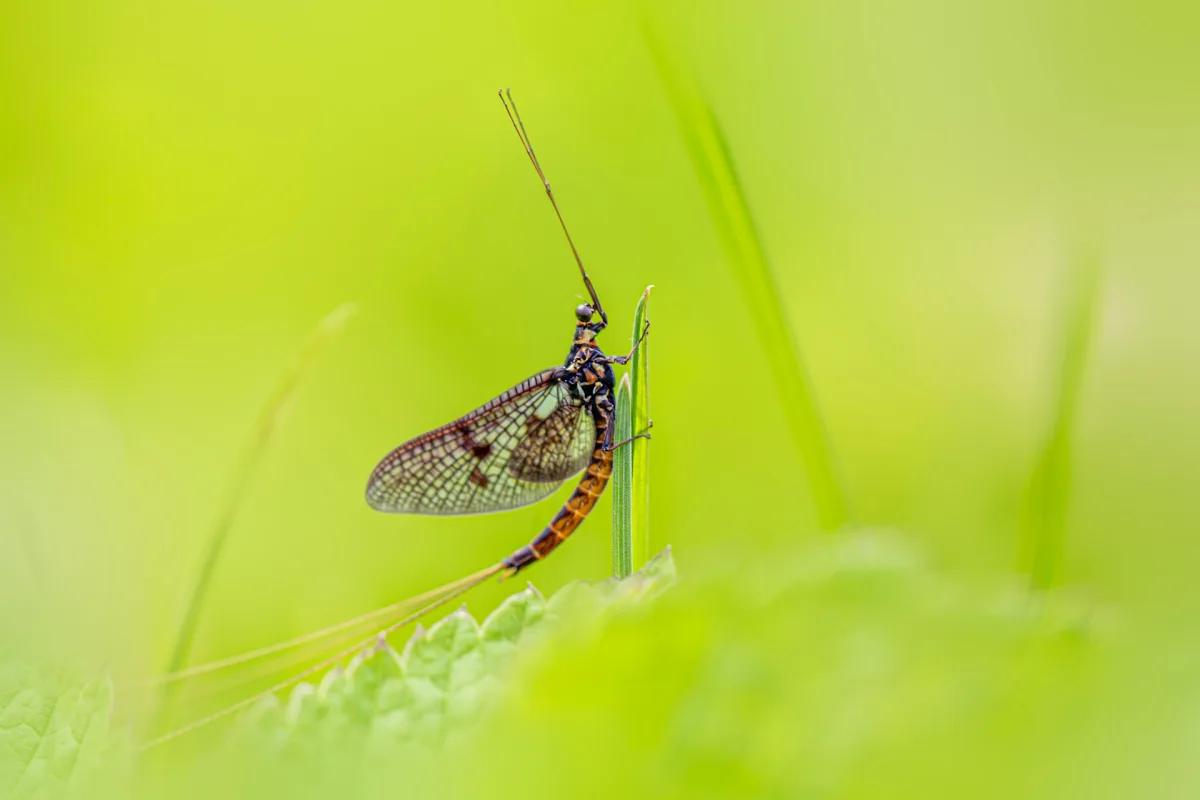
Mayflies: The Oldest Flies on Earth
350 million years old, cannot eat, moult after growing wings — the insect that invented dry fly fishing and still runs every river.
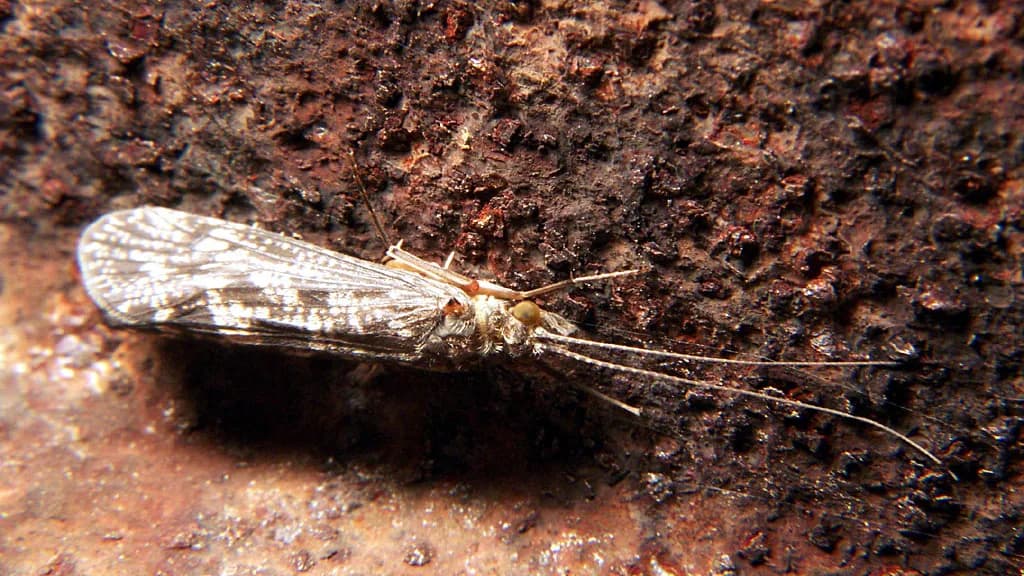
Caddis: The Architects of the River
They build houses out of silk, stones, and sticks — then abandon them to rise through the water column in a bubble of gas. The insect that makes the evening rise worth waiting for.
Grannom Apr–May 8–12°C. Evening sedges Jun–Sep. Ascending pupa: the key moment.
Buzzers, Midges & Diptera
The insect nobody romanticises and every stillwater trout eats — 40–60% of a reservoir trout's diet, year-round, plus the crane flies and hawthorn flies that start a riot when the wind blows.
Black sz 16 from 4°C. Olive sz 12 from 8°C. Daddy longlegs Aug–Oct. Change depth, not fly.
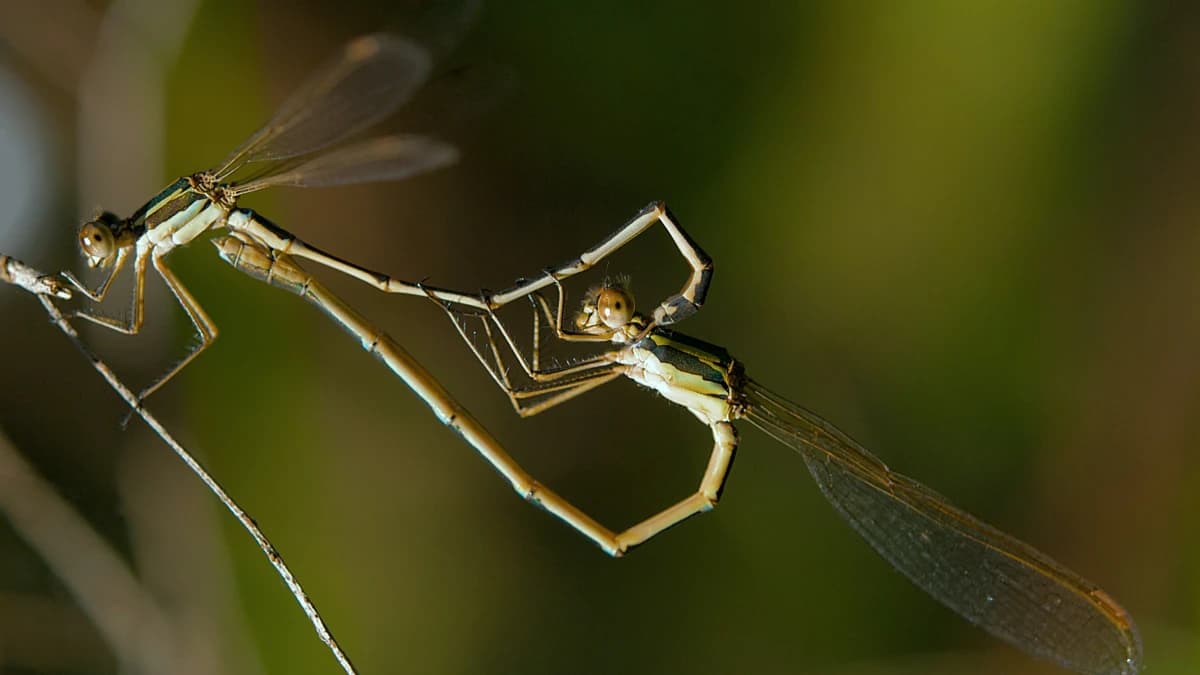
Dragons & Damsels
Jet propulsion, sperm wars, and the most useful nymph in the box — everything an angler should know about dragonflies and damselflies.
Damsel nymph: May–Sep, margins, slow strip. Dragonfly: crawls, doesn't swim.
The Hatch on Big Water
Buzzers, daphnia clouds, damsel migrations — what the trout are actually eating on reservoirs, and why changing depth matters more than changing fly.
Buzzers: 60% of diet. Change depth before fly.
How temperature, water and weather change the fishing.

The look-it-up pages.
The Fly Box
Every pattern that earns its place — searchable by species, season, and water type.
What's Hatching
The insects that run the show — what appears when, and why you should care.
March olive → May mayfly → July sedge → Sept spinner
The Fishing Year
When everything happens — the species in form, the windows that matter, the quiet months that aren't as quiet as you'd think.
Spring trout → summer sea trout → autumn salmon → winter grayling
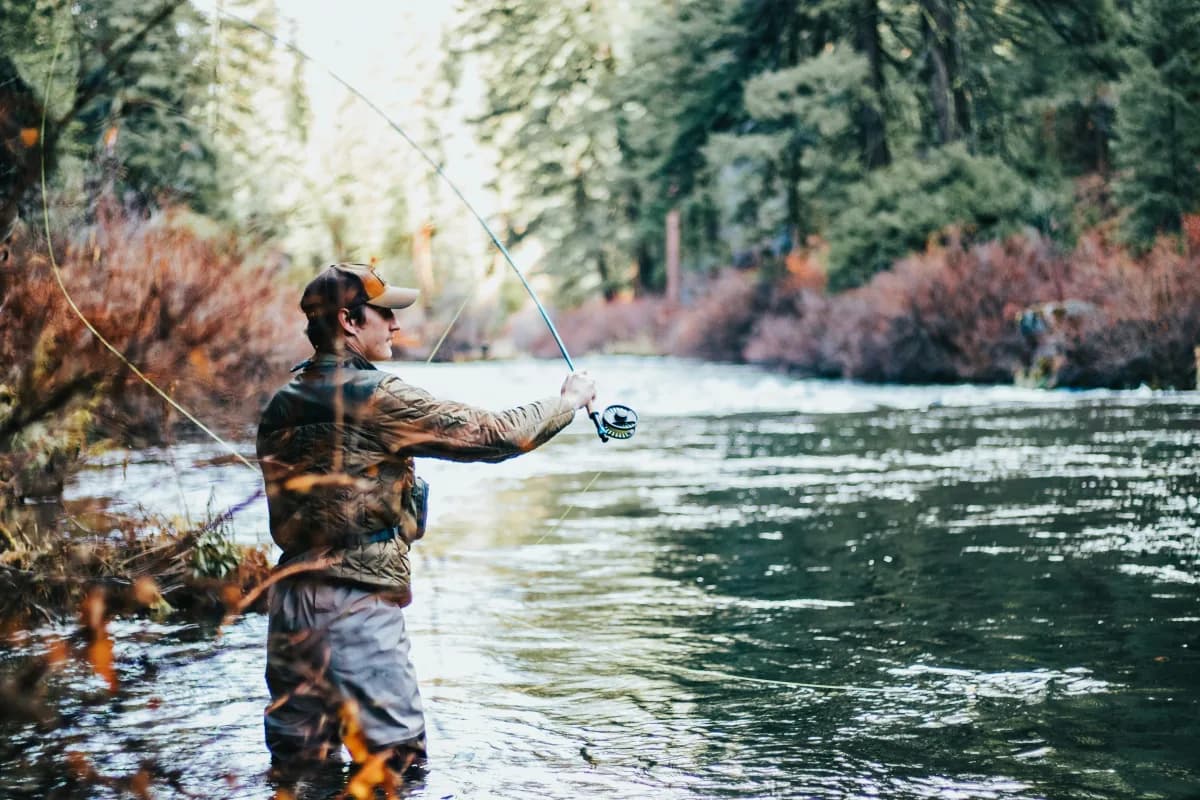
Methods & Tactics
A quick-reference guide to the major fly fishing methods: which to use when fish are rising, when nothing is showing, and when the water is high or low.