Czech Nymphing
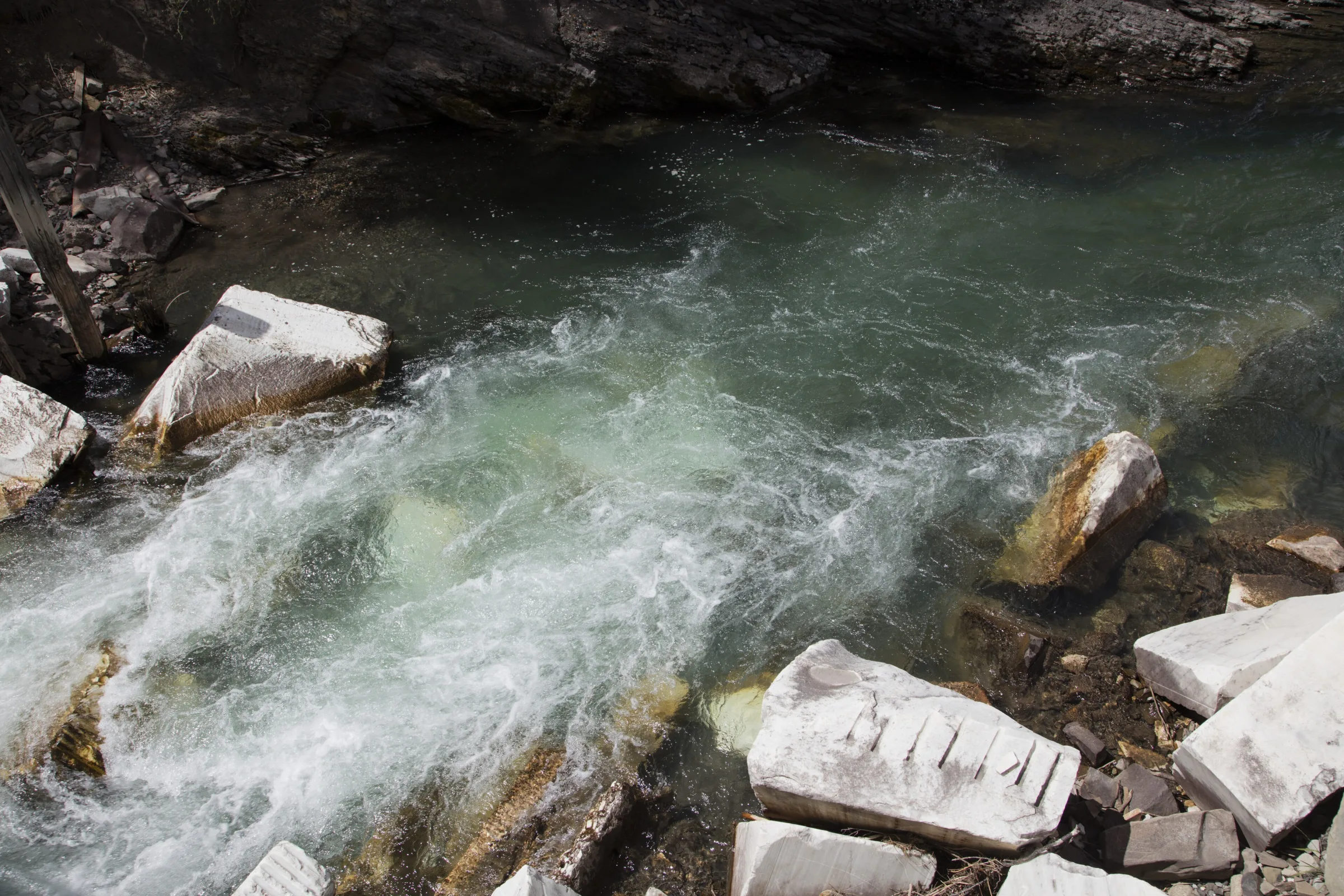
Short-line, heavy nymphs, direct contact with the riverbed. Czech nymphing looks nothing like the pictures in the books, and it catches fish in fast water when nothing else will. Born on the competition rivers of the Czech Republic and Poland, it strips the method down to its essentials: get the fly to the bottom, keep it there, and feel everything that happens.
When & Where
Czech nymphing is built for fast water. Pocket water, run-riffle sequences, deep seams, and the turbulent heads of pools — anywhere the current is strong enough to make indicator fishing impractical and conventional nymphing too slow. It works in coloured water, in cold water, and in the depths of winter when fish are hard on the bottom and not moving far to feed.
Essential Gear
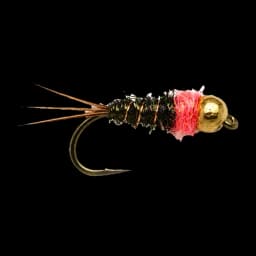
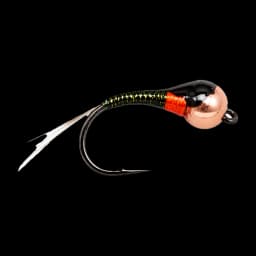
A 10 to 11-foot rod in 2 to 4 weight. The length is critical — it keeps the line off the water. A long mono leader with a coloured sighter, no fly line on the water at any point during the drift. Two or three weighted nymphs spaced 15 to 20 inches apart on droppers. The point fly should be the heaviest — 3.5mm to 4mm tungsten bead — with lighter flies above. Czech Nymph patterns, Perdigons, and heavy Pheasant Tails are standard.
How It Works
Wade to within a rod-length of the target water. Lob the nymphs upstream — no false cast needed, just a smooth underhand flick. The flies will swing downstream under their own weight. Track them with the rod tip, maintaining light contact through the sighter. The rod tip should lead the flies slightly, keeping the sighter taut but not pulling. Feel the bottom. Takes register as a stop, a tap, or a slight lift in the sighter. Cover the run systematically: fan your casts in an arc, then take a step downstream and repeat.
Common Mistakes
Adjusting the Method
By season
Czech nymphing is at its most devastating in cold water. Winter and early spring, when fish are tight to the bottom, are prime time. In summer, lighter variants work well in pocket water and broken runs. Reduce bead size as the water warms and fish move higher in the column. Welfare stop: fish come under real stress as the water warms. Brown trout: caution from about 18°C, stop at about 22°C. Salmon and sea trout: caution from about 18°C, stop at about 20°C. Grayling stress earlier: caution from about 17°C, stop at 18°C. Check the venue page's water temperature before you go.
By species
Trout in fast water are the primary target. Grayling respond well, especially in winter — their preference for holding deep in steady runs suits the method perfectly. On competition rivers, Czech nymphing is the go-to approach for both species when fish are hard on the bottom.
By water
Developed in Central Europe and now practised worldwide. British rivers with good run-riffle sequences — the Usk, the Dee, the Eden, the Tees, many Scottish rivers — are ideal. The freestone rivers of the Spanish Pyrenees, the French Massif, and northern Italy suit the method equally well. Check before you fish: many beats allow only a single fly, dry fly only, or no weighted flies, and some chalk streams restrict nymphs until a set date. A nymph on a dropper or a weighted fly breaks those rules, so read the beat rules first. See The Rules of the Water for the licence, close-season and beat-rule checks to make before you fish.
More in Euro Nymphing
The river is the hero, not the app. · © 2026 Rise Daisy