Buzzer Fishing
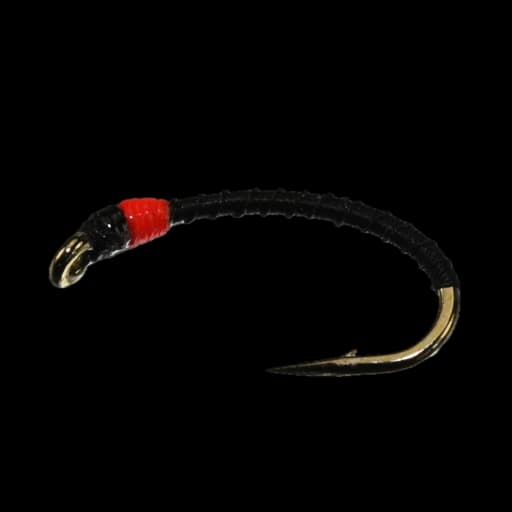
The buzzer is the chironomid midge pupa, and it is the most important food item in any British stillwater. Trout gorge on them from March to October — millions of tiny, comma-shaped insects ascending from the lakebed to the surface film, utterly helpless, utterly available. Learning to fish buzzers is the single most useful thing a stillwater angler can do. It requires patience. It rewards it.
When & Where
Buzzer fishing works on any stillwater where chironomid midges hatch — which means every reservoir, lake, and loch in the country. The method is most effective in water of three to twelve feet depth, over mud or silt bottoms where chironomid larvae live. Sheltered bays, dam walls, and areas out of the wind where midges concentrate are prime spots. Fish where you see the adult midges — where they hatch is where trout feed.
Essential Gear
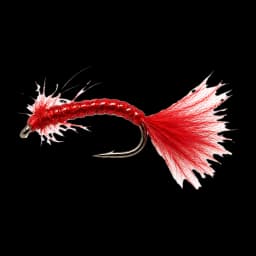
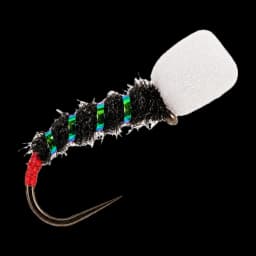
A 10 to 11-foot rod in 6 or 7 weight. Floating line. A buoyant indicator (bung) made of foam or a large dry fly — set so the point fly hangs a foot or two off the bottom, about the water's depth or slightly less. Below the bung, two or three buzzer patterns on droppers spaced at two-foot intervals. The bottom fly should be the heaviest — a size 10 or 12 with a glass or tungsten bead — to pull the rig down. Upper droppers can be lighter: size 14 epoxy buzzers or suspender patterns.
How It Works
Cast out and let the rig settle. The bung holds the buzzers at a fixed depth while the weight of the point fly pulls the leader straight. Now wait. This is the hardest part. Buzzer fishing is static — the flies hang at depth, imitating ascending pupae, and the trout cruise to them. Watch the bung. Any dip, slide, or lift indicates a take. Set the hook with a firm but not savage lift. If nothing happens for twenty minutes, adjust depth by moving the bung — an inch either way can make the difference.
Common Mistakes
Adjusting the Method
By season
March and April see the first major buzzer hatches as the water warms past 8°C. This is the most productive buzzer-fishing period of the year. Through summer, hatches are more sporadic but still significant. Autumn brings a second peak. Overcast, drizzly days with a slight ripple are ideal — flat calm and bright sun push fish deeper and make them nervous.
By species
Rainbow trout are the most reliable buzzer feeders on stocked reservoirs. Brown trout take them too, but tend to be more cautious and less willing to approach a bung in clear water. Wild brownies in Scottish lochs feed on buzzers with quiet efficiency — a smaller bung and finer tippet are wise.
By water
Buzzer fishing is the backbone of English reservoir fishing — Grafham, Rutland, Chew, Blagdon, Draycote, Eyebrook. Welsh reservoirs and Scottish lochs fish the same rigs with slight refinements for wild fish. Irish loughs have less established buzzer traditions but the method works wherever chironomids hatch, which is everywhere. See Stillwater Leader Setups for how to build the leader and depth-finding rig itself.
More in Stillwater
The river is the hero, not the app. · © 2026 Rise Daisy