Soft Hackle & Spider
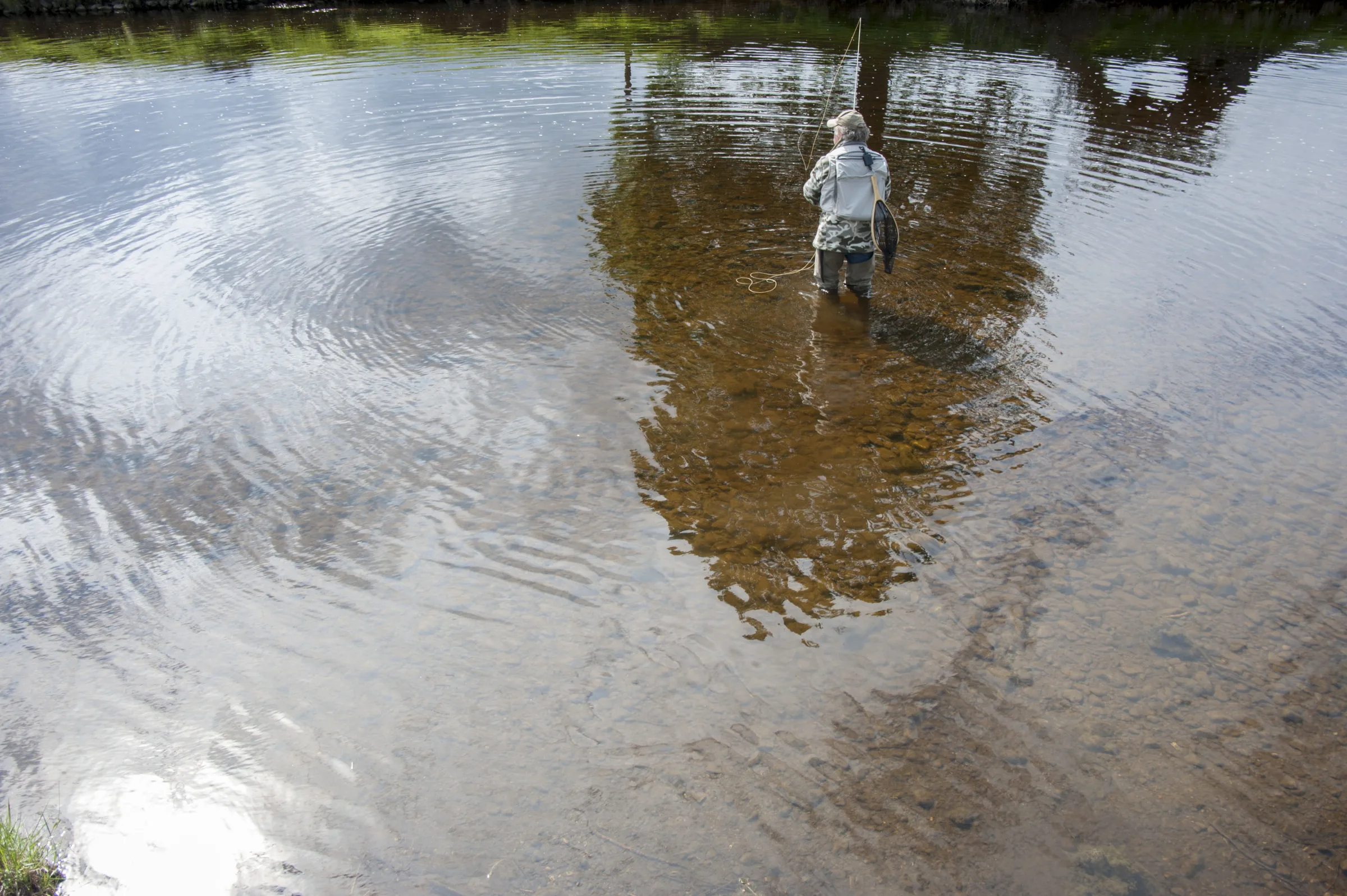
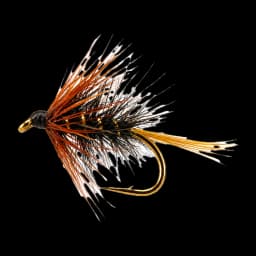
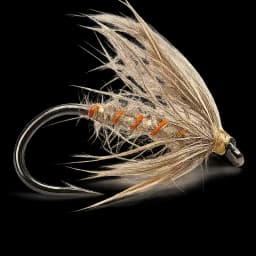
The north-country spider is the oldest effective fly pattern in British fishing, and possibly the simplest. A turn of soft hackle on a hook — partridge, grouse, woodcock, starling — wound so the fibres pulse and breathe in the current. It imitates nothing exactly and everything approximately: emergers, drowned duns, ascending nymphs, the general idea of something alive and edible. Yorkshire and Derbyshire anglers have been catching trout on these flies for three hundred years, and the fish have not yet worked it out.
When & Where
Spider and soft-hackle fishing works on any river with a decent flow. The traditional method is down-and-across: cast at forty-five degrees, let the fly swing across the current, and fish takes on the turn. It is especially effective during a hatch, when hatching and drowned insects fill the current. Also deadly as a team of two or three on northern English rivers, Welsh streams, and any freestone water where trout and grayling feed on drifting invertebrates.
Essential Gear
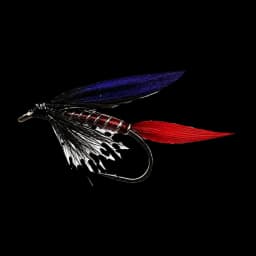
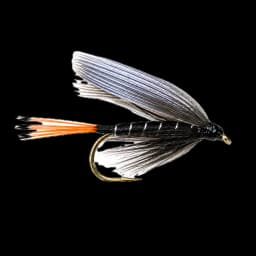
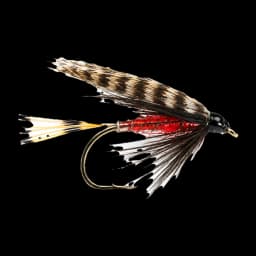
A 9 to 10-foot rod in 3 or 4 weight. Floating line. The traditional leader carries two or three flies on droppers spaced eighteen inches apart. Use fine tippet — 5x to 6x — and small patterns: sizes 14 to 18 for most river work. The point fly can be slightly heavier; the top dropper should be the sparsest. Classic patterns include the Partridge and Orange, Waterhen Bloa, Snipe and Purple, Dark Needle, and Starling and Hare's Ear.
How It Works
Cast across and slightly downstream at roughly forty-five degrees. The flies will swing across the current under tension. Keep the rod tip up and follow the line around with the rod. The take usually comes as the flies swing across the fish's position — you will feel a pull or see the leader tighten. In faster water, mend upstream to slow the swing and keep the flies deeper. In slower water, let them swing at current speed. After each cast, take a step downstream and repeat. Cover the water methodically.
Common Mistakes
Adjusting the Method
By season
Soft hackles fish well from March through October. In spring, fish Olive patterns (Partridge and Orange, Waterhen Bloa) during the early olive hatches. Summer brings sedge and pale watery imitations. Autumn, with its falling leaves and blue-winged olives, is arguably the best time of all for spider fishing. Cold water slows the swing naturally, which is often an advantage.
By species
Brown trout take spiders with aggressive conviction — the swing triggers a predatory response. Grayling are even more susceptible, particularly to small spiders fished on fine tippet in the slower glides and tail-outs. A team of spiders drifted through a known grayling shoal is as close to a certainty as fly fishing offers.
By water
This is northern English and Scottish fishing at its purest — the Ure, Wharfe, Nidd, Derwent, Eden, Tweed, and Teviot are all classic spider rivers. Welsh rivers and the limestone streams of Derbyshire respond beautifully. The method has been adopted across Europe; French and Spanish competition anglers fish variants of the soft-hackle swing with great success. See Fishing the Sedge Hatch for how to fish the sedge, from the grannom to the evening hatch.
More in Wet Fly
The river is the hero, not the app. · © 2026 Rise Daisy