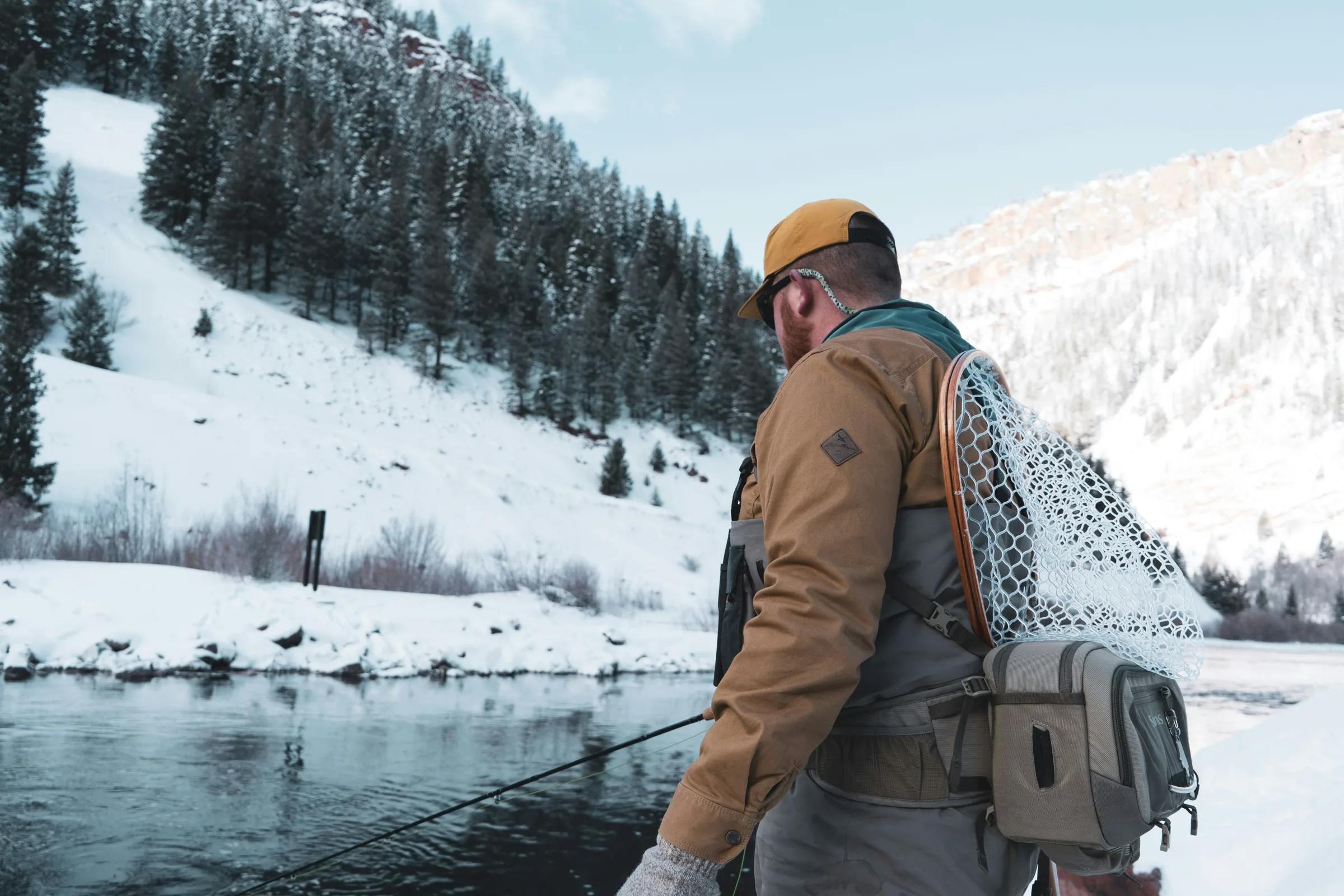
Winter Grayling Nymphing
Winter grayling fishing is the quiet reward for the angler who does not pack up when the clocks go back. The river is cold, the banks are empty, and the grayling are there — holding in the deep, steady runs they favour when the water drops below 8°C, feeding steadily on nymphs that drift along the bottom. It is slow work, often cold work, but when the rod dips and a winter grayling comes to the net — silver-flanked, huge-dorsal-finned, impossibly beautiful — you understand why some anglers consider this the best fishing of the year.
When & Where
November through February, on any river holding grayling. The fish move to the deeper, steadier runs and glides where the current is moderate and the depth provides thermal stability. Avoid the fast, shallow riffles — grayling abandon these in cold water. Focus on runs of three to five feet, pool tails, and the long even glides that characterise grayling water. Fish the warmest part of the day — midday to mid-afternoon — when water temperature peaks.
Essential Gear
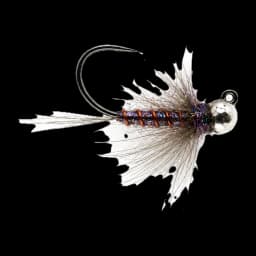
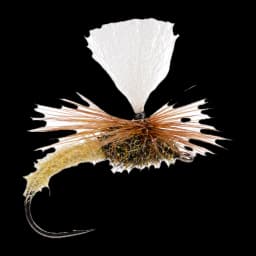
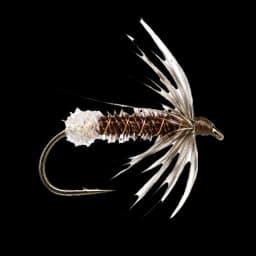
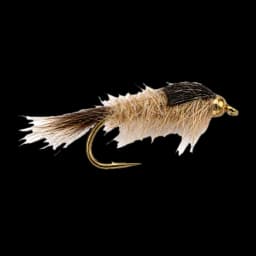
A 10 to 11-foot rod in 3 to 4 weight. Longer rods help keep line off the water. A long leader with a sighter — 15 to 20 feet — ending in 5x to 6x tippet. Heavy nymphs are essential: 3.5mm to 4mm tungsten beads on sizes 12 to 14 hooks. Patterns: heavy Pheasant Tails, pink-beaded nymphs, shrimp patterns, and dark, dense nymphs that sink fast and stay deep. A two-nymph rig with the heavier fly on the point is standard.
How It Works
Fish the deep runs and glides methodically. Cast upstream, let the nymphs sink to the bottom — you should feel them ticking the riverbed — and track them through the drift with the rod high and the sighter under tension. In cold water, grayling take softly. The sighter may dip by an inch, or simply pause. Set the hook at any irregularity. Work each run thoroughly before moving — in winter, the fish are concentrated in specific lies and may not move far to take.
Common Mistakes
Adjusting the Method
By season
November and December are the prime months on most rivers, before spawning begins in early spring. January can be excellent if the weather is open. February is variable — mild spells produce good fishing, but prolonged cold shuts the river down. A rise in water temperature of even one degree can switch the fishing on. Mind the redds: from late October to January trout and salmon spawn on the same clean gravel grayling feed over, especially at pool tails and the ends of glides. Do not wade over pale, freshly cleaned or disturbed gravel; fish from the bank or from deeper, silted water, and walk round redds. Once the trout season has closed on a river, any trout you catch must go back at once, in the water.
By species
This is grayling-only water in practical terms. Brown trout are present but largely dormant in cold conditions and should be returned immediately with minimal handling if caught. Grayling are better adapted to cold water and feed actively at temperatures that trout will not tolerate.
By water
The Yorkshire Dales, Derbyshire, the Eden valley, and the Hampshire Avon are the best-known winter grayling venues in England. The Welsh Dee and its tributaries offer outstanding winter sport. In Europe, the grayling rivers of Bavaria, Austria, and the Jura produce superb winter fishing in conditions that make British winters feel mild. See Catching and Releasing Fish Well for how to land, unhook and revive a fish, and when to stop fishing.
More in Grayling Specialist
The river is the hero, not the app. · © 2026 Rise Daisy