Induced Take
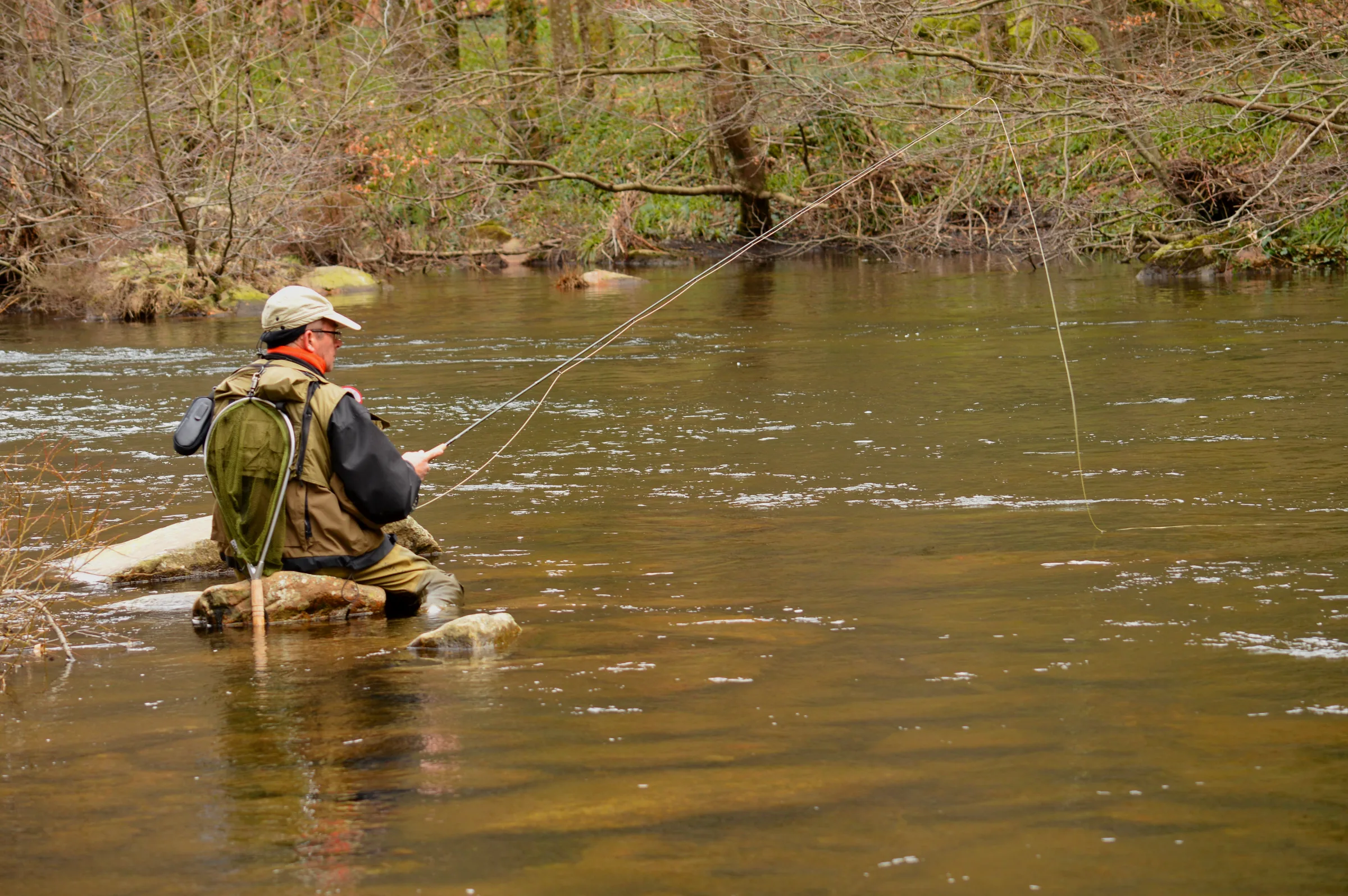
Frank Sawyer worked this out on the Avon decades ago: a nymph that lifts at the end of its drift imitates an insect swimming to the surface to hatch, and a trout that has been watching it drift past with polite disinterest suddenly cannot help itself. The induced take is not a retrieve. It is a subtle lift — a suggestion that the food is about to escape. The fish does the rest.
When & Where
The induced take works on any river where trout or grayling are holding in current and aware of subsurface food. It is particularly deadly on chalk streams, where nymphs drift past holding fish all day long. Use it when trout are not rising but you can see them in position, or when fish follow your nymph downstream without committing. The lift is the trigger.
Essential Gear
A 9 to 10-foot rod in 3 to 5 weight. Floating line. Leader: 12 feet minimum. The original Sawyer method uses a Pheasant Tail Nymph on fine tippet, cast upstream. Any slim nymph works. Weight should be minimal — enough to reach the fish's depth, no more. You must feel the take through the leader.
How It Works
Cast upstream and slightly across. Allow the nymph to sink as it drifts toward the fish. As the fly approaches the trout's position, raise the rod tip smoothly. This lifts the nymph in the water, imitating an ascending insect. The lift must be slow and steady. Not a snatch. The take comes during the lift or immediately after — a pull, a stop, or the leader drawing away. Set the hook gently.
Common Mistakes
Adjusting the Method
By season
The induced take works all season but is particularly effective in spring and early summer, when nymphs are actively ascending to hatch. During heavy hatches of olives or mayfly, it can outfish dry-fly and standard nymph methods. In cold water, slow everything down — the fish react more slowly and the lift should be gentler.
By species
Brown trout on chalk streams are the classic target — Sawyer developed the method for exactly this situation. Grayling respond well, especially in autumn, but the take is even more subtle. Wild brownies in clear spate rivers will take the induced nymph confidently when positioned correctly.
By water
Born on the Wiltshire Avon at Netheravon, the induced take belongs most naturally to southern English chalk streams. It translates well to any clear-water river with visible fish. Slovenian rivers, the Pyrenean freestone streams, and the clear glides of Welsh and northern English rivers all reward this approach.
More in Wet Fly
The river is the hero, not the app. · © 2026 Rise Daisy