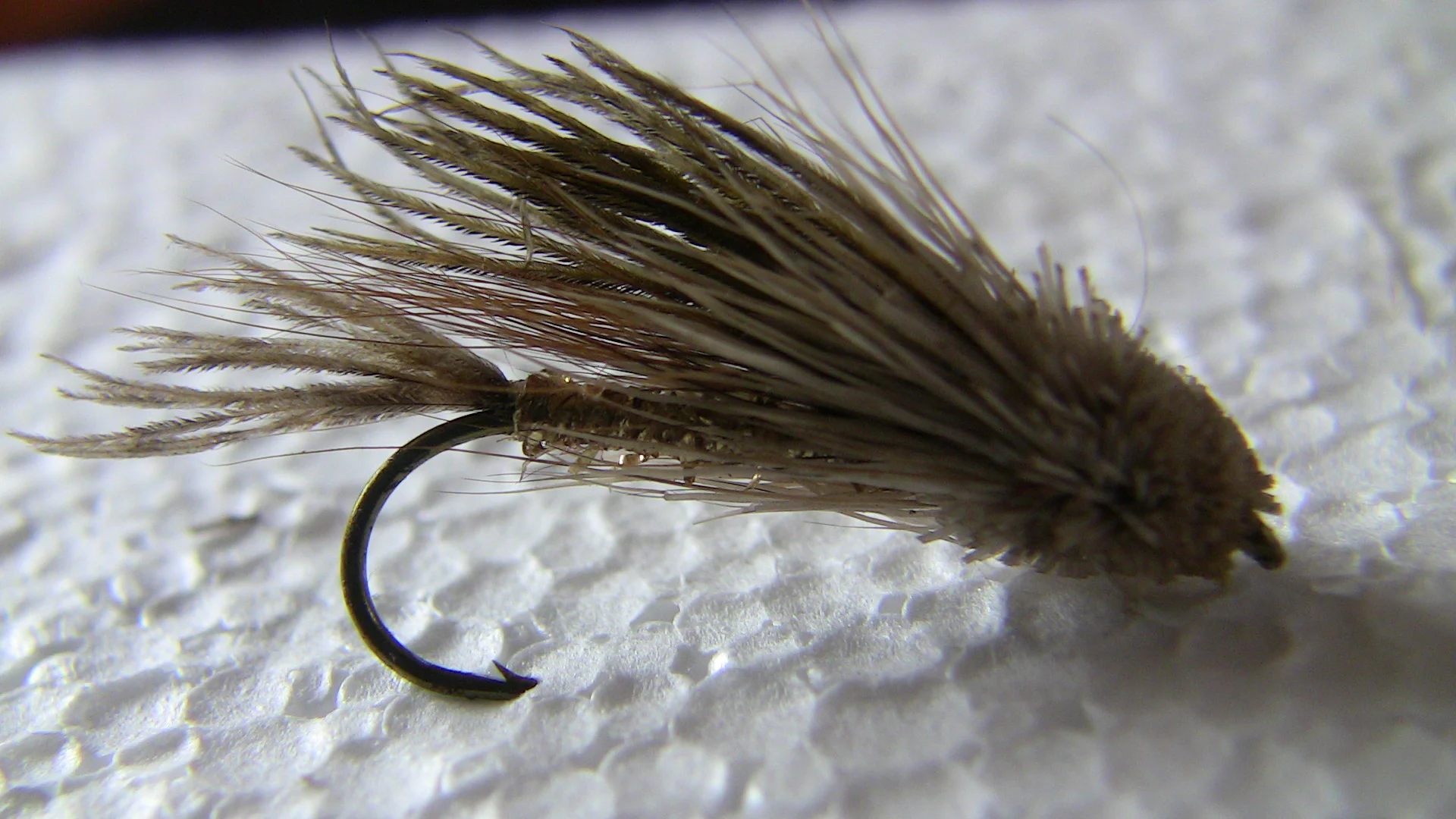
Streamer Stripping
Big, mobile flies that imitate baitfish, leeches, or whatever predatory impulse a trout cannot resist. Streamer fishing is the blunt end of fly fishing — heavy rods, sinking lines, and the kind of takes that arrive as a violent pull rather than a polite sip. It is the method for days when you have stopped pretending you want a quiet time and have decided to go looking for the biggest fish in the water.
When & Where
Streamer fishing works wherever big trout feed on fish or large prey. Reservoir dam walls, deep pools, undercut banks, loch drop-offs, and the dark water below overhanging trees. In rivers, fish the slow, deep pools and the backs of large boulders. The method comes into its own in autumn, when trout gorge on fry before winter, and in early spring, when a big meal is worth more than a dozen tiny nymphs.
Essential Gear
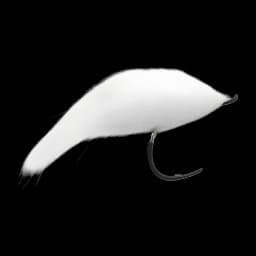
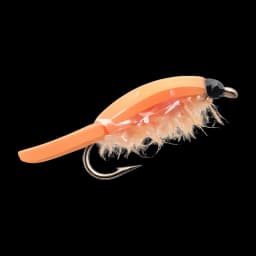
A 9 to 10-foot rod in 6 to 8 weight — enough backbone to cast heavy flies and control big fish near structure. A sink-tip or full-sinking line for most work; a floating line with a long leader for shallow water. Short, strong leader: 4 to 6 feet of 0x to 3x. Streamer patterns: Woolly Bugger, Zonker, Minkie, Fry patterns, and articulated streamers for the truly ambitious.
How It Works
Cast towards structure or into deeper water. Let the fly sink to the desired depth — count down to find the level. Retrieve in strips: fast, slow, erratic, then pause. Vary the retrieve until you find what the fish want. Many takes come on the pause or the first strip after a pause, when the fly looks like stunned prey. Fish tight to structure — overhangs, boulders, weed beds, drop-offs. Do not strike by lifting the rod. When a fish takes, strip-set: pull the line sharply with your stripping hand while keeping the rod tip low. Then fight the fish on the reel.
Common Mistakes
Adjusting the Method
By season
Autumn is the prime time. Trout feed aggressively on fry before winter, and large fish that ignore nymphs and dries will chase a streamer. Early spring offers another window as fish are hungry after winter and willing to chase. Summer can be tough in the heat, but dawn and dusk streamer sessions on reservoirs produce quality fish.
By species
Brown trout are the classic streamer quarry — the big, old, predatory fish that rarely take small flies. Rainbow trout in reservoirs are more willing to chase but less discerning. Sea trout take streamers with conviction, especially in coloured water or after dark. Salmon will occasionally take a small streamer fished slowly, though this is not the primary method.
By water
Reservoir fishing in England — Grafham, Rutland, Chew, Blagdon — has a strong streamer tradition. Scottish lochs with resident ferox trout demand deep-trolled or stripped streamers. Irish loughs produce big browns on fry patterns. In rivers, streamer fishing is less traditional in Britain but highly effective on the larger rivers of Scotland, Ireland, and continental Europe.
More in Streamer
The river is the hero, not the app. · © 2026 Rise Daisy