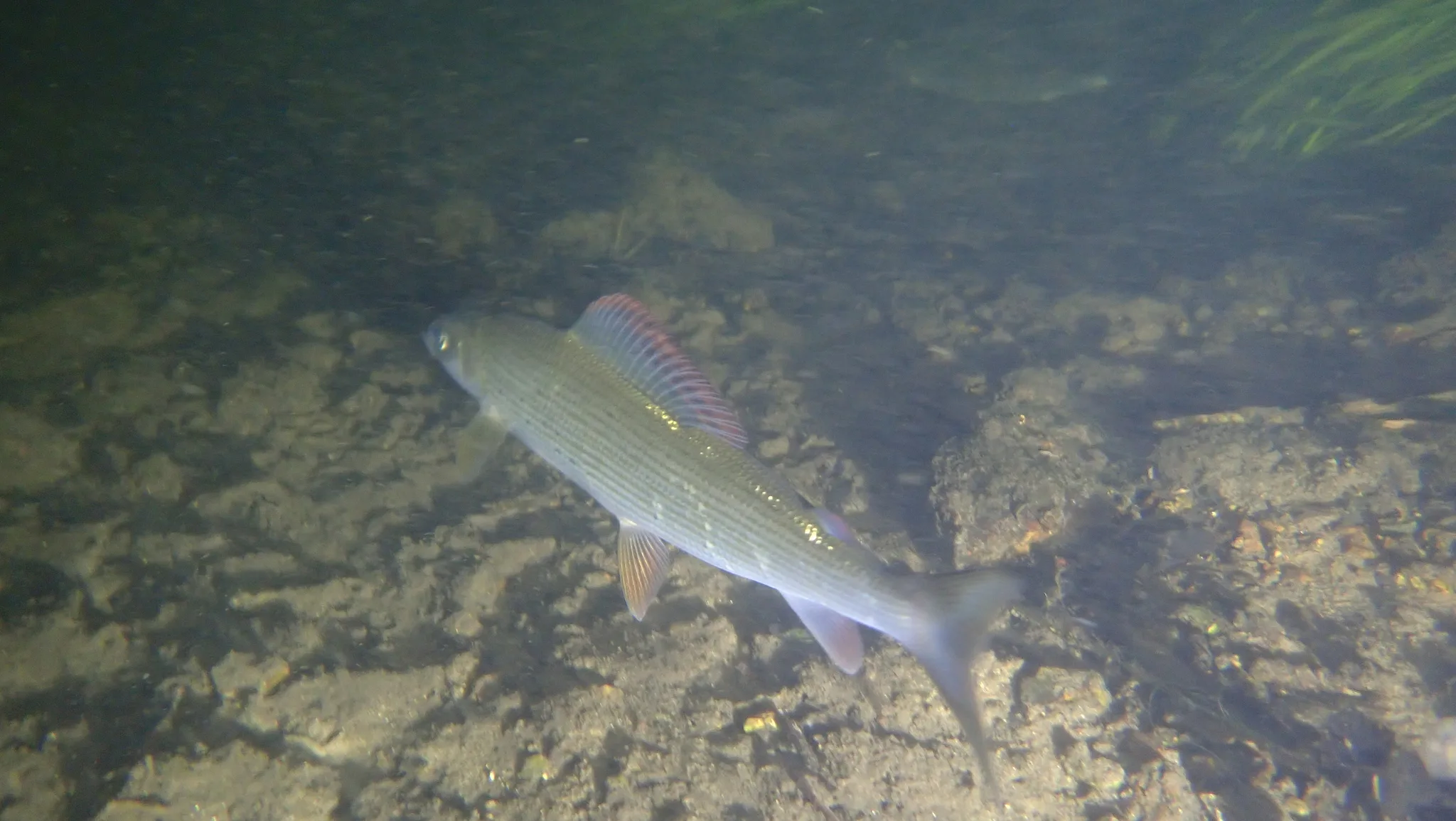
French Nymphing for Grayling
Grayling and French nymphing were made for each other. The fish holds in clear, steady glides at precisely the depth that a well-presented French nymph reaches. It takes small flies with the kind of delicate, almost apologetic interception that only a sensitive leader can detect. And it lives in the most beautiful water on the river — the long, even-paced runs between the pools that trout anglers walk past on their way to somewhere more dramatic.
When & Where
This is the method for grayling on clear, moderate-paced rivers from autumn through early spring. The steady glides, tail-outs, and deeper runs where grayling shoal are ideal — water of two to five feet with a consistent current. It works on any river holding grayling: the Yorkshire and Derbyshire Dales rivers, the Hampshire Avon, the Welsh Dee, the Eden, and the clear limestone rivers of Europe.
Essential Gear
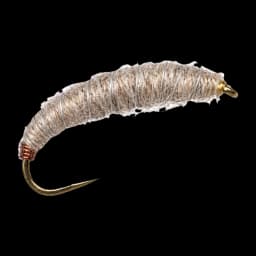
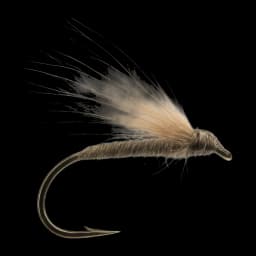
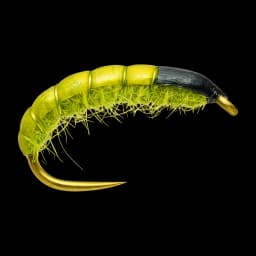
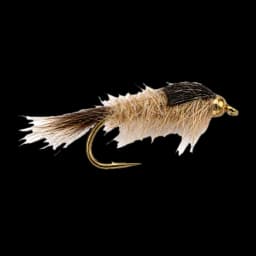
A 10 to 11-foot rod in 2 to 3 weight — light enough for fine tippets and subtle takes. Long leader: 18 to 25 feet with a coloured sighter section. Tippet: 6x to 7x fluorocarbon, because grayling hold deep and the fluorocarbon sinks naturally. Flies: sizes 14 to 18 — Pheasant Tails, pink-tagged nymphs, small Perdigons, and hare's ear patterns with tiny tungsten beads.
How It Works
Approach from downstream. Grayling shoal in the glides, and they face into the current like trout but hold deeper and closer to the bottom. Cast upstream and across, allowing the nymphs to sink as they drift back through the shoal. Keep the rod high, tracking the sighter just above the surface with the lightest contact. Watch for any deviation in the sighter — grayling takes are gentle, often just a brief dip or a tiny sideways flick. Set the hook with a smooth lift. Once you catch one, there are likely more in the same run.
Common Mistakes
Adjusting the Method
By season
Autumn is the classic grayling season — the trout season has closed on many rivers, the grayling are in peak condition, and the water is cool enough for them to feed with enthusiasm. Winter grayling fishing is excellent through December and January in open conditions. Early spring offers a short final window, but only until the river's own close season for grayling or coarse fish (typically mid-March in England and Wales). Never fish for spawning grayling. Water temperatures between 4°C and 10°C produce the most consistent feeding. Mind the redds: from late October to January trout and salmon spawn on the same clean gravel grayling feed over, especially at pool tails and the ends of glides. Do not wade over pale, freshly cleaned or disturbed gravel; fish from the bank or from deeper, silted water, and walk round redds. Once the trout season has closed on a river, any trout you catch must go back at once, in the water.
By species
This is a grayling-specific method — the combination of fine tippets, light nymphs, and long-leader presentation is optimised for grayling behaviour. Trout will take the same flies but tend to hold in different positions and strike harder.
By water
The Yorkshire Dales rivers — Wharfe, Ure, Nidd — are classic grayling waters for this method. The Hampshire Avon, the Welsh Dee, and the Eden in Cumbria all hold excellent grayling. In Europe, the grayling rivers of Bavaria, Austria, Slovenia, and the French Jura are outstanding French-nymphing water.
More in Grayling Specialist
The river is the hero, not the app. · © 2026 Rise Daisy