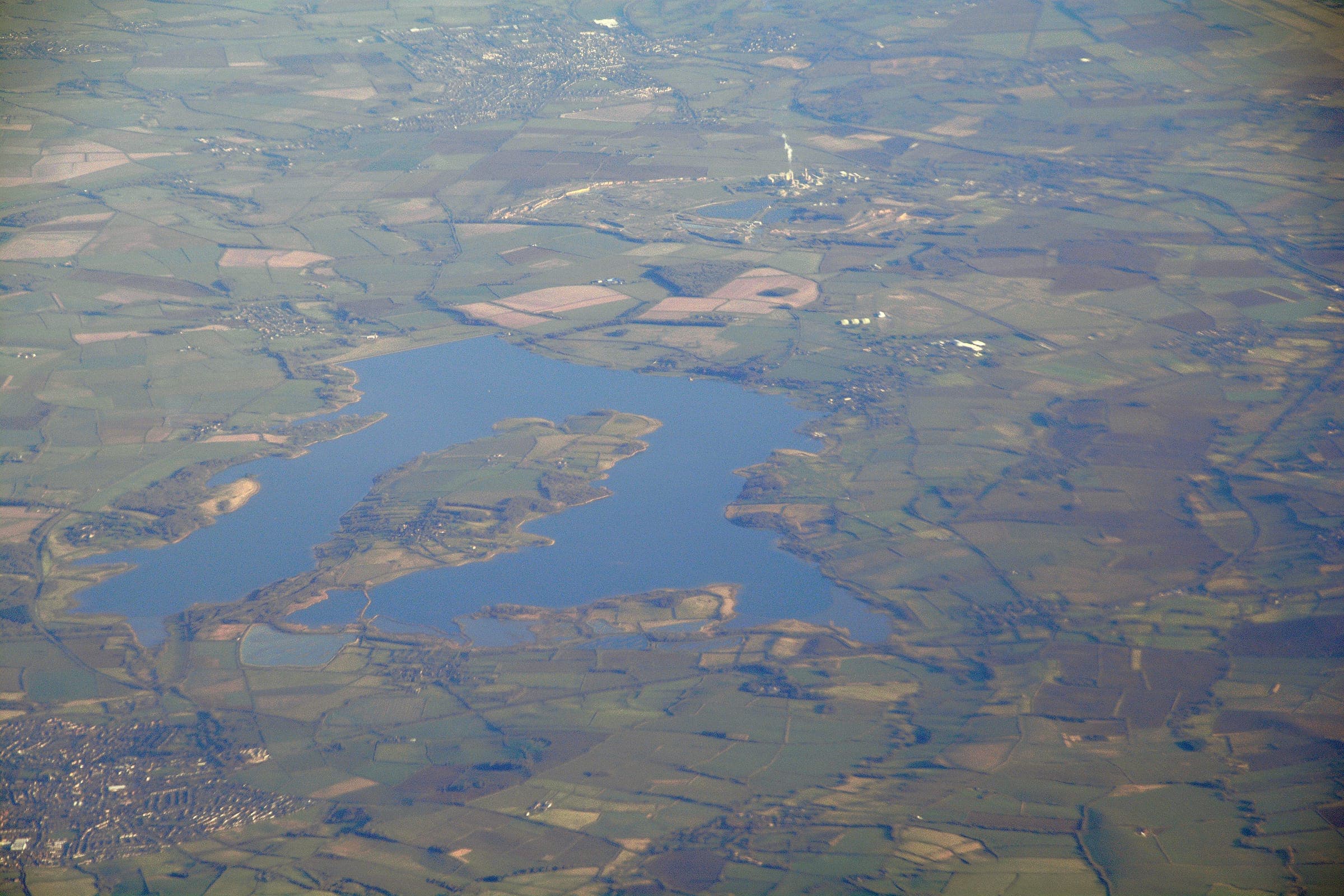
Nottingham's fly-fishing case rests on two very different kinds of water. Rutland Water, under an hour east, is a genuinely accessible day out — one of England's best-known trout reservoirs, booked online, no hidden catch.
The Derbyshire Wye and Dove, a little further into the Peak District, carry three and a half centuries of fly-fishing history, fished by Izaak Walton himself — though getting onto them today usually means booking a room first.
Rutland Water for the genuinely open, excellent day. The Wye or Dove, via a hotel stay, when the occasion calls for fishing on water with real history behind it.
Fly Fishing from Nottingham: A Great Reservoir, and River Fishing History
Nottingham's fly-fishing case rests on two very different kinds of water. Rutland Water, under an hour east, is one of England's largest and most consistently well-regarded trout reservoirs — a genuinely accessible day out with online booking and no hidden catch. The Derbyshire Wye and Dove, a little further into the Peak District, are a different proposition entirely: rivers with real weight in the history of the sport, but access today runs mostly through hotel residency rather than a walk-up day ticket.
Both are worth knowing about for different reasons — one for the fishing itself, the other for standing on water that shaped how fly fishing is understood in England.
The Reality Check, Briefly
An Environment Agency rod licence is required throughout. Rutland Water sells day and season permits online to anyone. The Wye and Dove's best-known beats are tied to hotel stays, not open day tickets.
An Environment Agency rod licence is the baseline everywhere in this guide. Beyond that, the two halves of this trip work very differently: Rutland Water, managed by Anglian Water, sells day and season permits online to any angler, no membership or connections required.
The Wye and Dove are a more honest story. Haddon Estate's water on the Wye through Bakewell to Rowsley — over seven miles of it — is genuinely excellent, but day tickets are sold exclusively to hotel residents or guided guests, priced from £100 to £175 per rod per day depending on season. The Izaak Walton Hotel's three-mile stretch of the Dove works the same way: a fishing pass from reception, tied to a stay. Neither river is a place to turn up expecting a walk-up permit machine.
Rutland Water: The Genuinely Open Option
One of England's premier stillwater trout fisheries, day and season tickets booked online, bank and boat options, a season running mid-March into the following January.
Rutland Water is the water to build a Nottingham fly-fishing trip around. Anglian Water sells a range of permit types online — a Sporting Day Ticket and a cheaper Summer Sunset option among them — covering both bank and boat fishing, with several catch limits available including a full catch-and-release option for anglers who prefer it. The trout season runs from mid-March into the following January, giving genuinely wide availability across most of the year.
This is proper reservoir trout fishing at scale — large rainbows and browns, a big enough water to spread out on, and an established competitive and instructional scene (Rutland Water Fly Fishers among the clubs based there) for anyone wanting to learn the discipline properly rather than muddle through alone.
The Wye and Dove: Fishing History, Honestly Framed
The Haddon Hall stretch of the Wye and the Dukes beat on the Lathkill were fished and written about by Izaak Walton himself — three and a half centuries of continuous angling history on water that today mostly requires a hotel stay to access.
The Derbyshire Wye and Dove carry a genuine claim to fly-fishing history: the Haddon Hall stretch of the Wye and the Dukes beat on its tributary the Lathkill were both fished and written about by Izaak Walton in the seventeenth century, part of the tradition that produced The Compleat Angler. This is about as close as English fly fishing gets to a living historical site.
Access today is the honest complication. Haddon Estate's Wye water, and the Izaak Walton Hotel's stretch of the Dove near Thorpe, Ilam and Tissington, are both tied to a hotel stay rather than sold as open day tickets — book the room, and the fishing pass comes with it. Treat a visit here as an occasion rather than a casual afternoon, and it delivers on both the history and the fishing itself.
The Nottingham Year
Rutland Water fishes from mid-March into the following January — nearly year-round. The Wye and Dove follow the standard English trout season, best from late spring through summer.
Rutland Water's long season, mid-March into January, means there is rarely a bad time to plan a visit — spring and autumn tend to fish most consistently for numbers, with summer bringing the reservoir's dry-fly and buzzer work into its own on calm mornings and evenings.
The Wye and Dove follow the standard English river trout season, with late spring through summer the period when the historic Peak District hatches — and the fishing that made these rivers famous — are at their best.
What to Carry
A 9'6" to 10' 6–7 weight with floating and intermediate lines for Rutland's boat and bank fishing. An 8'6" to 9' 4–5 weight for the more delicate Wye and Dove.
For Rutland Water: a 9'6" to 10' rod of 6 to 7 weight, with both floating and intermediate lines to cover buzzer work, boat drifting and bank fishing across the reservoir's different conditions. Standard stillwater patterns — buzzers, Diawl Bachs, boobies for deeper water.
For the Wye or Dove: an 8'6" to 9' rod of 4 to 5 weight suits the more delicate, historic character of these limestone rivers. Classic English river patterns in smaller sizes than reservoir work demands.
Book Rutland Water permits online in advance for popular weekends, and book any Wye or Dove visit as part of the relevant hotel stay well ahead of time — this is not a same-day decision on either river.
The Final Verdict
Rutland Water for the genuinely open, excellent day of reservoir trout fishing. The Wye or Dove, via a hotel stay, when the occasion calls for fishing on water with real history behind it.
Nottingham's fly-fishing case is really two cases in one: Rutland Water for a straightforward, bookable, genuinely excellent day that asks nothing of you beyond turning up with a permit, and the Derbyshire Wye and Dove for the angler who wants to stand where Izaak Walton stood, provided they are willing to book a room to get there.