Wet fly & traditional
Spiders, soft hackles and loch-style drifts.
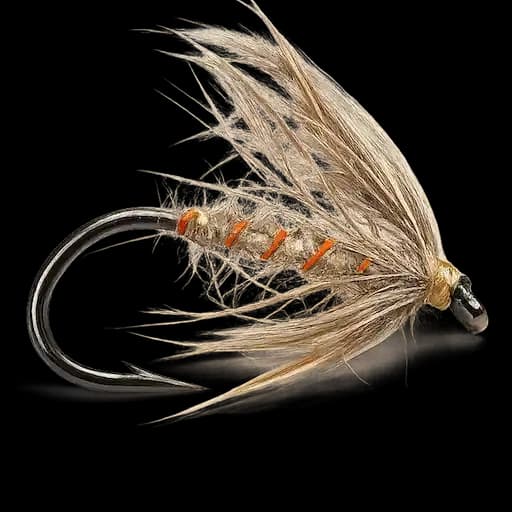
North Country Spiders
Three soft-hackle flies, a short line, and four hundred years of Yorkshire common sense.
March Brown, Waterhen Bloa, Partridge & Orange
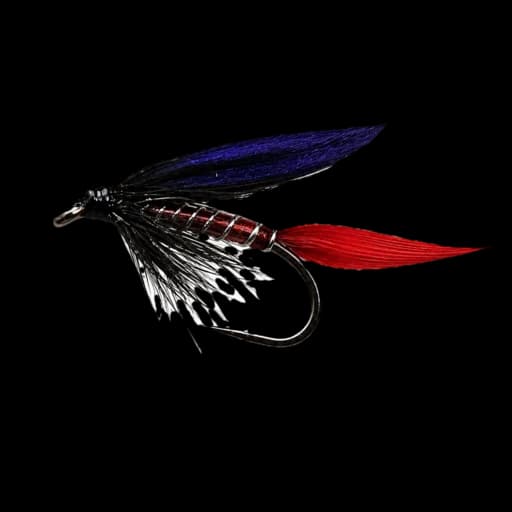
Traditional Wet Fly
Before there were spiders and soft hackles, there was simply the wet fly — a winged pattern fished across and down, searching water the way anglers have for two centuries.
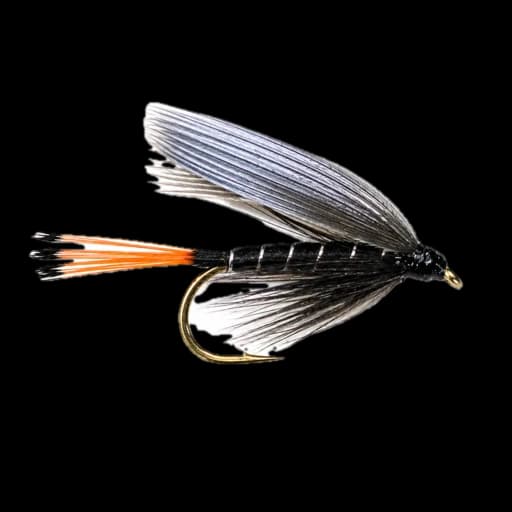
Down and Across Wet Fly
Before spiders and soft hackles refined the method, this was simply how a wet fly was fished — cast across and slightly downstream, swung under tension, covering water methodically.
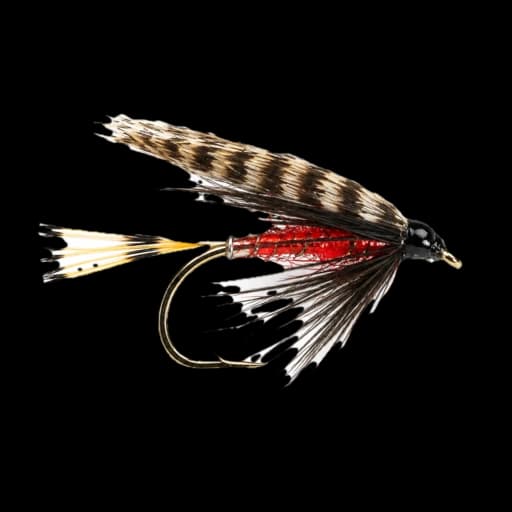
Fishing a Team of Wets
One fly asks one question of the water; three flies, spaced on droppers, ask three at once — different depths, different silhouettes, different triggers, in a single swing.
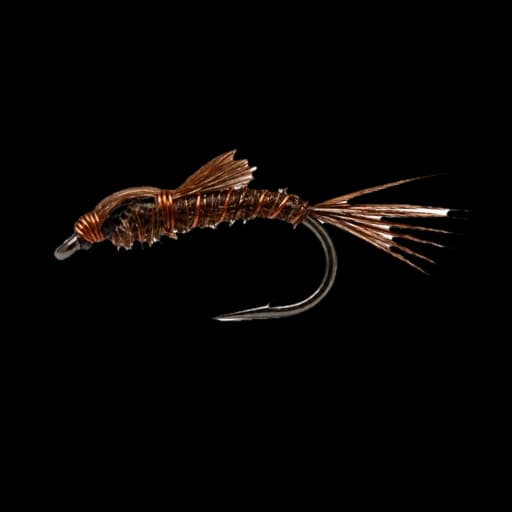
The Induced Take
Sawyer's lift — a nymph that rises at the end of its drift imitates an insect swimming to hatch, and a trout that was ignoring it suddenly cannot help itself.
Lift the nymph. The fish does the rest.
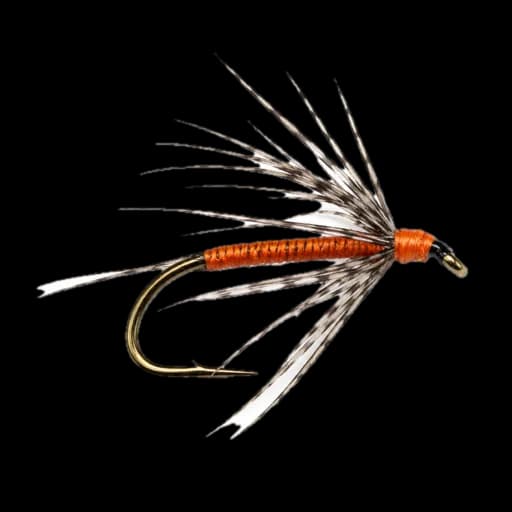
Soft Hackle & Spider
A turn of partridge on a hook, swung across the current. The oldest effective fly pattern in British fishing, and the fish have not yet worked it out.
Cast across, let it swing. Partridge & Orange, Waterhen Bloa.
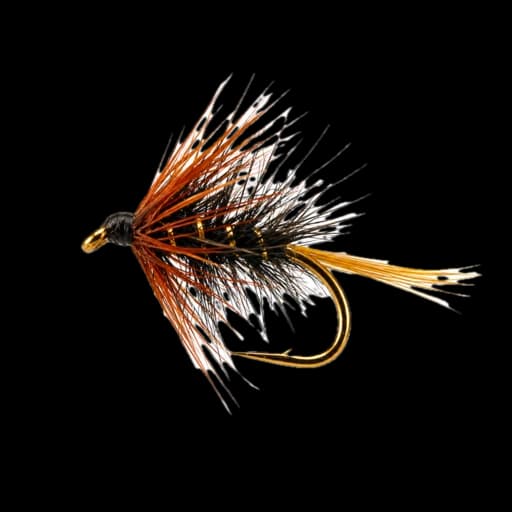
Loch Style Wet Fly
The wind does half the work and the wave does the rest — a team of wet flies drifted from a boat, the bob fly dibbling in the surface.
Bob fly in the wave. Fish the hang.
North Country Spiders
One or two turns of partridge hackle on a silk body, no wing and no flash: the oldest and simplest wet fly in the book, codified in 1885.
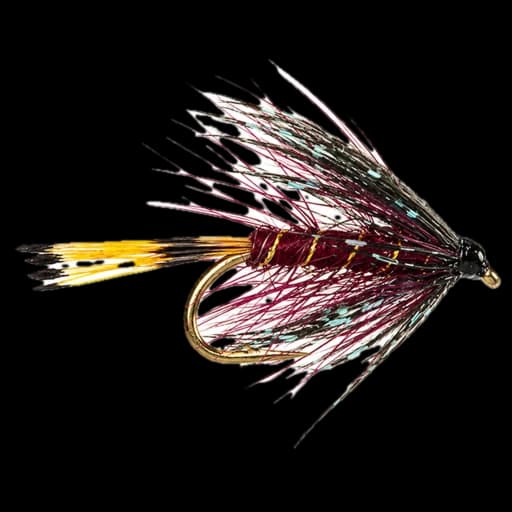
Irish Lough Style Wet Fly
On the great limestone loughs of the west, a team of wet flies drifted broadside from a boat is fished with a rhythm and fly selection all its own — richer water than most Scottish lochs.
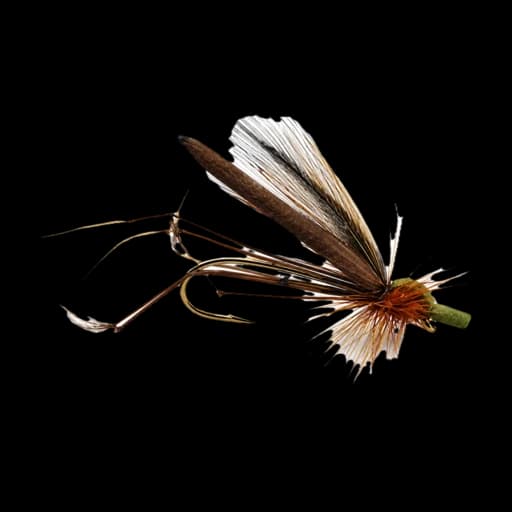
Dapping
The oldest form of fly fishing and the most theatrical — a large fly held on the surface by the wind, barely touching the water, dancing like something alive and about to escape.
Wind, patience, and a willingness to hold your arm up.
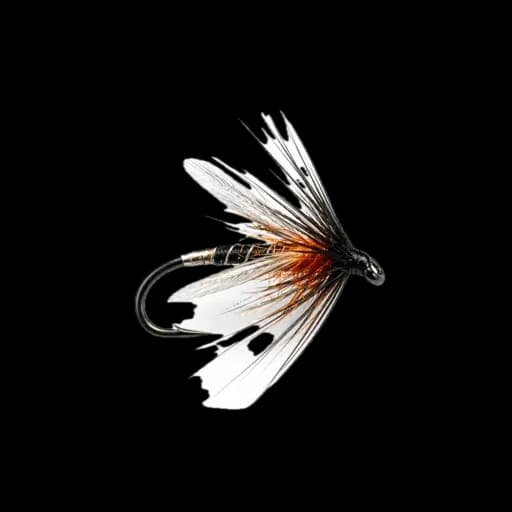
Duckfly Dapping
Before the duckfly hatch properly gets going on the big Irish limestone loughs, trout key in on the adults skittering on the surface — and a dapped imitation draws takes no cast fly matches.