Leaders, rigs & knots
The connection between you and the fly, built properly.
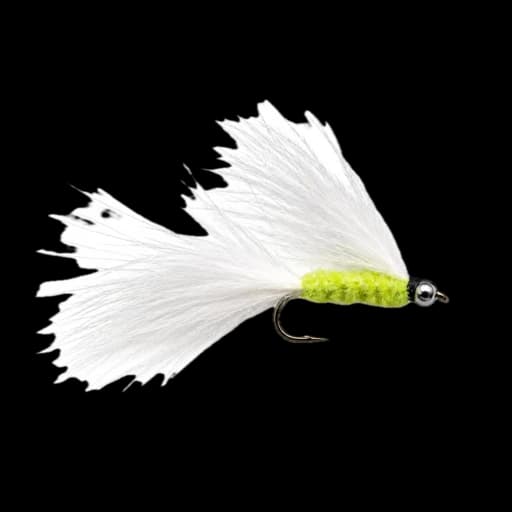
Sinking & Intermediate Lines
Line density is the real depth control in stillwater fishing — more so than fly weight, more so than leader length.
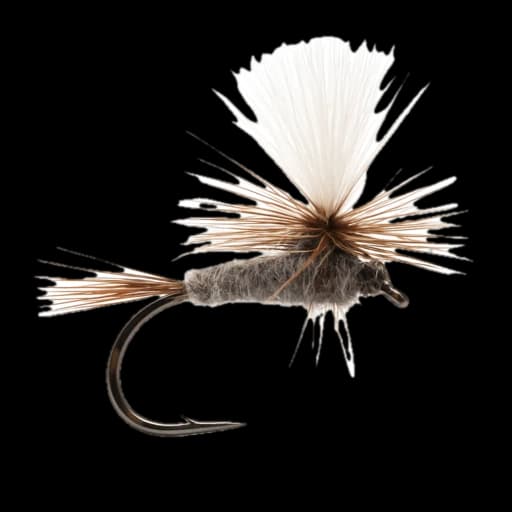
Building a Balanced Fly-Fishing Leader
A leader is not a single piece of nylon — it's an energy-transfer system. Understand what butt, taper and tippet each do and a packaged leader stops being a fixed product.
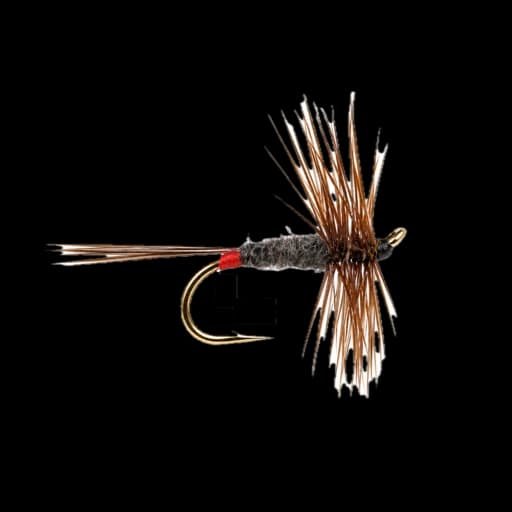
Choosing Tippet: Diameter, Strength and Material
Breaking strain on the packet tells you almost nothing useful on the water — diameter is what actually governs drag, sink rate, and how a fly behaves.
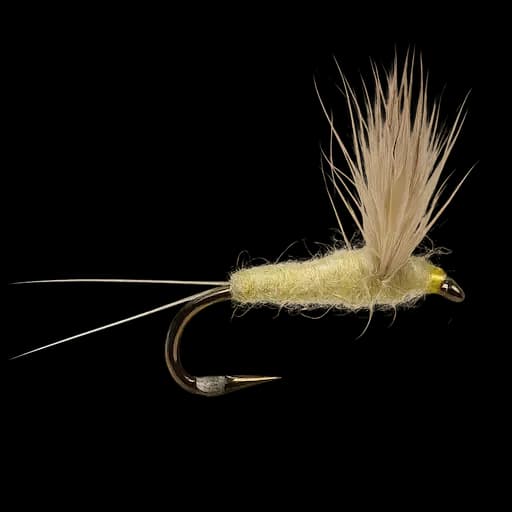
The Dry-Dropper Rig
A dry-dropper rig fishes two depths from one cast — a buoyant dry doubling as a strike indicator, and a nymph hanging beneath it to cover the water column the dry can't reach.
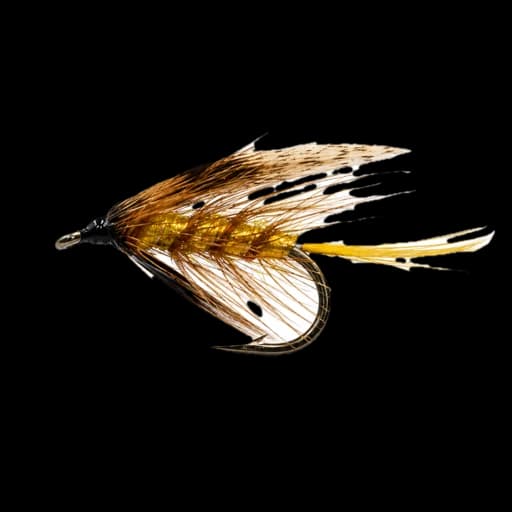
Droppers and Teams of Flies
A team of flies multiplies what a single cast can ask of the water, but a badly built dropper rig tangles, wind-knots, or collapses in the air.
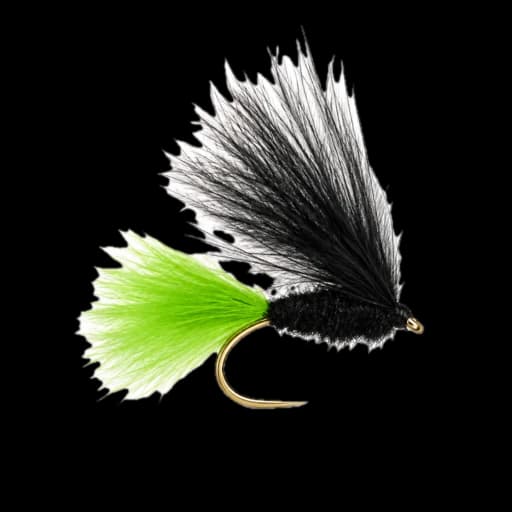
Stillwater Leader Setups
Every stillwater method needs its own leader. The lesson that carries across buzzers, washing line, pulled lures, dries and the indicator is adapting to depth, wind and casting ability.
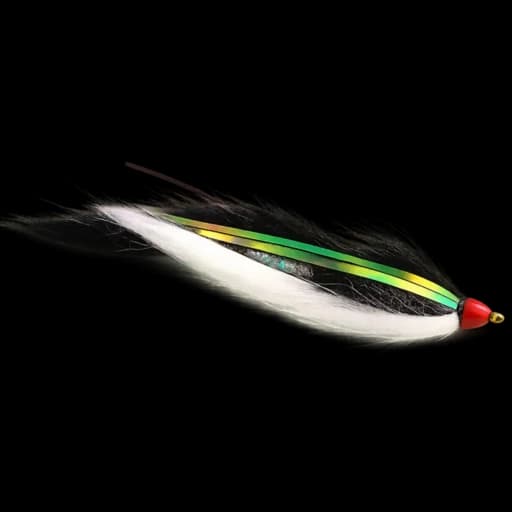
Streamer and Predator Leaders
A delicate tapered leader is wasted on a bulky streamer or a wire-shy pike fly — what's needed instead is a short, powerful leader built to turn the fly over and survive the fight.
Essential Fly Fishing Knots
Six knots cover nearly everything: line to leader, leader to tippet, fly to tippet, a loop for streamers, a dropper and a wire trace. When to use each, and how to tie it.
Leader Formulas
One rule for thickness, one for matching the fly, one for the split. X sizes, millimetres and lengths, and starting points for dry fly, nymph, Euro nymphing and streamers.