Reading water
Where the fish are, and how to get to them without telling them.
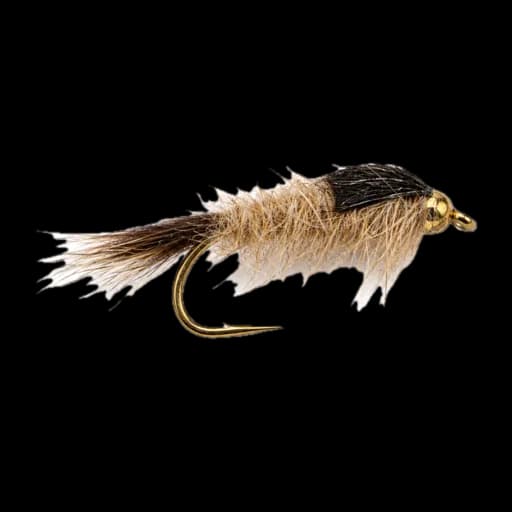
Reading a Trout River
Before any cast matters, the river has to be read. A pool, a riffle, a glide, a seam beside a boulder — each holds fish for different reasons.
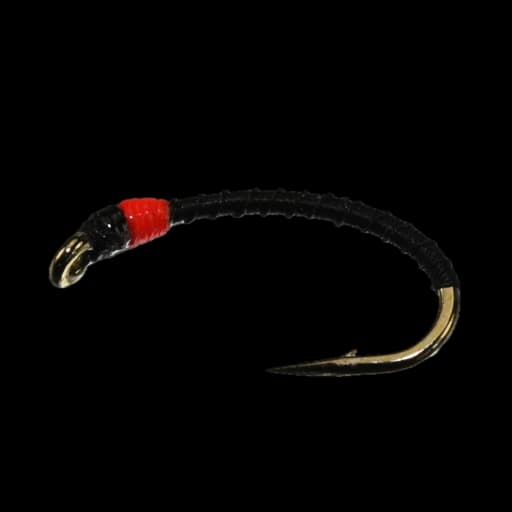
Reading a Stillwater
A stillwater gives away far less than a river — no current to concentrate food, no obvious seam to fish.
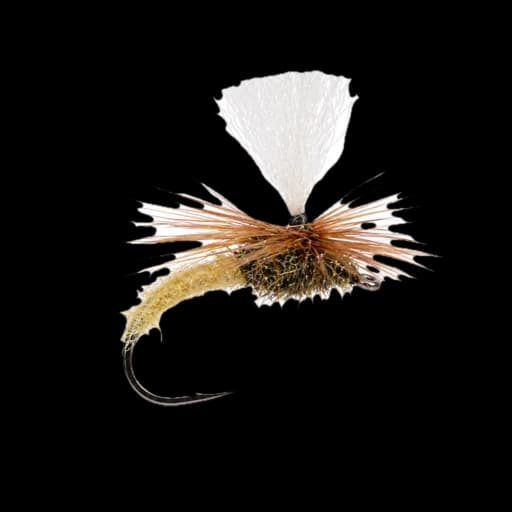
Approaching the Water
Most fish that are never caught were never actually fished for — they were spooked before the first cast landed.
Wading for Better Presentation
Wading should solve a problem — reach a lie, improve a casting angle, get below a fish's sightline — not become a habit exercised whenever the bank is merely inconvenient.
Safe Wading in Fast Water
Wading is a means to an angle, not a badge of commitment — and fast water has drowned careless anglers who forgot that a wrong step costs far more than a missed cast.
Fishing Across Conflicting Currents
Some water refuses to cooperate — three current speeds between you and the fish, each pulling the line differently, defeating a simple cast before it's even finished landing.
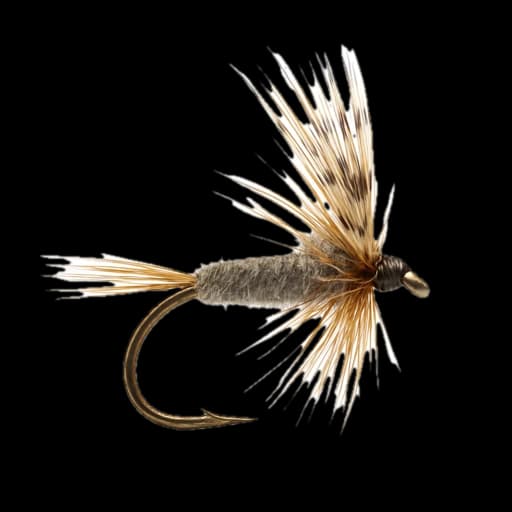
Sight Fishing
Spotting fish and casting to sighted targets — polarised glasses, stealth, and the art of seeing fish before they see you.
Polaroids on. Slow down. See the fish first.
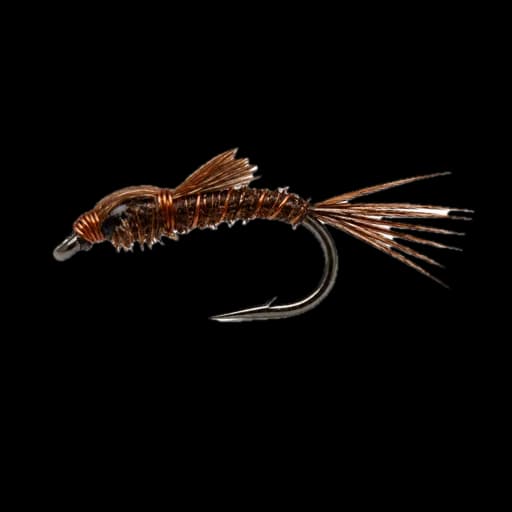
Fishing Low, Clear Water
Low, clear water is the river holding its breath. Where to fish, when to stop, and how to approach a river where the fish can see everything.
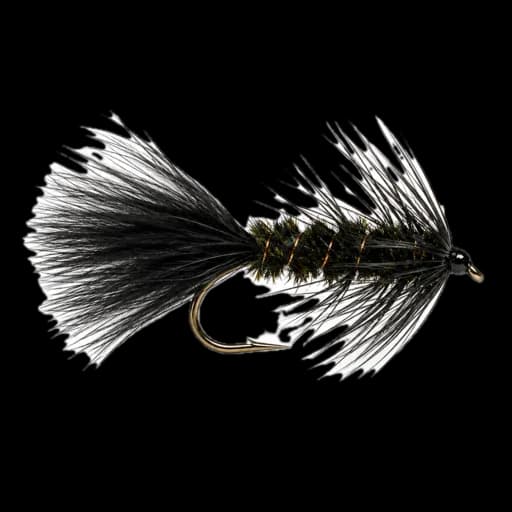
Fishing a River in Spate
A spate is a river changing its mind. Know which stage it is in (rising, peak, falling and coloured, falling and clearing) and you will know where the fish are and what to fish.