Dry fly & emergers
Floating flies and the film: upstream, across, blind and to the rise.

The Last Olives and the Autumn Sedges
The autumn olives, the Caperer and the short midday hatch window, and how to fish them while the trout and grayling are still feeding.
Noon to three. Large Dark Olive.
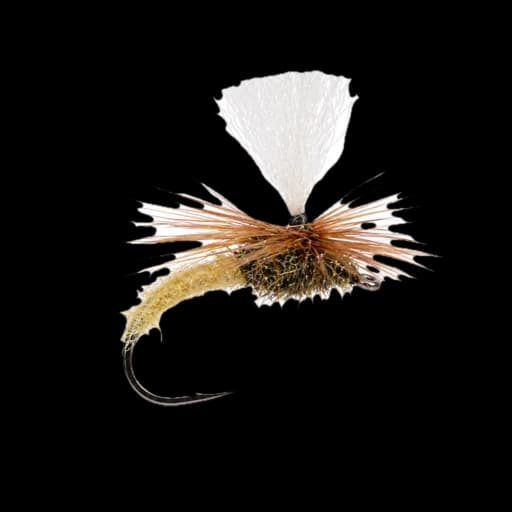
Emerger Fishing
That awkward inch between water and air where most insects die and most trout feed. When fish refuse your dry, the answer is almost always lower in the film.
In the film, not on it. CDC, Klinkhamer, shuttlecock.
Klink and Dink
Named, with a certain lack of ceremony, for a Klinkhamer sitting on top and a nymph 'dinking' along beneath it, this is prospecting made efficient.
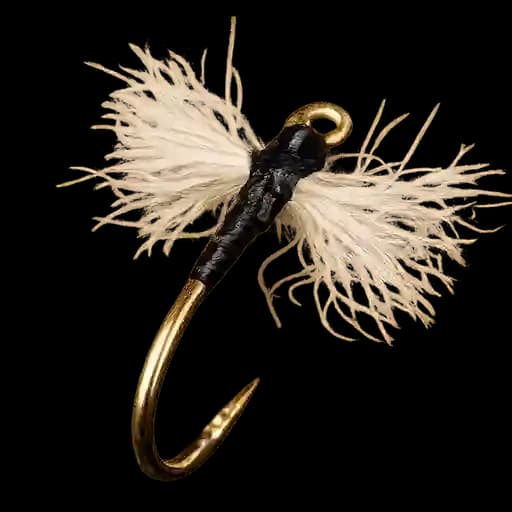
Caenis Fishing ("The Curse")
Anglers call it the Curse for a reason — caenis hatch in dense clouds on summer evenings, trout key onto the naturals with total selectivity, and a fly even slightly too large is refused.
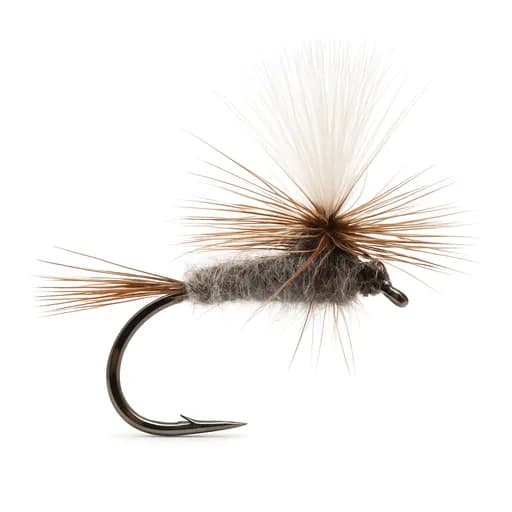
Upstream Dry Fly
The simplest idea in fly fishing, and the most satisfying — a floating fly, cast upstream to a rising trout, drifting back as though it belongs there.
Drag-free drift. Cast upstream, wait, lift.
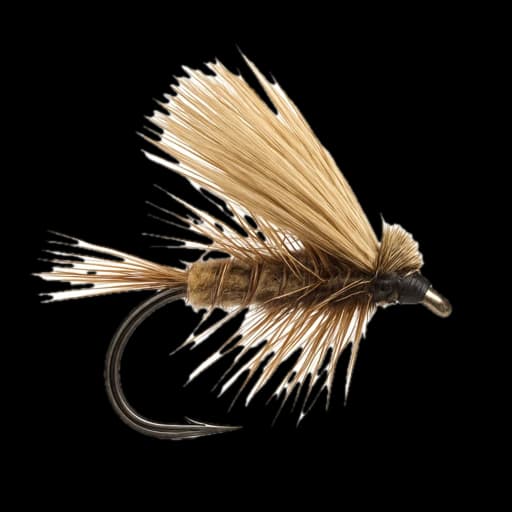
Downstream Dry Fly
There's a school of thought that says a proper angler always fishes upstream, and there's the actual river, which frequently disagrees.
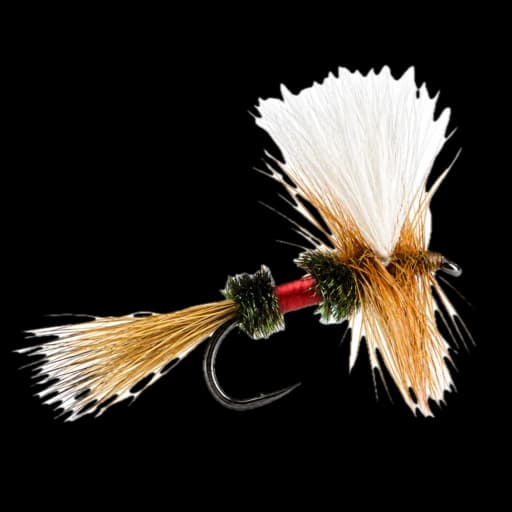
Across and Down Dry Fly
On broken freestone water a dry fly cast straight upstream often drags before a fish ever sees it. Casting across and slightly downstream buys several extra feet of drag-free float.
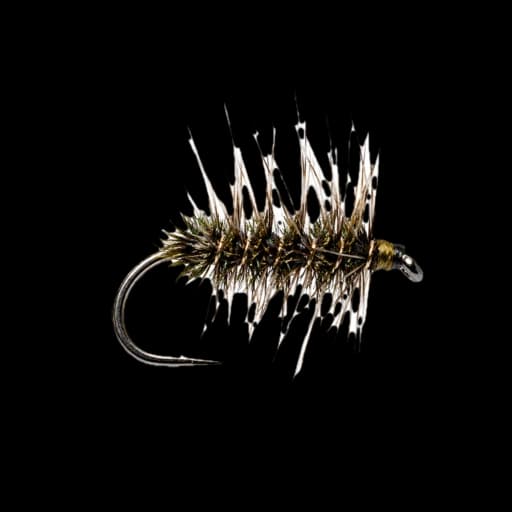
Static Dry Fly
Not every rising trout wants movement. On slow glides and stillwater margins, a fly held dead still is often the only presentation a wary, well-fed fish will accept.
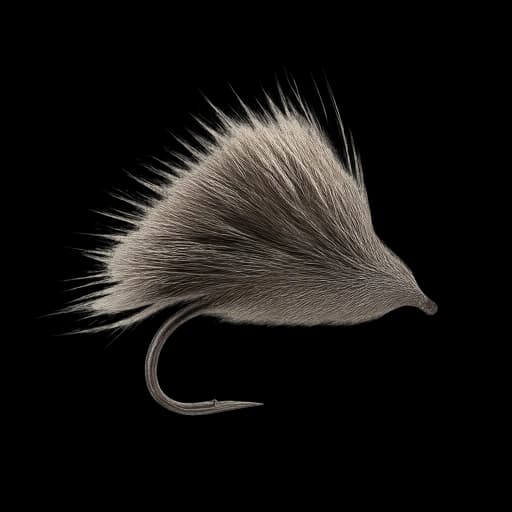
Skated or Waked Dry Fly
Drag is usually the enemy of a dry fly — until it isn't. Deliberately skating a fly can pull takes from fish that have ignored a dead-drifted pattern all evening.
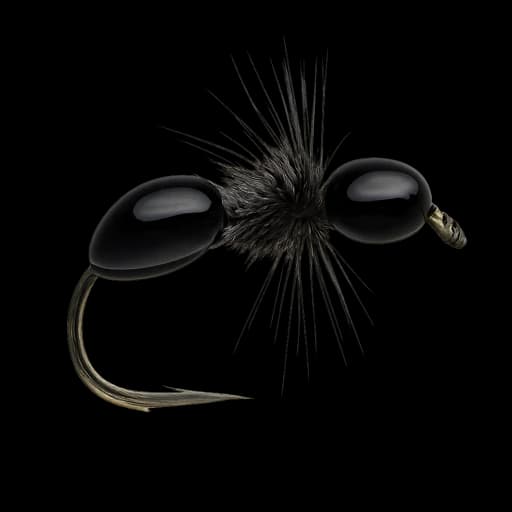
Terrestrial Dry Fly
Some of the best fishing days happen when nothing is hatching at all. No olives, no caddis, not a fly in the air — and yet there's a decent trout sipping something just under the alders.
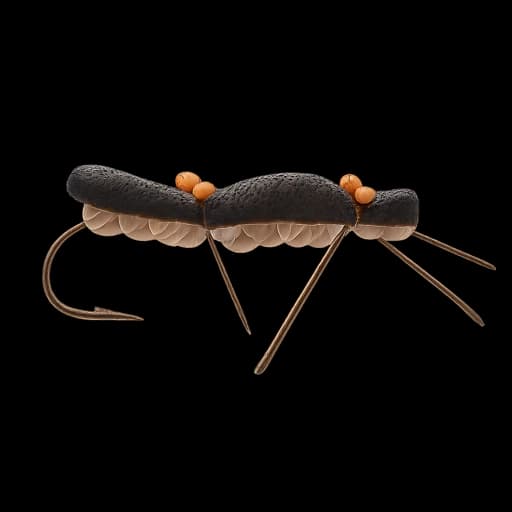
Blind Dry Fly Fishing
No rises, no visible fish, no clue where a trout might be holding — blind dry fly fishing is prospecting on the strength of reading current and structure alone.
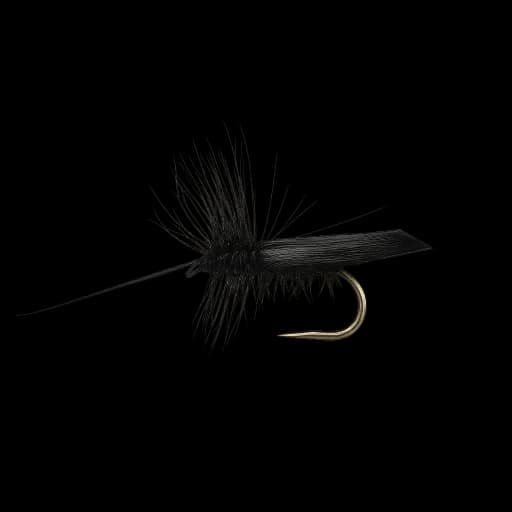
Fishing the Sedge Hatch
The sedge bursts through the surface and the fish go after it with a splash. The grannom, the evening hatch, the pupa and the skated adult.