Nymphing
Indicator, Czech and Euro, tight-line and multi-fly rigs.
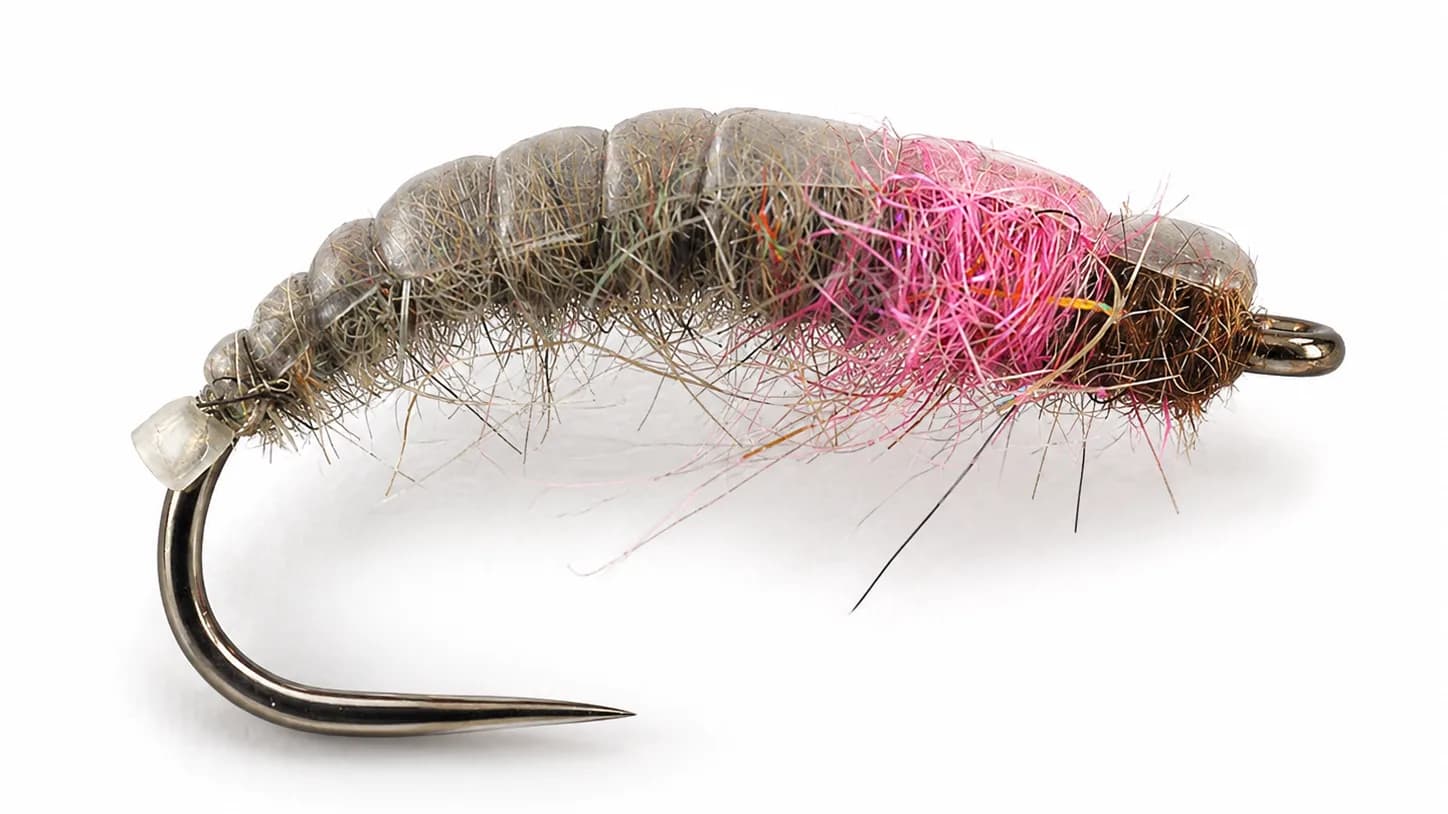
Euro Nymphing
The method that quietly won everything — Czech short-range, French long-range, and the sighter rig that bridges them.
Czech: short range. French: long range. Sighter: everything.
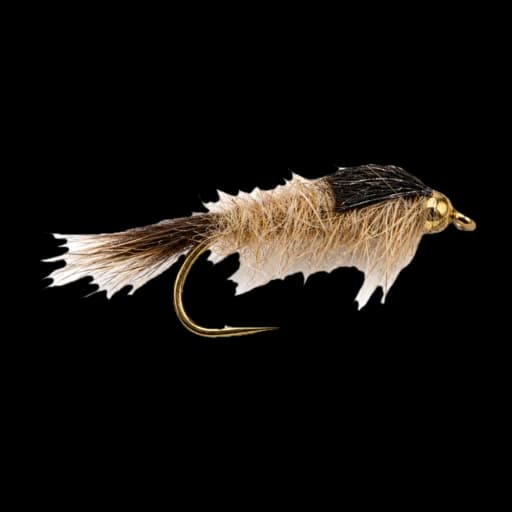
Indicator Nymphing
The indicator is a float by any other name, and there is no shame in that. It suspends your nymph at the right depth and shows you takes you would otherwise miss.
Suspend the nymph. Watch the indicator. Set depth.
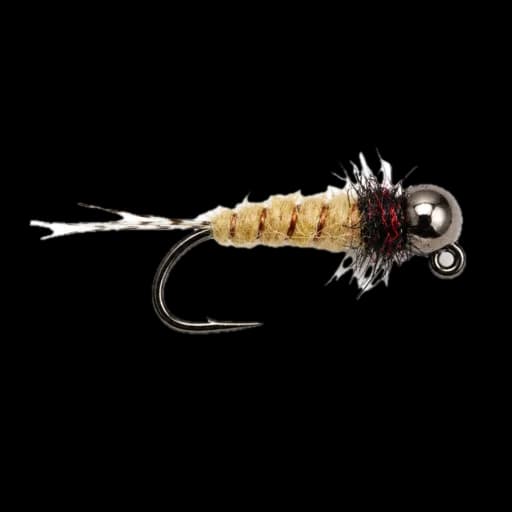
Tight-Line Nymphing
Take away the indicator and you are left with your rod, your leader, and the current. The most sensitive way to fish a nymph.
No float. Direct contact. Feel or see the take.
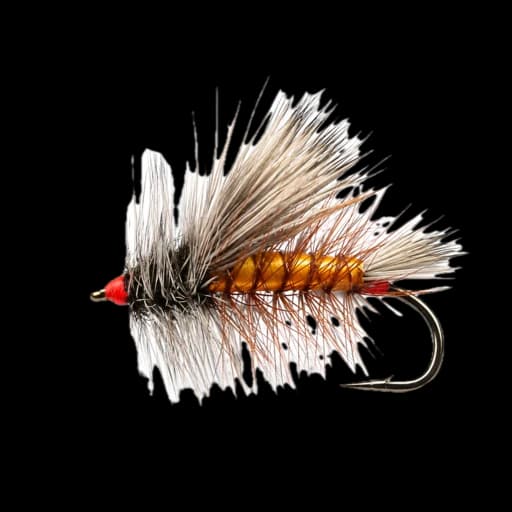
Dry Dropper
A buoyant fly on top big enough to float a nymph, and something smaller and heavier hanging beneath it — covering two depths at once beats guessing which one to commit to.
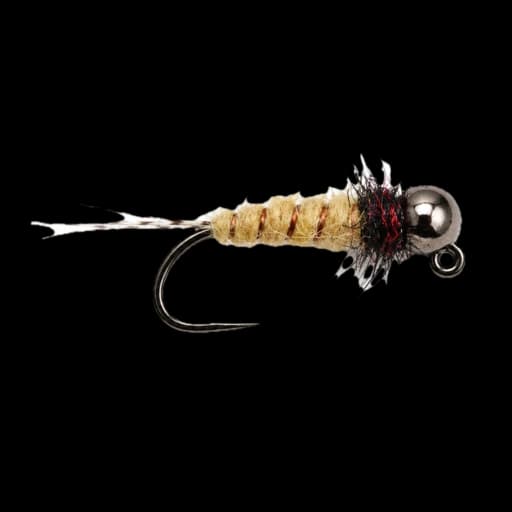
Czech Nymphing
Short-line, heavy nymphs, direct contact with the riverbed. It looks nothing like the pictures in the books, and it catches fish in fast water when nothing else will.
Short range. Heavy point fly. Feel the bottom.
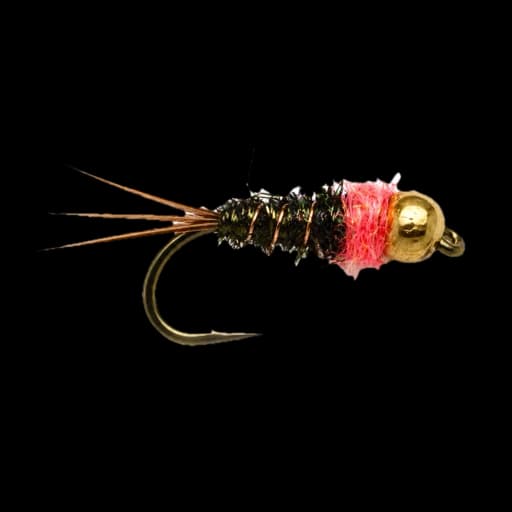
French Nymphing
If Czech nymphing is a hammer, French nymphing is a scalpel — long leader, fine tippet, lighter nymphs, and a reach beyond rod-length into technical water.
Long leader. Fine tippet. Light contact at range.
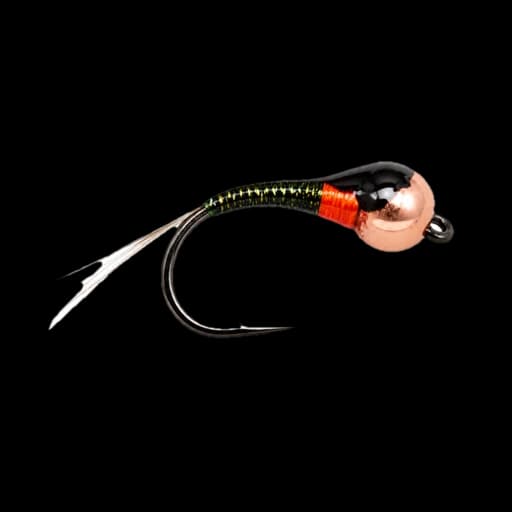
Spanish Nymphing
Spanish nymphing takes the long-leader principle of French nymphing further still — an even longer rod and slim tungsten Perdigón nymphs designed to cut through fast water.
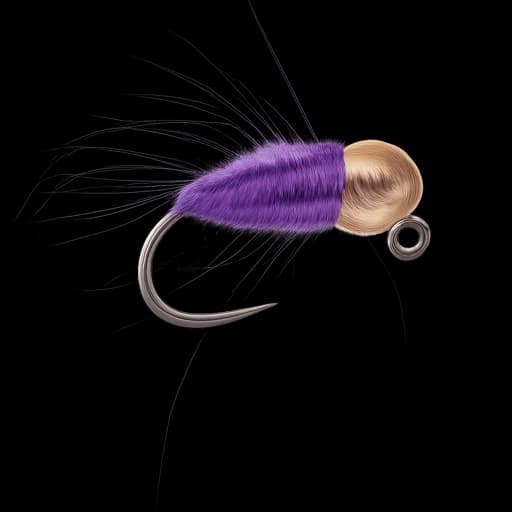
Modern Euro Nymphing
Modern Euro nymphing borrows freely from Czech, French, and Spanish schools rather than sticking to one — a jig nymph fished at whatever range and depth the water demands.
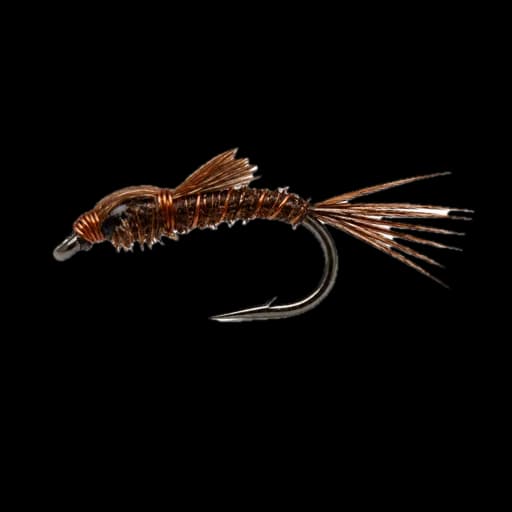
Skues Nymphing
G. E. M. Skues spent a good part of his life being quietly disapproved of on the Itchen for presenting a nymph to a trout that wouldn't take a floating fly.
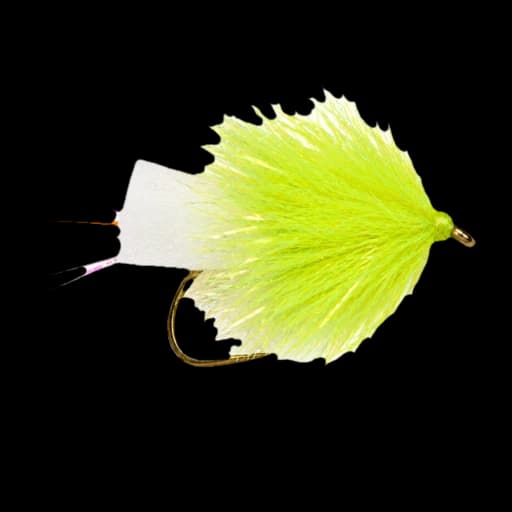
Washing Line
Named for the obvious reason — a line of flies hanging the way washing hangs on a line — this is one of the cleverer stillwater rigs, and one of the simplest once you've seen it done.
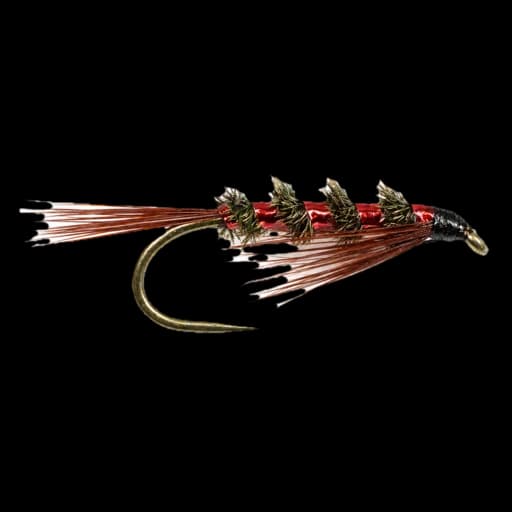
Team of Nymphs
Three flies, spaced out on droppers, worked back slowly across open water — stillwater fishing at its most fundamental, and a consistent way to find feeding trout.
Working a Team of Flies
Two or three flies on one leader multiply the questions you're asking the water at once — but they also multiply the ways things can go wrong.