Tenkara & fixed line
One line, no reel, and a surprising amount of control.
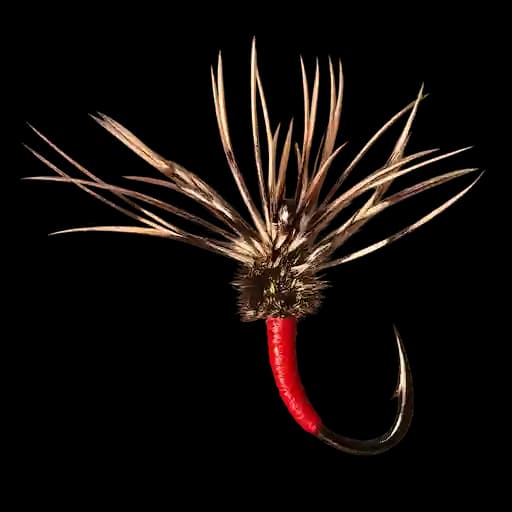
Tenkara
No reel. No fly line. Just a long rod, a length of tapered line, and a single fly. Tenkara strips fly fishing back to its essentials.
Fixed line. One fly. Small streams.
Small-Stream Tenkara
Enclosed streams — overhung by trees, squeezed between boulders, barely wide enough for a proper backcast — are exactly where tenkara's long rod and short line earn their keep.
Fishing the Kebari
Kebari simply means an artificial fly in Japanese — not one pattern, not one hackle style.
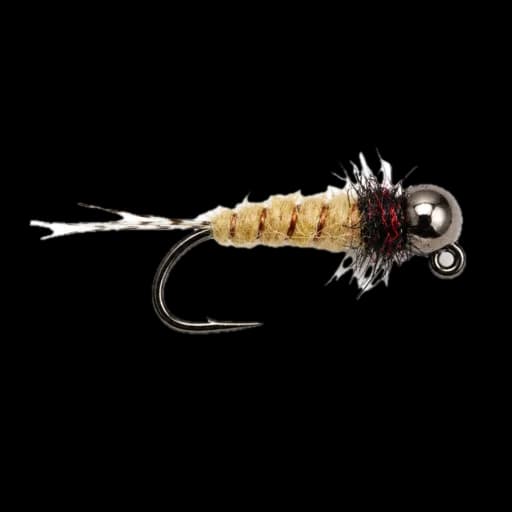
Fixed-Line Nymphing
Bolt a weighted nymph onto tenkara tackle and something genuinely useful happens: the long rod keeps line off the water exactly as European contact nymphing demands, and the direct connection transmits a take with no indicator lag at all.
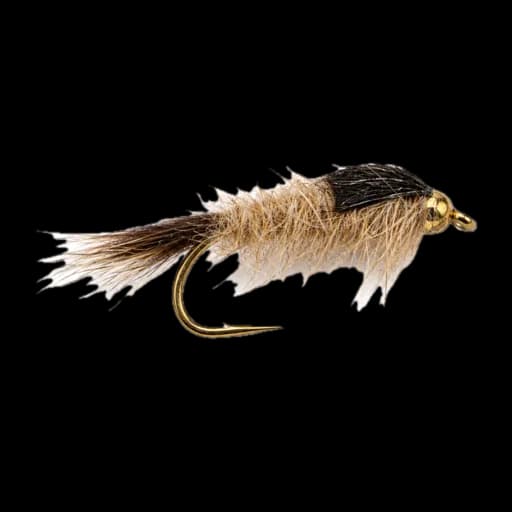
Keiryu Fishing
Keiryu is a genuine Japanese fixed-line stream tradition, and traditionally it isn't fly fishing at all — long rods, fine lines, and terminal weight built around bait collected from the riverside.
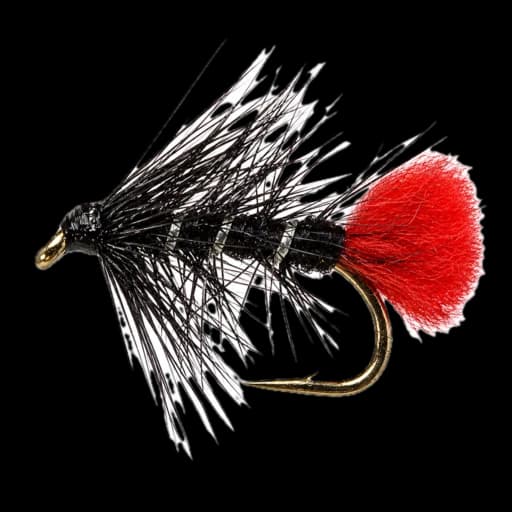
Pesca alla Valsesiana
Below Monte Rosa in northwestern Italy, anglers have fished the fast, broken water of the Sesia valley with a long fixed rod and a horsehair line for longer than anyone writing about it today can precisely date.
Fixed-Line Grayling
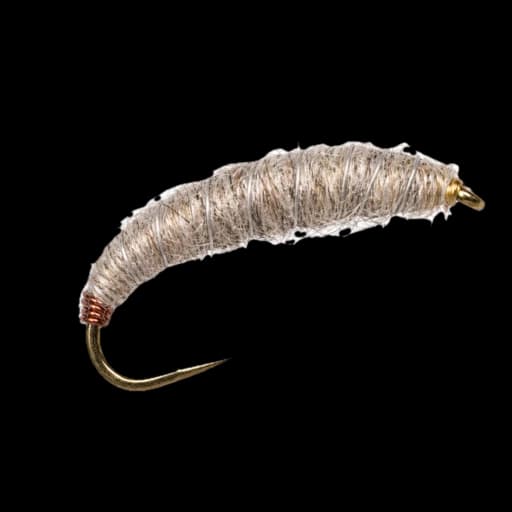
A tenkara or keiryu rod solves a specific grayling problem: getting a short, sensitive drift into a seam without the intervening currents that plague a longer fly line.
Tenkara on Larger Rivers
Tenkara's reputation is built on small streams, but a longer line extends its reach onto broader water without abandoning what makes the method work.
One Fly, Six Presentations
Tie on a single trusted kebari and refuse to change it for the rest of the session, and something useful happens: instead of reaching for a new fly at the first refusal, you're forced to solve the problem with position, depth, drift, and movement instead.