Salmon & sea trout
The swing, the Spey cast, spate water and the night.
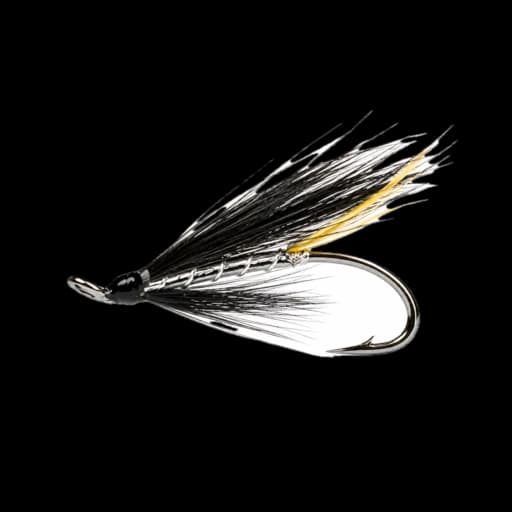
Classic Wet Fly Swing
The foundation of Atlantic salmon and sea trout fishing — cast across, let the fly swing under tension, step downstream, repeat. Simple method, lifetime's discipline.
Cast 45° across. Step and cast. Cover the pool.
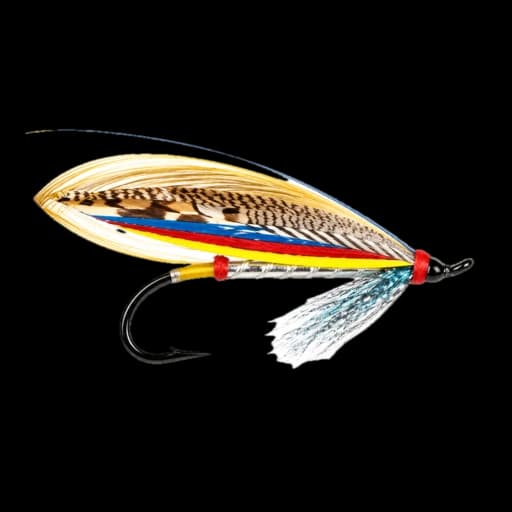
Greased-Line Salmon Fishing
A.H.E. Wood's method for low, warm summer water: a small fly fished just under the surface, broadside to the current, for salmon that ignore a deeply fished fly.
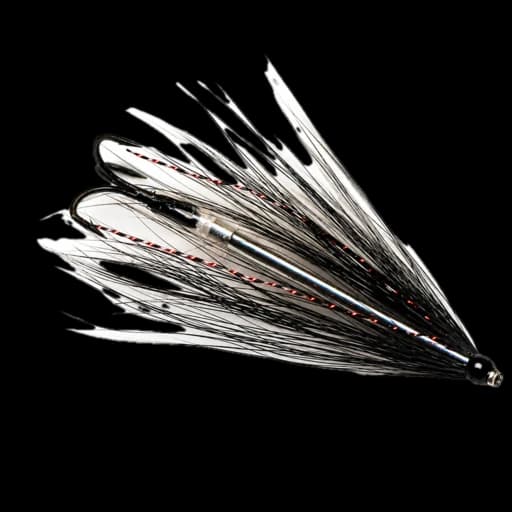
Night Sea Trout
Not a variation of daytime fishing — a different pursuit entirely. The fish that lay invisible through the day become active and aggressive between dusk and dawn.
Know the pool. Fish slow. Resist the temptation to rush.
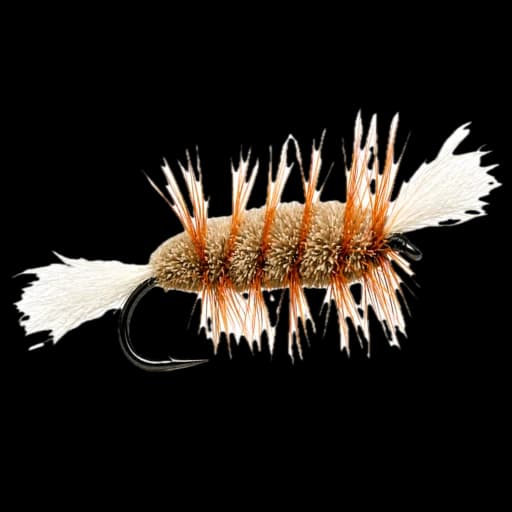
Waking a Surface Fly for Salmon
Skated so it wakes a visible V on the surface, a Bomber or hitched tube becomes one of the most exciting ways to move a salmon — the take arrives as a boil you see coming.
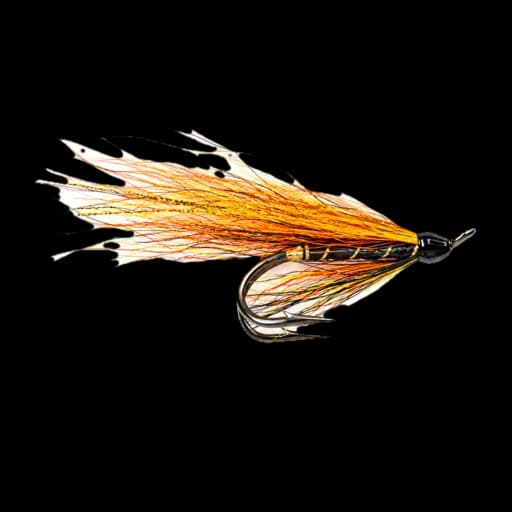
Tube Fly Swing
A tube fly separates the dressing from the hook entirely, letting the angler fish a large, mobile silhouette without the weight and leverage of a big fly on a fixed shank.
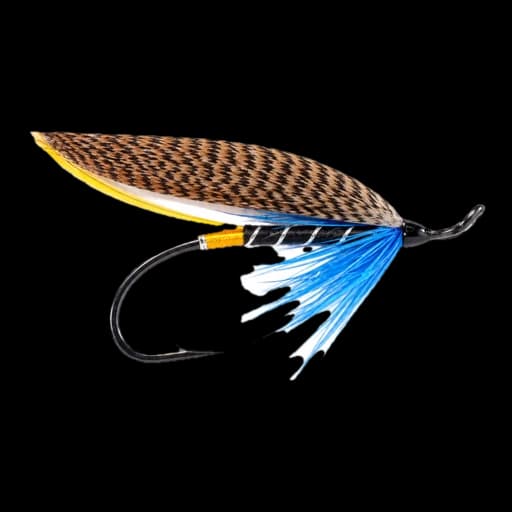
Floating-Line Salmon
The floating line is the summer salmon angler's tool, and in low, warm water it is very often the only tool required.
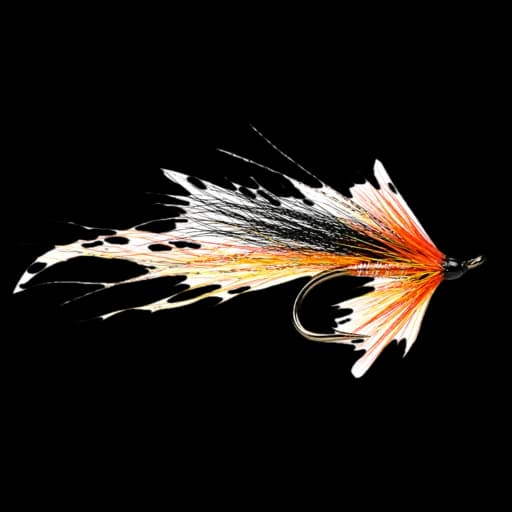
Sunk-Line Salmon
Cold water changes everything a salmon angler thinks he knows about presentation — below about 8°C, the fly has to be brought down to where the fish is lying.
Riffling Hitch
A single half-hitch of leader tied behind the head of a small fly, and it stops swimming and starts waking — cutting a visible V a salmon or grilse cannot leave alone.
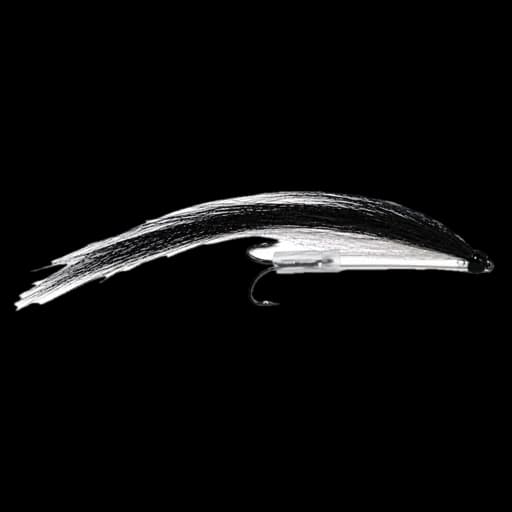
Stripping the Sunray
Alistair Gowans tied the Sunray Shadow for his own water on the Aberdeenshire Dee, for the particular problem of low, warm summer water in which salmon had stopped responding to anything fished slowly.
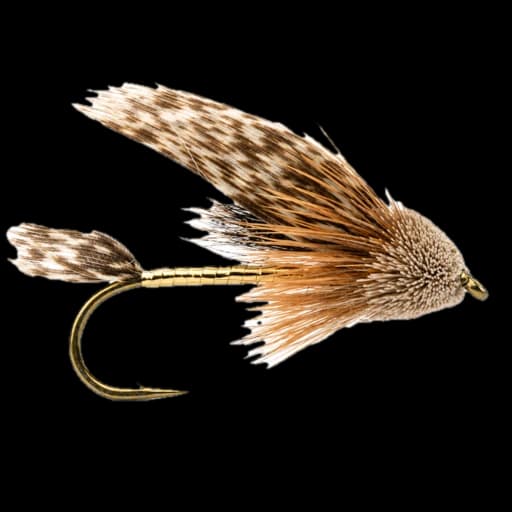
Surface-Lure Sea Trout
A Muddler fished dead across the current does nothing more than swim. Skate it, and it becomes a wake fly that a sea trout will come a long way to investigate.
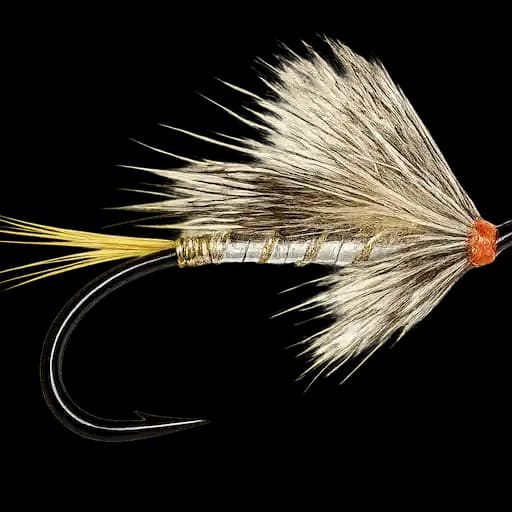
Deep Night Sea Trout
Not every sea trout night rewards a fly worked on or near the surface.
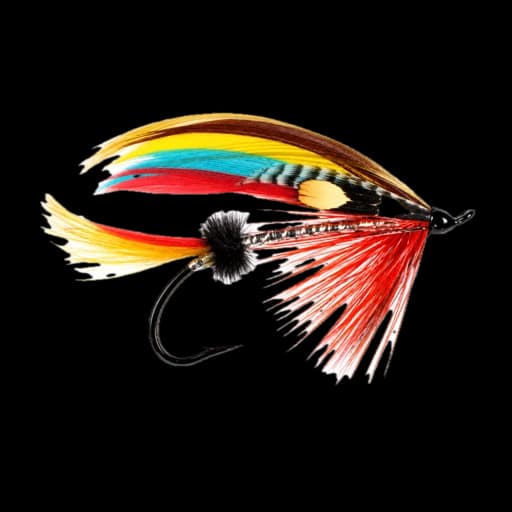
Reading a Salmon Pool
A salmon doesn't feed, so it doesn't sit where a trout would. Reading a pool means finding where a resting fish is prepared to move for a fly — and that changes with water height.
Spey Casting — Single & Double
A Spey cast changes direction and delivers a heavy fly without a backcast — essential on rivers where trees, banks, or other anglers leave no room behind you.
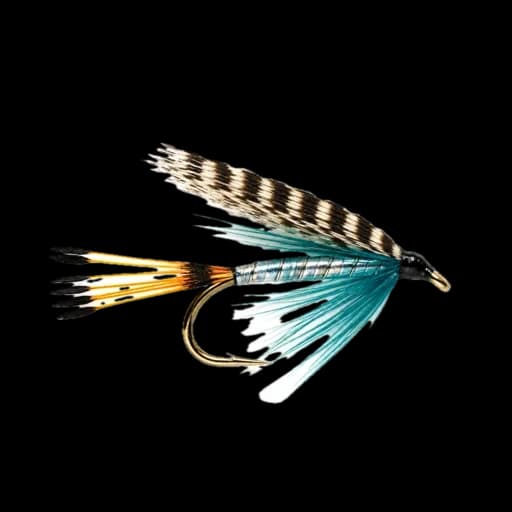
Sea Trout by Day and in the Estuary
A sea trout is not only a night fish. The estuary on the tide, a coloured river in spring and autumn, the finnock, the Irish loughs and the Cantabrian reo.