Freestone · Limestone · Yorkshire Dales / West Yorkshire, GB-ENG

River Wharfe

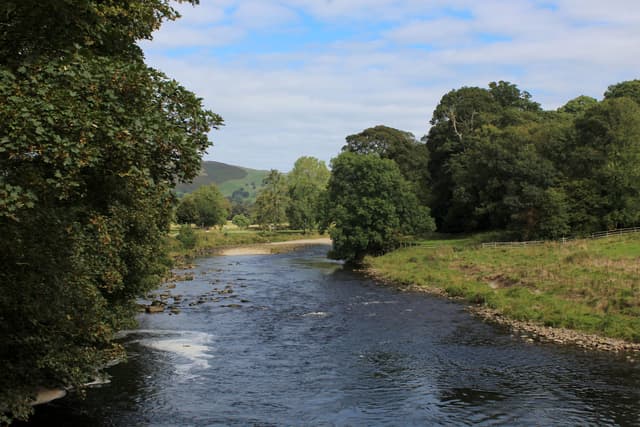
The River Wharfe flowing through a wide gravel-bed channel at Bolton Abbey with tree-lined banks.

Iconic Dales river — riffles, runs, glides, and deeper pools that teach you water-reading just by walking the bank.

Today · About as good as it gets
Czech Nymph
Forecast · Today
About as good as it gets
On the feed top to bottom — start on the rises with a dry, drop a nymph if they stay down.
75% projected
Today's fly
Czech Nymph
Czech Nymph
Conditions on the water · Today
Live gauge
Level
Steady
0.26 m
Water temp6.9°C
ClarityClear
Weather3°C
WindN 14 km/h
Pressure1013 hPa
Rain · recent0.0 mm
Rain · ahead7.0 mm

The nearest gauge is at Kettlewell. It doesn't record temperatures, so we've estimated it — defer to the river keeper's advice.

Water temperature for Grayling
Ideal
7°C est.ideal 4–14°C
0°14°28°
How to fish it · for Grayling
When
Autumn into winter is prime — September through February. Cold-water tolerant; midday warmth in cold months brings fish up. Yorkshire grayling fishing is a winter tradition.
Where
Faster water at the heads of riffles, gravel runs, deeper glide tails. Below Bolton Abbey holds grayling reliably; the upper Wharfe runs harder pocket water.
Method
Upstream wet with North Country spiders — Snipe and Purple, Greenwell's Spider, Dark Watchet. Switch to Euro-nymphing through the deeper pockets. Dry fly when sedges or olives come off.
Kit
9 ft #4 for the wets and dries; 10 ft #3 nymphing rod for the deep pockets. 4 to 5 lb fluoro tippet, 12 ft leader.
Why this works
Good — water temperature is working for you, but time of day is the limiting factor today. Grayling feeds actively in cold water — peak winter sport.
Likely species
Hatch timeline · todayPeak at 11am

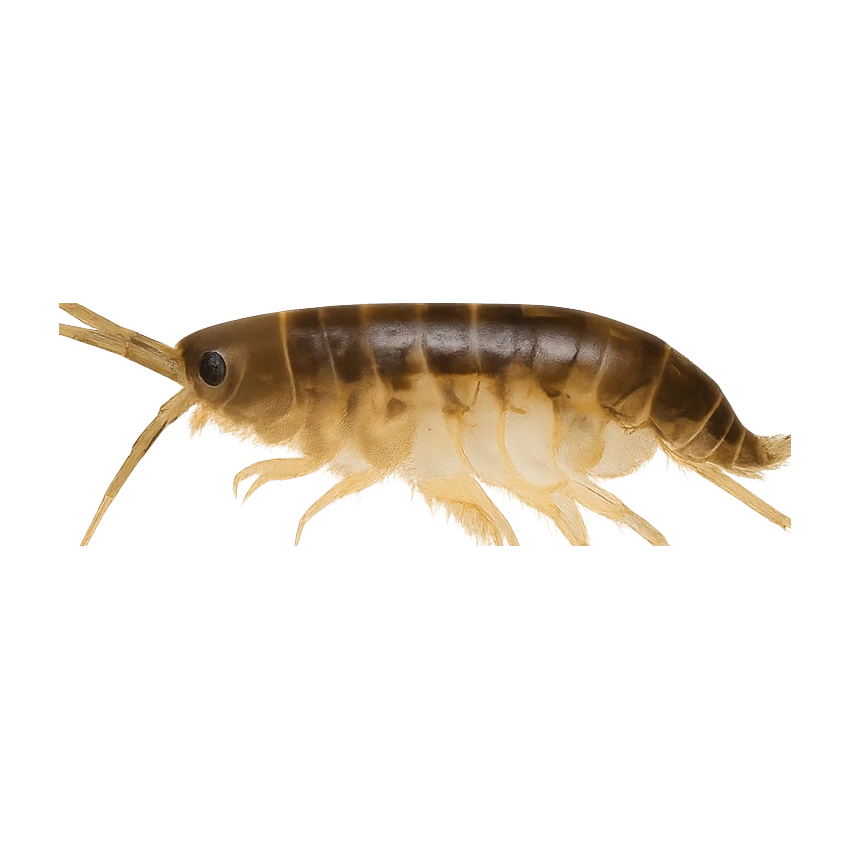
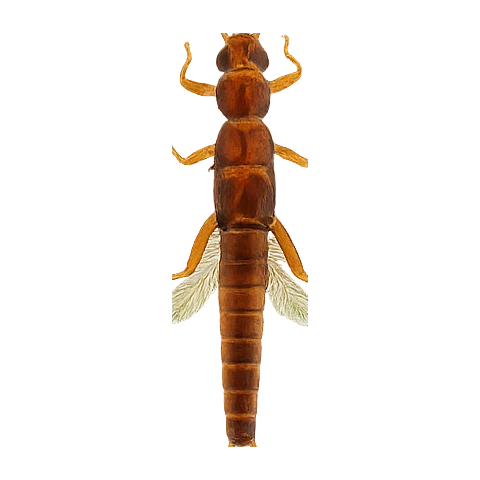
12pm(now) — Autumn Needle Fly

Stage: Creeping nymphsApproach: Heavy nymphActivity: 33%
Also:Black Midge29%Autumn Olive21%
Peak emergence window5 food groups active

Peak activity at 11am — Autumn Needle Fly (Autumn Needle Fly, Peak emergence window)

Sub-surface · on the nymphunder the surface

Hatch predictions

Top nymph shown — see all 3 guilds as a supporter.

Start free trial

14-day free trial. Cancel anytime.

Beyond the hatch · worth watchingambient prey(1)

Hatch predictions

Supporters see what else is on the menu.

Start free trial

14-day free trial. Cancel anytime.

Evidence
Survey-backed · regionalHigh confidence

Backed by regional invertebrate surveys; no sampling on this exact reach yet.

Through the year
0–3 scale · November highlighted
J
F
M
A
M
J
J
A
S
O
N
D
Trout seasonSeason
1
2
2
2
2
2
1
Grayling seasonSeason
2
2
1
1
2
2
2
2
2
2
Daddy Long LegsHatch
2
3
3
2
CapererHatch
2
3
3
2
Hawthorn FlyHatch
2
2
GrannomHatch
2
2

Numbers are intensity 0 (none) to 3 (peak) — a guide, not a guarantee.

Ranked for today
Grayling fly box
North Country spider water

The Wharfe is spider water first — but only when the fish say so. When they're up on olives, fish the dry; when they're working the seams in broken water, swing a team of soft hackles and let the current do the talking.

Local classics: Waterhen Bloa·Snipe & Purple·Partridge & Orange
What's coming
Plan ahead
5-day outlook
Other water nearby · 5
Gallery · 6
  1. The River Wharfe flowing through a wide gravel-bed channel at Bolton Abbey with tree-lined banks.
    River Wharfe at Bolton Abbey
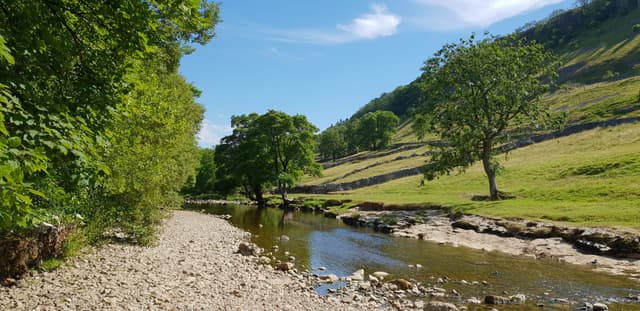
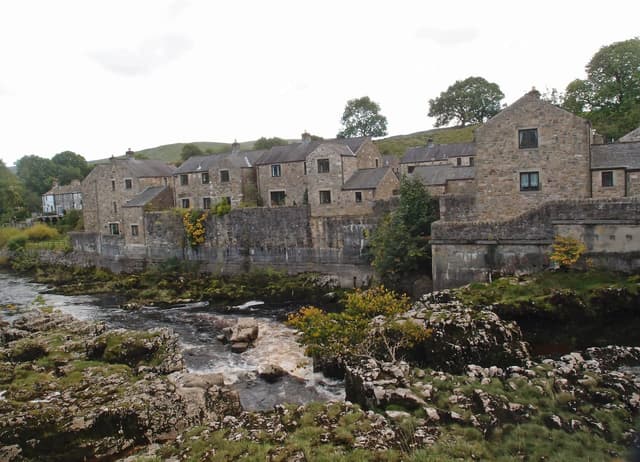
  2. A wide panoramic view of the River Wharfe flowing through Kettlewell in upper Wharfedale below fell-flanked valley sides.
    River Wharfe in Kettlewell
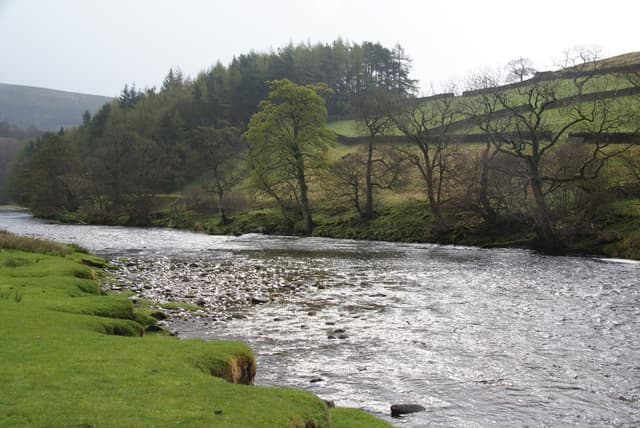
  3. The River Wharfe meandering through open meadow near Appletreewick with woodland on the far bank.
    The River Wharfe near Appletreewick
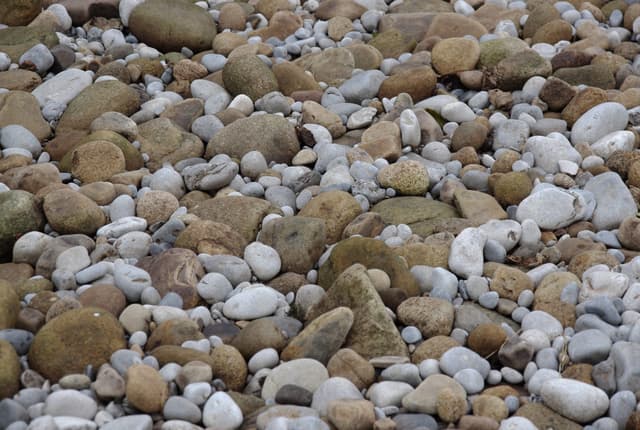
  4. Smooth pebbles carpeting the bed and bank of the River Wharfe at Bolton Abbey with shallow clear water behind.
    Bolton Abbey — River Wharfe
  5. Linton Falls on the River Wharfe near Grassington, white water tumbling over limestone ledges.
    Linton Falls, River Wharfe, near Grassington
  6. Terrain map of the venue
    Terrain map
About this water

The river responds within six hours to rain on the high ground. The Wharfe is quintessential North Country spider water: broken seams and pool tails where a Waterhen Bloa fished tight to the current seam produces immediate response. Don't dismiss dry fly when olives and sedges are moving; the smoother glides at Bolton Abbey and Ilkley produce exceptional rising fish. Wading and club beats available through fragmented access — persevere with the logistics because this river rewards it. Winter grayling fishing is exceptional.

Under the surface

The Wharfe arrives from the high limestone country of the Yorkshire Dales — the Three Peaks watershed — and runs roughly 104 kilometres southeast to join the Ouse near York. For almost all of that length below Kettlewell, the river declares itself as limestone: clear water over pale cobble and gravel, pool sequences that follow predictable geometries, and a gradient gentled by the time it reaches the agricultural valleys and stone villages of the lower Dales. The Dales character runs through everything. The river is the landscape: steep-sided valleys, limestone terraces, walls, field gates, stone bridges at Appletreewick, Bolton Abbey, Ilkley. Above Grassington the water hurries over riffle and run on smaller cobble; there the Wharfe feels like a hill stream. Below, it opens — long glides, slow sections where flat water lets you read every rise, pool tails where current seams gather fish into predictable positions. The Wharfe teaches water-reading simply by asking you to walk its banks. The spider hatches — Waterhen Bloa, Snipe & Purple, Partridge & Orange — belong here generationally; but when olives move or sedges are active, the river rewards dry fly with immediate response. The glides at Bolton Abbey and Ilkley produce memorable rising fish. Winter grayling fishing is exceptional throughout. The wading is secure on the pale limestone cobble; access is fragmented and requires persistence, but the river repays that effort completely.

Wading: Limestone slabs — secure footing, smooth surface

  • Limestone
  • Partly confined
Water quality (WFD)
  • Ecology: Moderate
  • Chemical: Unknown
Water quality details
  • Dissolved oxygen: High
  • Ammonia (Phys-Chem): High
  • pH: High
  • Phosphate: High
  • Temperature: High

EA (England) · UKGB104027064258

The full read · show the working · for Grayling · confidence 75%
How the 77 is built — score × weight = contribution
Temperature100 × 28%28.0
Flow80 × 22%17.6
Clarity85 × 18%15.3
Feeding Time40 × 13%5.2
Pressure80 × 7%5.6
Insect activity42 × 12%5.0
Conditions total= 77
Can you trust it?
Water temperatureair-to-water estimateestimated
Level / flowon-river gaugeobserved
Prey activitysurvey-backed invertebrate datasurvey
What would change the calculation
The dawn and dusk windows score higher than the midday lull.
Directions
Seasons & zones
  • Trout 22 March → 30 September
  • Grayling 16 June → 14 March

    Bolton Abbey and Ilkley AA both list grayling 16 June – 14 March. Fly only on most beats, barbless/de-barbed, all grayling returned. Best fishing is autumn — September through December. Check the specific beat or association for day-ticket availability.

    Prime sport 1 September → 31 December

Related guides
Casting instructors near here
Booking & contacts
At a glance

River Wharfe is a freestone river in Yorkshire Dales / West Yorkshire, England. The catchment geology is recorded as limestone, and the water sits at about 140 m above sea level. The river is described as roughly 104 km long. Species listed for this water: brown trout and grayling. The trout season is recorded as running from 22 March to 30 September. The grayling season is recorded as running from 16 June to 14 March. Best window recorded for anglers: May to September (trout), October to December (grayling). Core methods listed: upstream nymph; dry fly; small streamer. Level and flow data for this water is linked from 2 gauges. Its Water Framework Directive ecological status is recorded as moderate. Nearby waters in our listings include Washburn Valley Fisheries at 11 km, Raygill Fishing Lakes at 16 km and Kilnsey Park Estate at 17 km.