
Freestone · Mixed · Borders, GB-SCT

Tweed

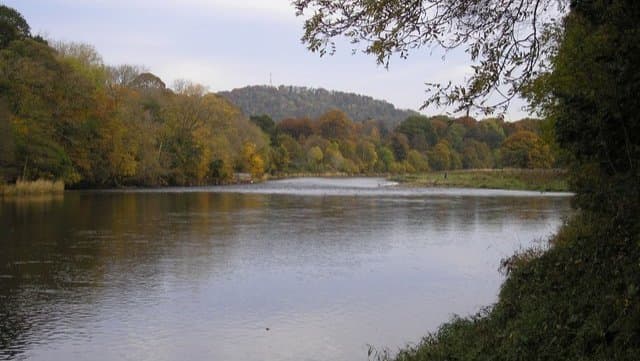
Tweed fishing venue photo

The Tweed is the river by which all British salmon fishing is measured, and a declining Category 3 salmon system that requires careful stewardship.

Good · Atlantic Salmon
Junction Shrimp · 8-12
Goodlive now
A good day — worth the effort
River steady at a fishable height. A reliable day. Match the fly size to the water height and cover the lies.
75% confidence
What moved it
  • Level1.06 mLast reading 13h ago
  • Water temp15.0°C
  • ClarityClear
Today's fly
Junction Shrimp
Junction Shrimp8-12
From the river-specific salmon pack.
Conditions on the water
Live gauge
Level
Steady
1.06 m
Last reading 13h ago
Water temp15.0°C
ClarityClear
Weather14°C
WindW 18 km/h
Pressure1019 hPa
Rain · recent0.0 mm
Rain · ahead4.1 mm

The nearest gauge doesn't record temperatures, so we've estimated it — defer to the river keeper's advice.

Water temperature for Atlantic Salmon
Warm — slow
15°C est.ideal 1014°C
0°14°28°
How to fish it · for Atlantic Salmon
When
Three runs: spring (Feb–May), summer grilse (Jun–Jul), and the famous autumn run (Sep–Nov), the river's defining feature. Stocks have declined — Category 3 status — mandatory C&R on most beats.
Where
Beats from Kelso to Berwick on the lower river fish the autumn run; Coldstream and Junction Pool are the celebrated water. Spring and summer fish higher beats — Mertoun, Bemersyde, Floors.
Method
Spring: tubes (1.5 to 2 inch, Willie Gunn) on sinking tip, fished slow and deep. Summer: small doubles on floater. Autumn: bigger flies again as water cools — fresh fish move on the floods. Mandatory C&R; barbless on most beats.
Kit
13 to 14 ft #9 double-hander for spring and autumn; 12 ft #8 in summer. Sinking tip plus floater. 12 to 15 lb fluoro.
Why this works
The signs are strong. Water starting to fall after a rise — early stages of coming into shape. Still coloured but fining — improving conditions. 15°C — in the ideal taking range for autumn salmon. Conditions are moving in the right direction and should be fishable soon if not already.
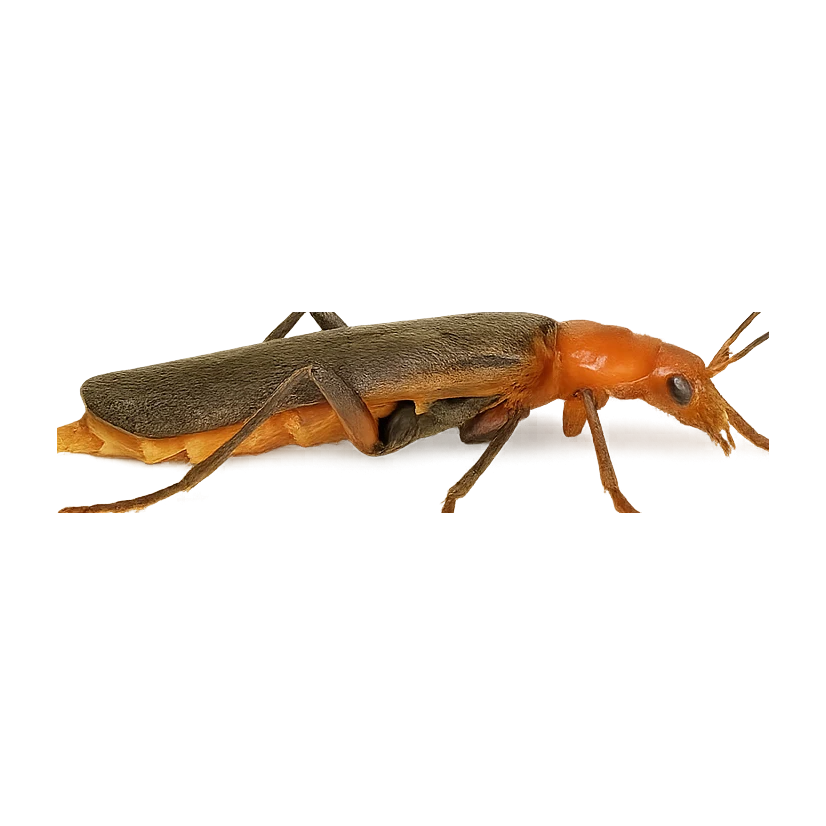
Hatch timeline · todayPeak at 6pm

Hatch predictions

Today's headline hatch shown — see all 12 active hatches hour by hour with Pro.

Start free trial

14-day free trial. Cancel anytime.

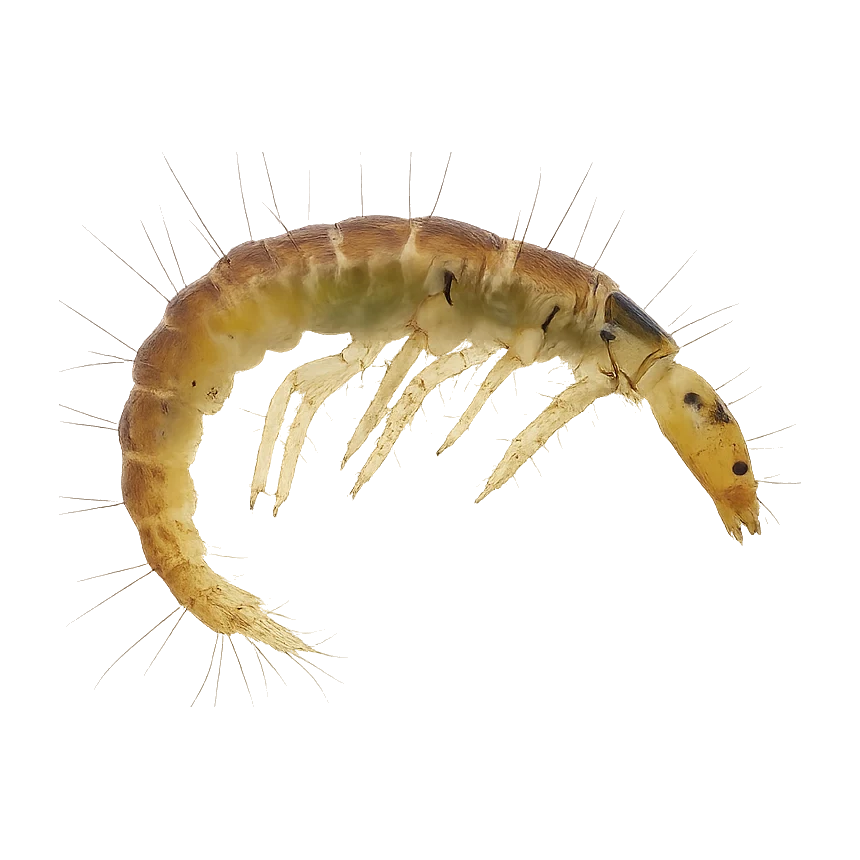
Sub-surface · on the nymphunder the surface

Hatch predictions

Top nymph shown — see all 3 guilds with Pro.

Start free trial

14-day free trial. Cancel anytime.

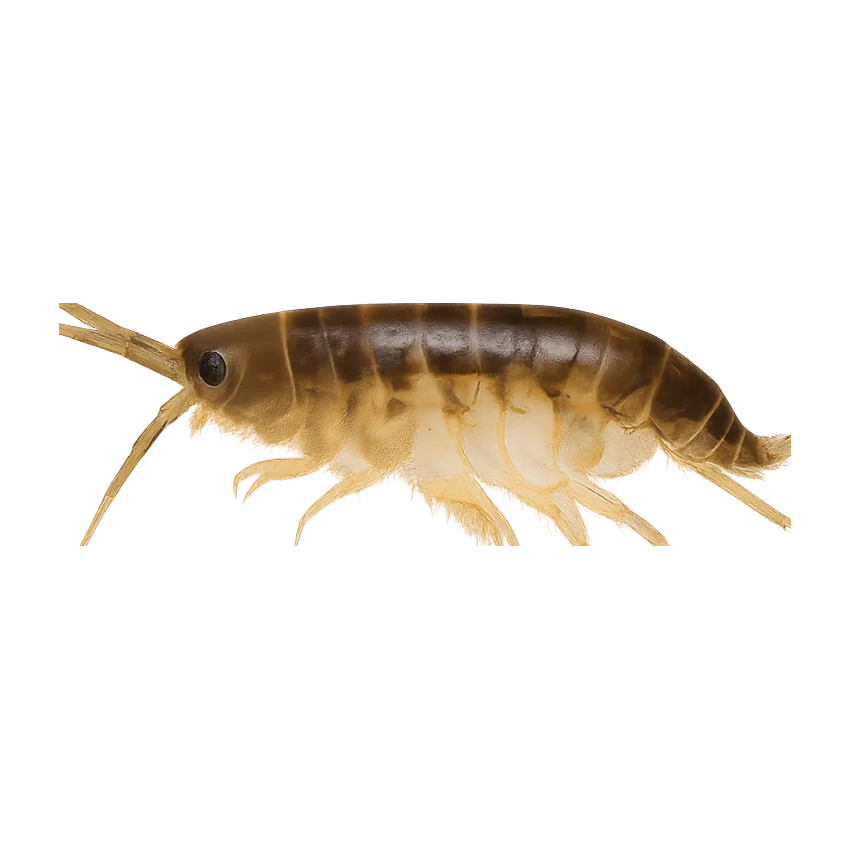
Beyond the hatch · worth watchingambient prey

Hatch predictions

See what else is on the menu with Pro.

Start free trial

14-day free trial. Cancel anytime.

Evidence
Survey-backed · regionalHigh confidence

Backed by regional invertebrate surveys; no sampling on this exact reach yet.

Through the year
0–3 scale · August highlighted
J
F
M
A
M
J
J
A
S
O
N
D
Salmon runRun
1
2
2
2
2
2
2
2
2
1
Daddy Long LegsHatch
2
3
2
GrannomHatch
2
2
Evening SedgeHatch
2
3
3
3
2
Large Dark OliveHatch
1
2
2
1

Numbers are intensity 0 (none) to 3 (peak) — a guide, not a guarantee.

Ranked for today
Atlantic Salmon fly box

A balanced Scottish river profile. Early season nymphs and spiders, then more dry-fly and emerger fishing as hatches strengthen on steadier glides and richer water.

Beats · 11 · 4 reaches

The Tweed is not one fishery — the River Tweed Commission splits the main river into Bottom, Lower, Middle and Upper sections, and FishPal alone lists permits for over sixty salmon and sea-trout fisheries plus club water for trout and grayling. Almost all of it is privately owned estate and proprietor water let by the day, week or season and brokered through FishPal, TweedBeats or estate agents; the genuine ordinary-angler routes are the trout/grayling associations (Peeblesshire Trout FA) and the tributary association water (BDAA on the Whiteadder). One oddity to know: the lower river is partly cross-border — the first 75 miles are wholly Scottish, the next stretch has the south bank in England, and the final few miles are entirely in England. There is no single Tweed permit: confirm season, method rules, conservation status and price with the individual beat or booking platform before travelling.

Lower Tweed — Kelso & Coldstream · 3 beatsDay rods
Junction Beat, Lower Birgham, Milne Graden, Tillmouth, Hendersyde & other Lower Tweed beats
The 3 beats
Junction BeatSeason rods
Junction / Merison Sporting (via River Tweed Commission)
One of the most celebrated beats on the river, at the meeting of the Teviot and the Tweed below Kelso — about 1.5 miles of prime double-bank water fished by 1–3 rods with 1–3 ghillies. A premium autumn beat; days are weekly-let or sold through the estate's own booking route rather than open day-ticket retail.
Statutory close on taking any salmon or sea trout 1 February – 31 March (criminal offence to kill before 1 April); whole-catchment mandatory C&R 1 February – 30 June, with the Tweed Angling Code urging release of non-fresh fish thereafter. No Sunday fishing. Treble hooks discouraged under the Code.
Lower BirghamAgent booking
Lower Birgham (via FishPal)
A prime lower-river beat in the Kelso–Coldstream corridor — about three-quarters of a mile of double-bank water for three rods with a ghillie. Bookable through FishPal, including day rods when availability allows; strongest in the autumn run.
Whole-catchment mandatory C&R 1 February – 30 June; statutory close on killing any salmon or sea trout before 1 April. No Sunday fishing. Follow the Tweed Angling Code for hooks and handling.
Visit official site ↗
Milne Graden, Tillmouth, Hendersyde & other Lower Tweed beatsAgent booking
Various estates and proprietors (via FishPal / TweedBeats)
The Lower Tweed inventory runs from Milne Graden down through Tillmouth, Hendersyde and Upper Hendersyde to the Junction corridor — a chain of estate and proprietor beats that come into their own when the autumn floods pull fresh fish upstream. Most are let weekly or through the booking platforms; rods, banks and services vary beat by beat.
Mandatory C&R 1 February – 30 June; statutory close before 1 April; no Sunday fishing. Confirm the individual beat's rods, bank status and method rules before booking.
Visit official site ↗
Middle Tweed — St Boswells & Melrose · 3 beatsDay rods
Rutherford, Lower Pavilion, Makerstoun, Mertoun, Dryburgh & other Middle Tweed beats
The 3 beats
RutherfordSeason rods
Rutherford (via FishPal / TweedBeats)
A classic middle-river beat near St Boswells — around 2.5 miles for 1–6 rods with one or two ghillies. Often let weekly or to tenant rods rather than sold as open day-ticket, though some availability appears through FishPal and TweedBeats.
Mandatory C&R 1 February – 30 June; statutory close on killing any fish before 1 April; no Sunday fishing. Tweed Angling Code applies.
Lower PavilionAgent booking
Lower Pavilion (via FishPal)
A middle-river beat with a full-time ghillie, normally six rods on rotating two-rod sub-beats and fewer rods through July and August. Bookable through FishPal subject to availability.
Mandatory C&R 1 February – 30 June; statutory close before 1 April; no Sunday fishing.
Visit official site ↗
Makerstoun, Mertoun, Dryburgh & other Middle Tweed beatsAgent booking
Various estates and proprietors (via FishPal / TweedBeats)
The classic middle-river run holds the famous estate beats — Makerstoun (upper and lower), Mertoun, Dryburgh (upper and lower), Bemersyde, Drygrange, Tweedswood, Pavilion and Boleside. This is celebrated spring and autumn fly water; most beats are weekly-let or proprietor-controlled, with availability through the booking platforms.
Mandatory C&R 1 February – 30 June; statutory close before 1 April; no Sunday fishing. Confirm each beat's rods, bank and method rules individually.
Visit official site ↗
Upper Tweed — Galashiels & Peebles · 2 beatsMixed
Peeblesshire Trout Fishing Association, Upper Tweed salmon beats (Galashiels–Peebles)
The 2 beats
Peeblesshire Trout Fishing AssociationMembers
Peeblesshire Trout Fishing Association
The ordinary angler's route into the Upper Tweed. The PTFA controls a long stretch of trout and grayling water around Peebles and Innerleithen, with affordable day and visitor permits — fly-only wild-fishing rather than premium salmon beats. The middle Tweed's brown trout are first-rate and badly overlooked by the salmon crowd.
Fly only; trout season 1 April – 30 September; catch-and-release for wild trout and grayling. Day permits available; check current PTFA rules and permit outlets.
Upper Tweed salmon beats (Galashiels–Peebles)Agent booking
Estates, proprietors and angling associations (via FishPal / TweedBeats)
The upper river — Sunderland Hall, Fairnilee, Yair, Nest, Ashiestiel, Elibank, Holylee, Traquair and similar — is more intimate and far more condition-sensitive than the lower beats. Salmon are possible here but lack the lower-river pulling power; the upper Tweed earns its keep on trout and grayling and on running fish after a fresh rise. Gala Angling Association also holds water in this stretch.
Mandatory C&R 1 February – 30 June; statutory close before 1 April; no Sunday fishing. Upper beats depend heavily on water height — low clear water fishes poorly for migratory fish.
Visit official site ↗
Tributaries — Teviot, Ettrick, Till & Whiteadder · 3 beatsMixed
BDAA Whiteadder, Teviot — Monteviot, Nisbet & Jedforest AA water, Ettrick & Till tributaries
The 3 beats
BDAA WhiteadderMembers
Berwick and District Angling Association
The Berwick and District Angling Association offers salmon, sea-trout and trout fishing on the Whiteadder — roughly six miles, up to four rods, an affordable permit and no boatmen. A genuine ordinary-angler route into the Tweed system. The Whiteadder is a spate tributary, so it fishes for migratory fish only on and after a fresh rise.
Mandatory C&R 1 February – 30 June; statutory close before 1 April; no Sunday salmon fishing. Spate tributary — low/clear water is often poor for migratory fish; a dirty fast-falling spate calls for caution. Confirm current BDAA permit rules.
Teviot — Monteviot, Nisbet & Jedforest AA waterAgent booking
Estates and associations (via FishPal; Jedforest AA)
The Teviot is the major southern tributary, important where it joins the Tweed at the Junction below Kelso. Estate beats such as Monteviot and Nisbet are listed via FishPal; Jedforest Angling Association offers an ordinary-angler permit route. The Teviot is a spate tributary that should not inherit the main-stem score — it needs a fresh rise to fish for migratory fish.
Mandatory C&R 1 February – 30 June; statutory close before 1 April; no Sunday fishing. Spate-responsive: low/clear is often poor, fresh rise improves, dirty fast-falling water calls for caution. Verify controllers and permit routes.
Visit official site ↗
Ettrick & Till tributariesAgent booking
Estates and proprietors (via FishPal / TweedBeats)
The Ettrick (with Middle Ettrick listed) is a migratory tributary running off wild moorland and is also a Tweed Foundation fish-counter water; the Till is the main English-side tributary, with beats such as Tiptoe listed. Both are spate-driven and depend heavily on water — useful context and occasional fishing, not main-stem-grade beats.
Mandatory C&R 1 February – 30 June; statutory close before 1 April; no Sunday fishing. Till runs in England — verify English-side rules and controllers separately. Spate tributaries: warm/low water suppresses migratory prospects.
Visit official site ↗
What's coming
Plan ahead
5-day outlook
Other water nearby · 5
Gallery · 7
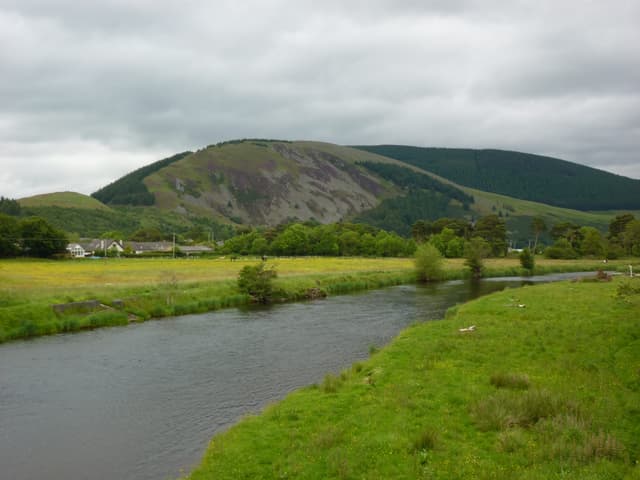
  1. The River Tweed at Abbotsford
    The River Tweed at Abbotsford
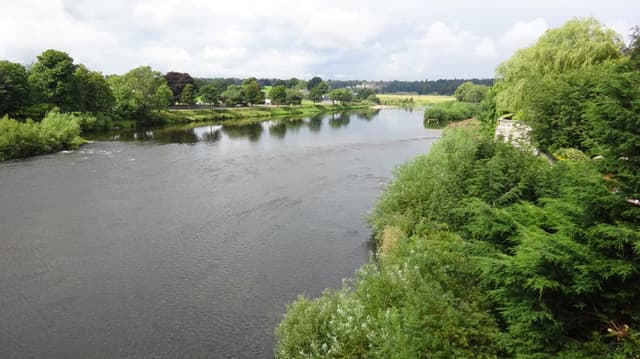
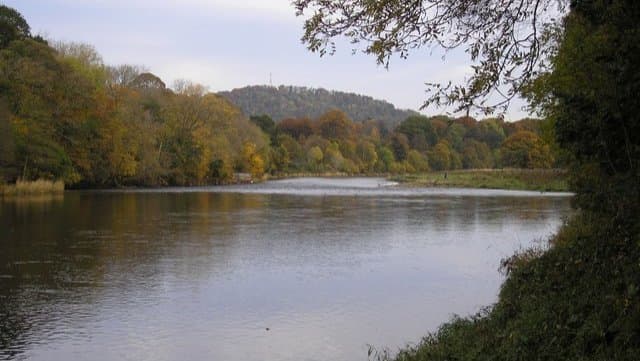
  2. A wide view looking upstream along the River Tweed at Kelso with wooded banks and calm green water.
    River Tweed, Kelso — view upstream
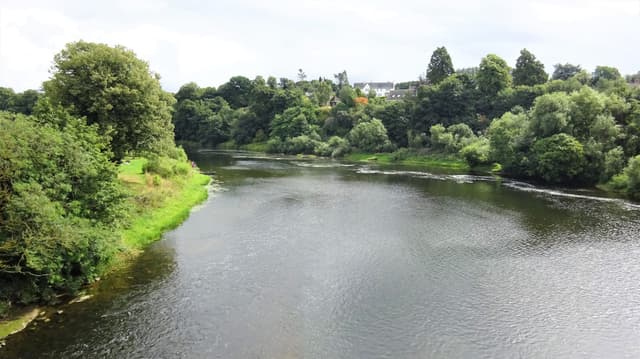
  3. Downstream view of the River Tweed from Kelso Bridge, a wide salmon river flowing through a broad wooded valley.
    The River Tweed from Kelso Bridge — view downstream
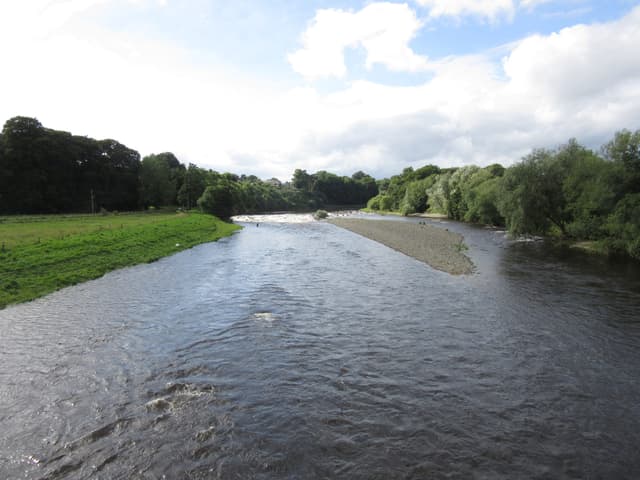
  4. The River Tweed flowing through the Melrose reach in the Scottish Borders with tree-lined banks.
    River Tweed at Melrose
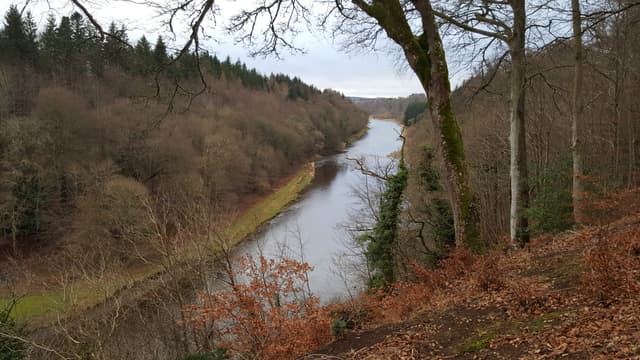
  5. An early-spring view of the River Tweed near Old Melrose, the broad river curving through bare wooded banks.
    River Tweed near Old Melrose
  6. The River Tweed flowing through a wooded reach at Innerleithen in the upper Scottish Borders, summer greenery on the banks.
    River Tweed at Innerleithen
  7. Terrain map of the venue
    Terrain map
About this water

The Tweed is the river by which all British salmon fishing is measured, and a declining Category 3 salmon system that requires careful stewardship. Scottish Government classification reflects declining stocks — all salmon must be released unharmed. Historically, the Tweed produced over 20,000 fish per year (1990s–2010s); current abundance is notably lower. A long river, a long season. Spring salmon from February through May; grilse and summer fish peak June–July; heavy autumn runs October–November, when fresh fish move on rising water. The Tweed's mixed geology and immense catchment mean it fishes well as it drops after rain — look to the main pool system, fish them systematically, and expect steady takes on a sunk-tip line in spring, smaller doubles in summer. Multiple beats from Kelso to Berwick offer variation in length and character; mandatory catch-and-release applies throughout the season.

Under the surface

The Tweed enters from a horseshoe of old hills — Tweedsmuir, Minchmoor, the Lammermuir range — surrounding a bold central basin filled with soft rock and centuries of glacial drift. The river remembers everything that catchment has done to it. East of St Boswells the landscape opens where an ice stream once carved down through the countryside, and that old channel still shapes the Tweed — long meanders on clean cobble and gravel, point bars that shift with the season, and the particular sense of a river that has found perfect room to turn. Tributaries arrive from every quarter: Teviot from the south, Ettrick and Yarrow running parallel from wild moorland, Leader from the gentle east, Till and Whiteadder completing the network. Watch the banks after a falling spate — soft silt drapes collect on the inside of the bends, and that's where the character changes. The wading is secure and the rhythm is kind; the river isn't in any hurry. That's the Tweed's gift: time to think, time to notice, time to fish properly.

Wading: Soft silt drapes on inside bend point bars after falling spates

  • Mixed
  • Unconfined
  • Pool riffle
  • Run
Water quality (WFD)
  • EcologyGood
  • ChemicalUnknown
What this classification means

SEPA WFD 2022 — River Tweed (St Boswells Burn confluence to Coldstream): Good status; covers the St Boswells–Kelso–Coldstream beats including the Junction. Corrected 2026-06-18 from UKSC005219 (Teviot Water, a tributary). Source: SEPA WFD 2022 classification (spatialdata.gov.scot).

SEPA (Scotland) · UKSC005201

The full read · show the working · for Atlantic Salmon · confidence 75%
How the river scores — hydrology factors
Water heightMedium Ideal+3.8
Recent riseNone0.0
Falling after liftFalling Slightly After Lift+3.4
Water temperatureCool To Moderate+4.8
Time in seasonSummer Peak Window+1.1
ClarityClearing+2.4
Hydrology base15.5
Rules that fired
Clearing After Spate Bonus+1
Will they take?Willingcaps the band

Fish should be willing to take — clearing, stained water.

Can you trust it?
Water temperatureair-to-water estimateestimated
Level / flowon-river gaugeobserved
What would change the calculation
No prolonged stable spell before the current rise.
Directions
Seasons & zones
  • Salmon 1 February30 November

Sea trout: Variable seasonal (2026)

Related guides
Casting instructors near here
Booking & contacts