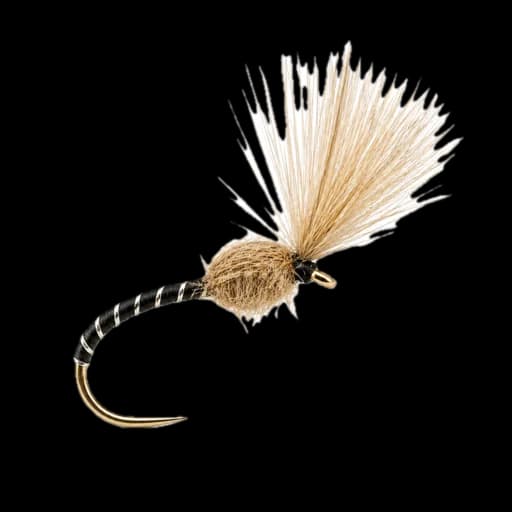
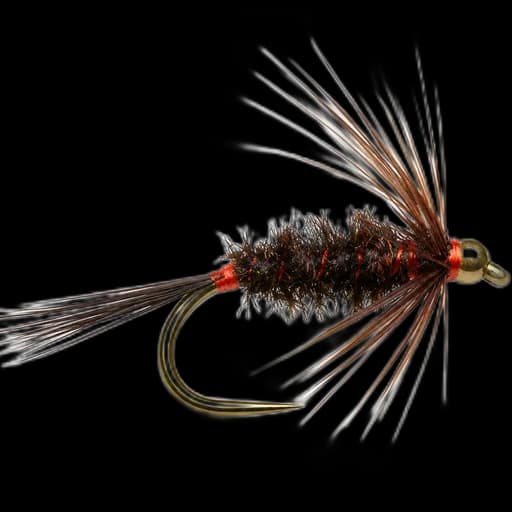
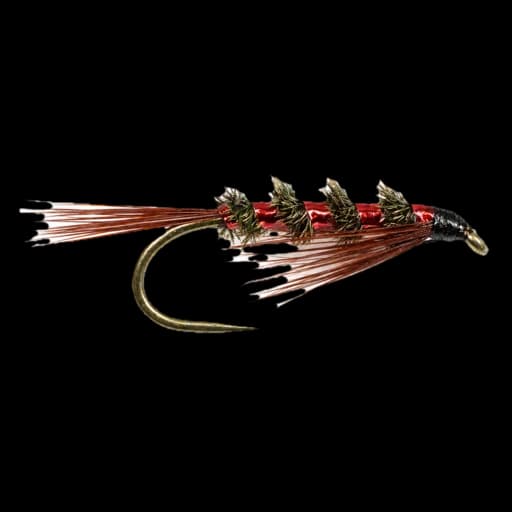
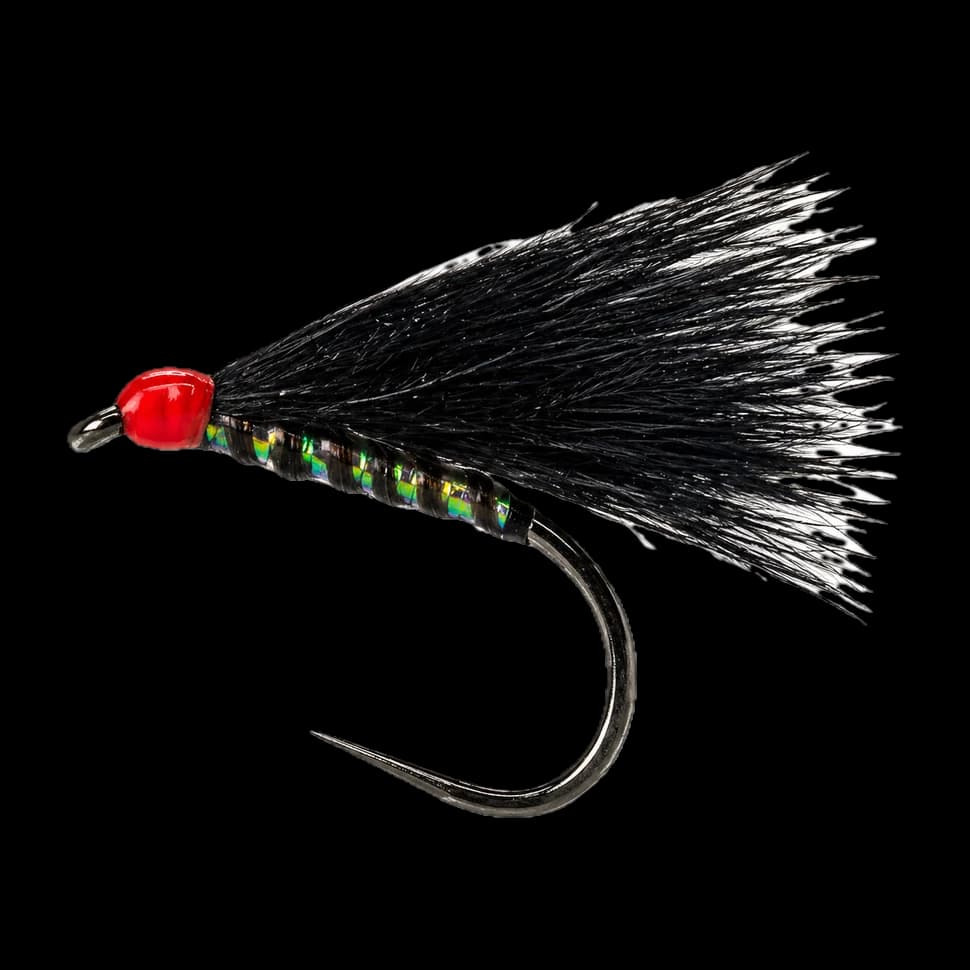
Reservoir Buzzer
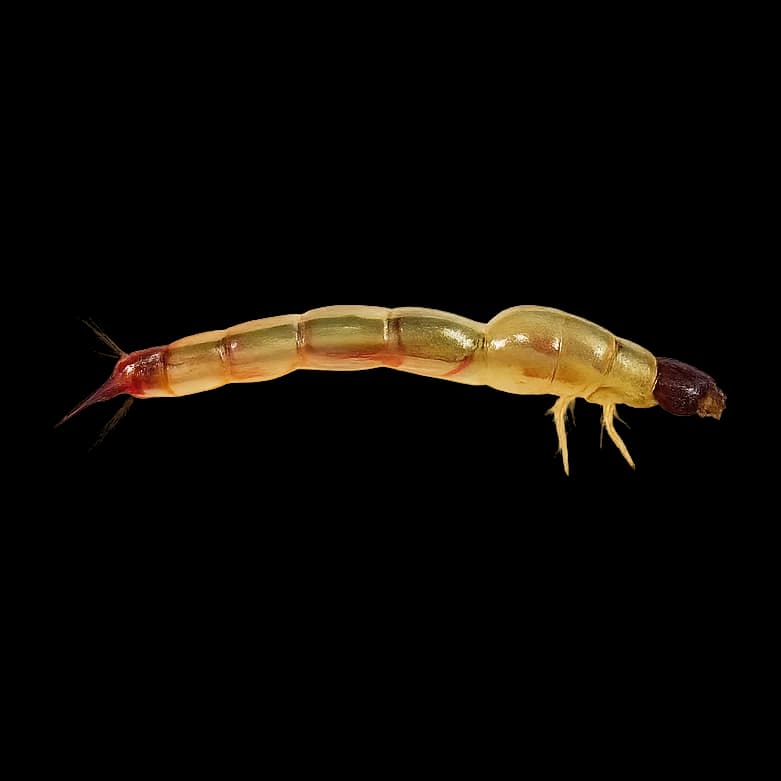
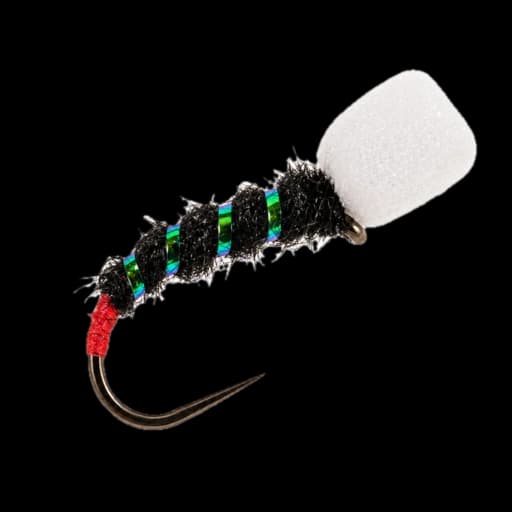
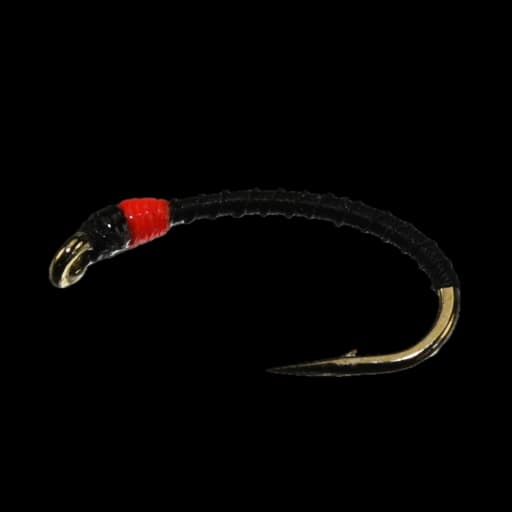
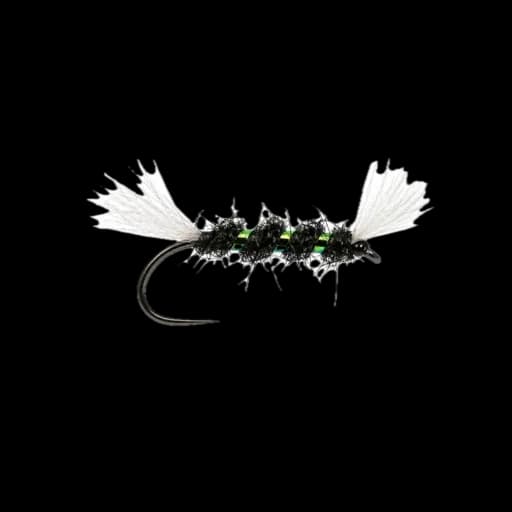
The larva is down there all year — the dates above are the pupa, which only exists for the few hours it takes to reach the surface and split. Both are worth fishing, but they are not the same fly or the same day.
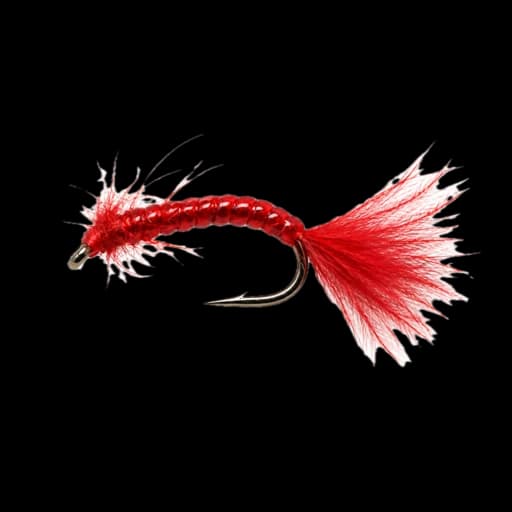
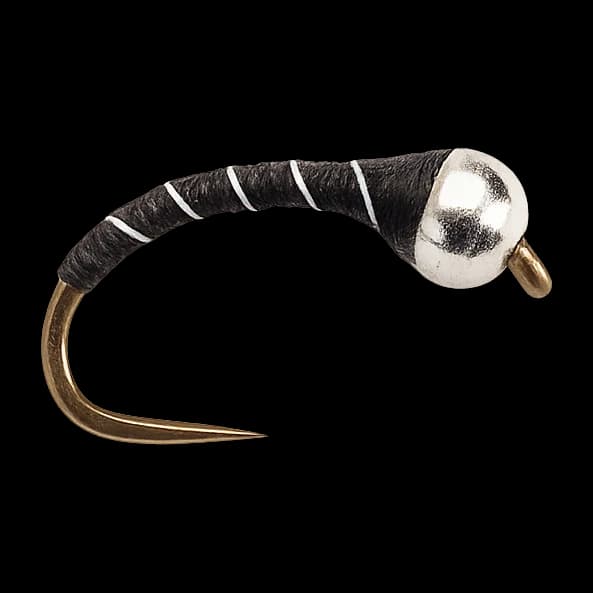
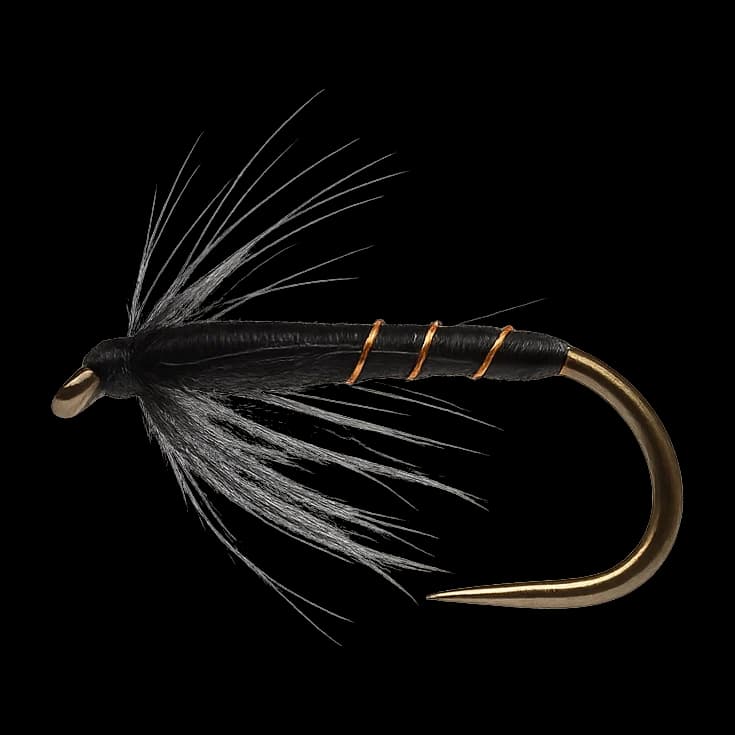
For most of its life this is a bloodworm — a red, haemoglobin-loaded larva lying in the soft silt of the reservoir bed, concerning nobody. It matters on the day it leaves. The pupa's climb to the surface is slow, unsteady and entirely defenceless, and it ends with the insect hanging in the film waiting to split its skin. Trout intercept them the whole way up, and most of all at the top. The season below says March to September, which is when it's worth building a day around the hatch. It undersells the insect. Chironomids come off in every month of the year, and on a mild January afternoon they'll be hatching from water cold enough to ache — just smaller, and thinner on the ground. Look for soft bottoms. The larva needs silt, so a stony shoreline produces far less than a muddy bay or the slack water off a drop-off. Then let the weather sort them for you: a foam lane on a flat calm or a light ripple is a conveyor belt of drifting pupae, and the fish work it methodically. A slow head-and-tail rise — porpoising rather than splashing — means they are taking in the film.
There's a window, right before the hatch, when the pupa is climbing through the water column and can't do much about being conspicuous — and trout know exactly when it opens. This is chase-and-intercept rather than patient waiting: fish move to meet it halfway up, sometimes visibly, a bulge or a swirl just under the surface where a moment ago there was nothing.
- British IslesCommon
- ScandinaviaOccasional
- Continental EuropeOccasional
- Atlantic fringeOccasional
- North America — WestOccasional
- North America — EastOccasional
- New ZealandOccasional
- IberiaOccasional
- The AlpsOccasional
- East AsiaOccasional
- PatagoniaOccasional
Chironomus is a genus of nonbiting midges (subfamily Chironominae, the bloodworm family Chironomidae) containing at least 640 species, 5-13mm, found worldwide. Larvae are the classic bloodworm of lake and reservoir sediments, using haemoglobin-like proteins to survive the low-oxygen profundal zone. Genuinely cosmopolitan — present on every continent except Antarctica — though the exact dominant species differs by region: Chironomus plumosus, the specimens photographed here, is the specific "buzzer midge" of English and other Northern Hemisphere reservoirs; New Zealand's equivalent big-lake species is Chironomus zealandicus.