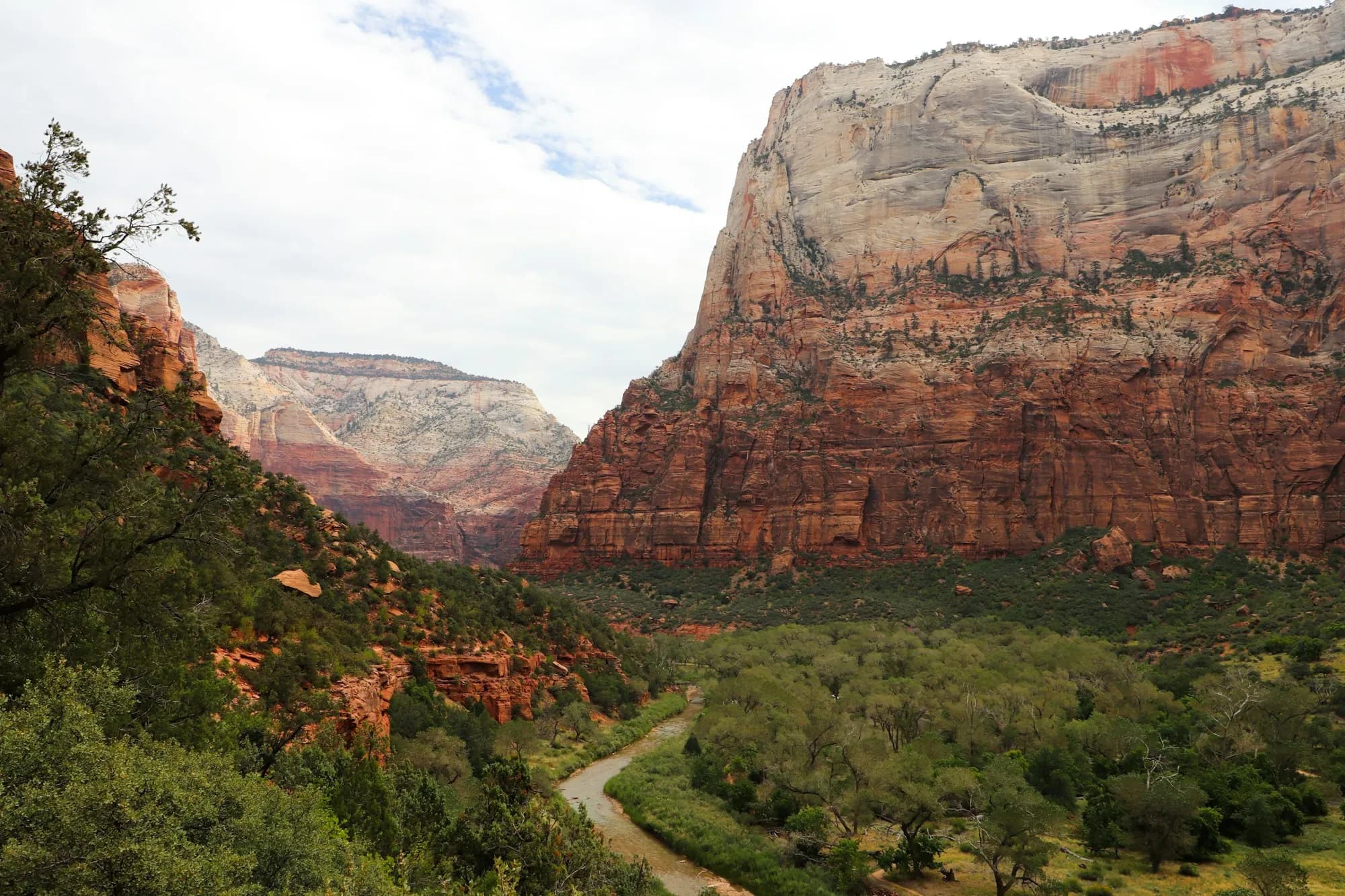
Utah is a state of two or three different fisheries stacked on top of each other. Around Salt Lake City there are tailwaters you can reach after lunch, and limestone canyon streams a little further north. Out east and over the plateau the water gets higher, quieter and less fished: Strawberry, the Uinta slope, the Wasatch Plateau. Then the south opens into high lakes and red-rock country where a trout stream is a surprise. It is a state to fish by the calendar and the map together, and to do your access homework before you leave the car.
Tailwaters near the city. Canyon streams to the north. High country to the east and south.
Utah: Three Fisheries in One State
Most people arrive thinking of one river. In Utah that river is usually the Provo, and it deserves its reputation. But the state keeps a lot back. Within an hour or two of Salt Lake City there are tailwaters and canyon streams, over the Wasatch there is a big reservoir, and further on the water gets higher and quieter until you are fishing a creek under red rock with no one else in sight.
This guide is about access and timing. It covers where each kind of water is, what it asks of you, and who to check with before you go. The method sits in the other playbooks. The one piece of advice that runs through Utah is to confirm exactly where you can stand, because access to the bank and bed differs reach by reach on several of these rivers.
The Tailwaters: Provo, Green and Strawberry
Stable releases, a bug calendar you can plan around, and crowds in proportion.
The Middle Provo, between Jordanelle and Deer Creek near Heber and Midway, is Salt Lake City and Park City's home water. A restoration project put the meanders and riffles back, and the brown and rainbow trout responded. It is public-access water with stable releases, Baetis and midges in the cool months, and PMDs and caddis through summer. It is technical enough to keep you honest and crowded on weekends. The Lower Provo runs down the canyon below Deer Creek toward Provo, colder and faster, with big browns and rainbows and a famous cluster of hatches: the blue-winged olives and the summer caddis. Some of this canyon is straightforward public water and some threads past private ground, so fish only stretches you have confirmed are public.
The Green River below Flaming Gorge Dam, near Dutch John, is one of the great trout tailwaters anywhere: cold, clear water through a red-rock canyon, clear enough that the fish see you first. It fishes as three rivers. Section A, from the dam to Little Hole, is the postcard, with high fish density and high pressure. Section B, down to Indian Crossing, trades some of that for a quieter, more boat-friendly float. Section C runs lower and wilder toward the Colorado line, where a streamer and some solitude do well. Browns and rainbows the length of it, plus whitefish for the winter nymph angler.
The Strawberry River below Soldier Creek Dam is the quiet one. Special regulations apply on the upper reach below the dam, which grows fat wild browns and cutthroat; check the current Utah DWR rules before you fish it. It is a small, intimate river that fishes like a spring creek as much as a tailwater, with drag-free drifts and fine tippet. Flows are best checked locally before you go.
Wasatch and Cache Valley: Weber, Logan, Blacksmith Fork, Diamond Fork
The antidote to the tailwater crowds, if you mind the property lines.
The Weber runs from the Uinta foothills down through Oakley and Morgan, a freestone-and-reservoir hybrid with strong wild browns and some rainbows. Pocket water and undercut banks, hoppers in late summer, a good streamer bite for the browns. It is also a river where access needs care. Stretches cross private ranchland, so treat unknown reaches with caution and fish only verified public access and bridge crossings.
The Logan, in Logan Canyon, is a tumbling limestone-canyon freestone holding browns, rainbows and, in the cold headwater reaches, native Bonneville cutthroat that deserve a careful hand and a quick release. Brown trout spawn in autumn and some rainbows and cutthroat in spring, so keep clear of redds and spawning fish and check Utah DWR for current rules. Dry-dropper through the pockets, attractors the fish actually come up for, careful wading on a bouldery bed. Blacksmith Fork, in Hyrum Canyon, is its Cache Valley companion: a smaller limestone river with browns, cutthroat and rainbows, close enough to town to be useful and quieter than the Provo. Diamond Fork, in Spanish Fork Canyon near Fifth Water, is a canyon-freestone brown-trout option for the Wasatch Front that is not the Provo. Expect crowded parking and mixed recreation there, hot-springs hikers included.
Strawberry Reservoir: The Stillwater Pillar
When the tailwaters are mobbed and the lower rivers run warm, go up.
Strawberry is a big, high reservoir in the valley east of the Wasatch. It grows cutthroat and rainbows to real size on chironomids, leeches and damsels, with the Bonneville cutthroat the headline fish and a slot limit protecting them. It is a tube and boat game: chironomids under an indicator over the weed lines, balanced leeches on the drop-offs, damsels in early summer. Ice-off in spring and the cool of autumn are the windows. Utah reservoirs have boat and tube inspection and decontamination requirements for aquatic invasive species, so check Utah DWR before you launch. Midsummer pushes the fish deep and the wind can blow you off the water. At this elevation it ices over, so the open-water season is the event. Check the slot limit and current rules with Utah DWR.
The Uintas and the Wasatch Plateau
Elbow room on the quiet side of the range.
The south slope of the High Uintas drains cold, high country into the Uinta Basin. Lake Fork, Rock Creek, Yellowstone, Whiterocks and the Uinta River offer wild trout, native cutthroat context and pocket water at a fraction of the pressure of the Provo corridor. Treat it as a cluster of options rather than one river: access varies, and some reaches deserve careful native-fish handling. The Duchesne is the basin's home freestone, coming down through Tabiona with wild and stocked browns and rainbows and, in the cold upper reaches and tributaries, Colorado River cutthroat that carry the basin's native bloodline.
Huntington Creek, up Huntington Canyon on the Hwy 31 corridor southwest of Price, is a well-regarded fishery in two forks for wild browns and cutthroat. Special regulations (artificial-only or flies-only) apply on several of these reaches, so check the current Utah DWR proclamation. It is small-stream fishing with attractor dries and a dropper, and it fishes well from the early-summer clearing through autumn. The Price River, through Price Canyon, is the practical stop: trout in the right cold reaches, but with a real summer low and warm-water risk. Treat it as worth checking if you are nearby, not as a destination.
Southern Utah: High Lakes and Red-Rock Streams
Boulder Mountain, Fish Lake, Panguitch, and trout under slickrock.
Boulder Mountain, the Aquarius Plateau off Highway 12 between Torrey and Boulder, is one of the great high-lake fisheries of the West, with somewhere north of eighty fishable lakes above ten thousand feet. It asks for a backpack, a float tube, leeches and chironomids and a willingness to walk. Wild brook trout run to impressive size, alongside cutthroat, rainbows and, in some waters, tiger trout and splake. The season is short and weather-ruled: the lakes ice over hard and ice off late. An afternoon thunderstorm at that altitude is not a thing to argue with.
Fish Lake, on the Sevier Plateau in Fishlake National Forest, is a big natural mountain lake with room for boats and lake trout, and useful to fly anglers around shorelines and weed edges. Panguitch Lake, near Brian Head and Cedar Breaks, is a boat, tube and shoreline stillwater where wind, altitude and ice-off matter more than hatches. Both are high stillwaters, not dry-fly water.
On the rivers, the Fremont threads out of the high plateau country through Bicknell toward Capitol Reef. The fishable water is the upper reach below Mill Meadow, cool and clear enough for browns and rainbows. The East Fork Sevier in Kingston Canyon is a working high-desert canyon river with cutthroat, browns and rainbows and irrigation influence, with enough public access to be practical but not the whole drainage. The Beaver River comes down Beaver Canyon out of the Tushar Mountains, east of the town of Beaver on Highway 153, small snowmelt water for wild browns and rainbows.
The Utah Year
Tailwaters through the winter, runoff in spring, hoppers and high lakes in summer, and the cool of autumn.
Seasons shift with elevation, so treat these as a rough guide: runoff and ice-off come much later on the high water than in the valleys.
Winter: the tailwaters carry the season. The Green River below Flaming Gorge fishes with whitefish for those who nymph deep, and the Middle Provo has Baetis and midges in the cool months. The Strawberry River is cold-stable but winter is real at its elevation. Strawberry Reservoir and the high lakes of Boulder Mountain ice over.
Spring: runoff colors the freestones, notably the Weber, Logan and Huntington Creek, and they fish once they drop and clear. Ice-off is a window at Strawberry Reservoir. The tailwaters, with their stable releases, carry on.
Summer: fish early and rest fish in the heat on the Weber, Logan and Lower Provo, which can run warm in a dry summer. PMDs and caddis on the Middle Provo and the summer caddis on the Lower Provo, terrestrials and dry-dropper on Blacksmith Fork, and hoppers on the Weber in late summer. The high lakes of Boulder Mountain open after thaw, and the Uinta and Wasatch Plateau creeks are at their best. Midsummer pushes Strawberry's fish deep, and the Price River can run low and warm.
Autumn: the cool of autumn is the second window at Strawberry Reservoir, and Huntington Creek and the plateau streams fish through autumn with little pressure. The open-water season on the high lakes runs into autumn. Check Utah DWR for each water's rules and seasons.
Gear and Licenses
A nine-foot five-weight, fine tippet, and the rules for the specific stretch.
A nine-foot five-weight handles most of this water, with a lighter rod for Logan, Blacksmith Fork and the small plateau creeks. Take long leaders and small flies for the clear Green River, chironomid and leech patterns, a float tube and an indicator for Strawberry and the high lakes, and attractor dries with a dropper for the canyon streams. Pack for weather you did not order if you are going high.
The Utah Division of Wildlife Resources issues Utah fishing licenses and publishes the regulations, including special-regulation reaches, slot limits and native-trout rules. Always check the current rules, the flow, and where you can legally park, launch and wade. Check, clean and dry your gear between waters and follow local rules on aquatic invasive species.