
 Mayflies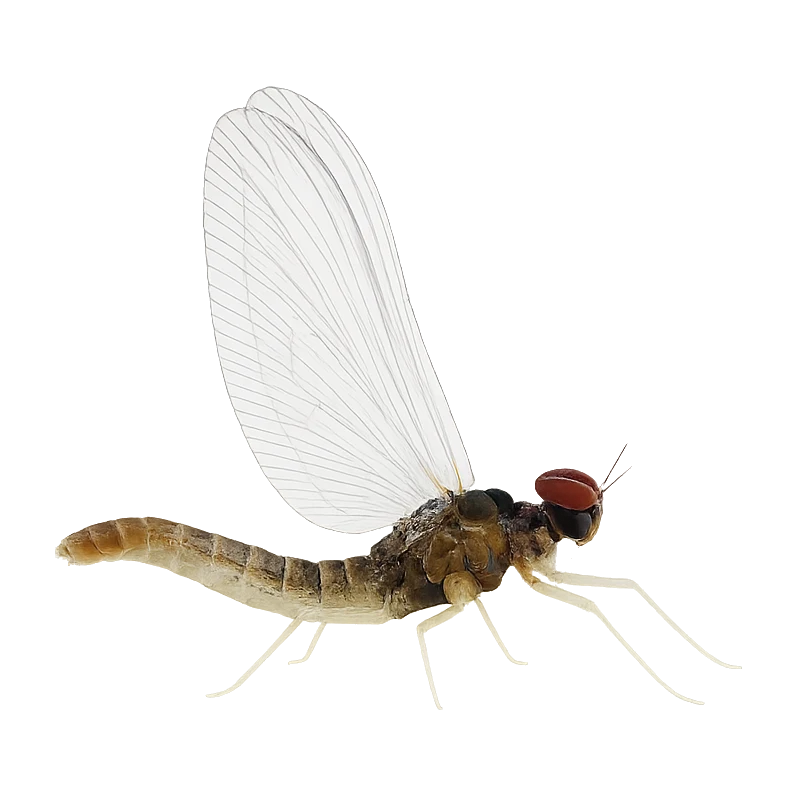
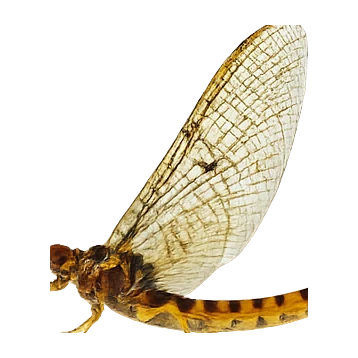
 Chironomids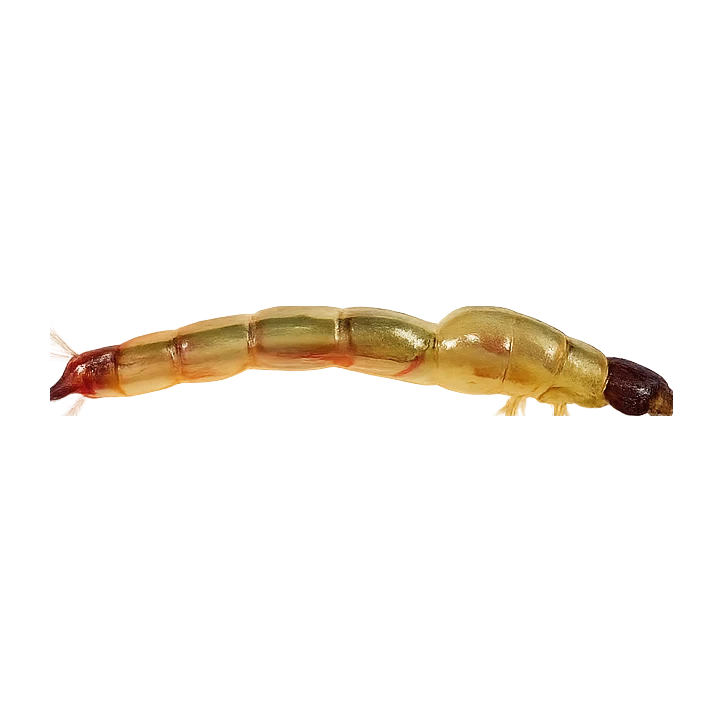
 Gammarids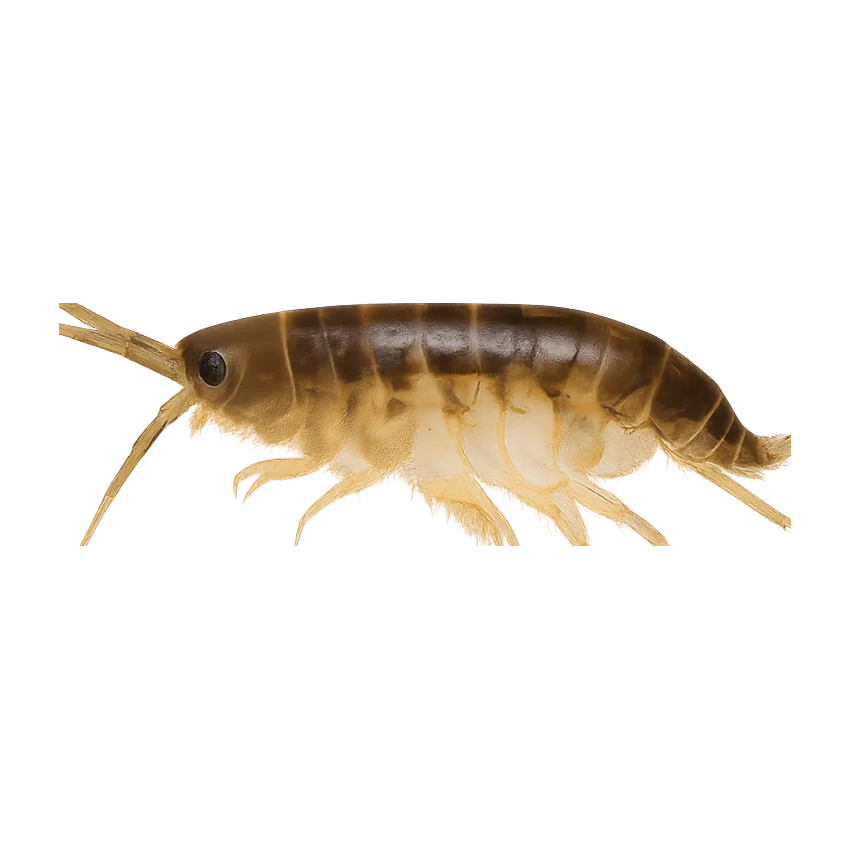
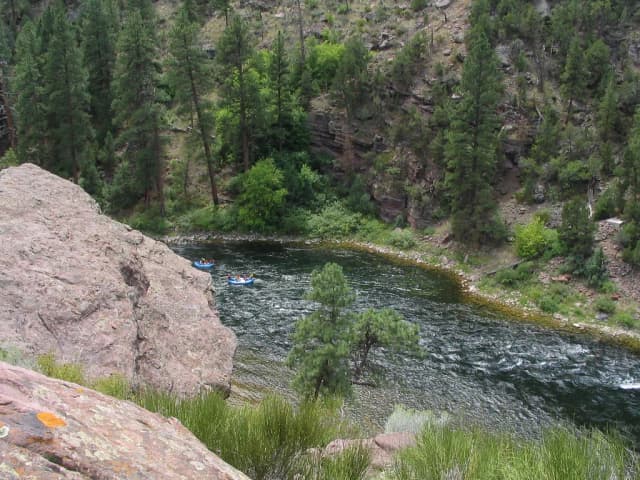
One of the great trout tailwaters anywhere, and famous enough that it doesn't need the hard sell. Cold, clear water spilling out of Flaming Gorge into a red-rock canyon, water so clear you can count the fish before you spook them — which, on a busy day below the dam, you will. It fishes as three different rivers. Section A from the dam to Little Hole is the postcard: high fish density, high pressure, wade-and-drift water where the trout have seen every fly in the bin. Section B down to Indian Crossing trades some of that density for a quieter, more boat-friendly float. Section C runs lower and wilder toward the Colorado line, where a streamer and some solitude do well. Browns and rainbows the length of it, plus whitefish if you nymph deep in winter. Sight-fishing here is a craft, not a gimmick — long leaders, small flies, and the patience to fish to a fish you can actually see.
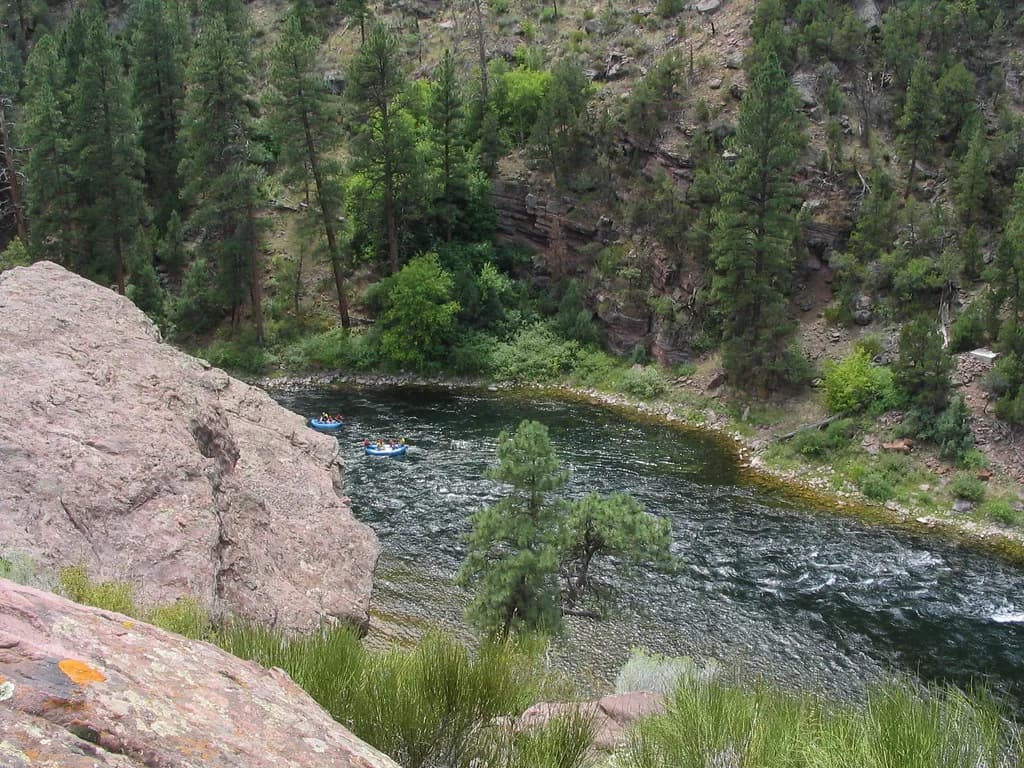
The Green below Flaming Gorge Dam is the river on all the postcards — emerald water running clear over pale cobble at the foot of soaring red Uinta quartzite walls, in a canyon so striking you keep forgetting to fish. Cold, even water comes off the dam and runs through Red Canyon past Little Hole, the famous seven-mile A-section, where the trout are so numerous and so visible in the clear current that the fishing feels almost unfair until you actually try to fool one. The bed is rounded cobble and ledge; the geology is ancient Uinta Mountain Group quartzite and shale, red as rust above the green water. The flow is tailwater-steady. Wading the edges is good and a raft or drift boat opens the rest. It is, by common consent, one of the most beautiful trout rivers in America.
Wading: Strong clear current over visible, wary fish
- Mixed
- Partly confined
- Pool riffle