It would be dishonest to write this guide as though the Wharfe and Nidd belong exclusively to York — both are just as reachable from here as from Leeds, and covered in full in our Leeds guide.
What's genuinely York's own is the North York Moors side of the county: the River Rye, smaller and quieter, holding brown trout, grayling and a mixed coarse fishery through Ness Fly Fishers and Ryedale Anglers.
The Rye for York's own quieter, moorland-edge water. The Wharfe and Nidd, in the Leeds guide, when the Dales side of the county is what's wanted.
Fly Fishing from York: The Moors Side of Yorkshire
It would be dishonest to write this guide as though the Wharfe and Nidd belong exclusively to York — both rivers, and the Washburn Valley reservoirs alongside them, are just as reachable from here as from Leeds, and our Leeds guide already covers that water in real depth. Rather than repeat it, this piece leans into what genuinely sits closer to York and further from Leeds: the North York Moors side of Yorkshire, and the River Rye running through it.
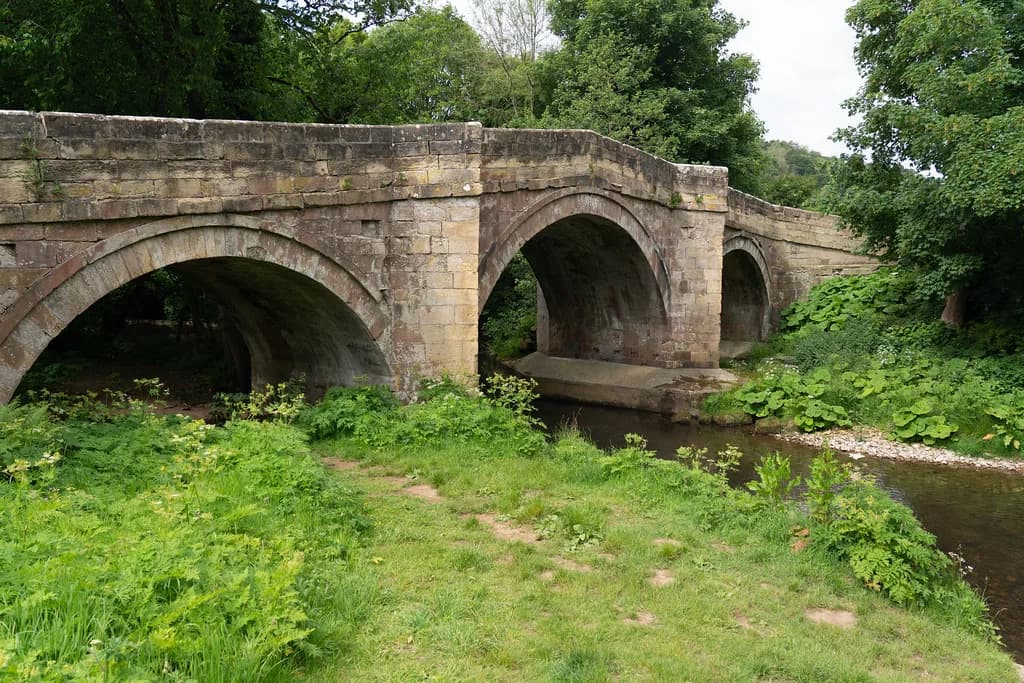
The Rye is smaller and quieter than the Wharfe, holding brown trout, grayling and a mixed coarse fishery alongside them, in the kind of moorland-edge country the Wharfe valley does not really offer.
The Legal Bit, Briefly
An Environment Agency rod licence is required throughout. The Rye is controlled by two clubs — Ness Fly Fishers and Ryedale Anglers — both running on membership and beat-booking systems rather than open day tickets.
As anywhere in England, a valid Environment Agency rod licence is required. Access to the Rye itself runs mainly through two clubs: Ness Fly Fishers, which holds exclusive access to around six miles of the river plus two lakes, and Ryedale Anglers, whose fishing works on annual subscription membership with daily beat booking rather than a walk-up day ticket. Check current visitor arrangements directly with either club before planning a trip — day-ticket availability on this kind of club water shifts from season to season.
For the Wharfe, Nidd and Washburn Valley reservoirs — all genuinely in reach of York too — see the fuller access guide already published for Leeds.
The River Rye and North York Moors Becks
Brown trout, grayling and mixed coarse fishing on a smaller, quieter river than the Wharfe, running through the North York Moors National Park.
The Rye holds brown trout and grayling alongside dace, chub and pike — a genuinely mixed fishery rather than a pure salmonid river, which changes the character of a day here compared with the Wharfe or Nidd. Ness Fly Fishers' six miles of water plus two lakes is the more substantial single holding; Ryedale Anglers extends further coverage across the district for members willing to book beats in advance.
The wider North York Moors National Park holds a scattering of similar becks and smaller becks feeding the Rye system, worth exploring for anglers already committed to this side of the county rather than the Dales.
The York Year
Spring and summer for Rye brown trout on nymph and dry fly. Autumn and winter for grayling, as on most Yorkshire rivers.
Spring and summer bring brown trout onto the feed on the Rye, with nymph generally more productive early and dry fly coming into its own as hatches build through late spring.
Autumn and winter shift the emphasis to grayling, following the same broad Yorkshire pattern as the Wharfe and Nidd — a quieter, less crowded season on club water that does not see the visitor pressure the Dales rivers do.
What to Carry
An 8'6" to 9'6" 4–5 weight covers the Rye's trout and grayling fishing across the standard range of methods.
An 8'6" to 9'6" rod of 4 to 5 weight with a floating line handles the Rye's range of water. Standard nymph, spider and dry-fly patterns in sizes 14 to 18, with grayling bugs worth adding for an autumn or winter visit.
Confirm current membership or visitor-day arrangements with Ness Fly Fishers or Ryedale Anglers before travelling, and carry your Environment Agency rod licence throughout.
The Final Verdict
The Rye for York's own quieter, moorland-edge alternative to the Dales rivers. The Wharfe and Nidd, covered in full in the Leeds guide, when the Dales side of the county is what's wanted instead.
York's honest fly-fishing case is that it shares the Dales rivers with Leeds and adds something of its own: the Rye and the North York Moors side of the county, quieter and less pressured, holding a genuinely mixed fishery rather than a pure salmonid river. Fish the Rye for that distinct character, and lean on the Leeds guide when the Wharfe or Nidd is the actual destination.