Hatch activity
Hourly hatch activity
Hourly predicted activity06:00–21:00
Overview: A plan for this water
Numbers are intensity 0 (none) to 3 (peak) — a guide, not a guarantee.
Timing, named candidate confidence and emergence details behind the fishing plan.
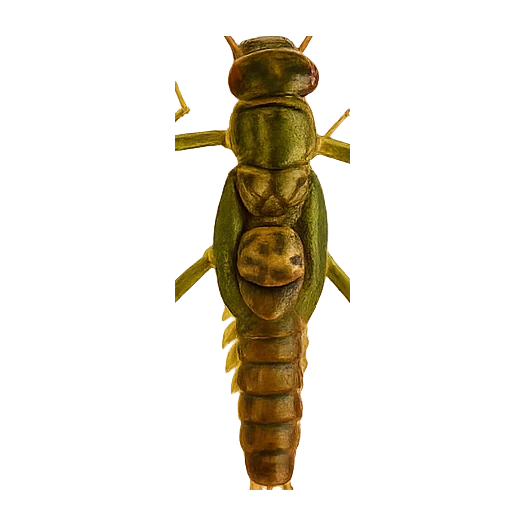
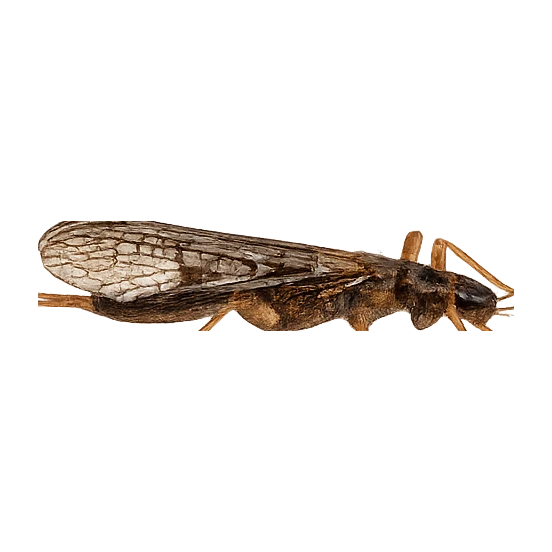
Possible prey on this water, not confirmed sightings. Open a specimen to explore its life stages and mapped fly imitations.
12pm(now) — Black Midge
Peak activity at 10am — Black Midge (Black Midge, Peak emergence window)
Hatch predictions
Top nymph shown — see all 3 guilds as a supporter.
Start free trial14-day free trial. Cancel anytime.
Based on species-occurrence records, not local invertebrate surveys.
Entomological data courtesy of GBIF.
How we got it: public species records from GBIF.
Numbers are intensity 0 (none) to 3 (peak) — a guide, not a guarantee.
Ranked patterns for the selected species and conditions, with photos, sizes and presentation notes.
Patterns are shown for seasonal reference, not as recommendations to fish today. Check the current rules for your stretch and species.
Dates are the headline season from the 2026/27 Fish & Game brochure. Reach-by-reach seasons are in the rules card. Legal status: guidance_not_permission.
The upper river and its tributaries are open 1 November to 31 May, and the lower river below the Motatapu confluence is open all year.
A large valley river that drains the mountains west of Lake Wānaka. Its upper reaches are wilder, and the lower river runs closer to the lake.
Wading: Glacial fed flows, multiple crossings, rising water after rain
The Matukituki flows into the head of Lake Wānaka from a mountain valley.
Overview: A plan for this water
Numbers are intensity 0 (none) to 3 (peak) — a guide, not a guarantee.
Timing, named candidate confidence and emergence details behind the fishing plan.
Possible prey on this water, not confirmed sightings. Open a specimen to explore its life stages and mapped fly imitations.
12pm(now) — Black Midge
Peak activity at 10am — Black Midge (Black Midge, Peak emergence window)
Hatch predictions
Top nymph shown — see all 3 guilds as a supporter.
Start free trial14-day free trial. Cancel anytime.
Based on species-occurrence records, not local invertebrate surveys.
Entomological data courtesy of GBIF.
How we got it: public species records from GBIF.
Numbers are intensity 0 (none) to 3 (peak) — a guide, not a guarantee.
Ranked patterns for the selected species and conditions, with photos, sizes and presentation notes.
Patterns are shown for seasonal reference, not as recommendations to fish today. Check the current rules for your stretch and species.
Dates are the headline season from the 2026/27 Fish & Game brochure. Reach-by-reach seasons are in the rules card. Legal status: guidance_not_permission.
The upper river and its tributaries are open 1 November to 31 May, and the lower river below the Motatapu confluence is open all year.
A large valley river that drains the mountains west of Lake Wānaka. Its upper reaches are wilder, and the lower river runs closer to the lake.
Wading: Glacial fed flows, multiple crossings, rising water after rain
Matukituki River is a freestone river in Otago — Matukituki valley, Lake Wānaka (Otago Fish & Game), New Zealand. The catchment geology is recorded as mixed sedimentary, and the water sits at about 349 m above sea level. Species listed for this water: rainbow trout and brown trout. The trout season is recorded as running from 1 November to 31 May. Best window recorded for anglers: December–April, low clear water, inside the 1 November to 31 May season (the lowest reach is open all year). Core methods listed: Searching nymph through the runs; Dry-dropper along the edges; Sight nymphing when the water is clear. Nearby waters in our listings include Wilkin River at 38 km, Hāwea River at 41 km and Makarora River at 46 km.
 Stoneflies