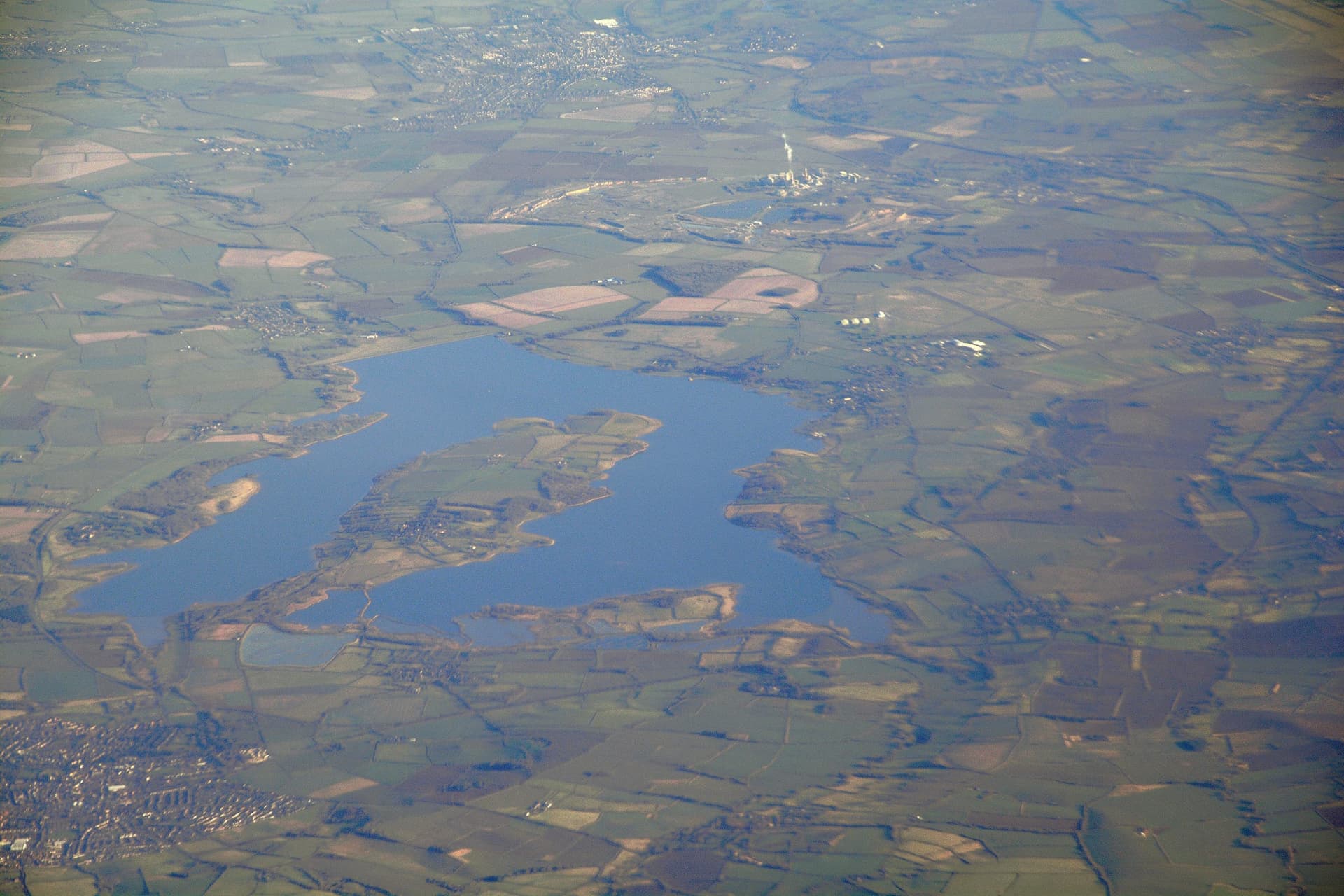

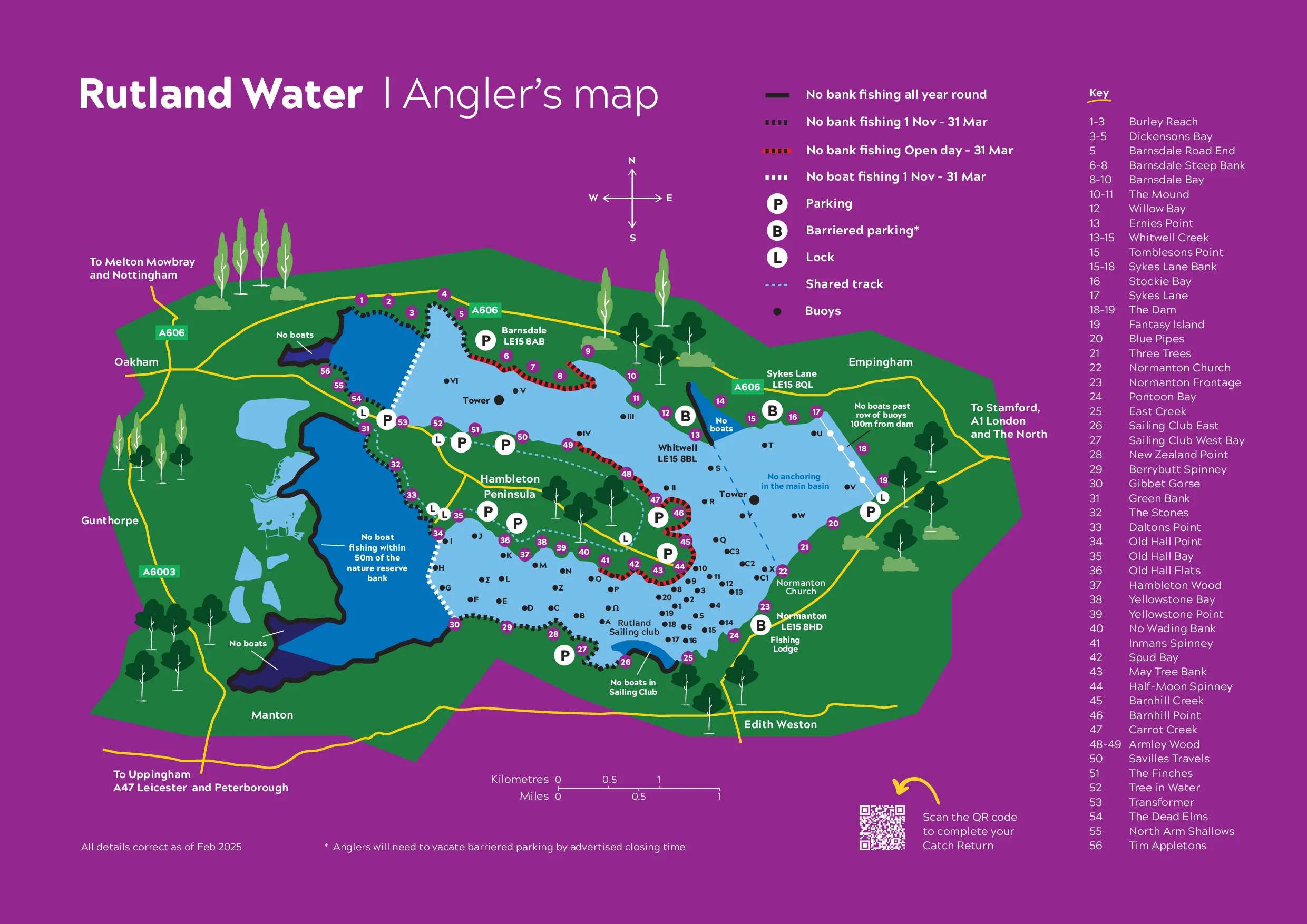
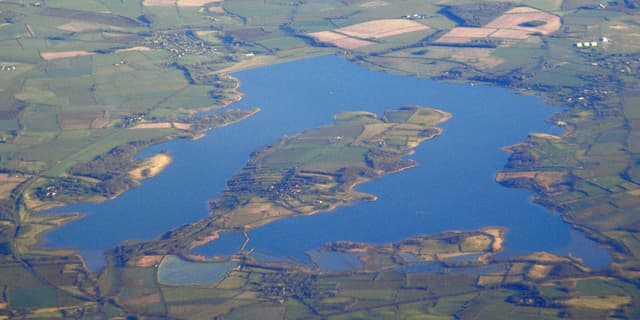
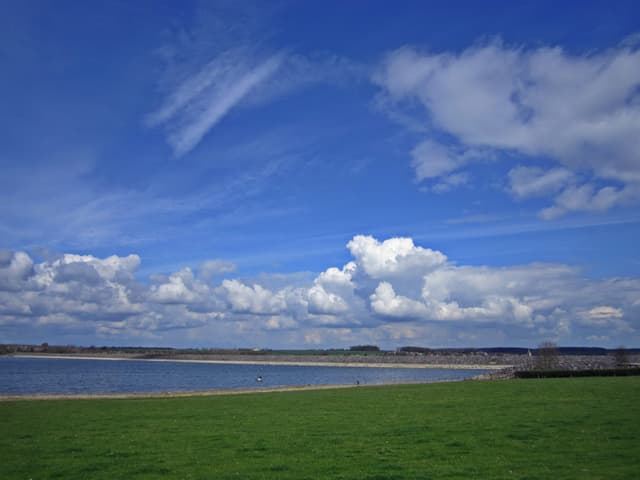
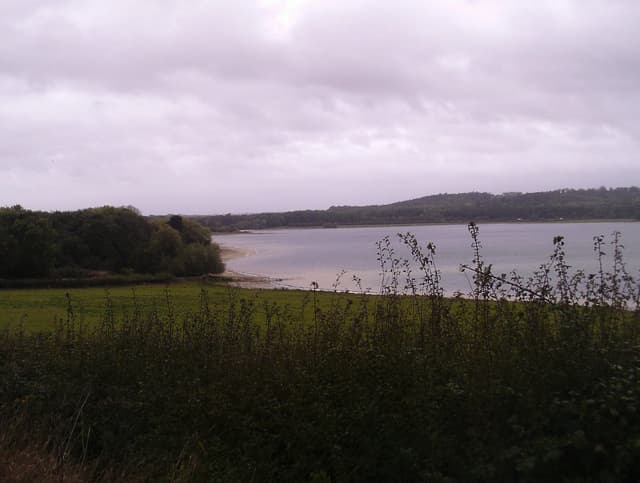
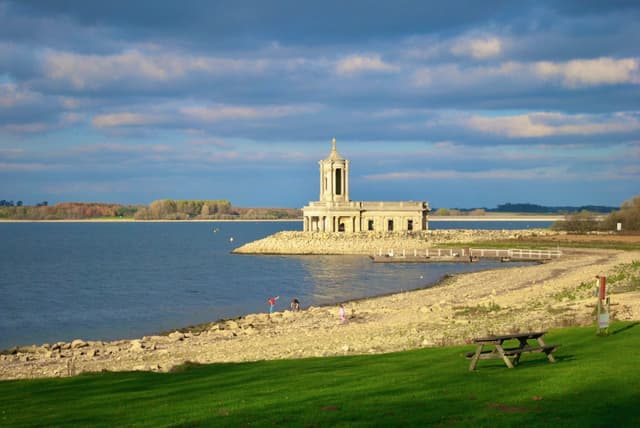
England's largest trout reservoir — 1,255 hectares of open water in the East Midlands. Rutland is a destination fishery: huge wild browns to double figures, and hard-fighting stocked rainbows. Boat and bank fishing available; the north arm and dam wall are classic bank beats, while boat anglers drift the open water with teams of buzzers and dries. Prolific buzzer hatches from April dominate the early season; mayfly in late May brings serious dry-fly sport; sedge and daddy-long-legs carry the fishing into September. The reservoir's scale means conditions vary dramatically — sheltered bays fish differently to exposed dam walls. Season runs late March to mid-December. Managed by Anglian Water; day tickets, season permits, and boat hire from the fishing lodge at Normanton.
- Day tickets
Good late spring conditions for Rutland Water
Good wave on — drift country. Drift fishing weather — three flies on a long leader.
Current conditions suit Rutland Water well for late spring tactics. The ripple should help fish move and feed more confidently.
This is peak season for the venue, though today's conditions aren't quite ideal. Worth fishing — the timing is right even if the weather isn't perfect.
Conditions on the water
Some readings unavailable — check directly before fishing.
The brief
The plan
Start with Blob (8-10) on a fast strip on floating line or static on sinking. Rainbows respond to more active retrieves — try short strips between pauses. If that does not produce, switch depth or speed before changing the pattern entirely. In the ripple, a bushy searching dry (Hopper, Shipman's, Elk Hair Caddis) outperforms flush emergers — it stays visible and holds the surface tension.
If fish refuse on top, drop to a buzzer under an indicator at different depths.
Keep an eye on changing conditions — wind shifts and cloud breaks can trigger short feeding spells.
Good ripple suits both bank and boat. Bank: work inflows, dam walls, and points. Boat: broadside drift covering wind lanes.
What's on, when
Numbers are intensity 0 (none) to 3 (peak) — a guide, not a guarantee.
Top pattern + the box
Why today scores what it does
- Wind conditions (breezy) closely match what this water fishes best in.
- Temperature (cool) is in the sweet spot for late spring fishing.
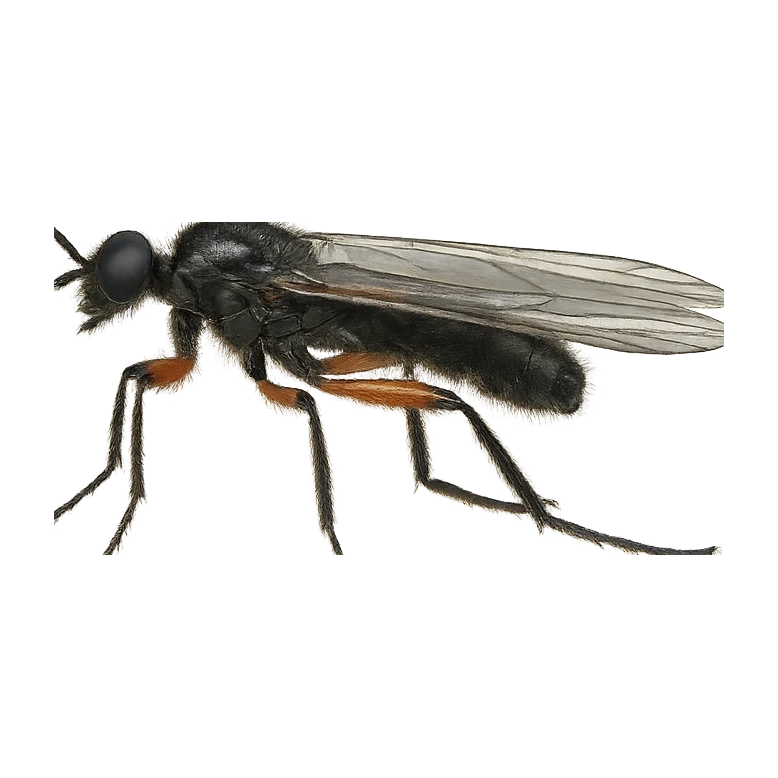
- Hawthorn Fly is in its seasonal window, boosting the chance of targeted feeding.
Precipitation
Who this water suits
- Travelling reservoir
- Competition
- Experienced bank
- Boat
Rutland Water, on the water
Field guide · contributor-editedWhat this water is
England's largest trout reservoir — 1,255 hectares of open water in the East Midlands. Rutland is a destination fishery: huge wild browns to double figures, and hard-fighting stocked rainbows. Boat and bank fishing available; the north arm and dam wall are classic bank beats, while boat anglers drift the open water with teams of buzzers and dries. Prolific buzzer hatches from April dominate the early season; mayfly in late May brings serious dry-fly sport; sedge and daddy-long-legs carry the fishing into September. The reservoir's scale means conditions vary dramatically — sheltered bays fish differently to exposed dam walls. Season runs late March to mid-December. Managed by Anglian Water; day tickets, season permits, and boat hire from the fishing lodge at Normanton.
- Reservoir
- Mixed
How to get to the water
Where the rules change
- Trout1 April → 30 September
Useful links
Rutland Water
England's largest trout reservoir — 1,255 hectares of open water in the East Midlands.
Good late spring conditions for Rutland Water
Good wave on — drift country. Drift fishing weather — three flies on a long leader.
Current conditions suit Rutland Water well for late spring tactics. The ripple should help fish move and feed more confidently.
This is peak season for the venue, though today's conditions aren't quite ideal. Worth fishing — the timing is right even if the weather isn't perfect.
Some readings unavailable — check directly before fishing.
Conditions are ideal for Rutland Water — wind, cloud and temperature all line up.
Start with Blob (8-10) on a fast strip on floating line or static on sinking. Rainbows respond to more active retrieves — try short strips between pauses. If that does not produce, switch depth or speed before changing the pattern entirely. In the ripple, a bushy searching dry (Hopper, Shipman's, Elk Hair Caddis) outperforms flush emergers — it stays visible and holds the surface tension.
If fish refuse on top, drop to a buzzer under an indicator at different depths.
Keep an eye on changing conditions — wind shifts and cloud breaks can trigger short feeding spells.
Good ripple suits both bank and boat. Bank: work inflows, dam walls, and points. Boat: broadside drift covering wind lanes.
- Wind conditions (breezy) closely match what this water fishes best in.
- Temperature (cool) is in the sweet spot for late spring fishing.
- Hawthorn Fly is in its seasonal window, boosting the chance of targeted feeding.
Numbers are intensity 0 (none) to 3 (peak) — a guide, not a guarantee.
Terrain map
England's largest trout reservoir — 1,255 hectares of open water in the East Midlands. Rutland is a destination fishery: huge wild browns to double figures, and hard-fighting stocked rainbows. Boat and bank fishing available; the north arm and dam wall are classic bank beats, while boat anglers drift the open water with teams of buzzers and dries. Prolific buzzer hatches from April dominate the early season; mayfly in late May brings serious dry-fly sport; sedge and daddy-long-legs carry the fishing into September. The reservoir's scale means conditions vary dramatically — sheltered bays fish differently to exposed dam walls. Season runs late March to mid-December. Managed by Anglian Water; day tickets, season permits, and boat hire from the fishing lodge at Normanton.
- Reservoir
- Mixed
- Trout1 April → 30 September
England's largest trout reservoir — 1,255 hectares of open water in the East Midlands. Rutland is a destination fishery: huge wild browns to double figures, and hard-fighting stocked rainbows. Boat and bank fishing available; the north arm and dam wall are classic bank beats, while boat anglers drift the open water with teams of buzzers and dries. Prolific buzzer hatches from April dominate the early season; mayfly in late May brings serious dry-fly sport; sedge and daddy-long-legs carry the fishing into September. The reservoir's scale means conditions vary dramatically — sheltered bays fish differently to exposed dam walls. Season runs late March to mid-December. Managed by Anglian Water; day tickets, season permits, and boat hire from the fishing lodge at Normanton.