
Chalk Stream · Chalk · Hampshire

River Test

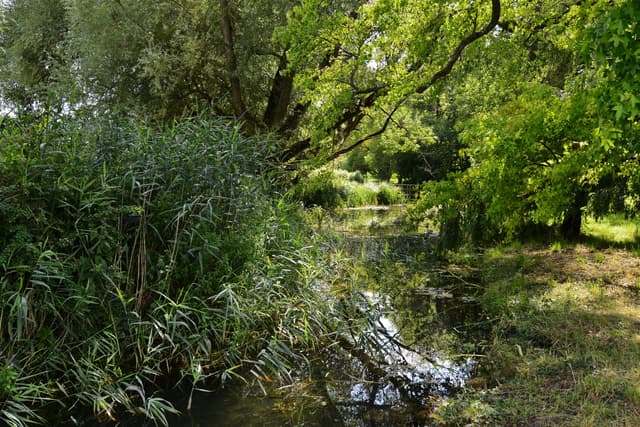
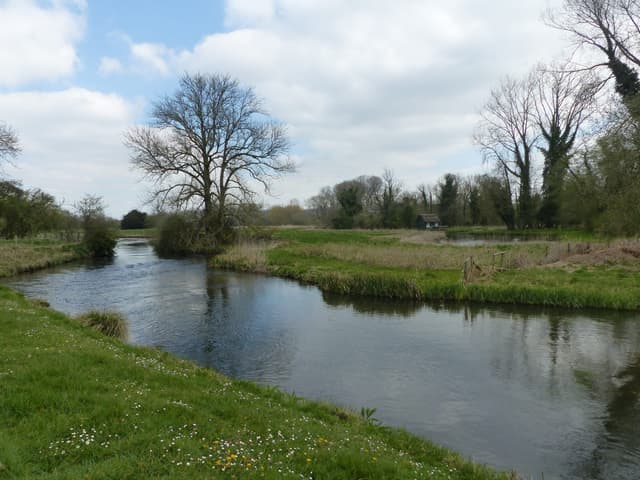
River Test fishing venue photo
Editorial photo

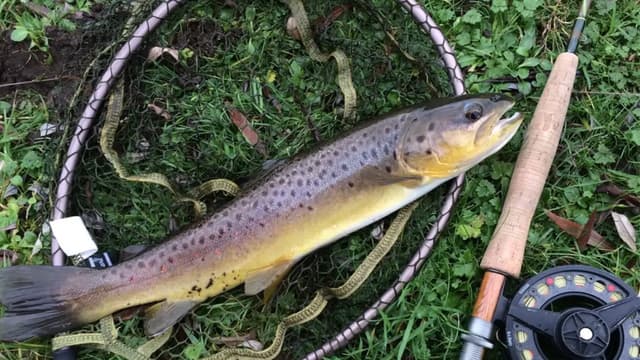
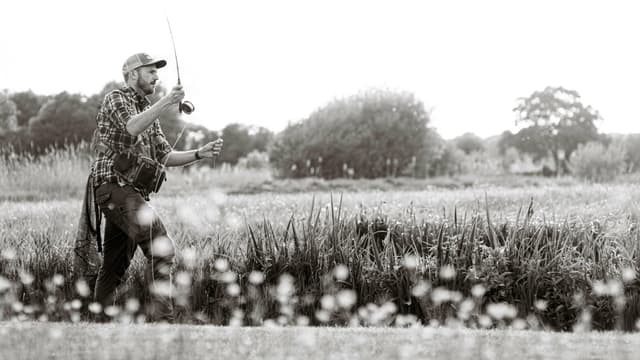
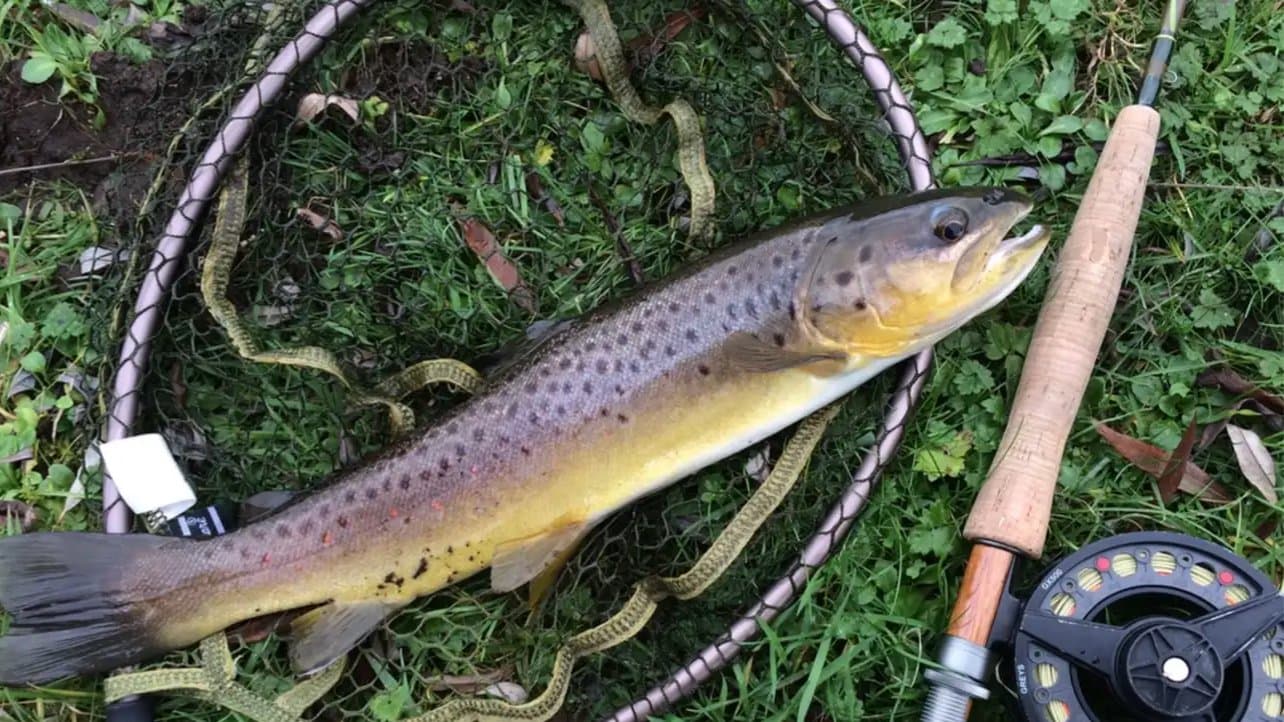
Brownie on the Test

Damian Rafferty

The Test is the river where modern fly fishing was born — the water that Halford and Marryat studied with such precision that they invented an entire literature.

Species

A proper day on the water

Low and clear — careful approach country. Stay small, stay accurate.

75% confidence in this read
Water temperature for brown trout
Cool — slow
10°C est.ideal 1016°C
0°14°28°
Why this score · for brown trout
  • Temperature9328% weight
  • Flow6022% weight
  • Clarity9518% weight
  • Feeding Time5013% weight
  • Pressure807% weight
  • Prey Activity5512% weight
Conditions
Level
Dry recently
No gauge reading
Water temp
9.6°C
Estimated
Clarity
Clear
Air temp
9°C
Wind
SW 16 km/h
Gentle breeze
Pressure
1009 hPa
Rain · 48h
0.0 mm
No meaningful rain
Rain · ahead
9.7 mm
Light rain · next 48h

Live readings — water temperature is an estimate where the gauge does not record it.

How to fish it · for brown trout
When
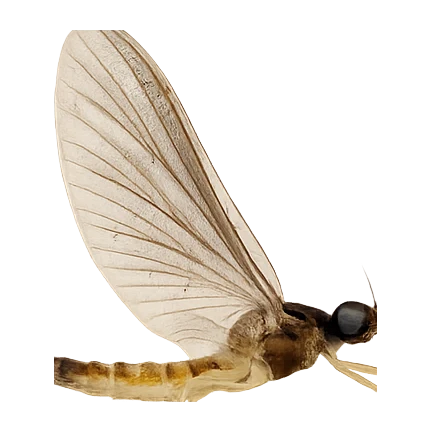
Mayfly Duffer's Fortnight from mid-May through early June; the canonical hatch. Outside that window, BWO evenings June through September are the most consistent fishing — late afternoon into dusk, when fish settle on emergers and spinners.
Where
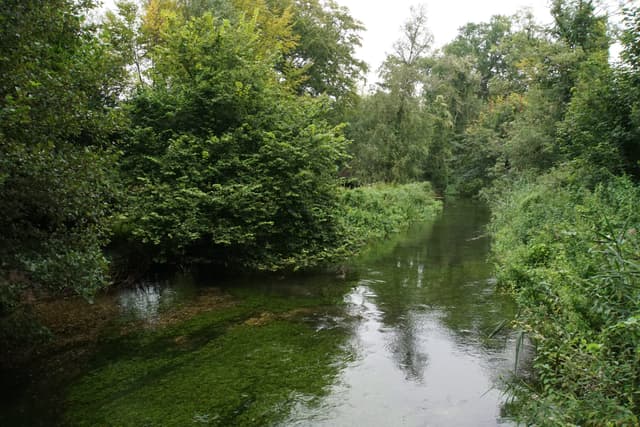
The classic chalk-stream sequence — pool-riffle-glide on flint gravel over chalk. Sit and watch the water before casting. Fish hold in known lies; the Test rewards spotting the rise, not blind covering.
Method
Upstream dry to spotted rising fish — match the size above pattern, Test trout inspect carefully. When no rise shows, Sawyer-style induced-take nymph upstream where the beat allows. No wading, no downstream presentation, no Czech or Euro nymphing — chalk-stream rules.
Kit
9 ft #4 — chalk-stream classic. Floating line, 12 ft tapered leader to 5x or 6x tippet. Polarised glasses for spotting fish.
Why this works
Good conditions. Clarity is favourable (95), Feeding time is weakest (50).
Through the year
0–3 scale · May highlighted
J
F
M
A
M
J
J
A
S
O
N
D
Trout seasonSeason
1
2
2
2
2
2
1
Grayling seasonSeason
2
2
1
1
2
2
2
2
2
2
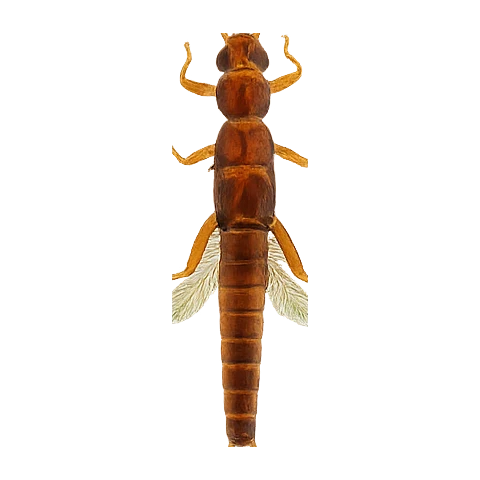
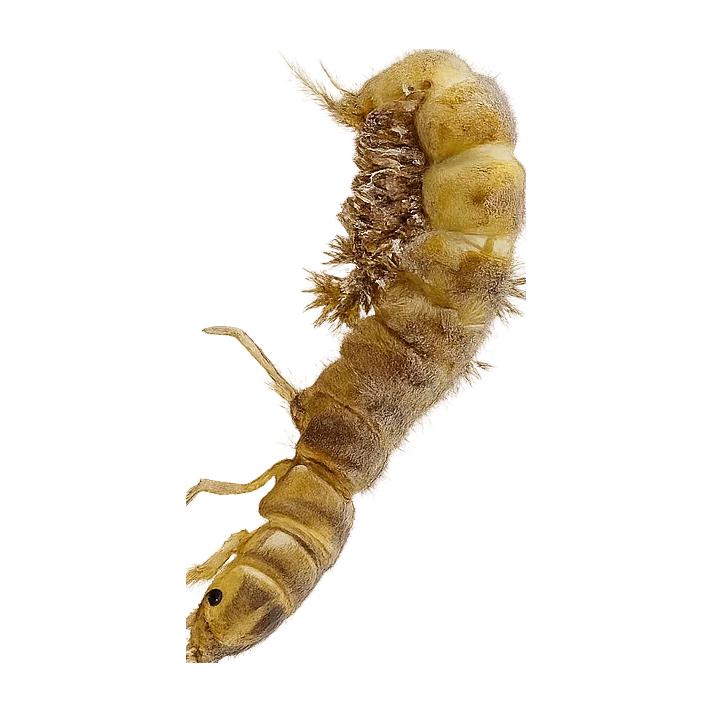
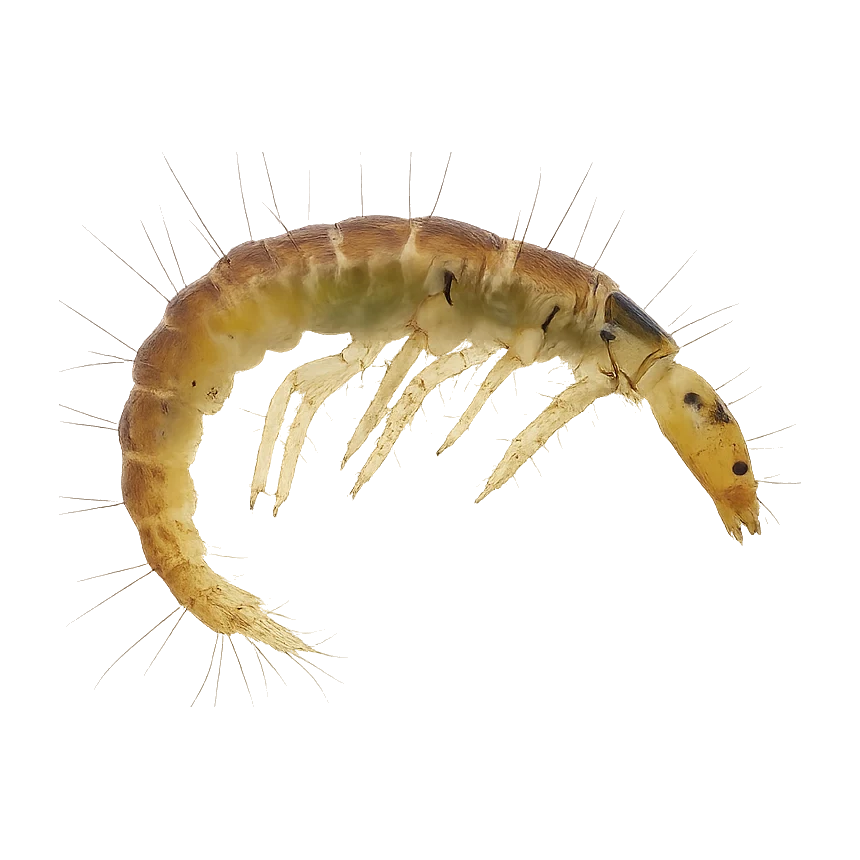
Brown SedgeHatch
2
3
2
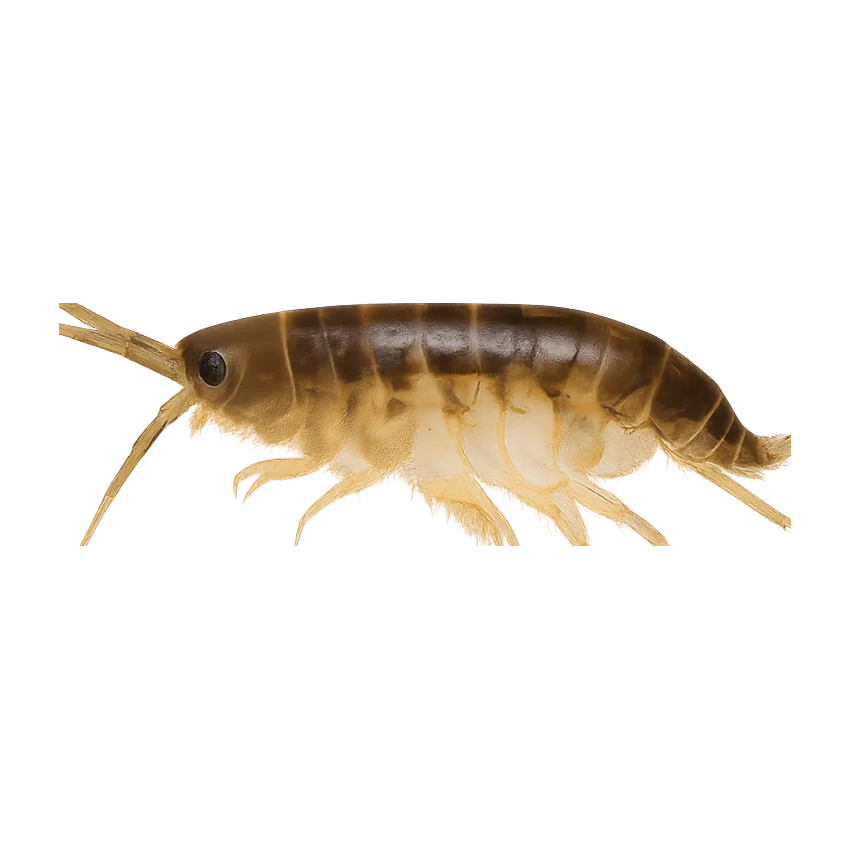
Freshwater ShrimpHatch
2
3
3
3
3
3
3
3
3
3
3
2
Blue Winged OliveHatch
2
3
3
3
3
2
Mayfly (Green Drake)Hatch
2
2

Numbers are intensity 0 (none) to 3 (peak) — a guide, not a guarantee.

Gallery · 2
  1. Brownie on the Test
    Brownie on the Test
  2. Terrain map of the venue
    Terrain map
Directions
About this water

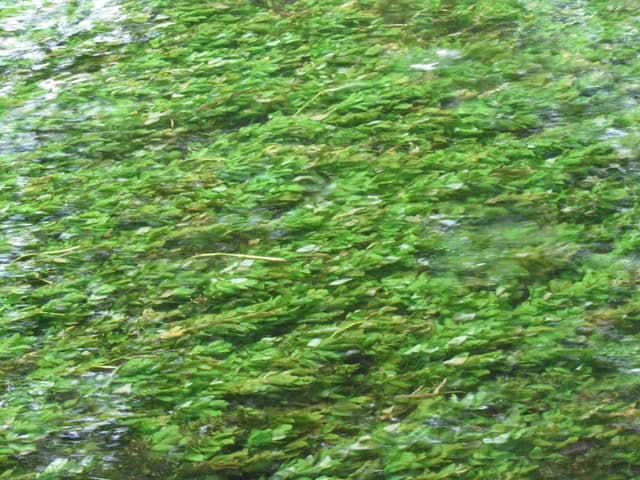
The Test is the river where modern fly fishing was born — the water that Halford and Marryat studied with such precision that they invented an entire literature. It moves like it has somewhere to be but isn't in any hurry about it. The ranunculus streams in the current like green hair, and if you watch long enough — which is the whole point — you'll see a trout materialise where a moment ago there was only riverbed. It's the kind of water that makes you want to sit down and think about things for a while before you even string up the rod. Mayfly hatch arrives mid-May (the Duffer's Fortnight) and produces some of the finest dry-fly fishing in the world — fish rise everywhere for three weeks and then they're gone. Outside mayfly season, look for blue-winged olives (April–June and again in September), iron blues (March–May), and sedges (June–August). The fish are educated because they see flies daily; use small dry flies (size 16–18), fine tippet (5x or finer), and approach from downstream where they cannot see you approach. Nymph fishing works well between hatches with pheasant-tail and hare's-ear patterns. The lower reaches hold salmon; winter brings excellent grayling fishing. Access is via estate beats requiring advance booking.

Under the surface

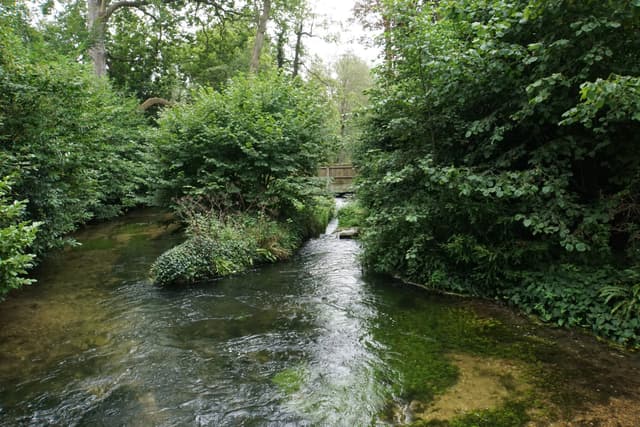
The Test rises as a winterbourne near Ashe above Overton at roughly 90 m and drops only that much over 64 km to Southampton Water — an average gradient near 0.14%, about as gentle as an English trout river gets. Upper reaches above Whitchurch are seasonal: the spring line migrates downstream through the summer as the chalk aquifer draws down. From Whitchurch through Longparish, Chilbolton, Stockbridge, Mottisfont, Romsey and Broadlands the river runs as a classic low-gradient pool-riffle and glide sequence on clean, well-sorted flint gravel over Cretaceous chalk, threaded through a network of hand-cut carriers and side channels. Baseflow index at Broadlands is around 0.94, which is why the hydrograph is so flat and the bed so stable: Ranunculus anchors in the same gravel for years, and winter spates rarely shift it. Wading hazards are soft marl pockets and silty slacks at the margins, not anything mobile.

Wading: Soft marl pockets and silty margin slacks

  • Chalk
  • Unconfined
  • Glide
  • Pool riffle
Seasons & zones
  • Trout3 April → 31 October
  • Grayling16 June → 14 March

Salmon: Negligible (2026) — 187 adult salmon returned in 2024 — lowest in 35 years. Genetically unique chalk stream stock at critical risk. Not a salmon fishing destination.

Other water nearby · 5
Booking & contacts