Daphnia Swarm
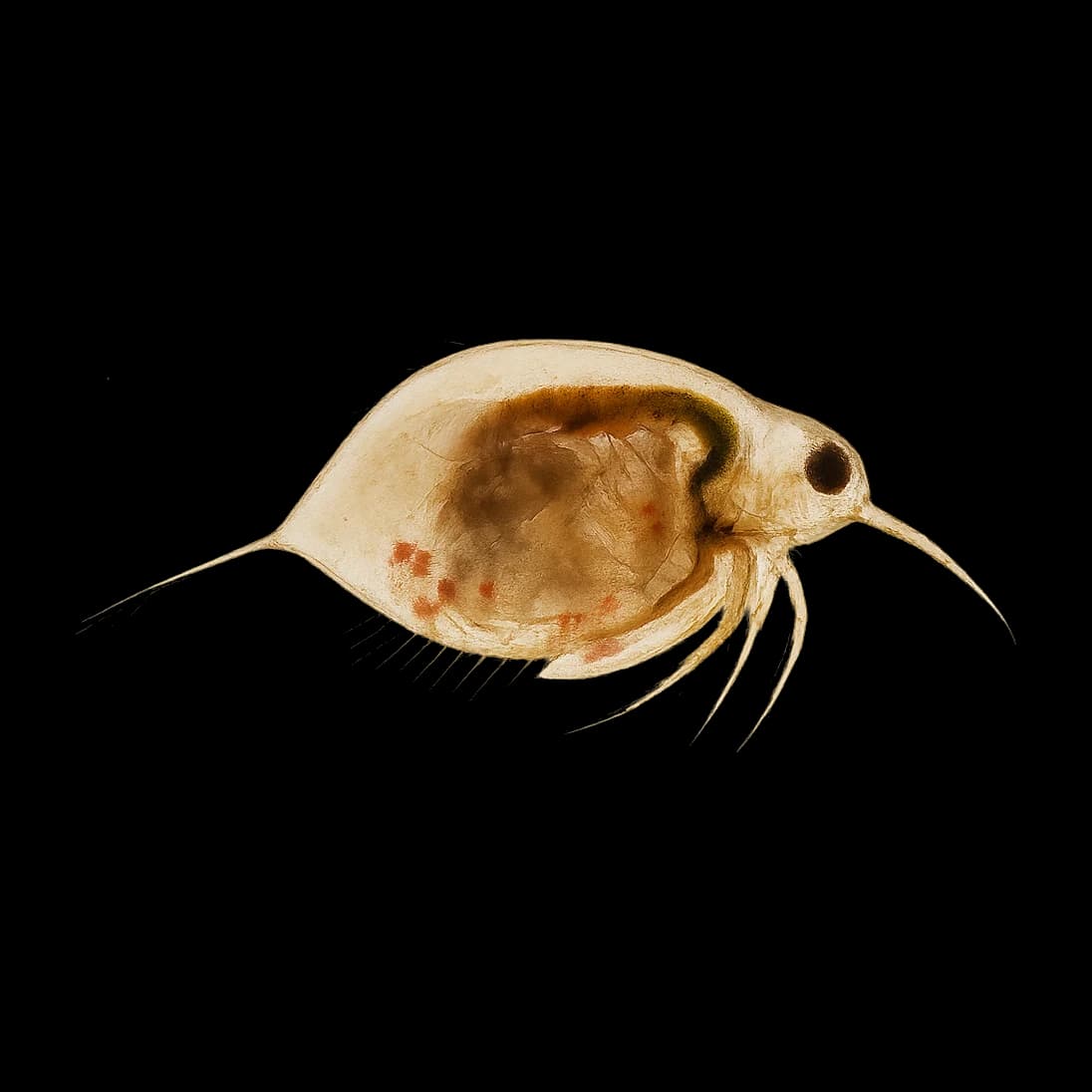
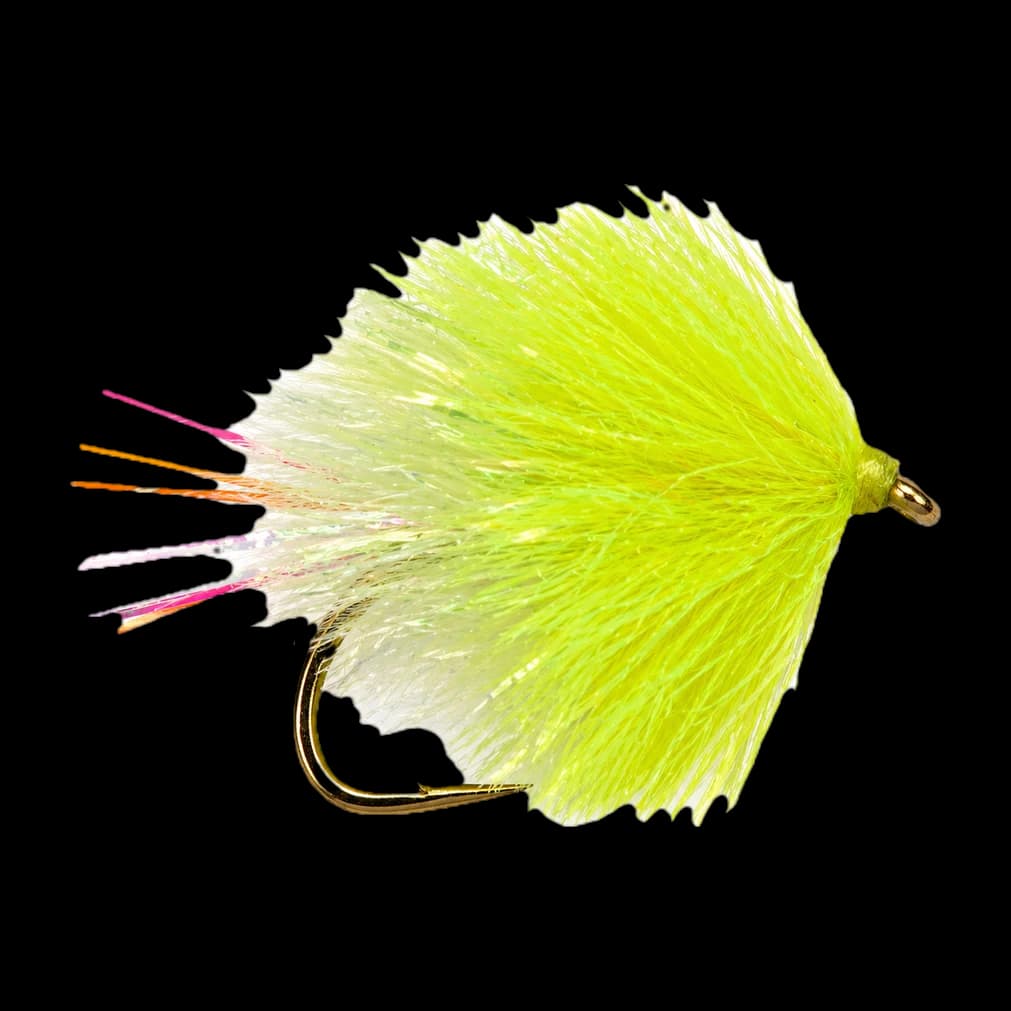
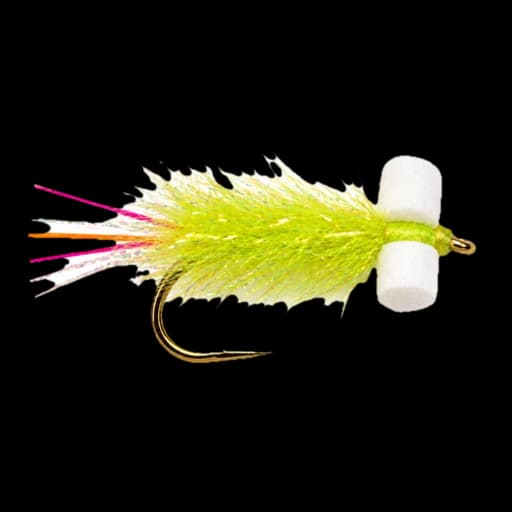
Nobody has ever imitated a daphnia, and nobody should try. The animal is two millimetres of translucent water flea, and it does not arrive one at a time — it arrives in clouds of millions, drifting in open water with no bottom, no weed and no structure involved at all. The bloom is closer to a weather event than a hatch. Warm, settled conditions over rich lowland water grow the algae first, and the daphnia follow within days. After that the cloud moves with the light: hard sun drives it down, dull skies let it rise, and a steady wind stacks it against the downwind bank. Find that depth and you have found the fish, because they will be inside it. Trout feeding on daphnia are not selecting anything, which is the part that catches people out. They will refuse a beautifully presented buzzer without appearing to notice it. So the answer is not imitation but interruption. A blob or a FAB pulled through the cloud at the right depth is a signal rather than a copy — loud enough to register against a wall of food. Get the depth wrong and none of the rest matters.
There's no picking and choosing here. A trout in a daphnia cloud swims through it with its mouth open, filtering rather than hunting, and will keep at it for hours at a stretch. It's the least selective feeding a stillwater trout ever does, and paradoxically some of the hardest to fish over — a fish already surrounded by food has no particular reason to move for yours.
- British IslesCommon
- ScandinaviaOccasional
- Continental EuropeOccasional
- North America — WestOccasional
- North America — EastOccasional
- East AsiaOccasional
- New ZealandOccasional
- PatagoniaOccasional
- IberiaOccasional
- Atlantic fringeOccasional
- The AlpsOccasional
Daphnia pulex is the most common species of water flea. It has a cosmopolitan distribution: the species is found throughout the Americas, Europe and Australia. It is a model species, and was the first crustacean to have its genome sequenced.