Spate · Mixed · Trøndelag, NO

Gaula

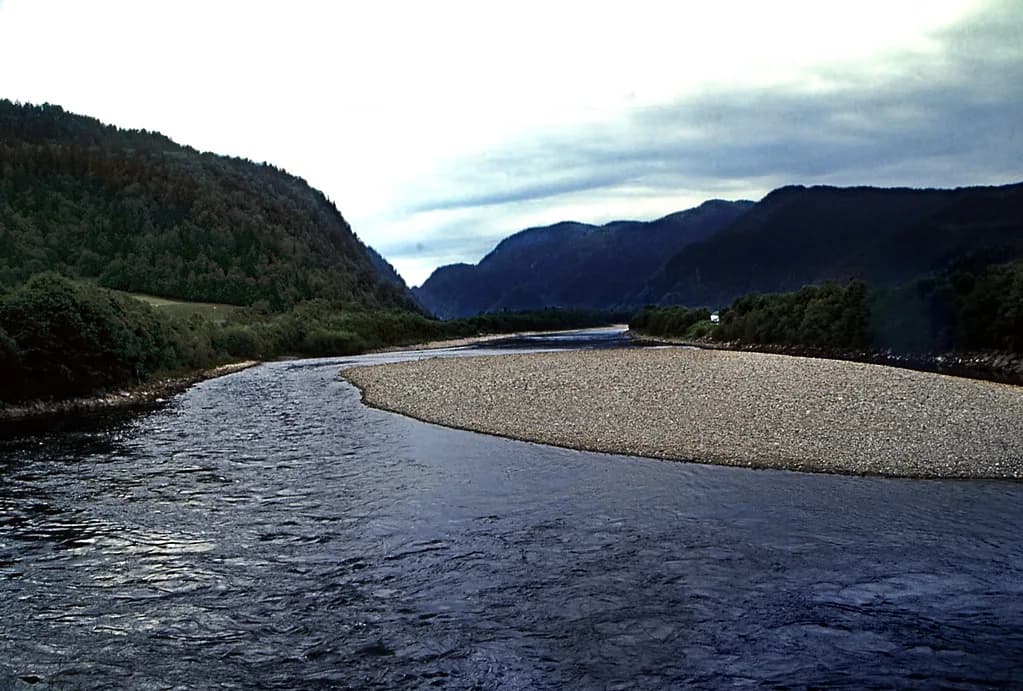
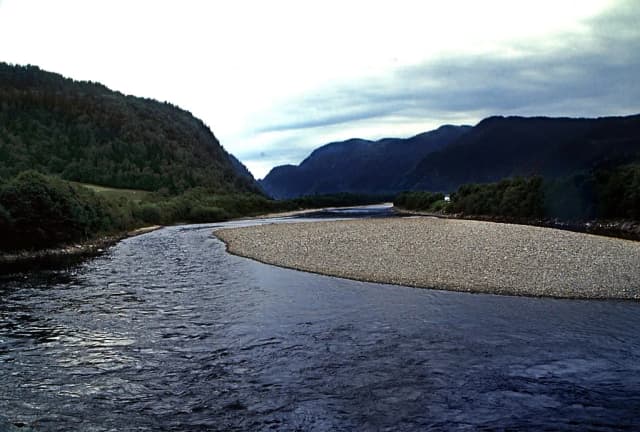
Wide gravel-bedded river flowing through a forested Norwegian valley with mountains in the background.
Fair · Atlantic Salmon
Thunder & Lightning · tube / double medium
Fairlive now
Decent — worth a look
River dropping into shape after a lift. Cover the heads and tails before the river drops away.
75% confidence
What moved it
  • Level2.09 mDropping after lift
  • Water temp14.1°C
  • ClarityUnfishableColouring up
Today's fly
Thunder & Lightning
Thunder & Lightningtube / double medium
Conditions on the water
Live gauge
Level
Falling
2.09 m
Dropping after lift
Water temp14.1°C
ClarityUnfishable
Weather13°C
WindW 7 km/h
Pressure1009 hPa
Rain · recent33.3 mm
Rain · ahead6.8 mm

Live readings only. Trends shown where the gauge supports them.

Water temperature for Atlantic Salmon
Warm — slow
14.1°Cideal 1014°C
0°14°28°
How to fish it · for Atlantic Salmon
When
Peak late June into August. Fish the rising water on the second day after rain, then the dropping water through the next forty-eight hours. Take 6 to 14°C as the taking band.
Where
Big-water Spey-class beats from Støren down through the middle river to the lower beats above the tide. Heads and tails of named pools; the river is big enough that distance matters.
Method
Big tubes (Sunray Shadow, Templedog) on the swing in spring; medium tubes through the main season; drop size into late summer. Floating line plus heavy sink-tips per water height.
Kit
14 to 15 ft #9/10 double-hander on the bigger water; 13 ft #9 on classic Spey-class beats. Floating, intermediate, fast-sink, full-sink lines. 15 to 20 lb fluoro.
Why this works
The river is in textbook shape. River dropping nicely into shape after a lift — textbook conditions. Clearing nicely — classic taking conditions. 14.1°C — in the ideal taking range for autumn salmon. This is the window experienced salmon anglers wait for — if you can get to the river, go now.
Hatch timeline · todayQuiet day

Hatch predictions

Today's headline hatch shown — see all 5 active hatches hour by hour with Pro.

Start free trial

14-day free trial. Cancel anytime.

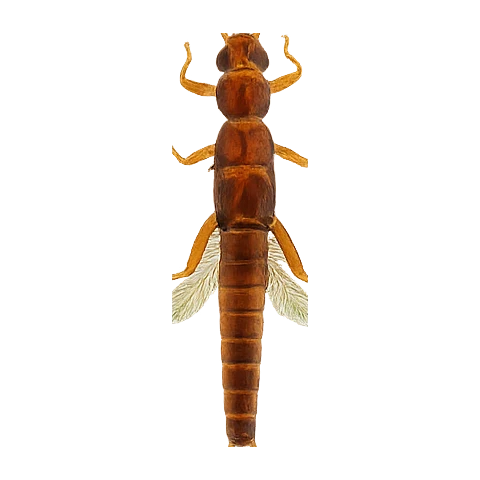
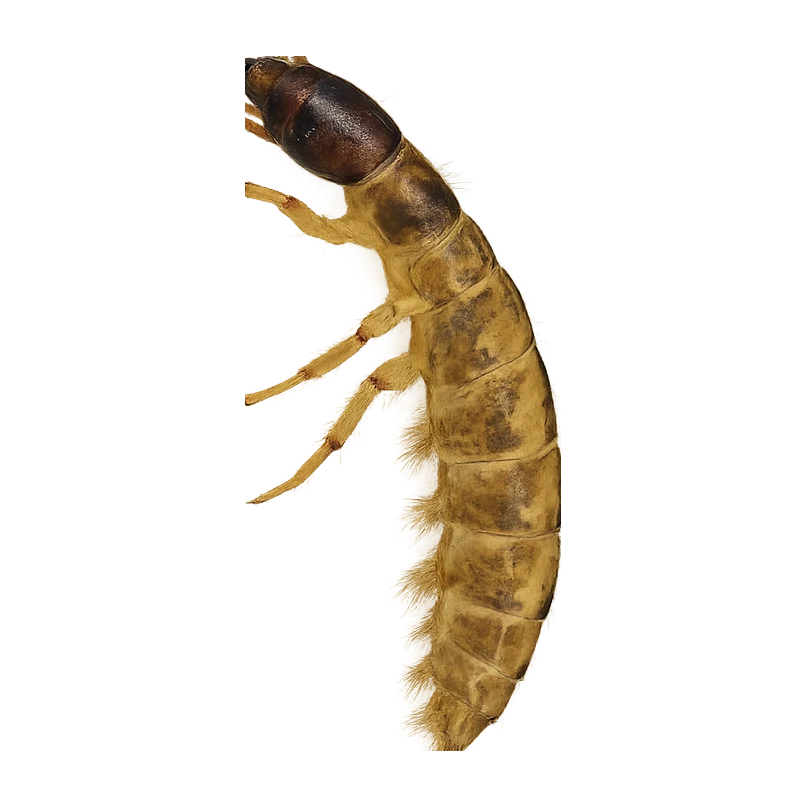
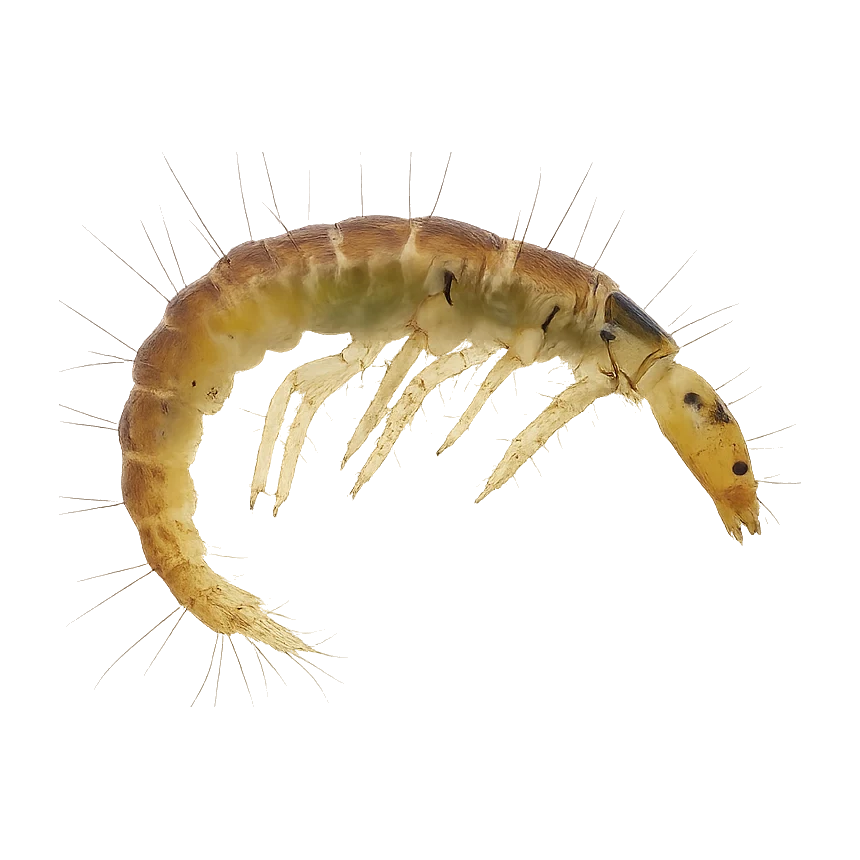
Sub-surface · on the nymphunder the surface

Hatch predictions

Top nymph shown — see all 2 guilds with Pro.

Start free trial

14-day free trial. Cancel anytime.

Evidence
Survey-backed · regionalModerate confidence

Backed by regional invertebrate surveys; no sampling on this exact reach yet.

Through the year
0–3 scale · August highlighted
J
F
M
A
M
J
J
A
S
O
N
D
Salmon runRun
1
2
1
March BrownHatch
2
3
2
GrannomHatch
2
2
Large StoneflyHatch
2
3
2
Yellow SallyHatch
2
3
2

Numbers are intensity 0 (none) to 3 (peak) — a guide, not a guarantee.

Ranked for today
Atlantic Salmon fly box
Beats · 6 · 5 reaches

The Gaula is not one fishery — it is a chain of landowner-association (vald), private-lodge and day-card beats spread over a long Trøndelag salmon river, knitted together by a single river-wide registration. To fish here you generally need three things stacked together: the national fishing fee (fiskeravgift), which is a tax that funds salmon management and does NOT by itself grant access to any water; the Gaula river card (Gaulakortet), the mandatory registration every angler must hold before fishing starts; and then an actual beat, vald or lodge booking that gives you a stretch to fish. Equipment disinfection and catch reporting are compulsory, and 2026 carries a hard daily/season quota with all salmon over 65 cm released. Above all, Gaula's rules can change mid-season: a poor in-season count can trigger a conservation closure at short notice — the river was shut for the whole second half of 2024 — so confirm status, quota and your booking route with the local association before you travel.
Lower Gaula — mouth to GaulfossSeason rods
The lower river below the Gaulfoss gorge takes the fresh fish first — larger-water beats that fish best early in the season before salmon push upstream.
Gaulfossen — fish-movement bottleneckEnquiry
Gaulfossen is the bedrock gorge where the channel narrows to a slot between rock walls — the migration pinch-point that governs how fish progress through the system.
Middle Gaula — Støren classic fly water · 2 beatsDay rods
Middle Gaula — Støren corridor, Winsnes Fly Fishing Lodge
The 2 beats
Middle Gaula — Støren corridorSeason rods
Valds, lodges and proprietors (via local associations)
The classic fly water — the middle river around Støren, where the Sokna enters and the valley opens into wide gravel-bar pool-riffle reaches. This is the heart of Gaula's reputation: many named valds, lodge beats and the rotations most visiting fly anglers come for. Access is by vald, lodge package or day-card; the Winsnes lodge stretch is the best-known premium water here.
Fiskeravgift + Gaulakortet + beat/vald/lodge booking. 2026 quota and 65 cm release rule apply. Disinfection and catch reporting mandatory. Mid-season conservation evaluation can alter quota or close the river.
Winsnes Fly Fishing LodgeGuide / lodge
Winsnes Flyfishing Lodge (gaulasalmon.com) — booked direct or via agents
The Gaula's best-known premium fly lodge, in the Støren middle-river corridor and fishing since the 'Salmon Lords' era (the lodge dates to 1882). Winsnes controls roughly 4 km of double-bank water divided into seven rotating beats, fished by just six rods in pairs on a rest-and-rotate system in four-hour slots so pools are rested before guests reach them. Average salmon around 7 kg with double-figure fish common and the occasional 20 kg-plus; a typical 10-week season produces 100–200 salmon. Total catch-and-release lodge policy.
Fiskeravgift + Gaulakortet registration still required on top of the lodge booking. 2026 river quota (1 salmon/day, 2/season, all fish >65 cm released) and mandatory disinfection + catch reporting apply. Lodge operates total catch-and-release. Subject to Gaula's mid-season conservation evaluation and possible emergency closure.
Upper Gaula — HoltålenMembers
The upper river toward Holtålen is steeper step-pool and pocket water that comes good later in the season once fish have run through the lower and middle beats.
Tributaries — Sokna, Bua & FordaMembers
The significant Gaula tributaries — Sokna, Bua and Forda — carry their own access and rule regimes and should not be assumed to follow the main-stem booking.
Permits & access
Permit required — see local rules.
  • Fiskeravgift plus local beat permit required
  • Equipment disinfection and catch reporting are mandatory
  • 2026 quota: 1 salmon/day, 2/season, all fish >65 cm released
  • Access ranges from expensive private rotations to more attainable public or association water
  • WARNING: subject to mid-season closure (midtsesongevaluering) — Gaula was shut for the entire second half of 2024.
What's coming
Plan ahead
5-day outlook
Fishing better nearby · 5
Gallery · 2
  1. Wide gravel-bedded river flowing through a forested Norwegian valley with mountains in the background.
    Norwegen 1998 (712) Gaula
  2. Terrain map of the venue
    Terrain map
Water quality (WFD)
  • EcologyGood
  • ChemicalUnknown

WFD classification · NO122-2-R

The full read · show the working · for Atlantic Salmon · confidence 75%
How the river scores — hydrology factors
Water heightHigh But Manageable+1.4
Recent riseClear Recent Rise+8.8
Falling after liftDropping Nicely Into Shape+4.5
Water temperatureCool To Moderate+2.5
Time in seasonSummer Peak Window+2.3
ClarityClearing+2.4
Hydrology base21.9
Rules that fired
Rise Plus Good Temp Bonus+0.75
High But Dropping Into Shape Bonus+0.75
Clearing After Spate Bonus+1
Will they take?Willingcaps the band

Fish should be willing to take — clearing, stained water, fresh fish moving on the lift.

Can you trust it?
Water temperaturelive gauge readinggauge
Level / flowon-river gaugeobserved
What would change the calculation
No prolonged stable spell before the current rise.
Directions
Seasons & zones
  • Salmon 1 June31 August
  • Trout Opens Variable by county — typically JuneSeptember
Related guides
Booking & contacts