
 Stoneflies
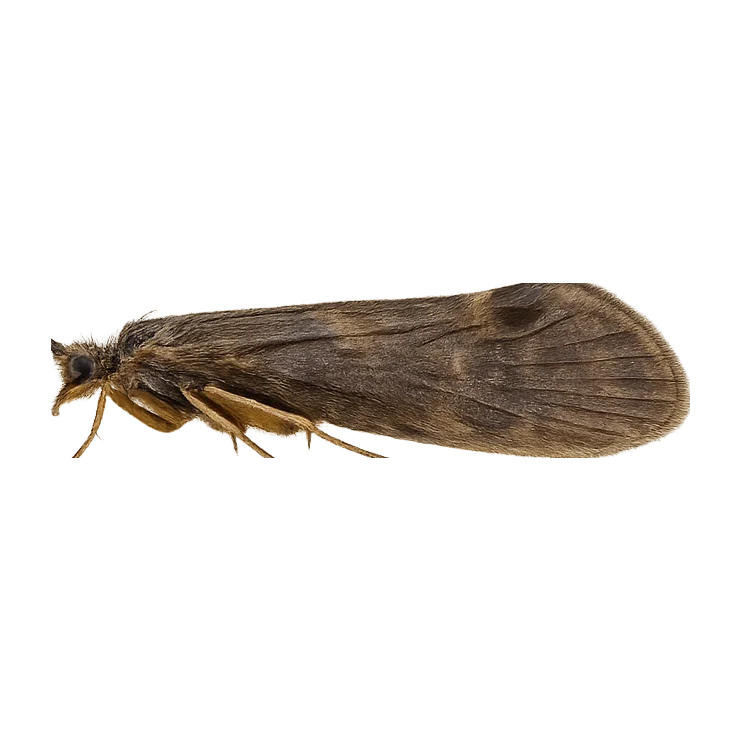
 Caddisflies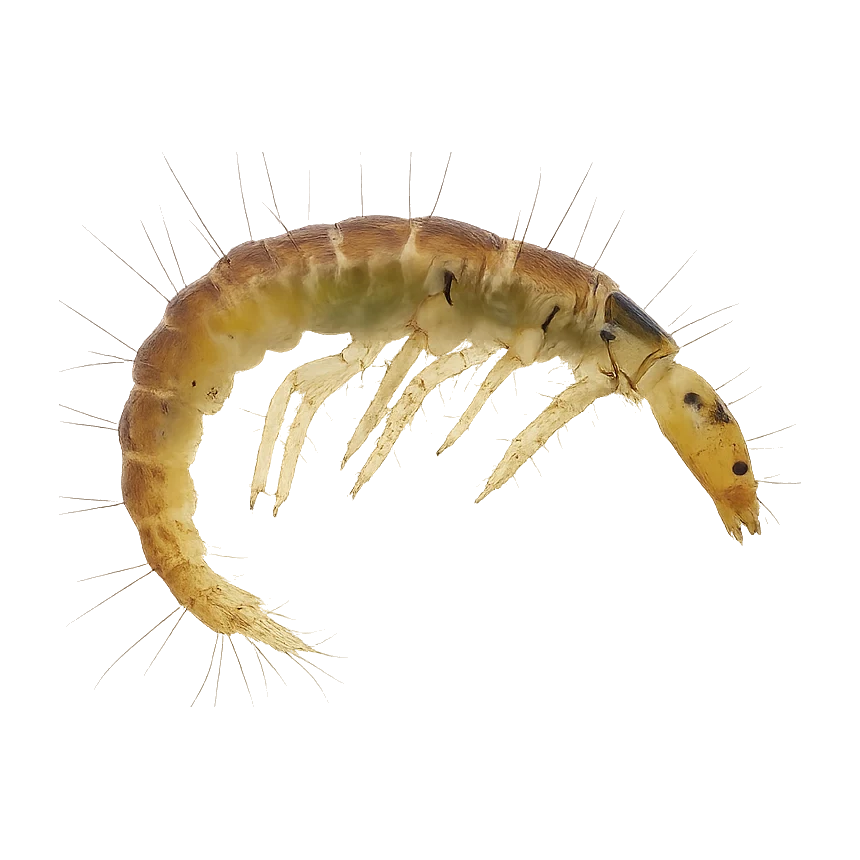
 Damselflies & dragonflies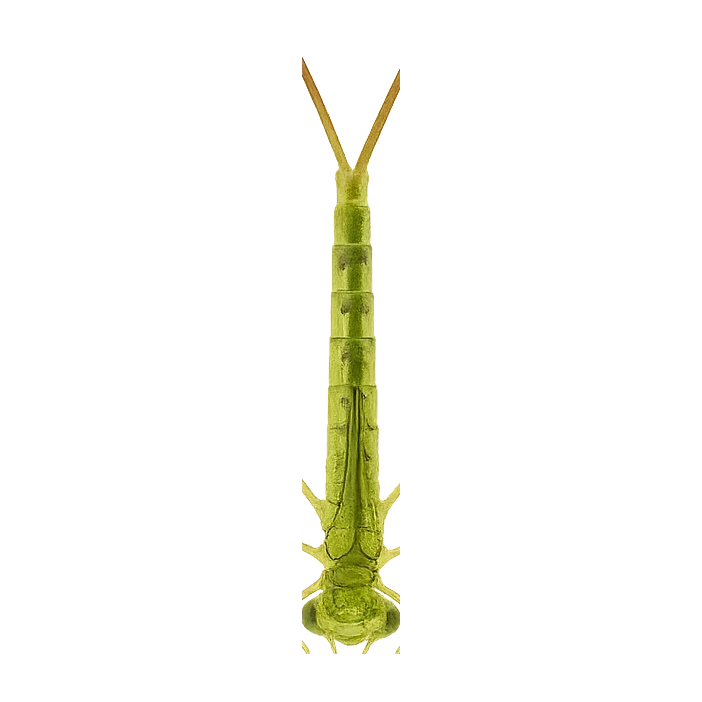
 Gammarids
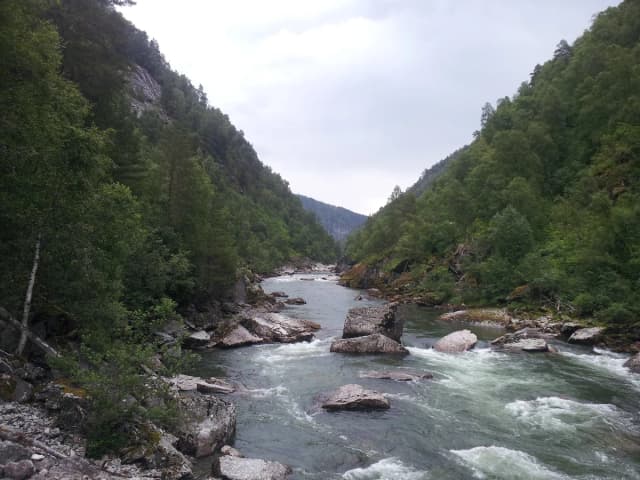
A prestige Norwegian salmon river with a strong national reputation and reliable summer fly fishing. The river suits classic tube and shrimp-style approaches, with surface methods effective during warm low-water periods. Granite-based upland geology shapes this river. Atlantic salmon are managed under national and river-specific regulations — daily and seasonal quotas, size limits and mid-season evaluations apply, and catch-and-release is widely practised; check current rules before fishing.
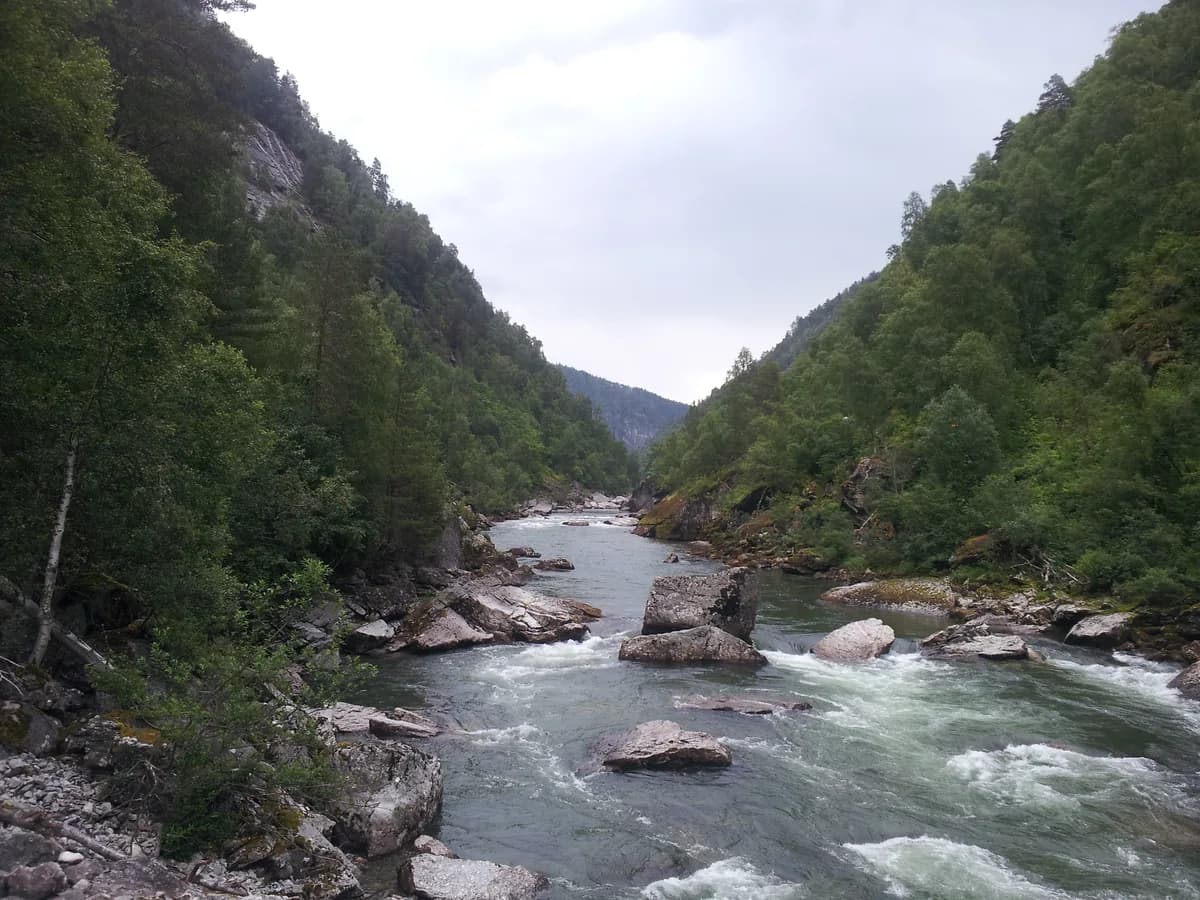
The Driva rises on the Dovrefjell and falls some sixteen hundred metres over a hundred and forty kilometres — first north through the steep Drivdalen above Oppdal, then west down the long Sunndalen to Sunndalsfjorden at Sunndalsøra. It is a fast, cold, glacier-tinged river of wild rapids and narrow gorges, the migrating fish climbing more than six hundred metres of altitude through hard, confined rock almost to the mountain. The valley drew Britain's 'salmon lords' from the 1850s, and the Driva was long among Norway's great salmon rivers. The parasite Gyrodactylus salaris later devastated the salmon stock and the river has been the subject of major eradication work; it remains one of Norway's finest sea-trout rivers. The bed is boulder and bedrock on a steep gradient — bold, powerful water where wading is serious and the gorges are no place for the careless.
Wading: Powerful glacier fed water in steep gorges
- Granite
- Confined
- Step pool
- Rapids