Karst · Limestone · Franche-Comté / Doubs (Nans-sous-Ste-Anne)

Lison

Lison terrain map
Terrain map

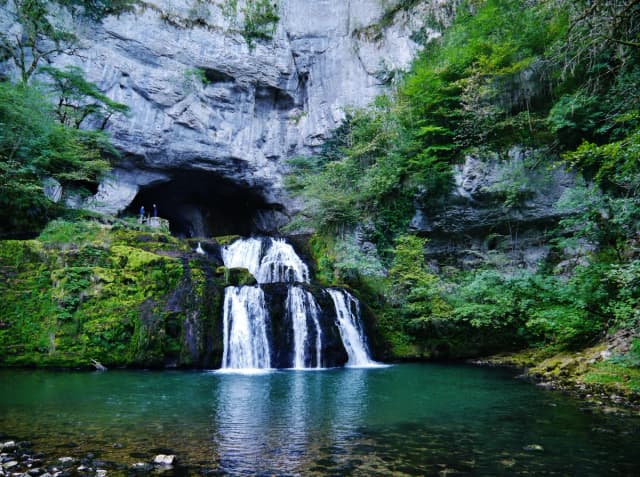
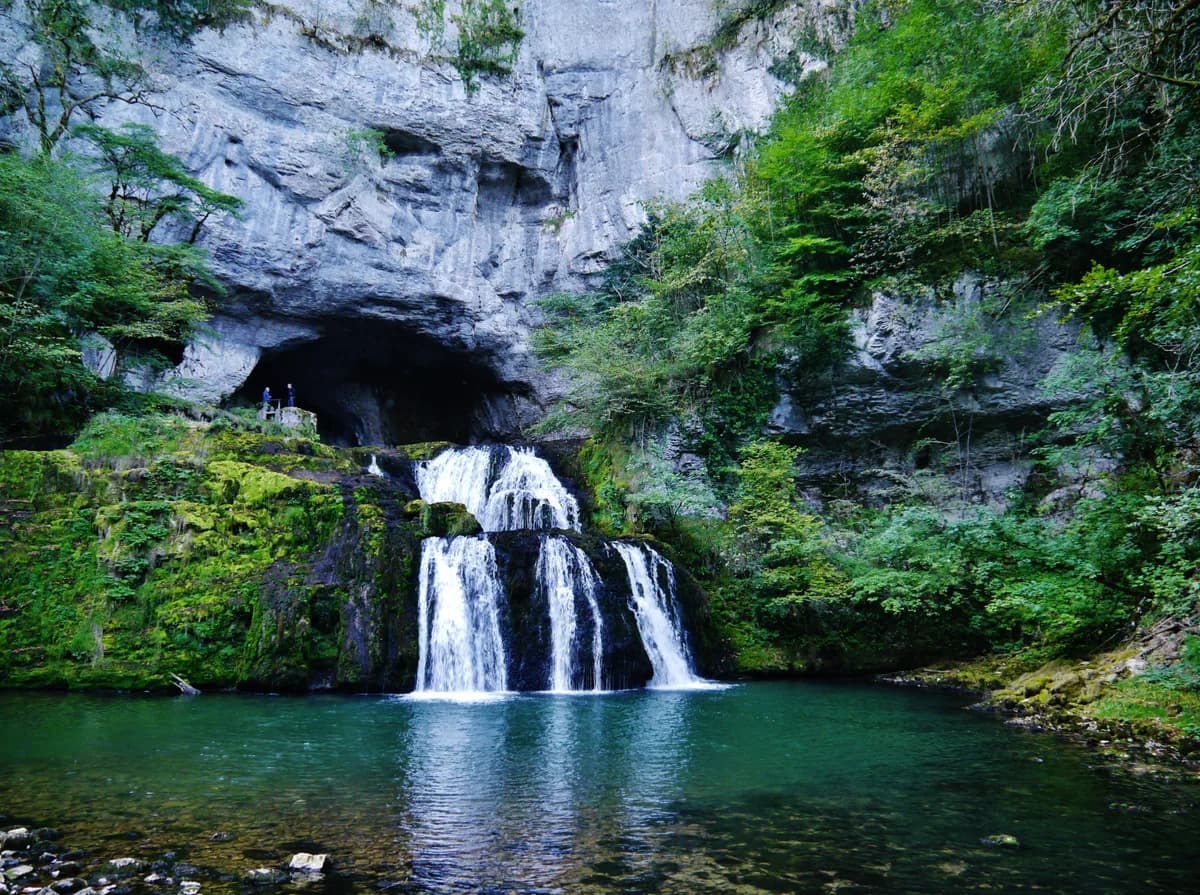
The Lison starts in the most theatrical fashion of any trout stream in France — as a full-sized river vaulting out of a cave mouth at Nans-sous-Sainte-Anne, clear as vodka and cold enough to make your wrist ache when you dip it in.

Marginal · Brown Trout
CDC Emerger · 16-20
Marginallive now
Slow going — pick your moments
River steady at a fishable height. Take your time — read the water before you cast.
90% confidence
What moved it
  • LevelProxyvia Loue
  • Water temp18.0°C
  • ClarityClear
Today’s fly
CDC Emerger
CDC Emerger16-20
Dead-drift
Conditions on the water
Proxy gauge
Level
Steady
Proxy
via Loue
Water temp18.0°C
ClarityClear
Weather24°C
WindN 12 km/h
Pressure1020 hPa
Rain · recent11.0 mm
Rain · ahead1.8 mm

No gauge on this water — conditions are inferred from Loue. The trend transfers, the absolute level does not.

Water temperature for brown trout
Warm — slow
18°C est.ideal 1016°C
0°14°28°
How to fish it · for brown trout
When
Through the open trout season. Spring olives and sedges; summer evenings; small dark flies into autumn.
Where
Karst spring-fed water through the Doubs department. Pool tails and the cushion behind boulders. The Lison is small intimate water.
Method
Upstream dry to spotted rising fish; long fine leader. The water reads clear — careful approach matters more than fly choice. Move slowly upstream, cast accurately, accept the result.
Kit
9 ft #4 — French karst-stream default. Floating line, 14 ft leader to 4 lb fluoro. Polarising glasses non-negotiable.
Why this works
⚠️ Water at 18°C — above the brown trout caution line (18°C). Fish dawn or dusk only. Land it fast, wet hands, no air shots. Otherwise fair — water clarity is in the right range.
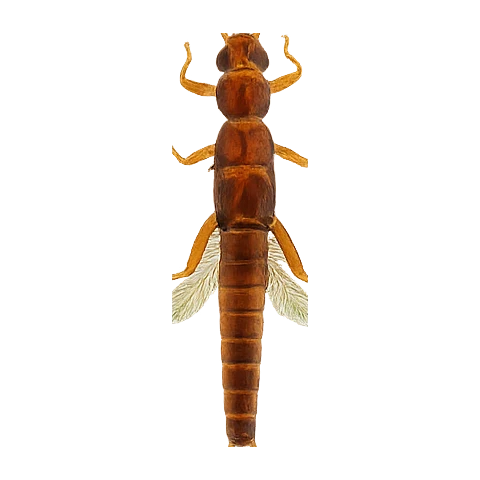
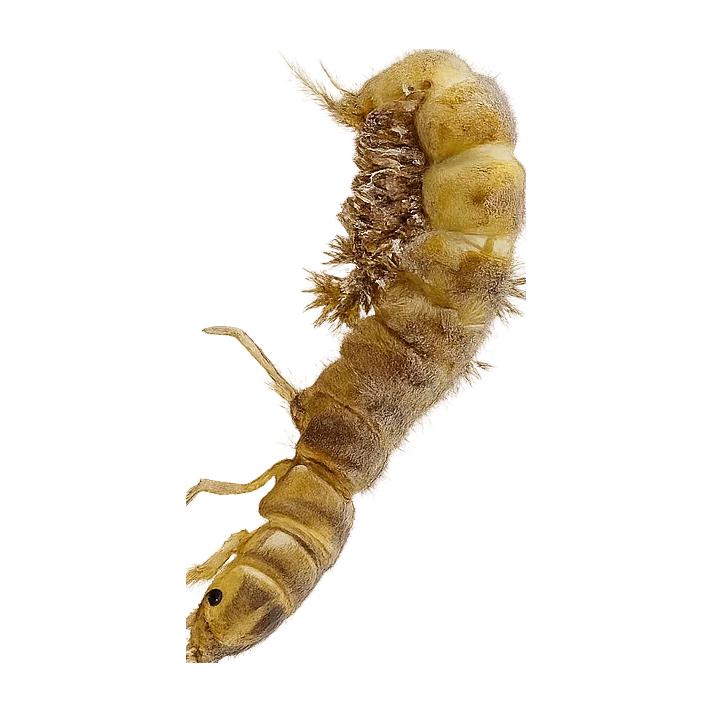
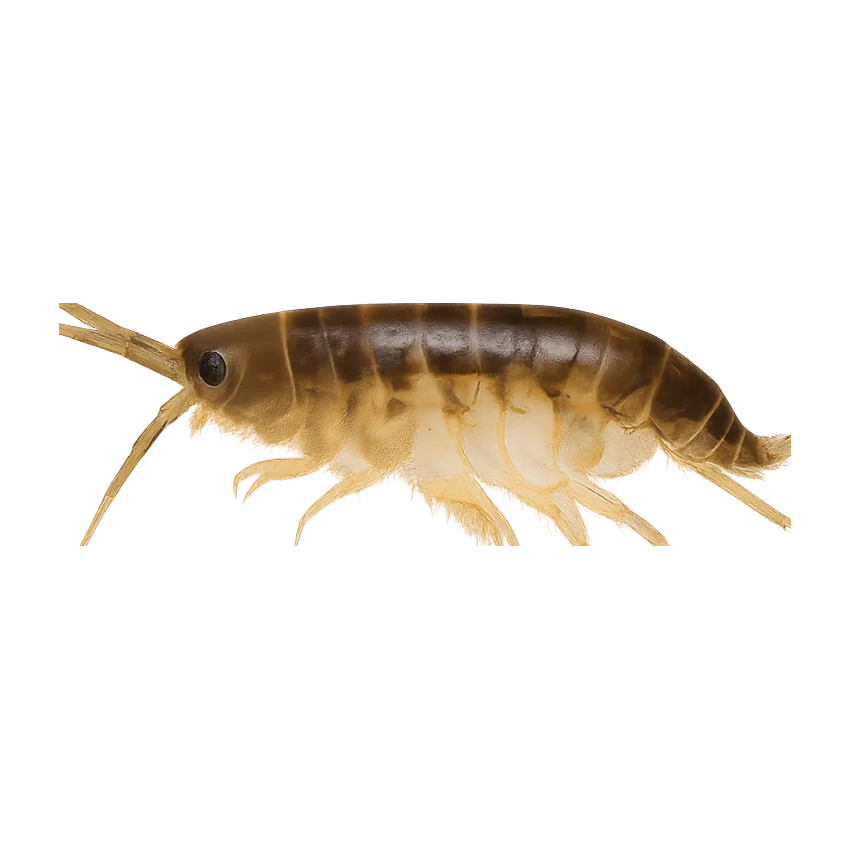
Hatch timeline · todayQuiet day

Hatch predictions

Today's headline hatch shown — see all 8 active hatches hour by hour with Pro.

Start free trial

14-day free trial. Cancel anytime.

Evidence
Survey-backed · regionalModerate confidence

Backed by regional invertebrate surveys; no sampling on this exact reach yet.

Through the year
0–3 scale · July highlighted
J
F
M
A
M
J
J
A
S
O
N
D
Trout seasonSeason
1
2
2
2
2
2
1
Grayling seasonSeason
1
2
2
2
1
GrannomHatch
2
2
Evening SedgeHatch
2
3
3
3
2
Large Dark OliveHatch
1
2
2
1
Iron BlueHatch
1
2
2
1

Numbers are intensity 0 (none) to 3 (peak) — a guide, not a guarantee.

Ranked for today
Brown Trout fly box
Permits & access
Permit required — see local rules.
  • AAPPMA du Lison
  • Some beats have fly-only and no-kill rules
  • Pay attention to closed zones protecting the source.
What's coming
Plan ahead
5-day outlook
Water here around 18°C. Nothing cooler within range — carry a thermometer.
About this water

The Lison starts in the most theatrical fashion of any trout stream in France — as a full-sized river vaulting out of a cave mouth at Nans-sous-Sainte-Anne, clear as vodka and cold enough to make your wrist ache when you dip it in. Within fifty metres it's a proper river with proper fish. It joins the Loue after twenty-odd kilometres of mostly wooded, mostly wadeable limestone water, and along the way it holds wild brown trout and some of the most obliging grayling in the Jura. Obliging, that is, until they've been cast over once. After that they revert to being grayling. The upper river fishes like a spring creek — small flies, clean presentation, fish that sit pinned to the bottom between rises. The lower river opens into glides you can cover with a nymph rig and a reasonable expectation of a fish on every other run.

  • Limestone
Water quality (WFD)
  • EcologyGood
  • ChemicalUnknown

WFD classification · FRDR11865

The full read · show the working · for brown trout · confidence 90%
How the 40 is built — score × weight = contribution
Temperature56 × 28%15.7
Flow80 × 22%17.6
Clarity95 × 18%17.1
Feeding Time65 × 13%8.5
Pressure80 × 7%5.6
Insect activity60 × 12%7.2
Conditions total= 72
Can you trust it?
Water temperatureair-to-water estimateestimated
Level / flowproxy via Loueproxy
Prey activitysurvey-backed invertebrate datasurvey
What would change the calculation
Cooler water — back toward the 10–16 °C ideal band — would lift the score and ease welfare.
The dawn and dusk windows score higher than the midday lull.
Directions
Seasons & zones
  • Trout2nd Saturday of March → 3rd Sunday of September
  • Grayling3rd Saturday of May → 3rd Sunday of September
Related guides
Booking & contacts