
 Stoneflies
 Caddisflies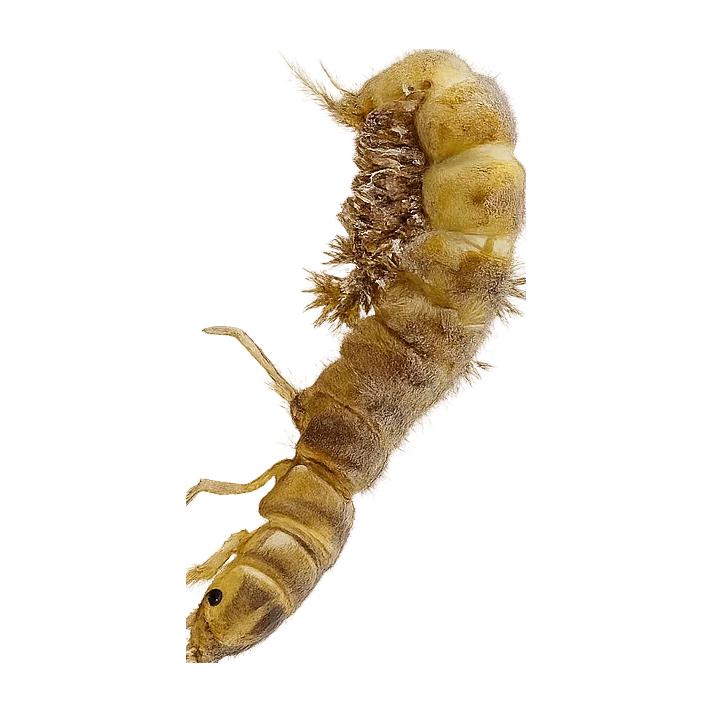
 Gammarids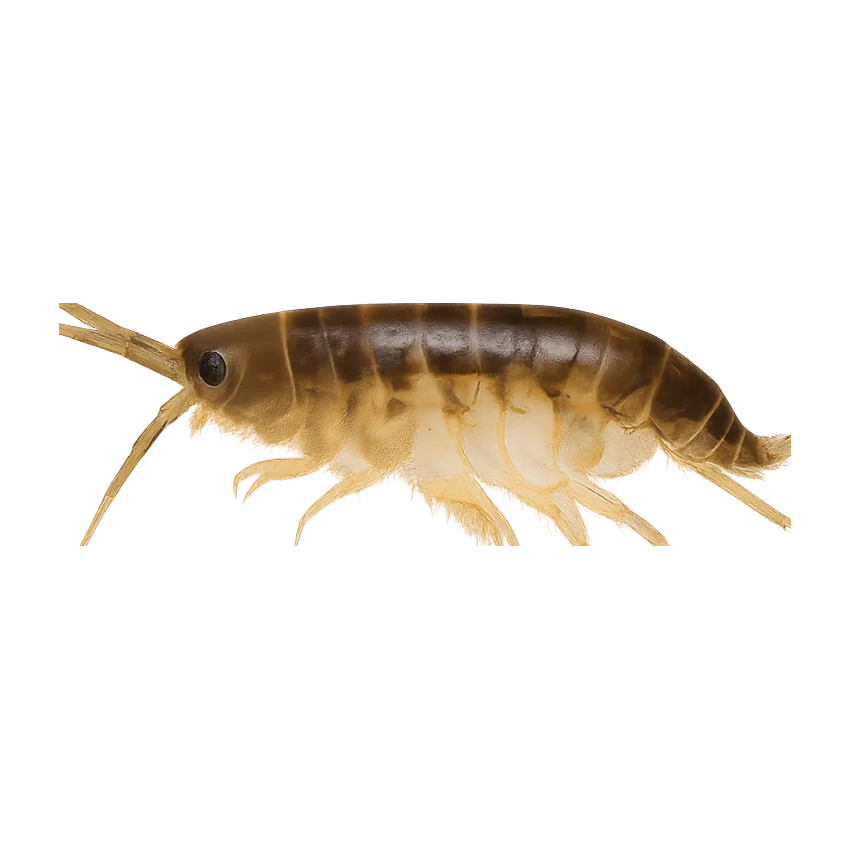

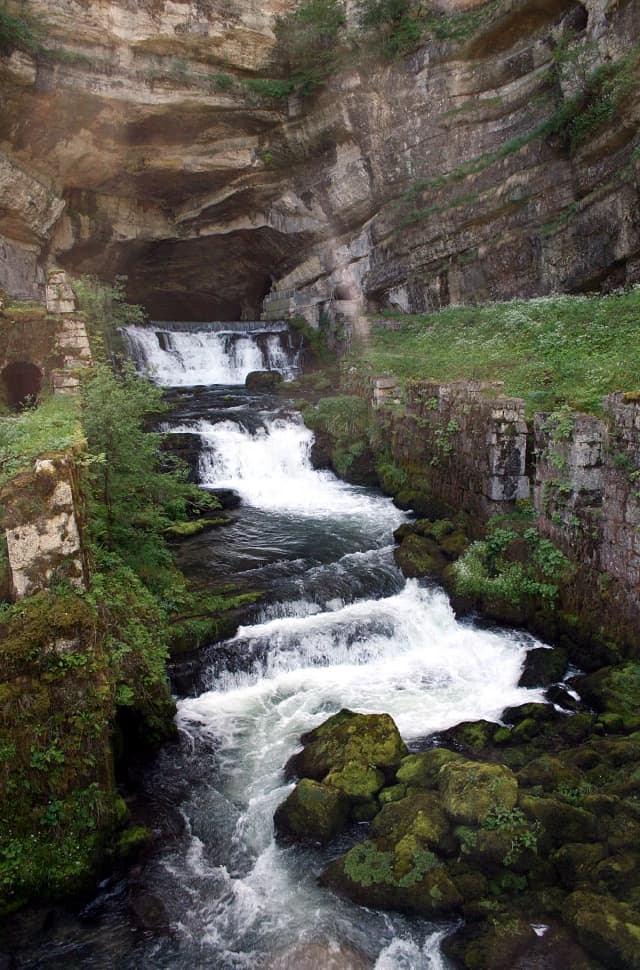
The Loue emerges from the Jura limestone with the composure of a river that knows its station — crystal clear, precisely held at the temperature refined water ought to be, and home to trout that have attended to their education for two centuries. This is the river the competitors come to, the water where leader strength matters as much as knot-tying skill. The gorge above the main beats offers spectacle in its proper place, but the real theatre is in the individual rising trout, the precise presentation demanded, and the quiet satisfaction of a fly accepted by a fish that has examined it with aristocratic indifference beforehand. The Loue asks for small dry flies (16–18) worked upstream to genuinely rising fish, and when the hatch ends, small nymphs in the current seams that speak to the water's limestone clarity. Grayling hold year-round in the lower reaches and offer elegant sport in autumn and winter. Spring-fed consistency means summer brings excellent evening sedge hatches and the slower, steadier work of competition nymphing—twelve to fourteen-foot leaders, precise team tactics, very fine tippets. Access is by beats only; advance booking is not optional. This is a river for those who understand that in French trout culture, restraint and precision are not constraints—they are invitations.
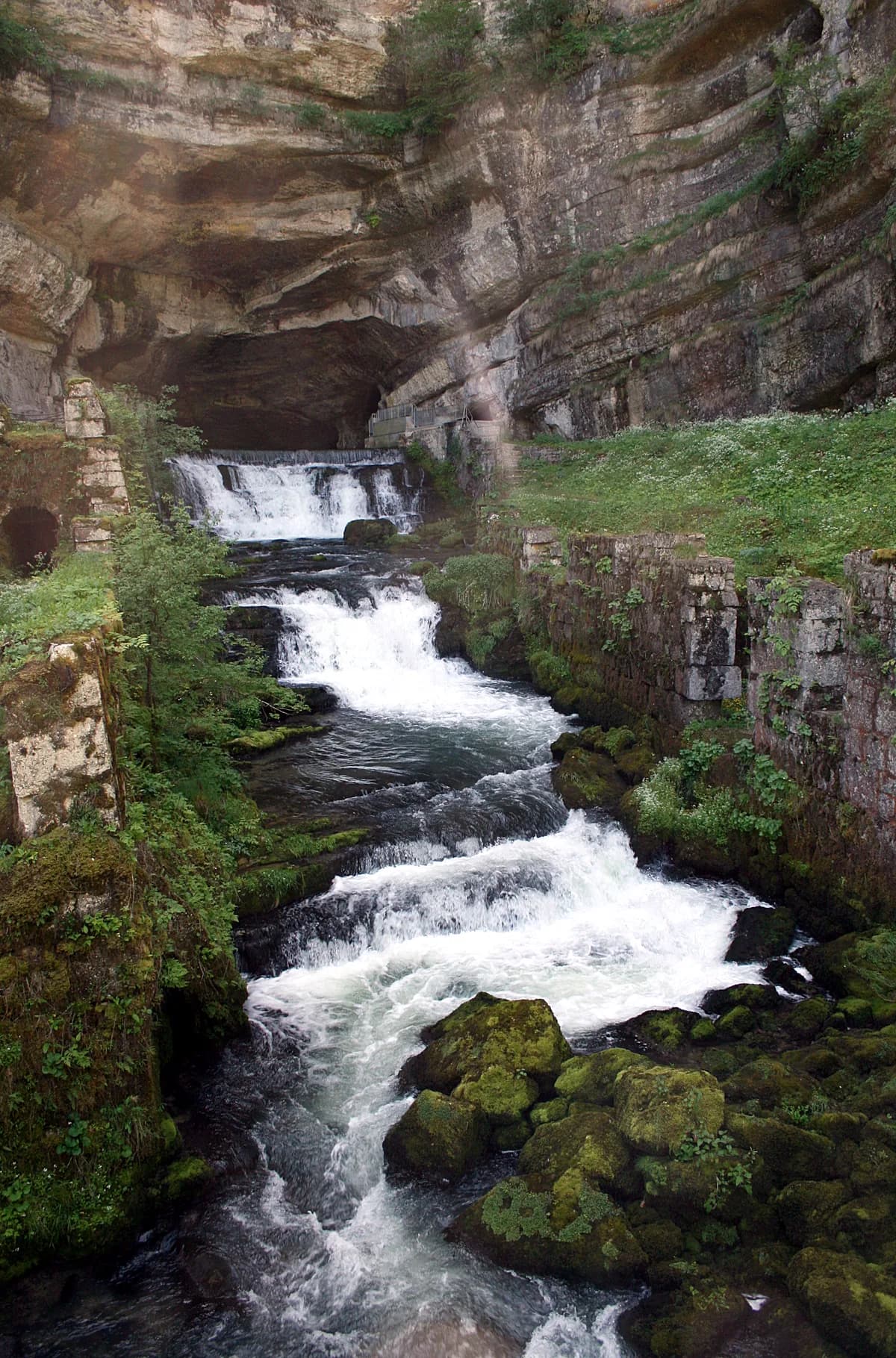
The Loue announces itself in the most dramatic way — it emerges, full-sized and urgent, from beneath a limestone cliff in the Jura Mountains at the base of the rocky corrie near Ouhans. For 122 kilometres from that karst arrival to its confluence with the Doubs below Dole, the river runs through country that remembers it was once underground, still shaped by that subterranean origin. The upper gorge is confined and bedrock-focused — the river forced through its own limestone channel, plunge pools funnelling into the joints, the banks draped in tufa that grows from the very water itself. The tufa is pale and intricate; it's calcareous and durable, and it catches algae in winter and drapes with biofilm. That's where the wading becomes treacherous — the tufa-coated slabs are glazed and insecure in the gorge reaches. Below Ornans the valley opens. The gorge relents and the river settles into partly-confined pool-riffle sequences on limestone cobble that's well-sorted and clean, gravel bars where the current has done the geological work. The Lison arrives quietly from the east at Châtillon-sur-Lison, tributary to tributary in a landscape where water has shaped the stone for millennia. The Loue's essential character is karst — most of its flow is spring water arriving from underground reservoirs. That means the bed is stable; the dominant substrate rarely shifts except in extreme events. You know the Loue by its clarity and by the particular confidence of a river that emerges fully formed. The wading through the pool-riffle middle reaches is secure once you read the limestone; it's the gorge where commitment is required.
Wading: Algal biofilm on tufa coated limestone slabs
In chalk-spring and karst trout systems, generally stable temperatures broaden olive and other mayfly activity from early spring into autumn, with strong evening caddis, steady subsurface scuds and buzzers where clear groundwater and weedbeds develop, and terrestrials from meadow and woodland banks rounding out the food calendar, depending on how fast each river drops and clears after rain.
- Limestone
- Mixed
- Bedrock gorge
- Pool riffle