
 Mayflies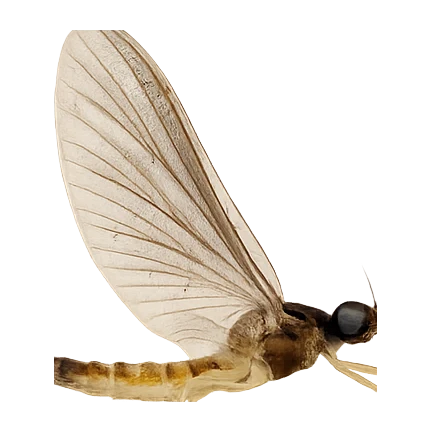
 Stoneflies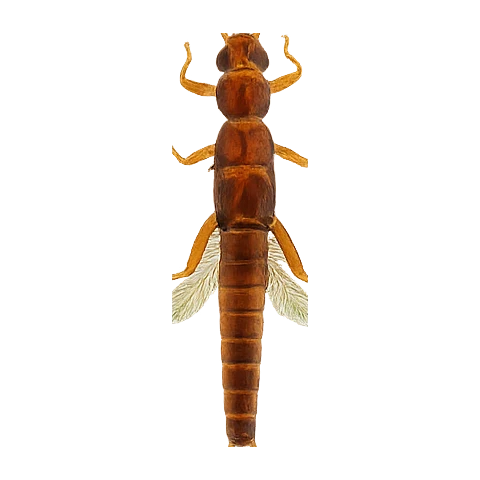
 Caddisflies
 Damselflies & dragonflies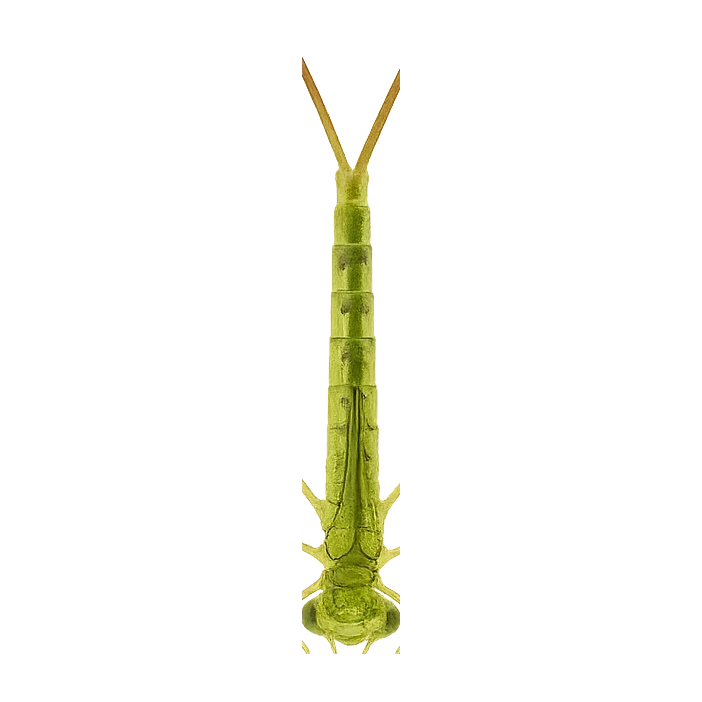
 Gammarids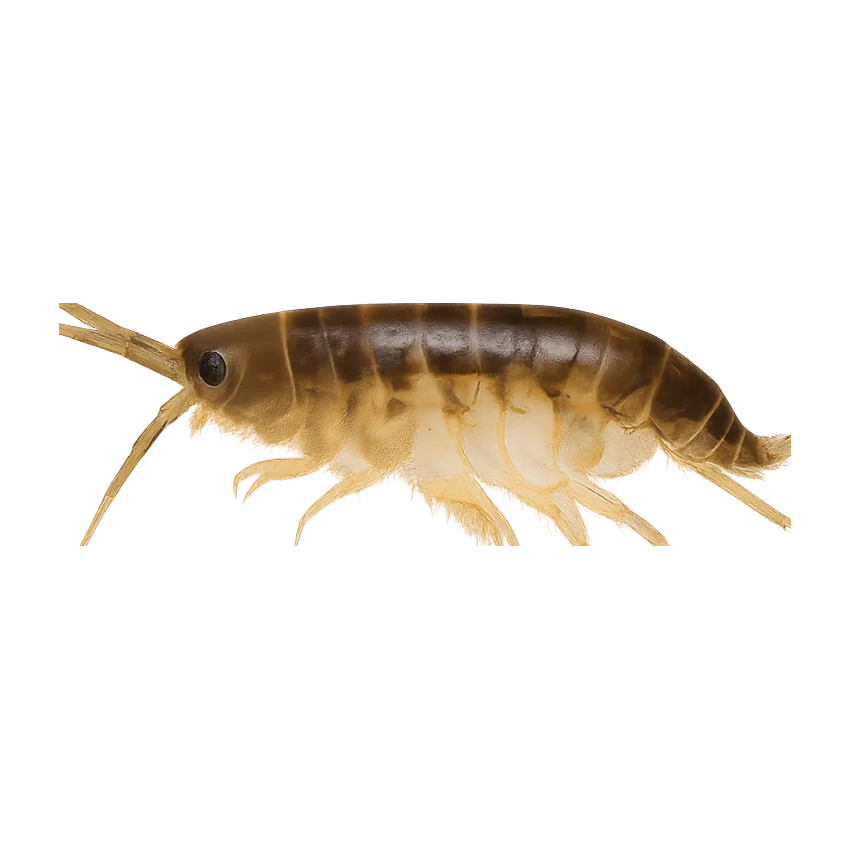

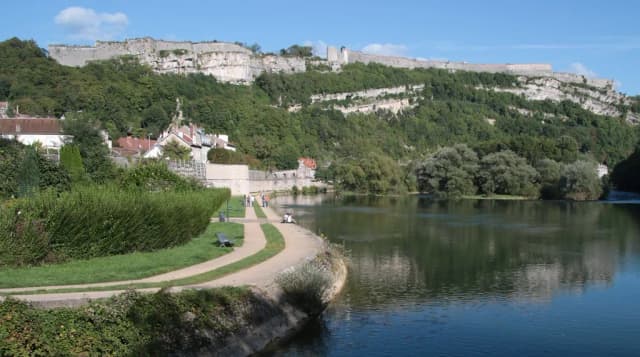
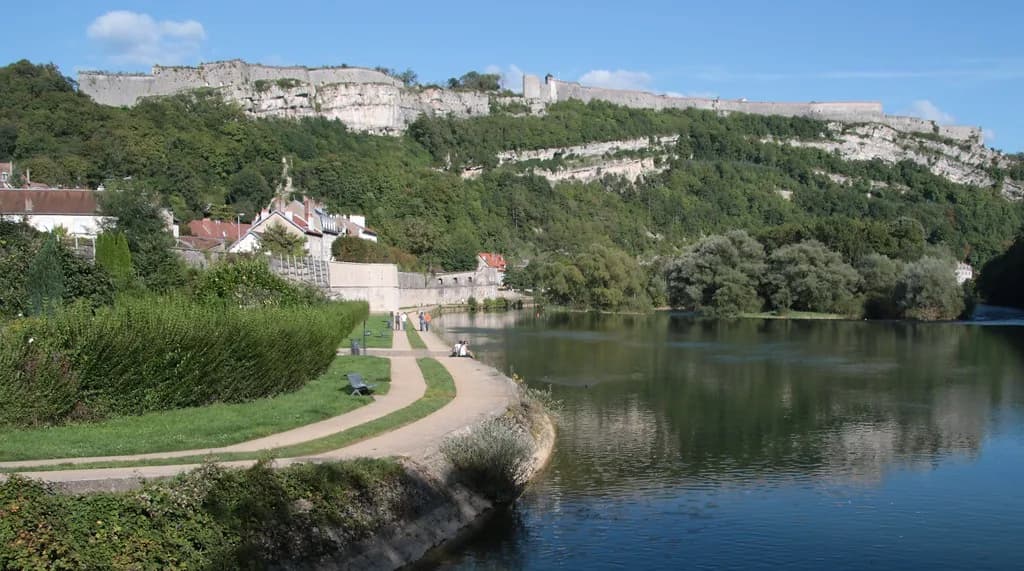
The upper Doubs is one of the most argued-about rivers in Europe, and deservedly so. It rises in the French Jura, runs north to Switzerland, forms the border for thirty kilometres, and then re-enters France to begin its long loop back south. On paper it should be a world-beater — limestone bedrock, cold plateau springs, prolific hatches, legendary trout and grayling stocks, and a century of serious fly-fishing heritage. In practice the last twenty years have been hard. Low summer discharge, thermal stress, agricultural and urban pollution, cormorant pressure, and a mysterious recurrent saprolegniosis outbreak have all taken their toll. The fish are still there and the river is still beautiful, but the numbers are a fraction of what they were and the management is a cross-border argument between two countries and several interest groups. If you go, go with realistic expectations. Spring is the honest season. Bring your respect for a recovering river and don't kill anything. When the upper Doubs is on — a cool morning in May with olive duns drifting through a glide — it still reminds you why people cared about it in the first place, and why they're fighting to get it back.
In chalk-spring and karst trout systems, generally stable temperatures broaden olive and other mayfly activity from early spring into autumn, with strong evening caddis, steady subsurface scuds and buzzers where clear groundwater and weedbeds develop, and terrestrials from meadow and woodland banks rounding out the food calendar, depending on how fast each river drops and clears after rain.
- Limestone