Karst · Limestone · Jura / Doubs, FR

Cusancin

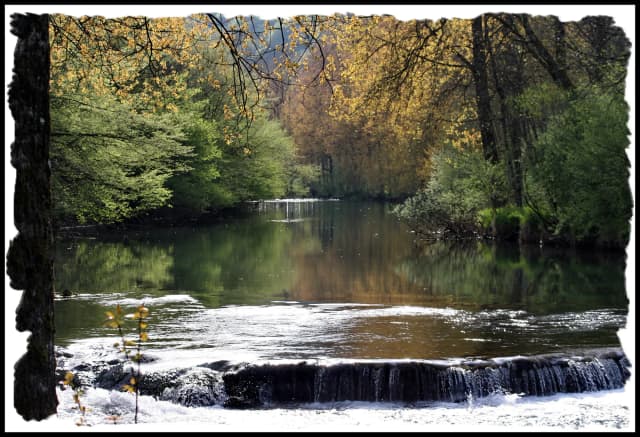
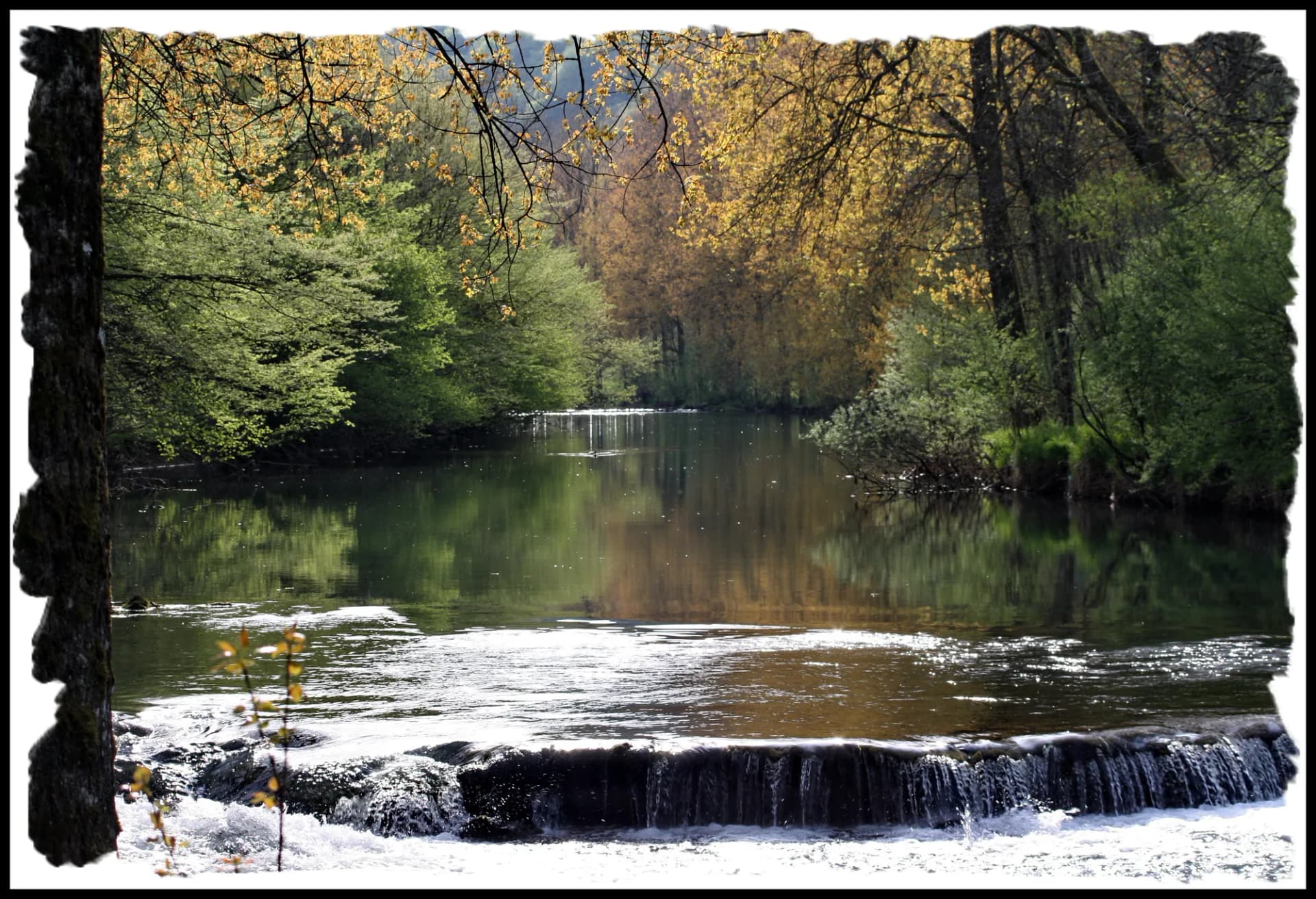
A small clear river flowing over a low weir, lined with autumn trees, in the Cusancin valley, France.

The Cusancin is a short, secretive limestone tributary of the Doubs that rises at two resurgence springs at Cusance and runs for maybe fifteen kilometres before joining the Doubs at Baume-les-Dames.

Poor · Brown Trout
Pheasant Tail Nymph · 14–18
Closed season
Out of season. Try elsewhere.
Closed — confidence not applicable today.
What moved it
  • Level0.43 mLast reading 3h ago
  • Water temp9.9°C
  • ClarityClear
Today's fly
Pheasant Tail Nymph
Pheasant Tail Nymph14–18
Upstream
Conditions on the water
Live gauge
Level
Steady
0.43 m
Last reading 3h ago
Water temp9.9°C
ClarityClear
Weather2°C
WindE 17 km/h
Pressure1018 hPa
Rain · recent4.1 mm
Rain · ahead10.1 mm

The nearest gauge doesn't record temperatures, so we've estimated it — defer to the river keeper's advice.

Water temperature for Brown Trout
Cool — slow
10°C est.ideal 10–16°C
0°14°28°
How to fish it · for Brown Trout
When
Through the open trout season. The Cusancin is small intimate karst water — read each lie carefully. Spring olives, summer sedges, autumn small flies.
Where
Pool tails, weeded glides, the cushion behind chalk boulders. The Cusancin is short and small-scale — short casts, careful approach.
Method
Upstream dry to spotted rising fish; long fine leader. The water reads clear — careful approach matters more than fly choice. Move slowly upstream, cast accurately, accept the result.
Kit
9 ft #4 — French karst-stream default. Floating line, 14 ft leader to 4 lb fluoro. Polarising glasses non-negotiable.
Likely species
Hatch timeline · todayQuiet day

Hatch predictions

Today's headline hatch shown — see all 6 active hatches hour by hour as a supporter.

Start free trial

14-day free trial. Cancel anytime.

Sub-surface · on the nymphunder the surface

Hatch predictions

Top nymph shown — see all 4 guilds as a supporter.

Start free trial

14-day free trial. Cancel anytime.

Beyond the hatch · worth watchingambient prey(1)

Hatch predictions

Top prey shown — see all 2 as a supporter.

Start free trial

14-day free trial. Cancel anytime.

Evidence
Survey-backed · regionalHigh confidence

Backed by regional invertebrate surveys; no sampling on this exact reach yet.

Through the year
0–3 scale · November highlighted
J
F
M
A
M
J
J
A
S
O
N
D
Trout seasonSeason
1
2
2
2
2
2
1
Grayling seasonSeason
1
2
2
2
1
Freshwater ShrimpHatch
2
3
3
3
3
3
3
3
3
3
3
2
Brown SedgeHatch
2
3
3
3
2
Small SpurwingHatch
2
3
3
3
2
Small Dark OliveHatch
2
3
3
3
2

Numbers are intensity 0 (none) to 3 (peak) — a guide, not a guarantee.

Ranked for today
Brown Trout fly box

Sight-nymphing and technical dry-fly fishing on very clear trout and grayling rivers, with strong mayfly and sedge windows and highly selective fish.

SS
Small Streamer
6–10 · Pattern
Swing
Permits & access
Permit required — see local rules.
  • AAPPMA permits required
  • Some beats private; fly-only and no-kill parcours on parts of the river
  • Low limits and short rods recommended.
What's coming
Plan ahead
5-day outlook
Other water nearby · 5
Gallery · 2
  1. A small clear river flowing over a low weir, lined with autumn trees, in the Cusancin valley, France.
    cusancin
  2. Terrain map of the venue
    Terrain map
About this water

It has no business holding the quality of fish it holds. The water emerges from the Jura plateau cold and clear and stays that way through the worst of August, which is exactly when other Franche-Comté rivers are gasping. Wild brown trout and grayling are both present and both take fly life seriously. This is a proper spring creek — the kind of water where you can stand above a glide, watch three fish working different lanes, and take twenty minutes to pick the one you want to try first. The river is narrow enough that a wrong cast puts everything down, and the fish are educated enough that you won't get many second chances. Fish it when you're feeling patient.

Hatches & food

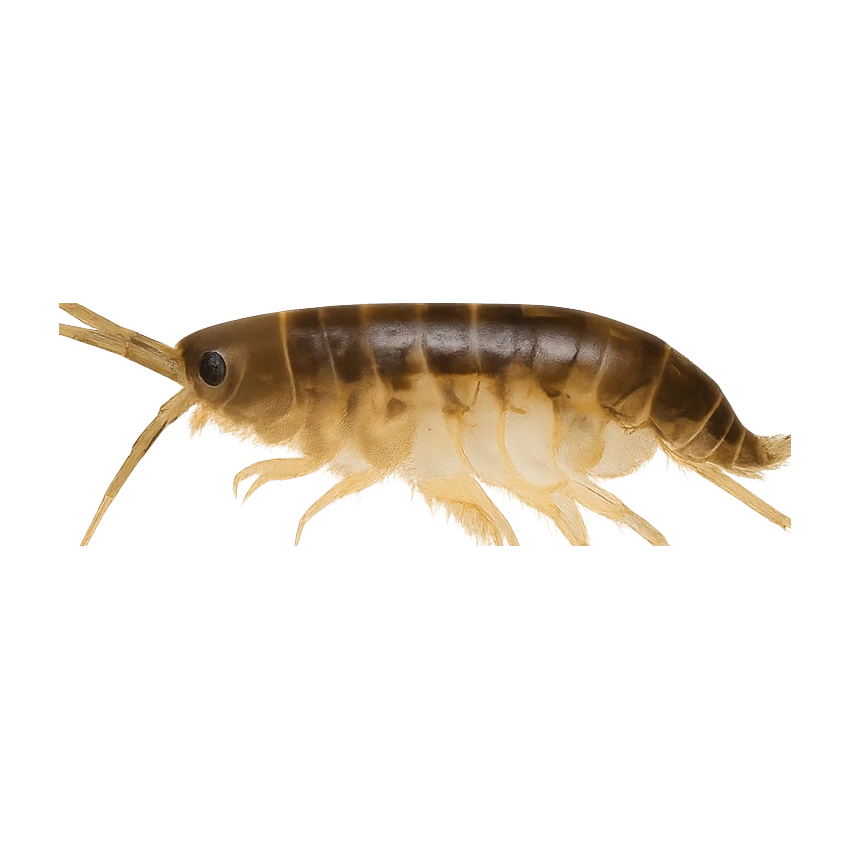
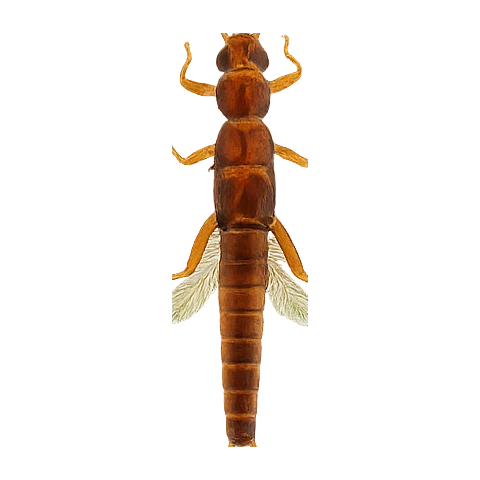
In chalk-spring and karst trout systems, generally stable temperatures broaden olive and other mayfly activity from early spring into autumn, with strong evening caddis, steady subsurface scuds and buzzers where clear groundwater and weedbeds develop, and terrestrials from meadow and woodland banks rounding out the food calendar, depending on how fast each river drops and clears after rain.

  • Limestone
Water quality (WFD)
  • Ecology: Moderate
  • Chemical: Unknown
What this classification means

WFD ecological status Good → Moderate corrected to EEA WISE 2022 (3rd RBMP) classification for waterbody FRDR11271 (was a stale earlier-cycle value). Source: EEA WISE SWB_SurfaceWaterBody (discodata.eea.europa.eu), verified 2026-06-18.

WFD classification · FRDR11271

The full read · show the working · for Brown Trout · confidence 75%
How the 0 is built — score × weight = contribution
Temperature98 × 28%27.4
Flow80 × 22%17.6
Clarity95 × 18%17.1
Feeding Time45 × 13%5.9
Pressure80 × 7%5.6
Insect activity56 × 12%6.7
Conditions total= 80
Can you trust it?
Water temperatureair-to-water estimateestimated
Level / flowon-river gaugeobserved
Prey activitysurvey-backed invertebrate datasurvey
What would change the calculation
The dawn and dusk windows score higher than the midday lull.
Directions
Seasons & zones
  • Trout 2nd Saturday of March → 3rd Sunday of September
  • Grayling 3rd Saturday of May → 3rd Sunday of September

    France national rule: grayling opens 3rd Saturday of May in all waters. In 1st category (salmonid) rivers, grayling closes with the trout season on the 3rd Sunday of September. Departmental regulations may impose additional restrictions. Always check the relevant département's 2026 arrêté préfectoral.

Related guides
Booking & contacts
At a glance

Cusancin is a karst river in Jura / Doubs, France. Its recorded elevation is about 281 m above sea level and the catchment geology is limestone. The river is described as roughly 15 km long. Our data lists brown trout and grayling here. The trout season is recorded as running from 2nd Saturday of March to 3rd Sunday of September. The grayling season is recorded as running from 3rd Saturday of May to 3rd Sunday of September. Best window recorded for anglers: April–June, September. Core methods listed: Dry fly; sight nymphing. Level and flow data for this water is linked from 1 gauge. Its Water Framework Directive ecological status is recorded as moderate. Access is recorded as day tickets through the local AAPPMA (angling association). Nearby waters in our listings include Reverotte at 20 km, Les piscicultures Côte at 26 km and Loue at 29 km.