
 Stoneflies
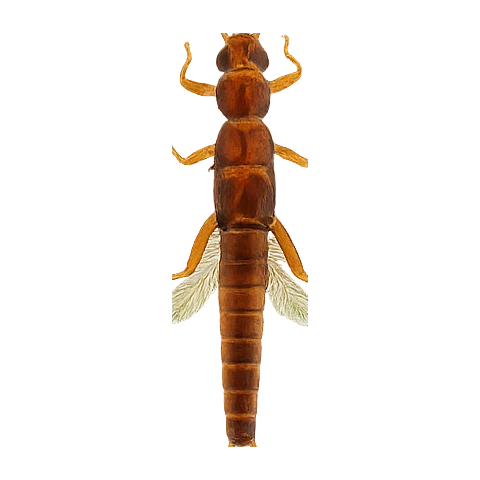
 Caddisflies
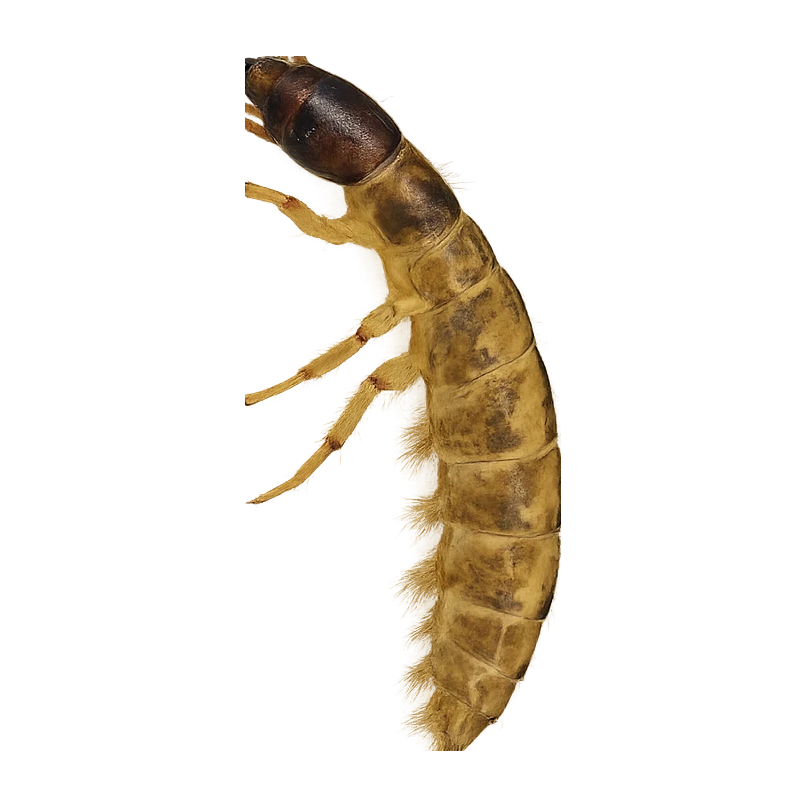
 Gammarids
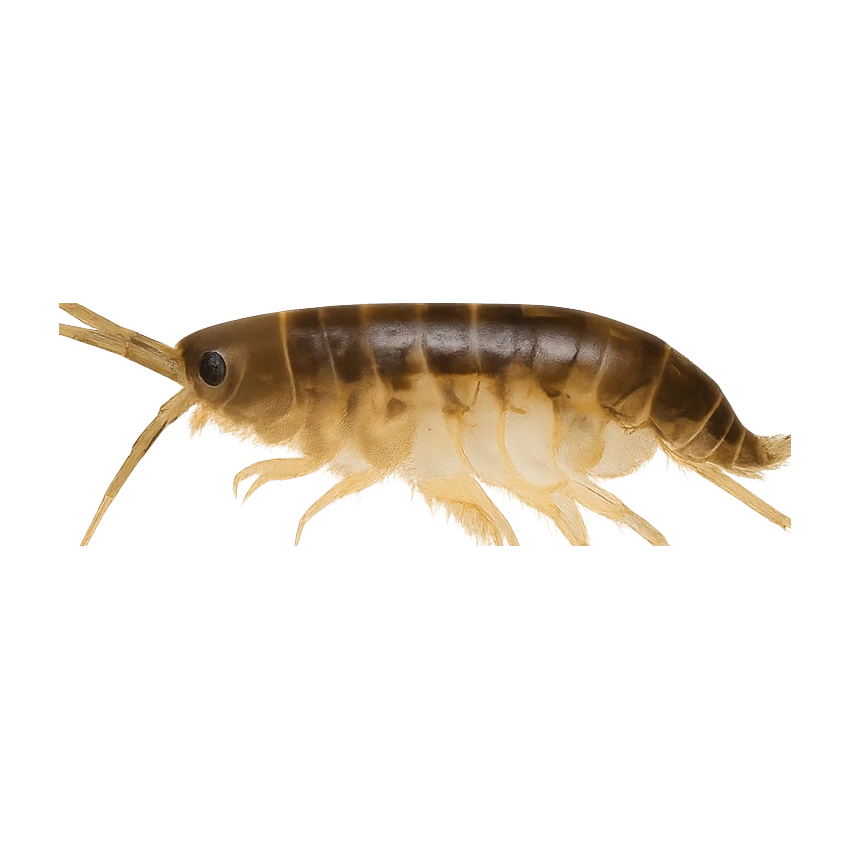

Clear, steady flow through mixed woodland with grayling, brown trout, and sea trout. National park sections have special regulations and limited access — worth the complexity.
- Mixed
Hatch predictions
Today's headline hatch shown — see all 5 active hatches hour by hour as a supporter.
Start free trial14-day free trial. Cancel anytime.
Hatch predictions
Top nymph shown — see all 3 guilds as a supporter.
Start free trial14-day free trial. Cancel anytime.
Hatch predictions
Top prey shown — see all 2 as a supporter.
Start free trial14-day free trial. Cancel anytime.
Based on species-occurrence records, not local invertebrate surveys.
Numbers are intensity 0 (none) to 3 (peak) — a guide, not a guarantee.
Southern Polish trout and grayling rivers led by the Dunajec model: nymphing by day, dry fly in the evening, streamer as support.
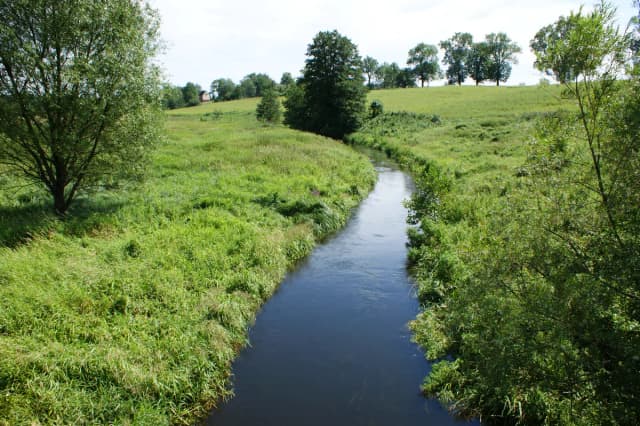
Clear, steady flow through mixed woodland with grayling, brown trout, and sea trout. National park sections have special regulations and limited access — worth the complexity.
WFD classification · PLRW600020188879
Polish PZW rules list sea trout/troć closed in remaining rivers from 1 October to 31 December. Local river and district rules may add method/day restrictions, so this should be a default pending river-specific PZW checks.
Polish PZW national rule: grayling (lipień) protected 1 March – 31 May. Open window 1 June – 28 February. PZW district and water-specific rules may add tighter restrictions. Carpathian rivers (San, Dunajec, Biała, Skawa, Raba) hold excellent grayling — check local Okręg PZW district permit for specific conditions.
Closed in spring for spawning.
Prime sport 1 September → 30 November
National pike protection period is 1 January–30 April; confirmed directly against the PZW Okręg Szczecin 2026 rules with no Drawa-specific exception.
Sea trout: Variable seasonal (2026)

Forest river flowing through Drawieński National Park — one of the best grayling waters in northern Poland.
Hatch predictions
Today's headline hatch shown — see all 5 active hatches hour by hour as a supporter.
Start free trial14-day free trial. Cancel anytime.
Hatch predictions
Top nymph shown — see all 3 guilds as a supporter.
Start free trial14-day free trial. Cancel anytime.
Hatch predictions
Top prey shown — see all 2 as a supporter.
Start free trial14-day free trial. Cancel anytime.
Based on species-occurrence records, not local invertebrate surveys.
Numbers are intensity 0 (none) to 3 (peak) — a guide, not a guarantee.
Southern Polish trout and grayling rivers led by the Dunajec model: nymphing by day, dry fly in the evening, streamer as support.
Clear, steady flow through mixed woodland with grayling, brown trout, and sea trout. National park sections have special regulations and limited access — worth the complexity.
WFD classification · PLRW600020188879
Polish PZW rules list sea trout/troć closed in remaining rivers from 1 October to 31 December. Local river and district rules may add method/day restrictions, so this should be a default pending river-specific PZW checks.
Polish PZW national rule: grayling (lipień) protected 1 March – 31 May. Open window 1 June – 28 February. PZW district and water-specific rules may add tighter restrictions. Carpathian rivers (San, Dunajec, Biała, Skawa, Raba) hold excellent grayling — check local Okręg PZW district permit for specific conditions.
Closed in spring for spawning.
Prime sport 1 September → 30 November
National pike protection period is 1 January–30 April; confirmed directly against the PZW Okręg Szczecin 2026 rules with no Drawa-specific exception.
Sea trout: Variable seasonal (2026)
Drawa is a lowland river in Drawieński National Park / Western Pomerania, Poland. It sits at about 89 m above sea level. The river is described as roughly 192 km long. Our data lists 4 species here, including brown trout, sea trout and grayling. The trout season is recorded as running from 1 April to 30 September. The grayling season is recorded as running from 1 June to 28 February. Core methods listed: Nymph fishing; Dry fly; Small streamer. Level and flow data for this water is linked from 2 gauges. Its Water Framework Directive ecological status is recorded as good.