Flying Ants
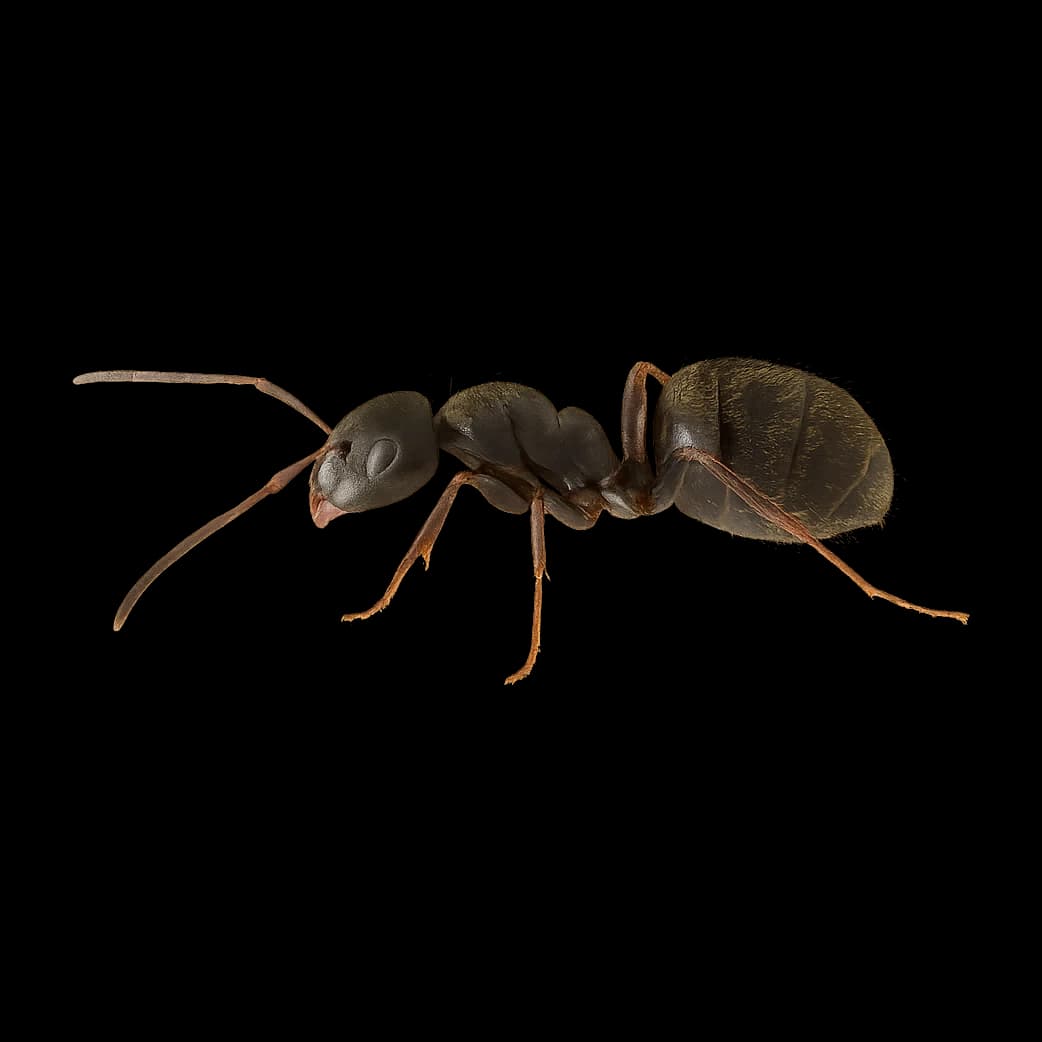
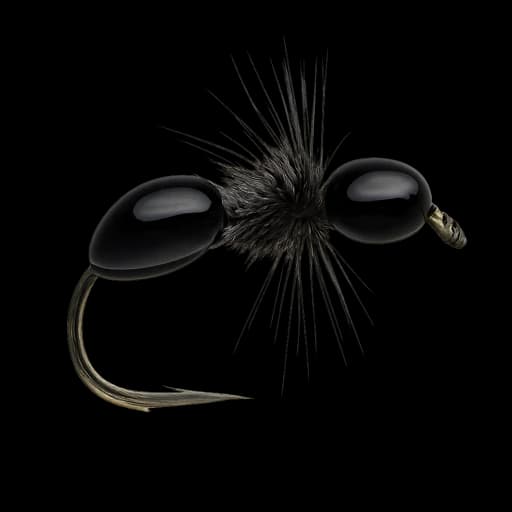
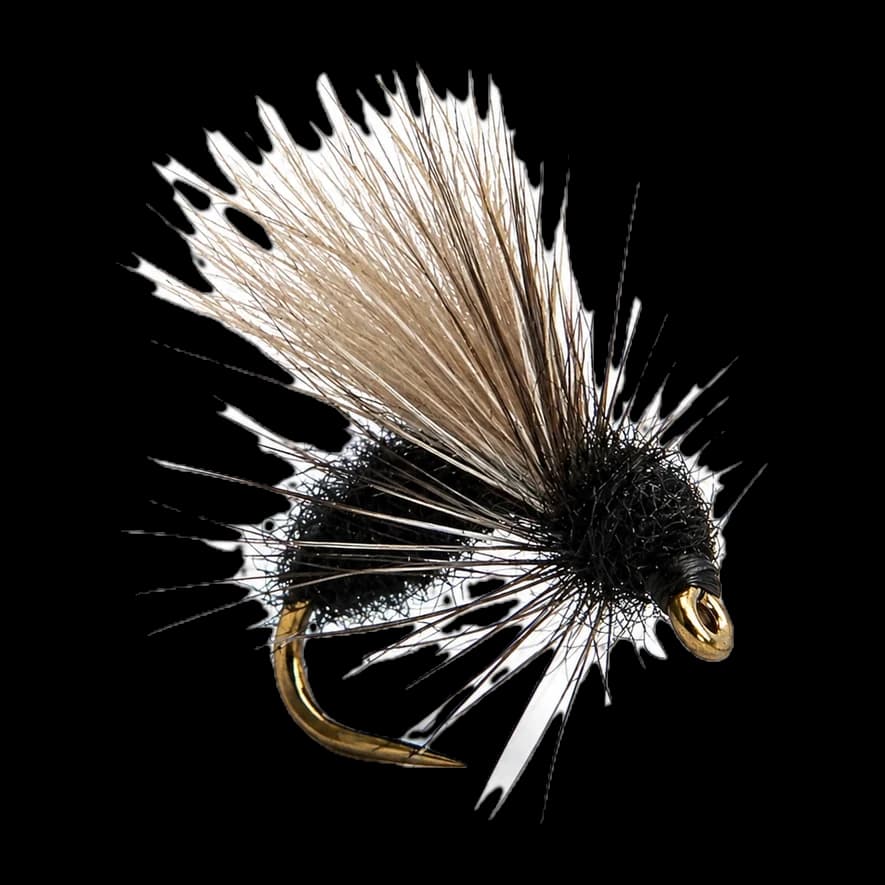
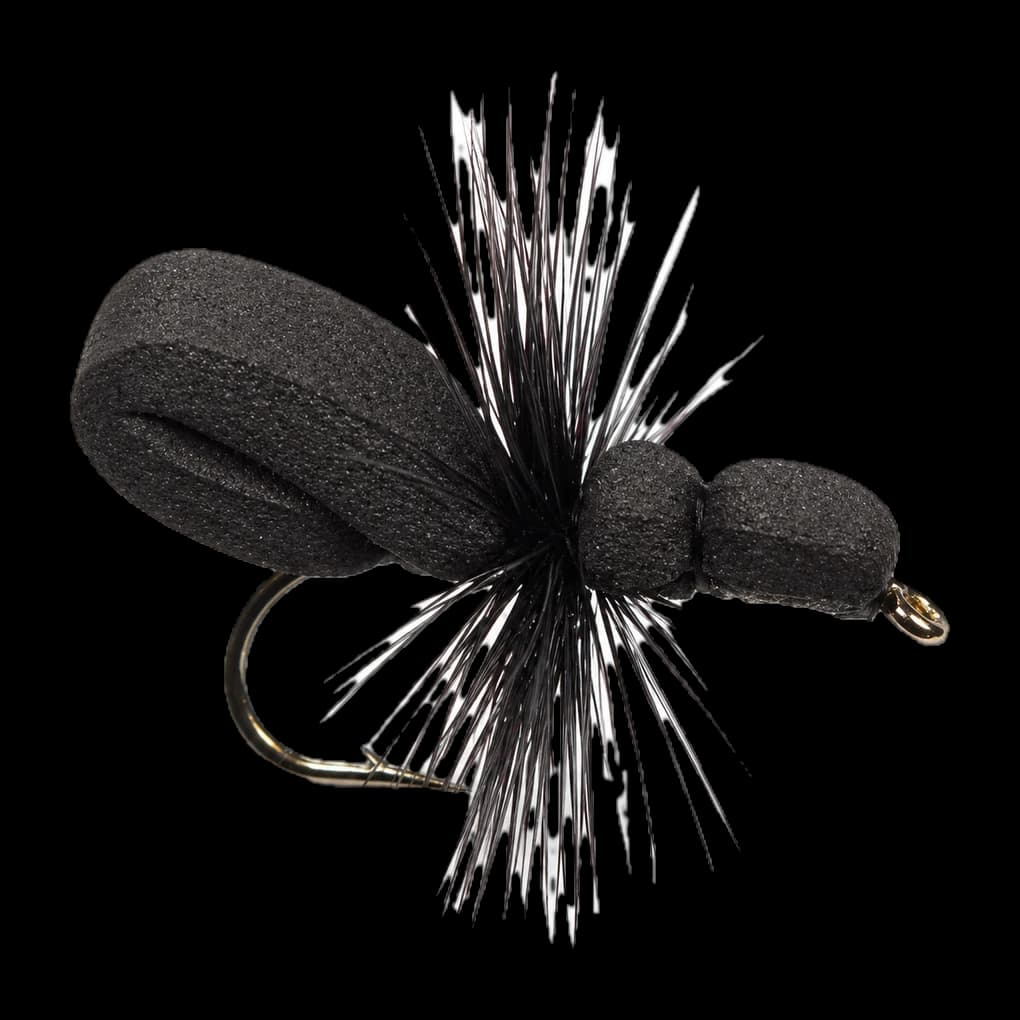
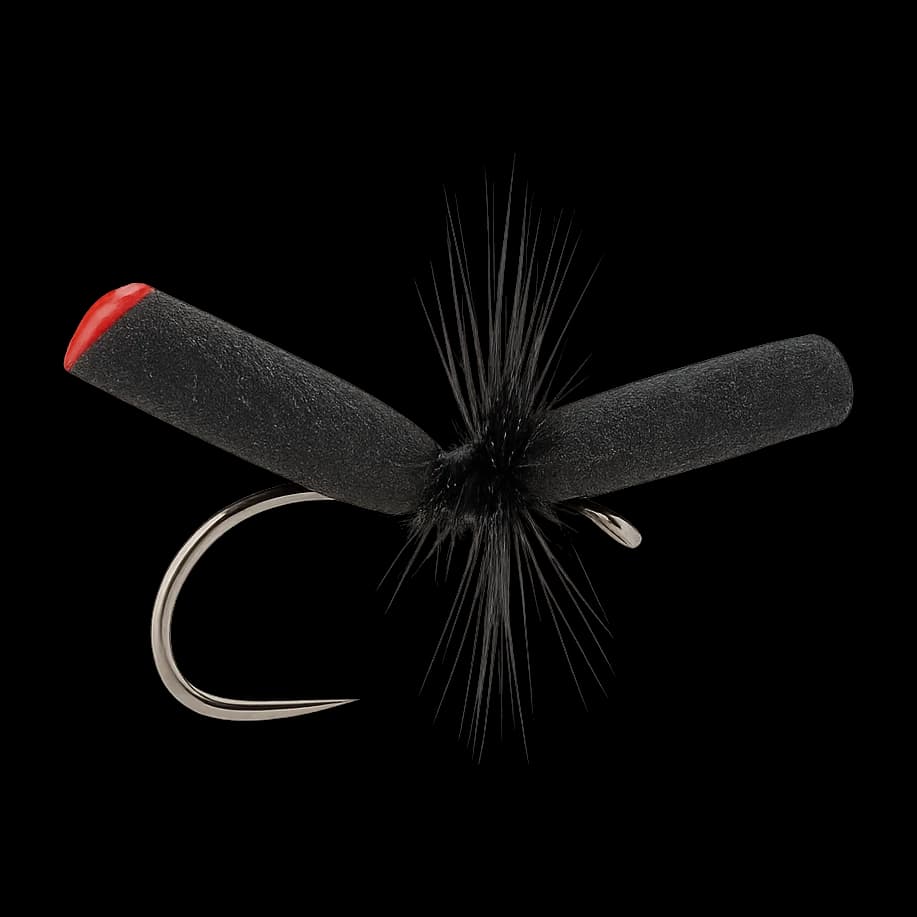
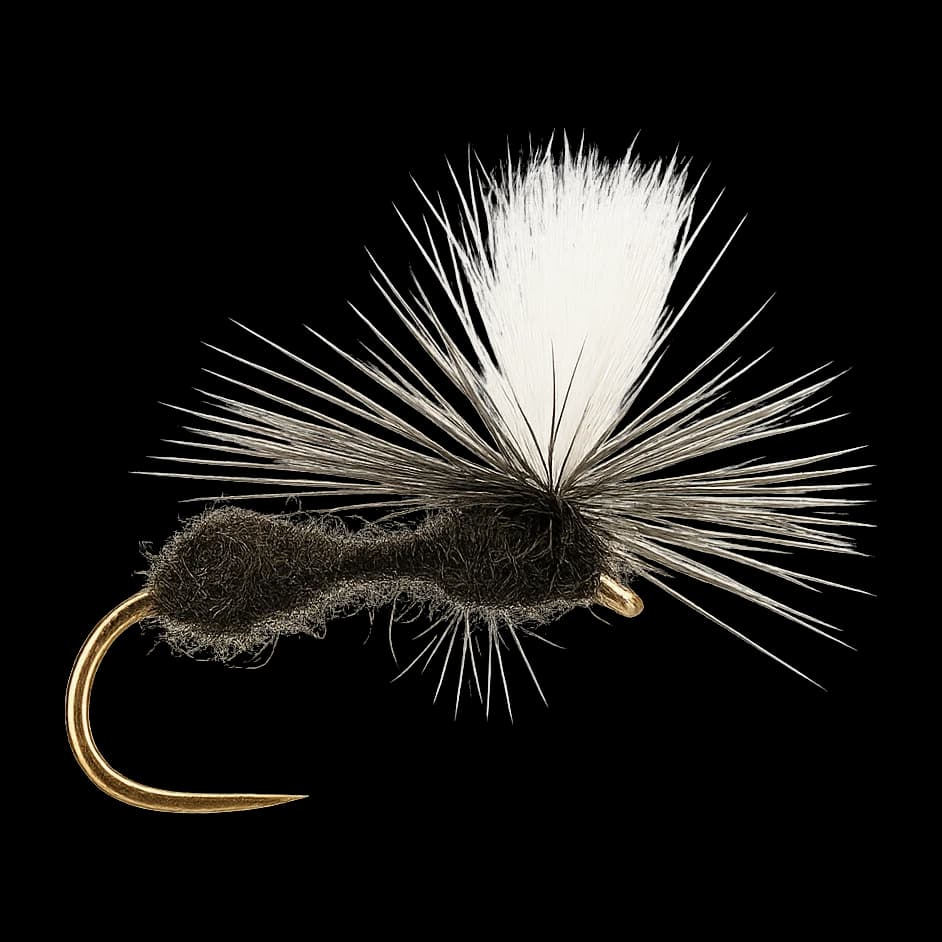
Not a fly to build a season round — most days there is no ant on the water, and a box full of them is wasted space until one specific afternoon arrives. What you're waiting for is a hot, humid, more-or-less still July or August afternoon, often right on the tail of a spell of rain: those are the conditions that trigger every ant colony for miles to launch its nuptial flight at once, and it can happen on a Tuesday as easily as a Saturday. When it does, the fish know before you do — a day of steady, ordinary rises can turn into something close to a frenzy within minutes, with fish taking that ignored everything else you'd shown them all morning. Keep one or two patterns in reserve for exactly that window; the rest of the year they just sit there.
- British IslesPresent
- IberiaPresent
- The AlpsPresent
- ScandinaviaPresent
- Continental EuropePresent
- Atlantic fringePresent
- North America — WestPresent
- North America — EastPresent
- East AsiaPresent
- New ZealandPresent
- PatagoniaPresent
The black garden ant ( Lasius niger ), also known as the common black ant, is a formicine ant, the type species of the subgenus Lasius , found all over Europe and in some parts of North America, South America, Asia and Australasia. The European species was split into two species; L. niger is found in open areas, while L. platythorax is found in forest habitats. It is monogynous, meaning colonies have a single queen.