Duckfly
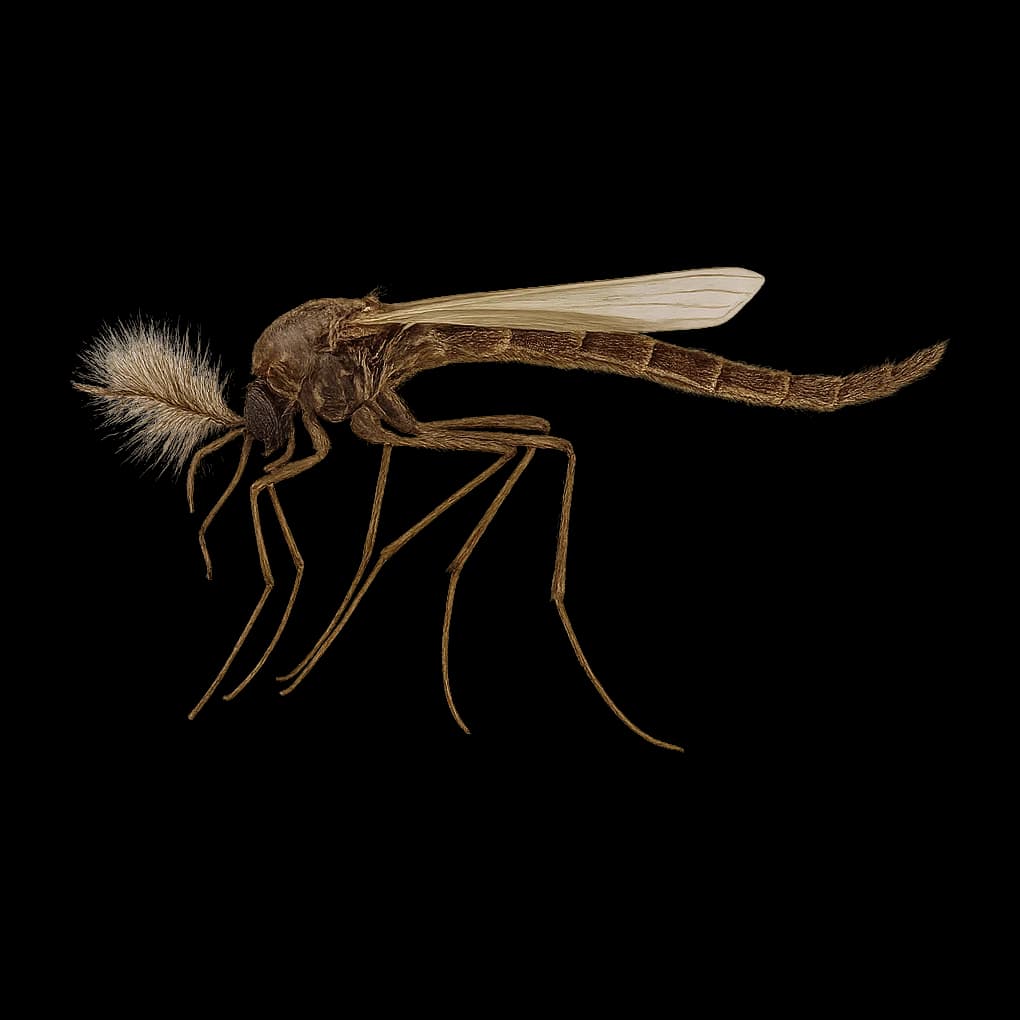
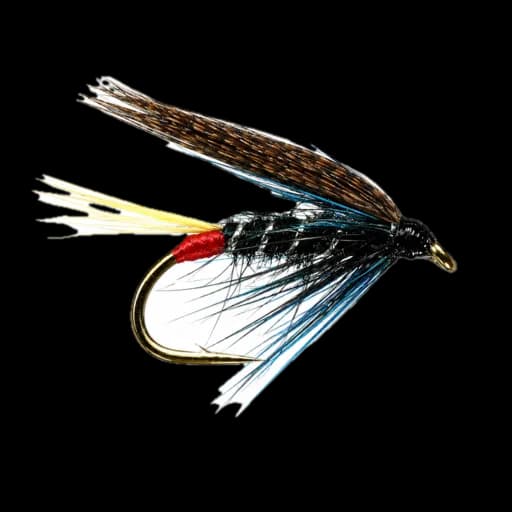
Once up, the fly doesn't linger, and it's rarely the fly that tells you the hatch is on — it's the ducks, working the surface for a fortnight's easy feeding, which is where the name comes from and always has been. Don't confuse it with the Sepia Dun, a genuine mayfly hatching the same weeks on the same loughs; the Duckfly is this midge and no other, and it's the pupa doing the work while the winged fly gets the credit. Worth saying plainly that the name goes no further than Ireland — the same hatch on an English reservoir or a Scottish loch is simply an early buzzer, and no one there will know what you mean by it. Hatching Duckfly, Blae and Black and Sooty Olive earn their place on the cast; there's little to be gained looking past them.
- British IslesCommon
- Atlantic fringeOccasional
- ScandinaviaOccasional
- Continental EuropeScarce
Chironomus anthracinus is a species of fly in the family Chironomidae. It is found in the Palearctic .