Brown Dun
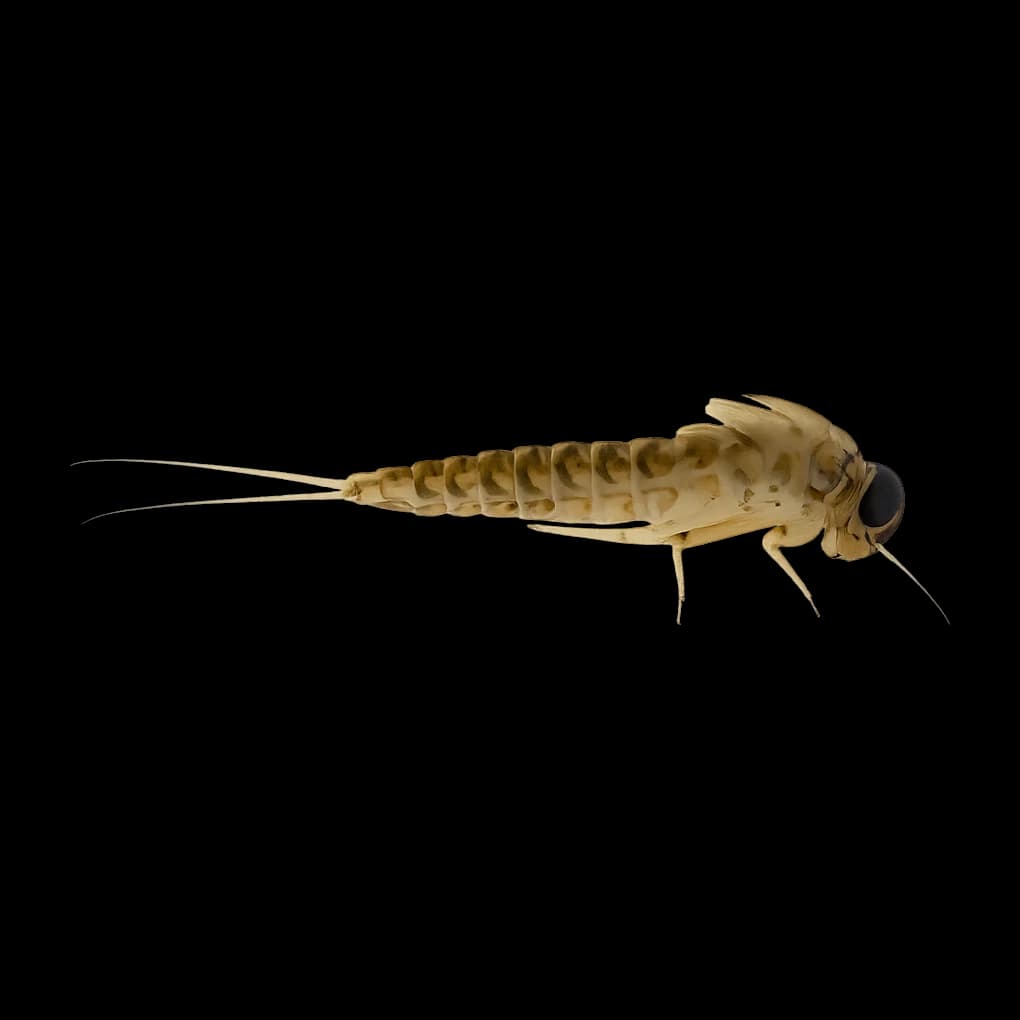
Nymphs are in the water all year, long before and after the hatch window — the season and temperature figures on this card describe when the adults emerge, not when this stage is available. It very nearly always is.
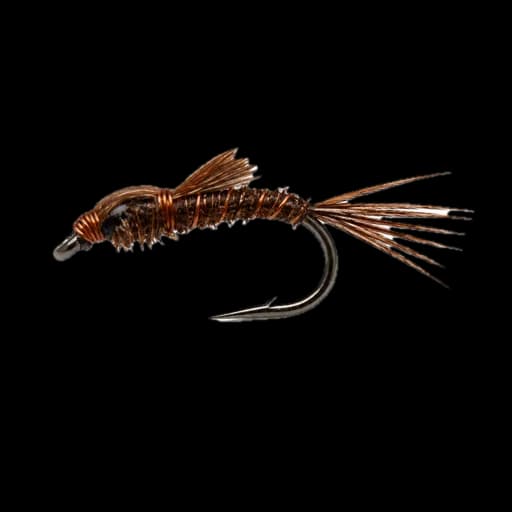
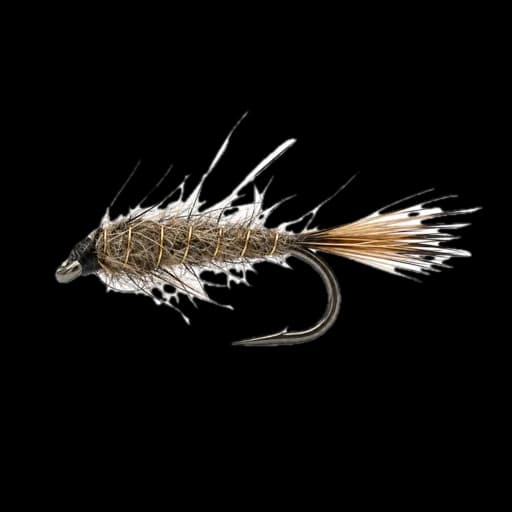
A genuinely fast-swimming nymph of shallow stream margins, and an odd one by mayfly standards: it never concentrates before emerging the way almost every other upwing does. There's no swim-up, no mass vulnerability, no window where the whole population goes at once — emergence is just part of the everyday scatter of things drifting and swimming through the water, which is exactly why this genus has never produced a famous hatch despite being active from February clear through October, mostly in spring and autumn. Duns crawl out onto the bank in late afternoon rather than hatching on the surface, so there's genuinely nothing to fish there. The one real window is after dark, when the spinners come back to lay — a bushy dry fished actively then is the only deliberate presentation this fly rewards; the rest of the time, a Pheasant Tail or Hare's Ear worked through shallow margins is searching water, not a hatch.
- North America — WestPresent
- North America — EastPresent
Ameletus is a genus of mayfly and the type genus of the family Ameletidae.