Freestone · Limestone · Haute-Savoie

Fillière

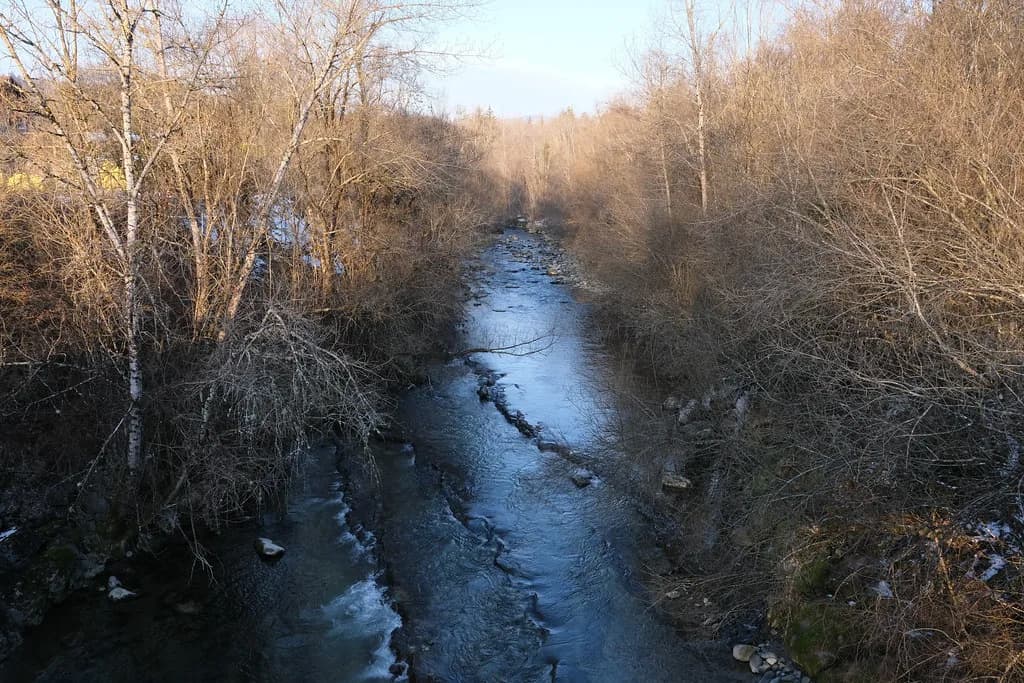
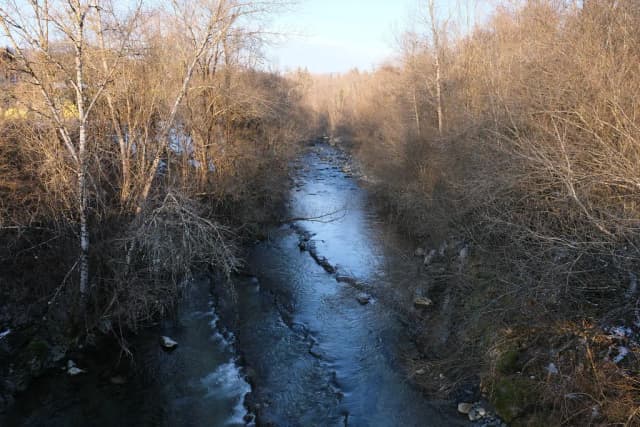
A clear rocky-bedded stream, the Filliere river, flowing between bare winter trees near Les Ollieres, Haute-Savoie, France.
Contributor photo

La Filliere @ Les Ollieres

Guilhem Vellut - CC BY 2.0

The Fillière feeds the Fier from the Bornes massif and carries enough limestone character to behave like a miniature Jura stream — clear, cold, and stubbornly selective.

Poor · Brown Trout
Small Perdigón · 16-20
Poorlive now
Not the day for it
River temperature is the limiting factor today, not the flow. This is not the day to push it. Check the thermal advice above before you head out.
90% confidence
What moved it
  • LevelDry recentlyNo gauge reading
  • Water temp22.0°C
  • ClarityClear
Today’s fly
Small Perdigón
Small Perdigón16-20
Euro-nymph
Conditions on the water
Estimate
Level
Dry recently
No gauge reading
Water temp22.0°C
ClarityClear
Weather24°C
WindE 4 km/h
Pressure1016 hPa
Rain · recent0.0 mm
Rain · ahead21.9 mm

No gauge on this water — readings are regional estimates from weather, not a live gauge.

Water temperature for brown trout
Warm — slow
22°C est.ideal 1016°C
0°14°28°
How to fish it · for brown trout
When
Nymphing can work through most of the day.
Where
Cover mixed depths.
Method
Start with tight-line nymphs and adjust if fish rise or drift higher.
Kit
9 ft #4 rod, floating line, 12 ft tapered leader to 4–5 lb fluoro tippet.
Why this works
⛔ Water at 22°C. This is the line where catch-and-release kills brown trout. Do not fish for them today.
Hatch timeline · todayQuiet day

Hatch predictions

See the full hour-by-hour hatch timeline with Pro.

Start free trial

14-day free trial. Cancel anytime.

Sub-surface · on the nymphunder the surface

Hatch predictions

See the full sub-surface read with Pro.

Start free trial

14-day free trial. Cancel anytime.

Beyond the hatch · worth watchingambient prey

Hatch predictions

Top prey shown — see all 2 with Pro.

Start free trial

14-day free trial. Cancel anytime.

Evidence
Survey-backed · regionalModerate confidence

Backed by regional invertebrate surveys; no sampling on this exact reach yet.

Through the year
0–3 scale · July highlighted
J
F
M
A
M
J
J
A
S
O
N
D
Trout seasonSeason
1
2
2
2
2
2
1
Alpine RhithrogenaHatch
2
3
3
2
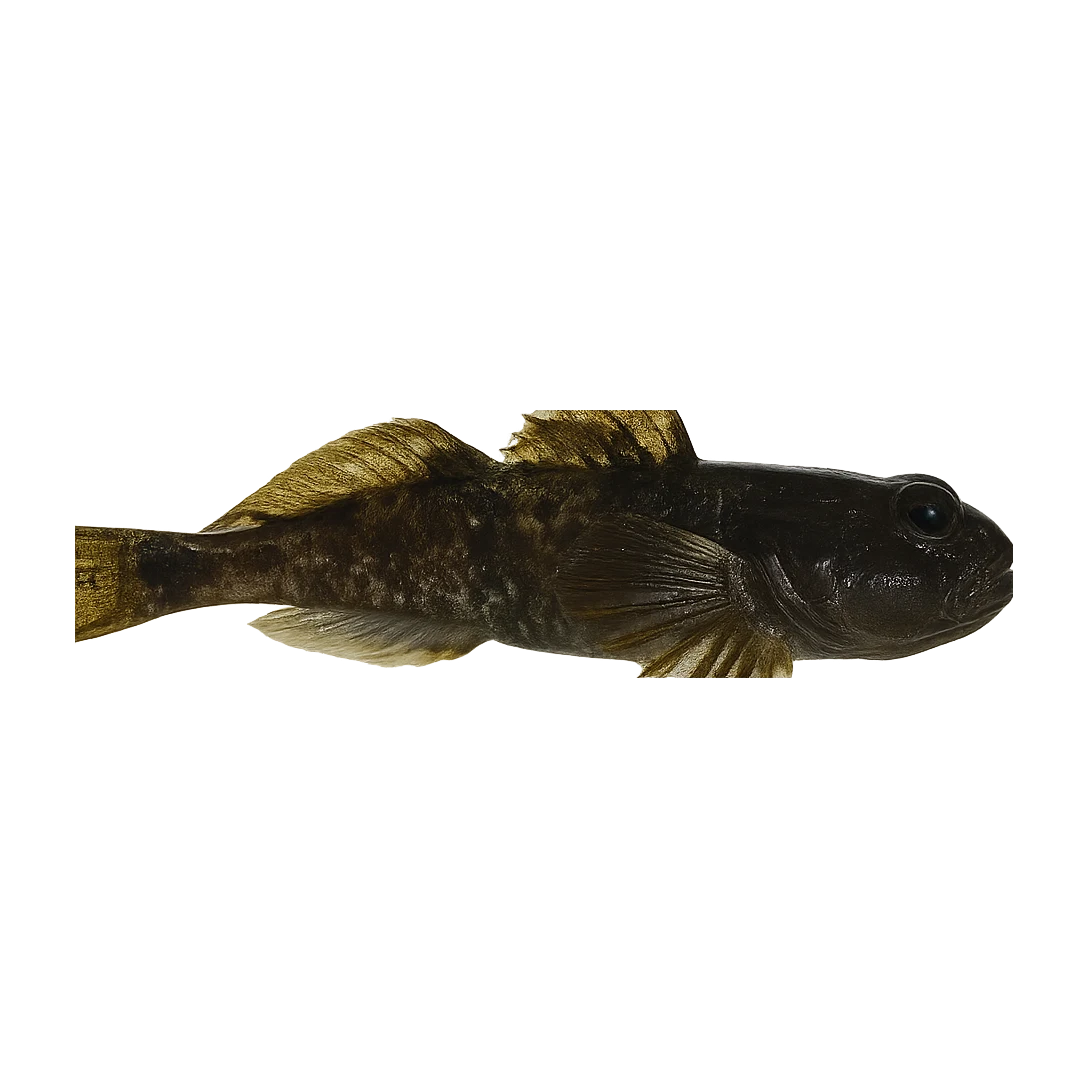
Sculpin / Baitfish (Rivers)Hatch
2
3
3
3
3
3
3
3
2
March BrownHatch
2
3
2
Large StoneflyHatch
2
3
2

Numbers are intensity 0 (none) to 3 (peak) — a guide, not a guarantee.
Ranked for today
Brown Trout fly box
What's coming
Plan ahead
5-day outlook
Cooler water nearby · 1
Probably above the brown trout safety line — these are likely cooler, but carry a thermometer.
Gallery · 2
  1. A clear rocky-bedded stream, the Filliere river, flowing between bare winter trees near Les Ollieres, Haute-Savoie, France.
    La Filliere @ Les Ollieres
  2. Terrain map of the venue
    Terrain map
About this water

The Fillière feeds the Fier from the Bornes massif and carries enough limestone character to behave like a miniature Jura stream — clear, cold, and stubbornly selective. It's not long and it's not big, and the pools are short enough that you'll fish the whole river in a morning if you move quickly and know what you're doing. The trout are wild, small, and educated; they've seen the hatches come and go for their entire lives and they are not easily persuaded. Match the olive, drop it on the cushion above the fish, and try not to false-cast over the pool. The canopy is tight in places — a 7ft 3-weight is the right rod. Spring and early summer are the moment. By August the flow thins and the fish retreat under the cut-banks where you can't reach them.

  • Limestone
Water quality (WFD)
  • EcologyGood
  • ChemicalGood

WFD classification · FRDR537

The full read · show the working · for brown trout · confidence 90%
How the 12 is built — score × weight = contribution
Temperature6 × 28%1.7
Flow60 × 22%13.2
Clarity95 × 18%17.1
Feeding Time40 × 13%5.2
Pressure80 × 7%5.6
Insect activity53 × 12%6.4
Limiting factor: Water temperature (22°C) is outside Brown Trout's preferred range (10–16°C)= 49
Can you trust it?
Water temperatureair-to-water estimateestimated
Level / flowon-river gaugeobserved
Prey activitysurvey-backed invertebrate datasurvey
What would change the calculation
Cooler water — back toward the 10–16 °C ideal band — would lift the score and ease welfare.
The dawn and dusk windows score higher than the midday lull.
Directions
Seasons & zones
  • Trout2nd Saturday of March → 3rd Sunday of September
Related guides
Booking & contacts