
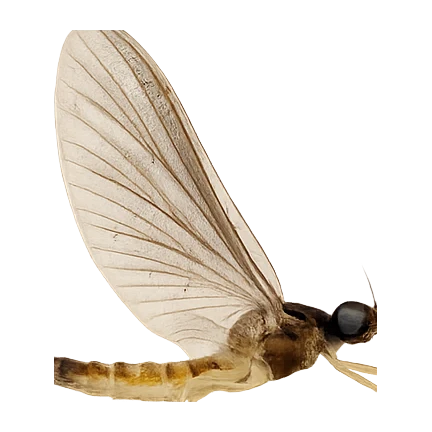
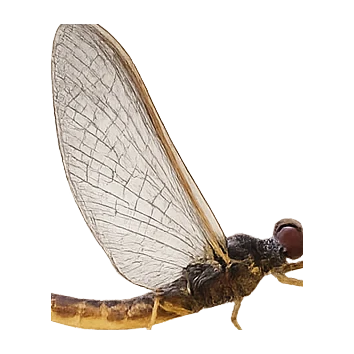
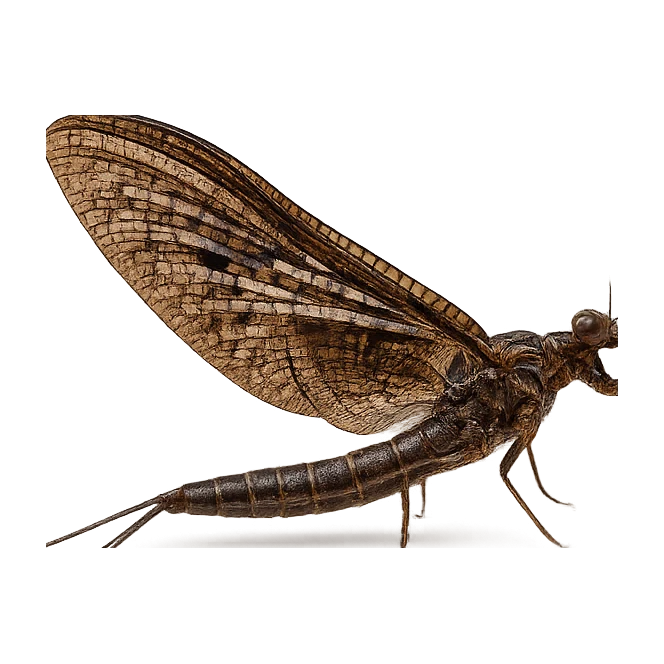
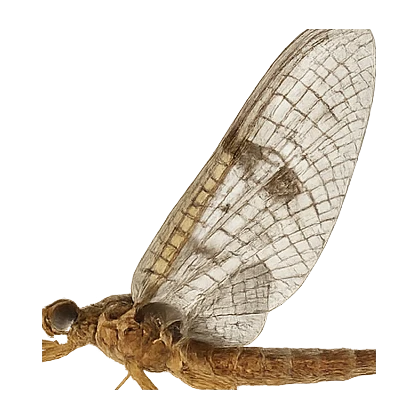
 Mayflies
 Stoneflies
 Caddisflies
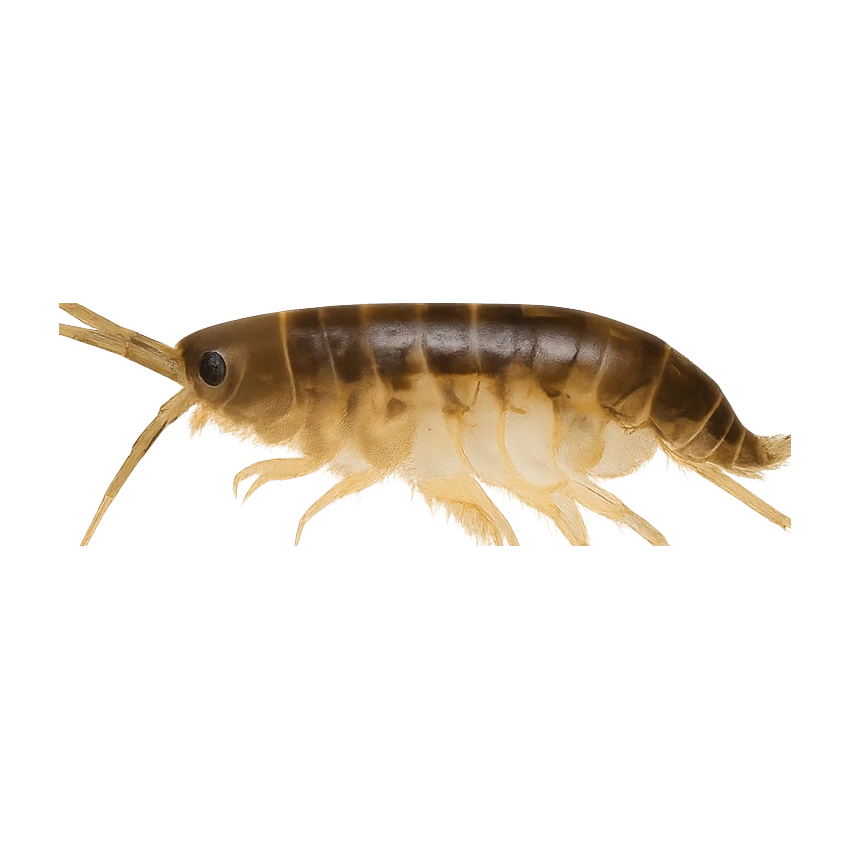
 Gammarids
Slower pools and longer glides than the headwaters.
- Limestone
Hatch predictions
Today's headline hatch shown — see all 5 active hatches hour by hour as a supporter.
Start free trial14-day free trial. Cancel anytime.
Hatch predictions
Top nymph shown — see all 2 guilds as a supporter.
Start free trial14-day free trial. Cancel anytime.
Backed by regional invertebrate surveys; no sampling on this exact reach yet.
Numbers are intensity 0 (none) to 3 (peak) — a guide, not a guarantee.
Cooling water through September–November drives barbel into deeper, steadier runs and the slower glides below gravel riffles. Feeding activity remains high as fish build reserves before winter. Larger nymph profiles and crayfish patterns work better in autumn than the small-nymph summer approach. Cover more water — barbel move more actively in autumn, patrolling runs rather than sitting static. After heavy rain the Squirmy Worm and San Juan Worm become the standout options as invertebrates drift in coloured water.
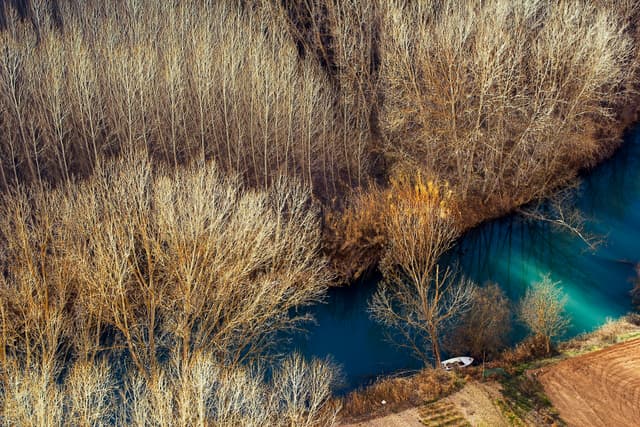
Slower pools and longer glides than the headwaters.
Castilla-La Mancha 2026 order, low-mountain band. This reach sits at the trout/coarse transition — treat any common trout as a bonus catch and release it; barbel is the more consistent target here.
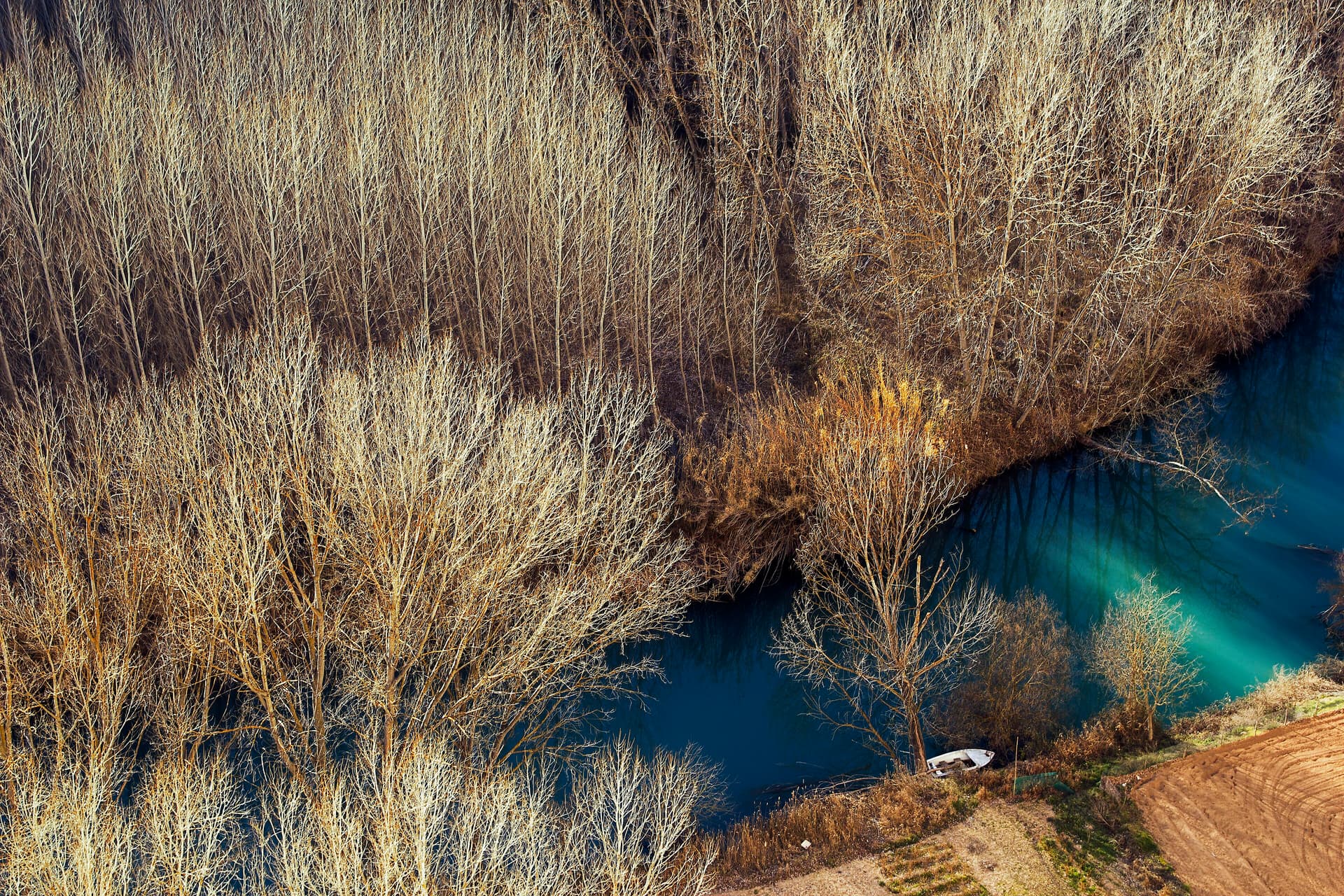
The Júcar's middle reach downstream of the Alarcón reservoir, where the river widens and warms into transitional water — still holding some brown trout in its cooler stretches but increasingly a barbel and mixed coarse fishery as it crosses the La Mancha plateau.
Hatch predictions
Today's headline hatch shown — see all 5 active hatches hour by hour as a supporter.
Start free trial14-day free trial. Cancel anytime.
Hatch predictions
Top nymph shown — see all 2 guilds as a supporter.
Start free trial14-day free trial. Cancel anytime.
Backed by regional invertebrate surveys; no sampling on this exact reach yet.
Numbers are intensity 0 (none) to 3 (peak) — a guide, not a guarantee.
Cooling water through September–November drives barbel into deeper, steadier runs and the slower glides below gravel riffles. Feeding activity remains high as fish build reserves before winter. Larger nymph profiles and crayfish patterns work better in autumn than the small-nymph summer approach. Cover more water — barbel move more actively in autumn, patrolling runs rather than sitting static. After heavy rain the Squirmy Worm and San Juan Worm become the standout options as invertebrates drift in coloured water.
Slower pools and longer glides than the headwaters.
Castilla-La Mancha 2026 order, low-mountain band. This reach sits at the trout/coarse transition — treat any common trout as a bonus catch and release it; barbel is the more consistent target here.
Río Júcar (Tramo Medio) is a freestone river in Cuenca / Albacete, Castilla-La Mancha, Spain. The catchment geology is recorded as limestone, and the water sits at about 744 m above sea level. Species listed for this water: brown trout and barbel. The trout season is recorded as running from 1 April to 30 September. Best window recorded for anglers: Spring and autumn once summer heat backs off. Core methods listed: nymph; spinning; float fishing. Level and flow data for this water is linked from 2 gauges. Nearby waters in our listings include Río Cabriel at 58 km.