
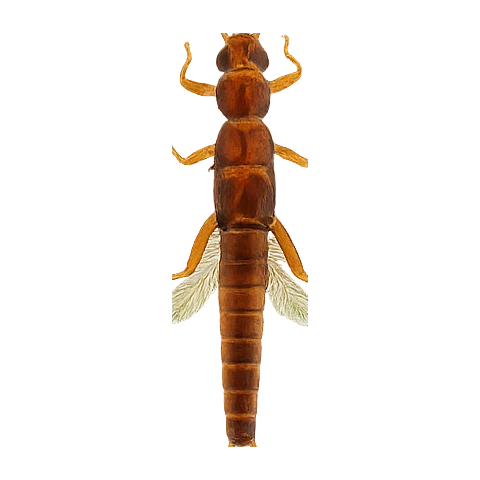
 Stoneflies
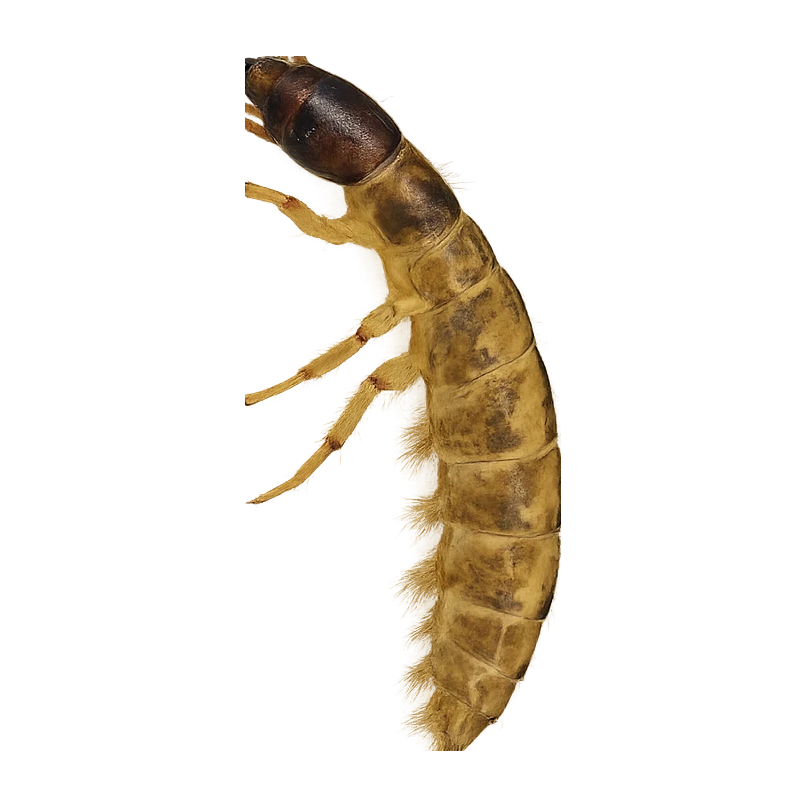
 Caddisflies
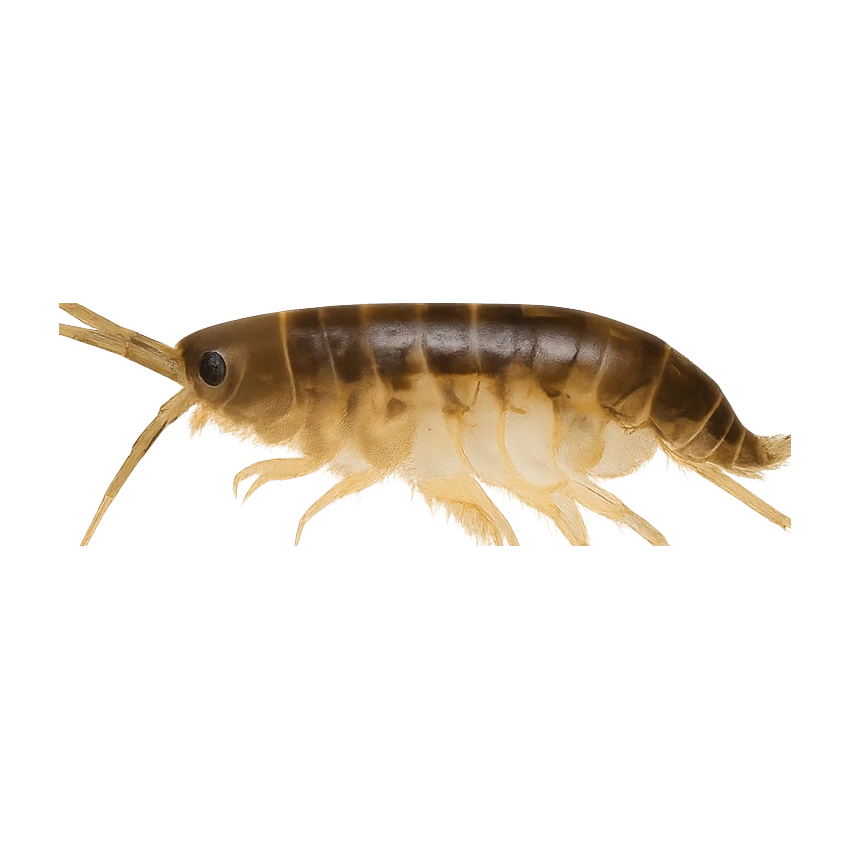
 Gammarids
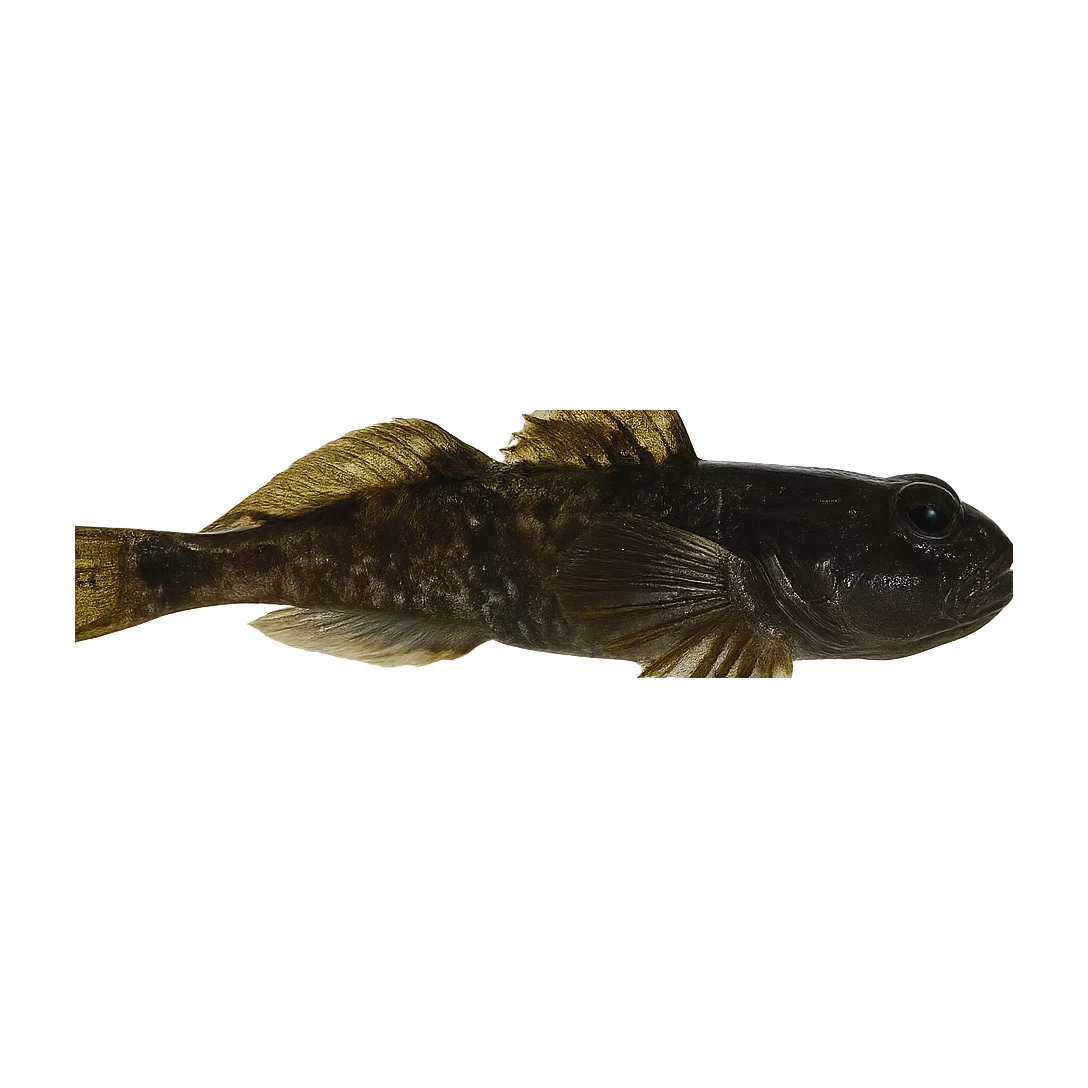

The clear water supports excellent sight fishing, and the brown trout are bonuses. Responsive to rainfall, with productive pools and riffles—accessible beats with proper permits.
- Limestone
12pm(now) — Autumn Needle Fly
Peak activity at 11am — Autumn Needle Fly (Autumn Needle Fly, Peak emergence window)
Hatch predictions
Top nymph shown — see all 4 guilds as a supporter.
Start free trial14-day free trial. Cancel anytime.
Hatch predictions
Supporters see what else is on the menu.
Start free trial14-day free trial. Cancel anytime.
Backed by regional invertebrate surveys; no sampling on this exact reach yet.
Numbers are intensity 0 (none) to 3 (peak) — a guide, not a guarantee.
A classic alpine trout and grayling box. Nymphs, dry flies and streamers all belong, with the season often starting later in alpine regions.
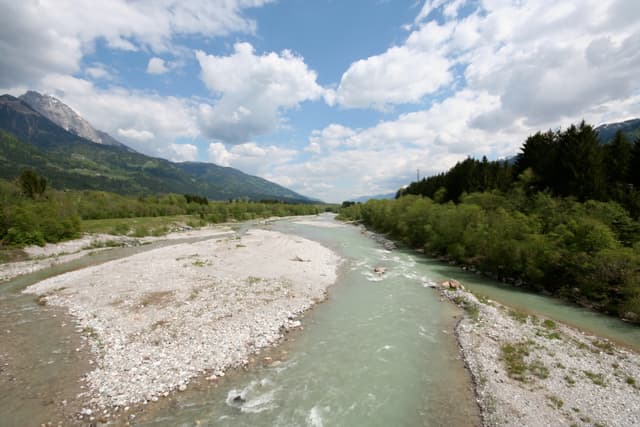
The clear water supports excellent sight fishing, and the brown trout are bonuses. Responsive to rainfall, with productive pools and riffles—accessible beats with proper permits.
WFD re-coded 2026-09-14 after the pin audit: matched by point query against EEA WISE WFD2022_SurfaceWaterBody (the river water body whose line lies 1 m from the venue pin). Status: WISE 2022 (3rd RBMP) ecological class 2 = Good, chemical 'failing to achieve good' (Austria-wide in the 2022 cycle). Prior id ATOK901730002 (Good) described a different reach.
WFD classification · ATOK901870019
Austrian grayling (Äsche) rules are state and fishery specific. Common pattern: closed 1 January – 31 May (spawning protection); open from June. Individual fishery seasons often end October/November. Always check the local Fischereikarte and specific water permit. Salzburg-area waters commonly show 1 June or 16 May opener.
Season dates are set at state or regional level — confirm the local rules.
Prime sport 1 August → 31 October
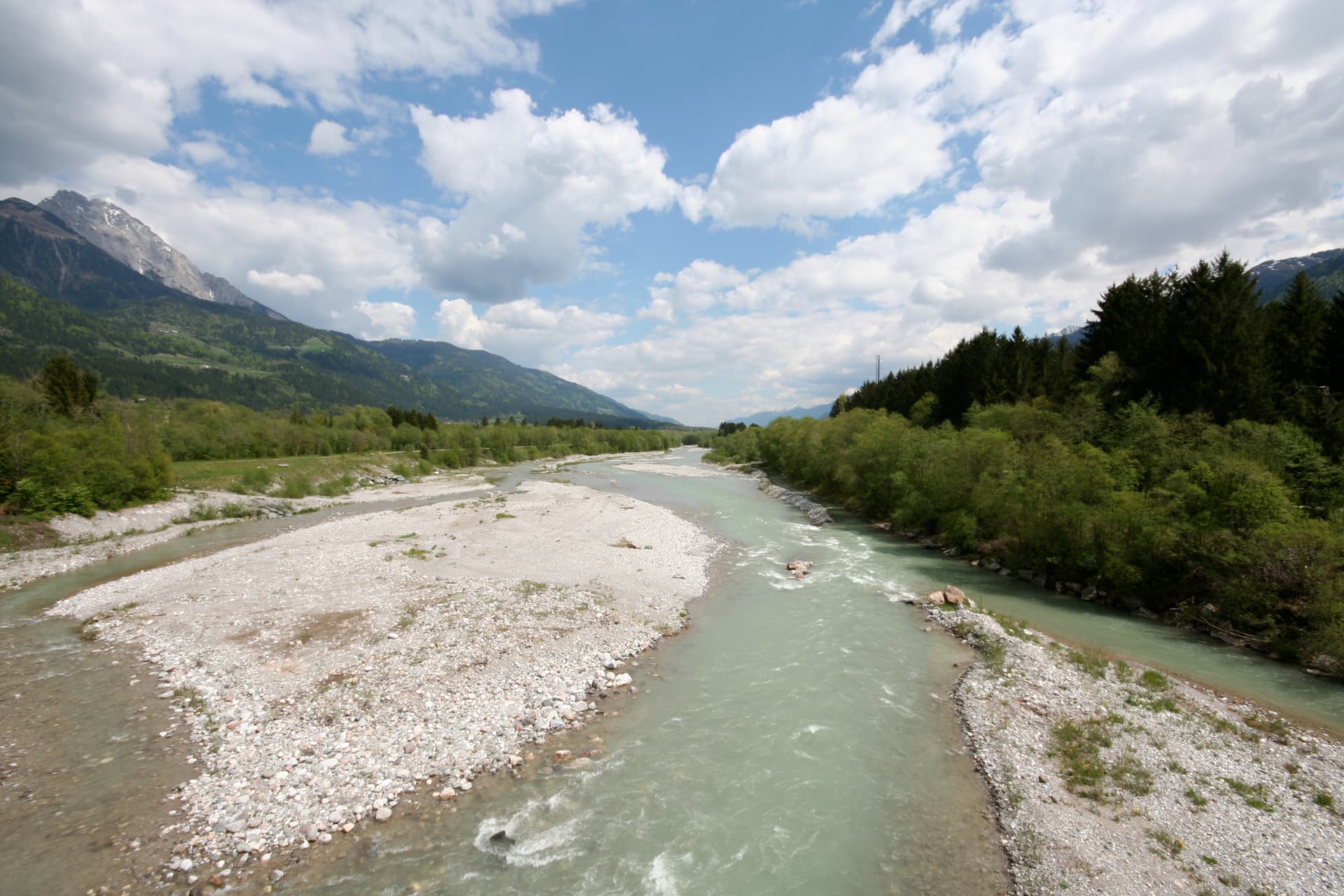
South Carinthian limestone river renowned for selective grayling populations with discriminating feeding habits.
12pm(now) — Autumn Needle Fly
Peak activity at 11am — Autumn Needle Fly (Autumn Needle Fly, Peak emergence window)
Hatch predictions
Top nymph shown — see all 4 guilds as a supporter.
Start free trial14-day free trial. Cancel anytime.
Hatch predictions
Supporters see what else is on the menu.
Start free trial14-day free trial. Cancel anytime.
Backed by regional invertebrate surveys; no sampling on this exact reach yet.
Numbers are intensity 0 (none) to 3 (peak) — a guide, not a guarantee.
A classic alpine trout and grayling box. Nymphs, dry flies and streamers all belong, with the season often starting later in alpine regions.
The clear water supports excellent sight fishing, and the brown trout are bonuses. Responsive to rainfall, with productive pools and riffles—accessible beats with proper permits.
WFD re-coded 2026-09-14 after the pin audit: matched by point query against EEA WISE WFD2022_SurfaceWaterBody (the river water body whose line lies 1 m from the venue pin). Status: WISE 2022 (3rd RBMP) ecological class 2 = Good, chemical 'failing to achieve good' (Austria-wide in the 2022 cycle). Prior id ATOK901730002 (Good) described a different reach.
WFD classification · ATOK901870019
Austrian grayling (Äsche) rules are state and fishery specific. Common pattern: closed 1 January – 31 May (spawning protection); open from June. Individual fishery seasons often end October/November. Always check the local Fischereikarte and specific water permit. Salzburg-area waters commonly show 1 June or 16 May opener.
Season dates are set at state or regional level — confirm the local rules.
Prime sport 1 August → 31 October
Gail is a freestone river in Carinthia, Austria. The catchment geology is recorded as limestone, and the water sits at about 623 m above sea level. Species listed for this water: brown trout and grayling. The trout season is recorded as running from 1 April to 30 September. The grayling season is recorded as running from 1 June to 28 February. Best window recorded for anglers: April–September. Core methods listed: nymph; dry fly. Level and flow data for this water is linked from 1 gauge. Its Water Framework Directive ecological status is recorded as good. Nearby waters in our listings include Fella at 27 km, Möll at 31 km and Drava (Drau) at 32 km.